Garage Door Panel Replacement, Done Right for Marysville-Area Homes
Panel replacement for Marysville-area garage doors, matched to the 1980s-90s steel and fiberglass sections common on homes built 1972-2000 in this service area.
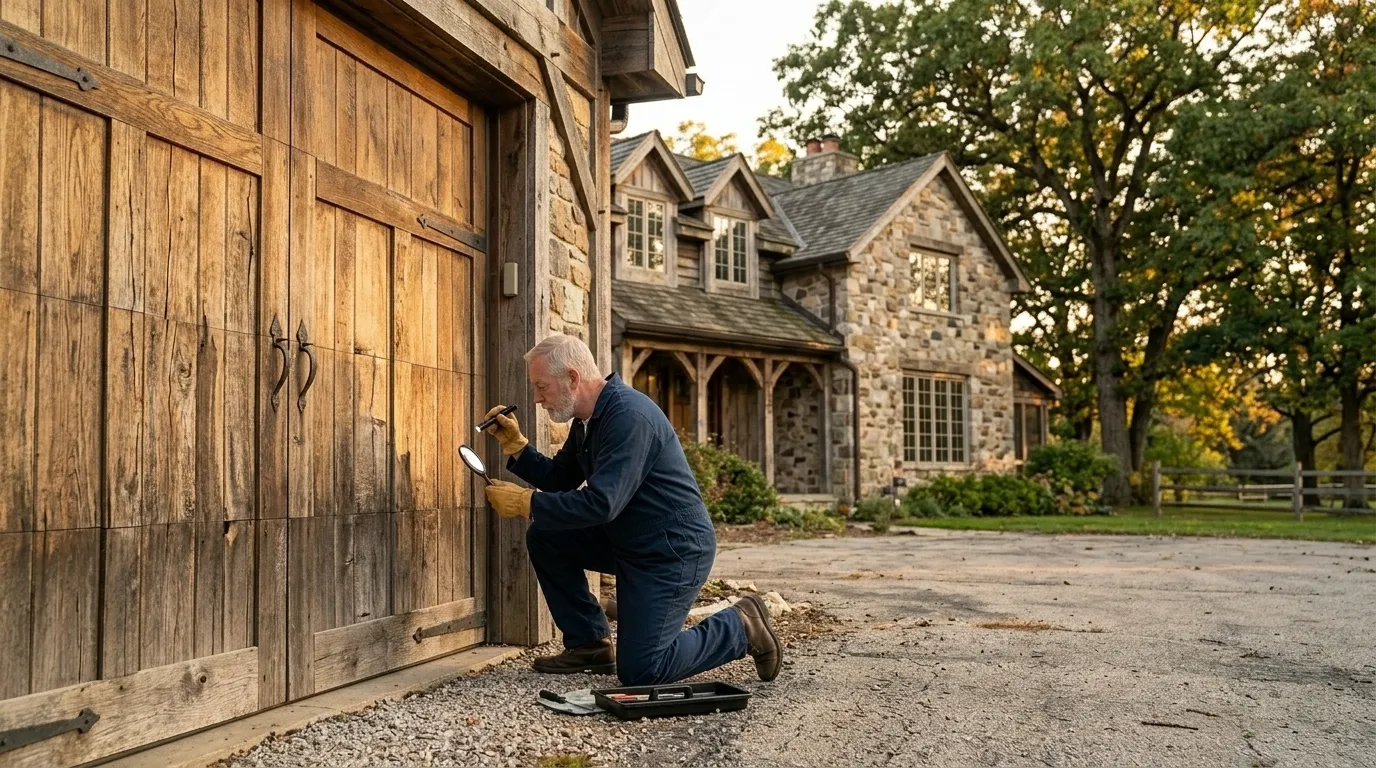
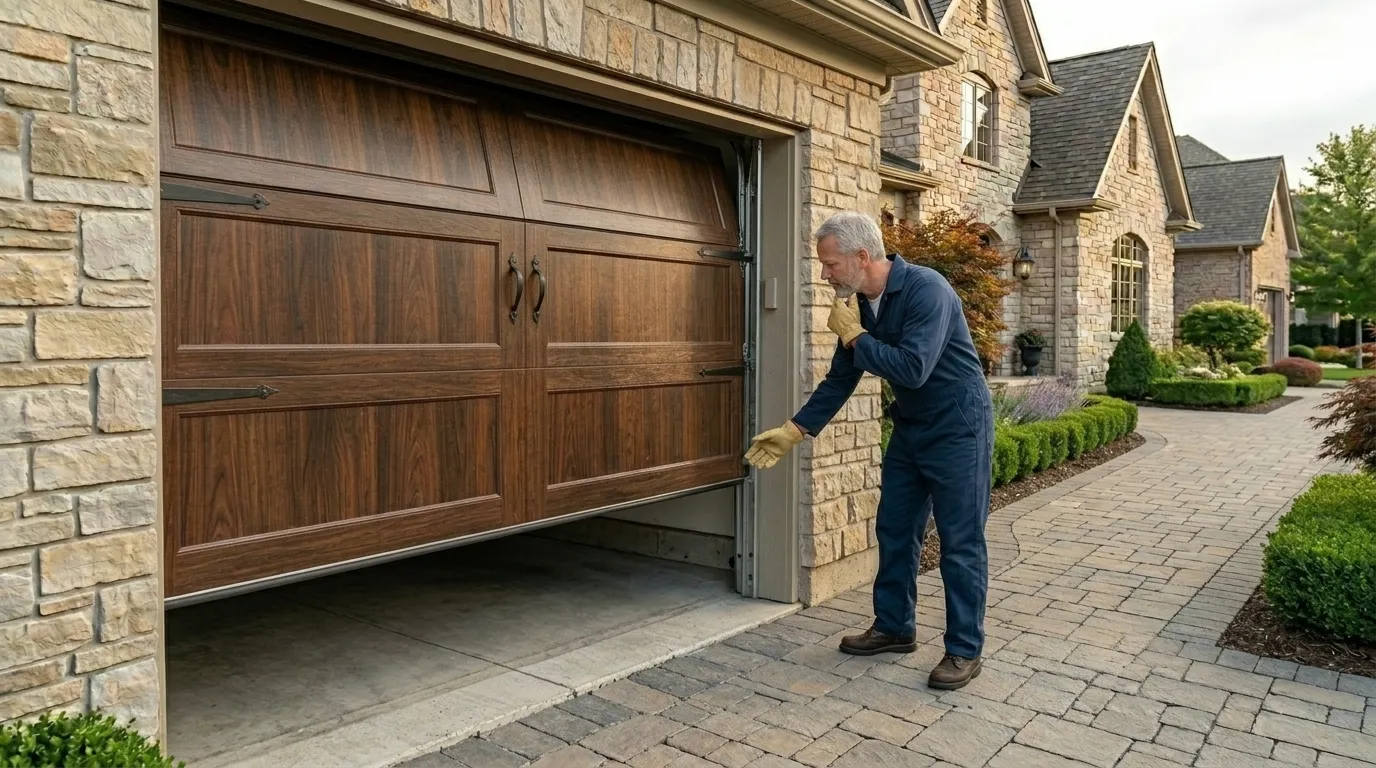
A panel job starts with matching, not swinging a wrench. Most of the doors we pull sections off of around here went up between 1972 and 2000, with the bulk of that stock dating to the 1980s and 90s. That means steel doors with a groove profile and panel height that newer manufacturers don't stock off the shelf anymore. We pull the model and section number off the hinge stile or the end cap, check it against current runs, and if it's an obsolete profile we order a compatible replacement panel rather than forcing a mismatch.
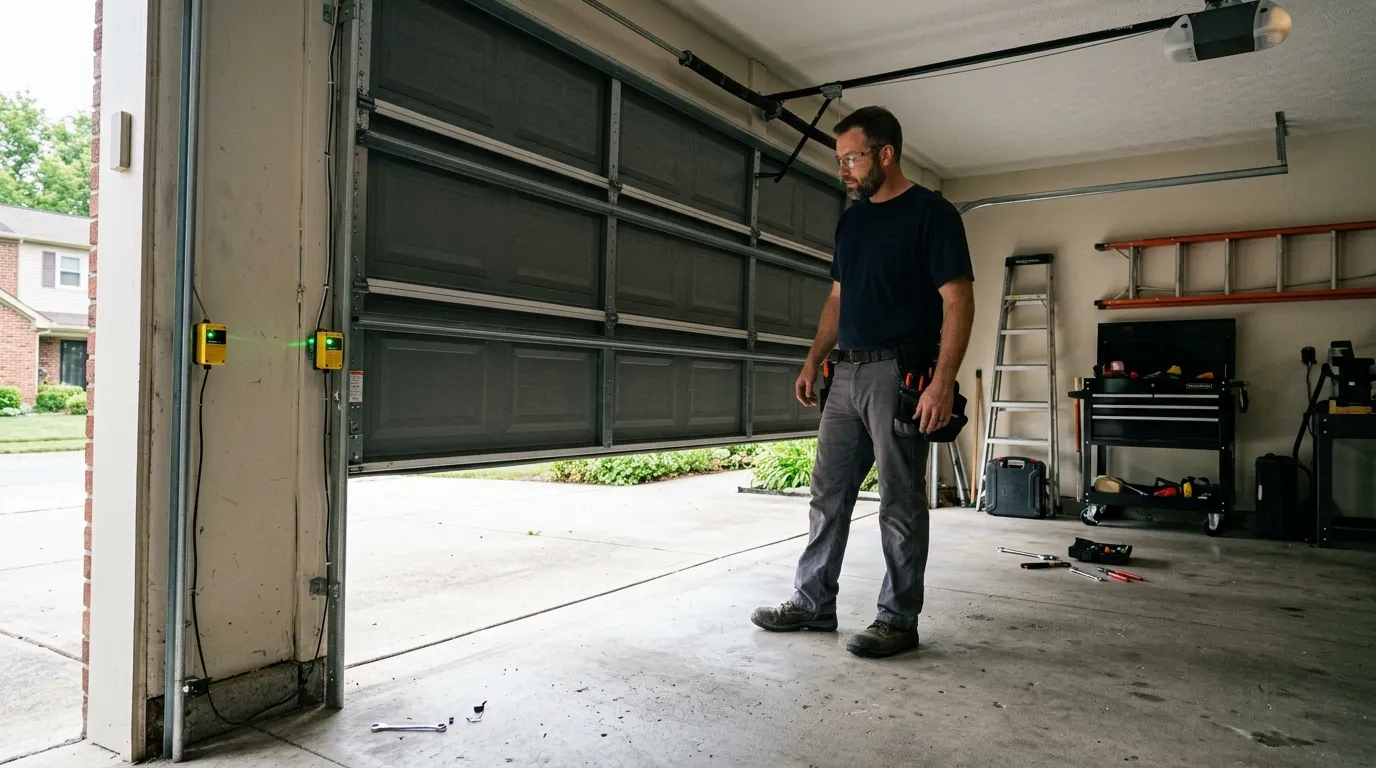
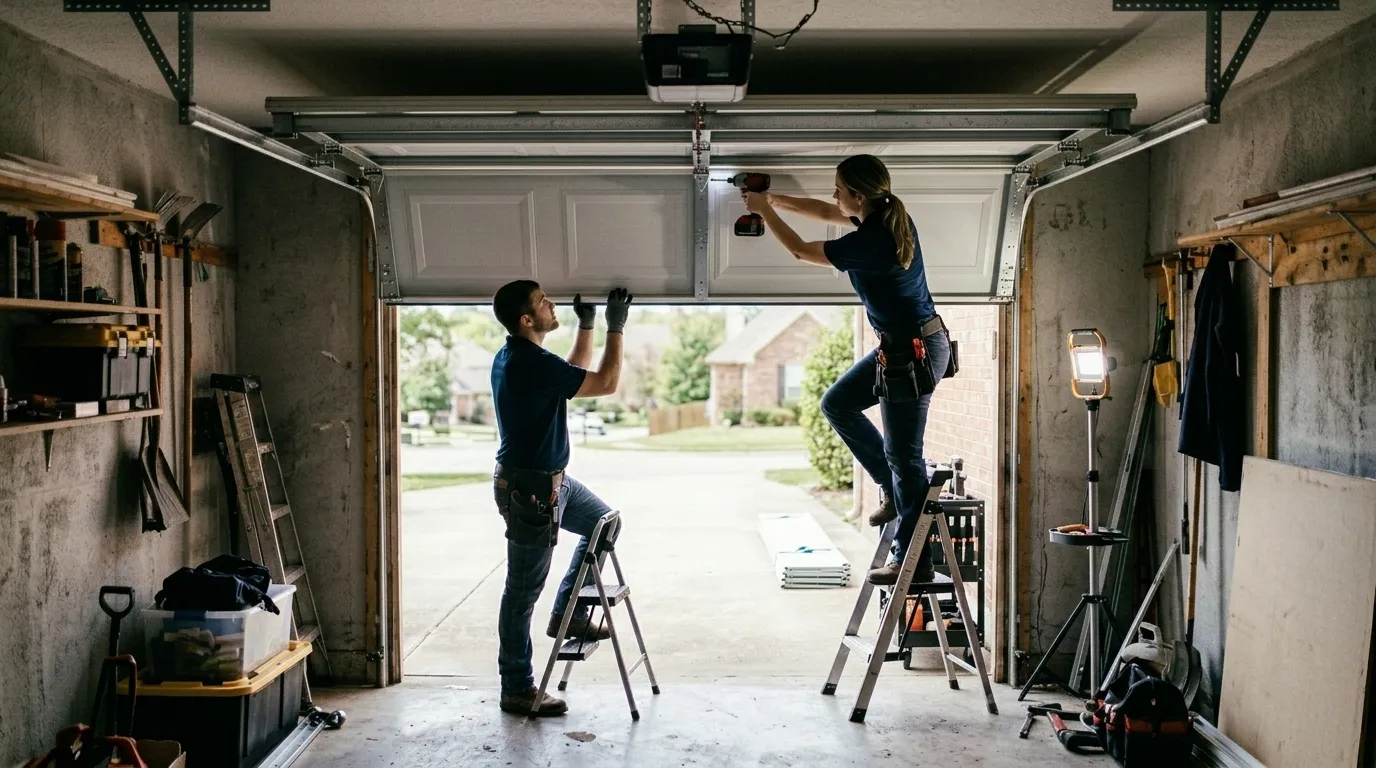
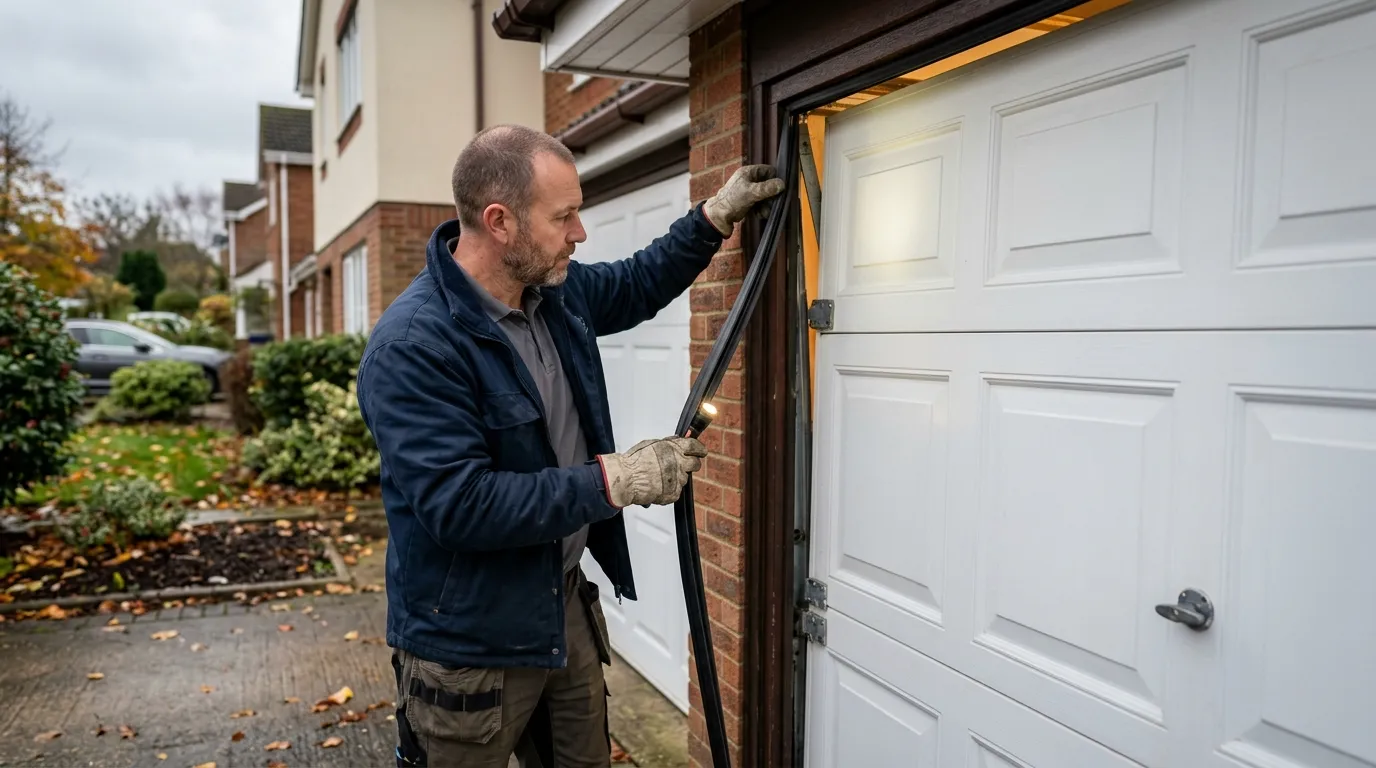
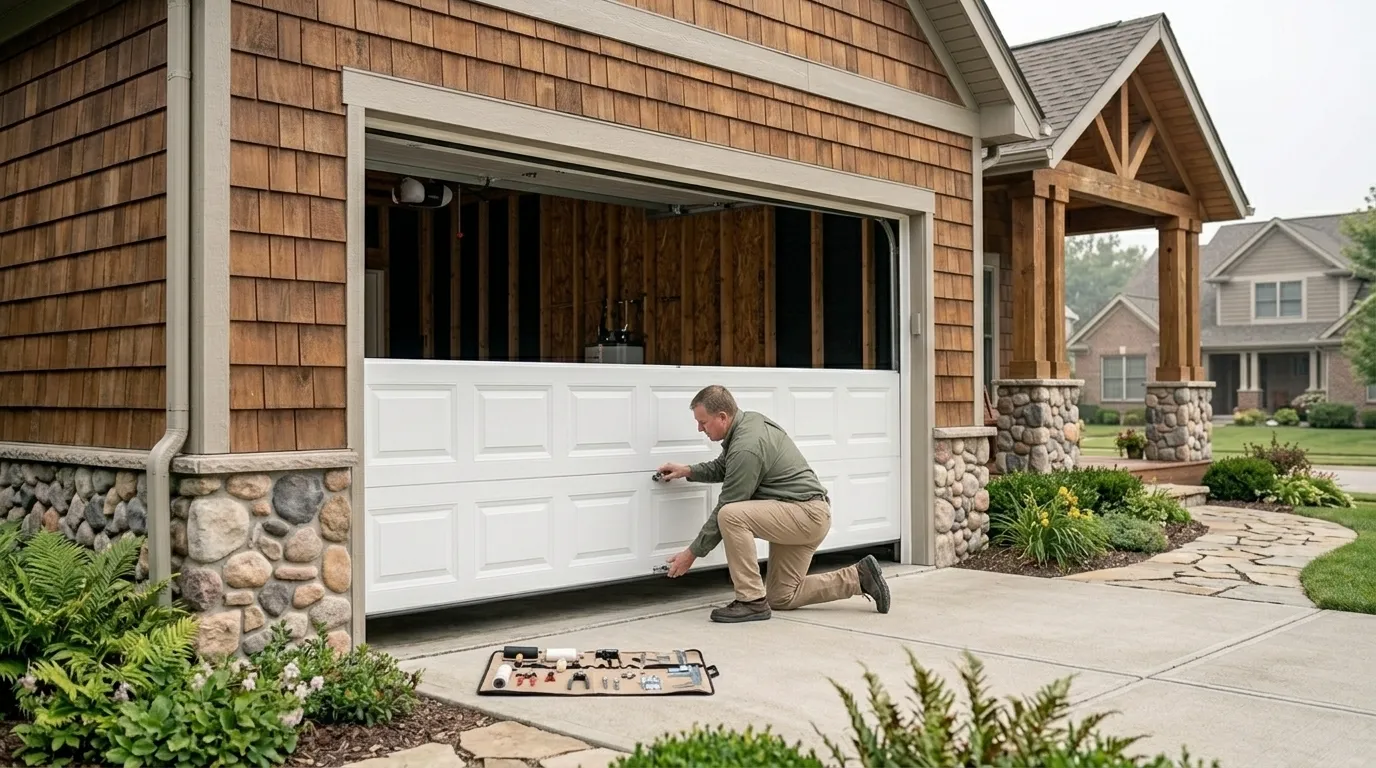
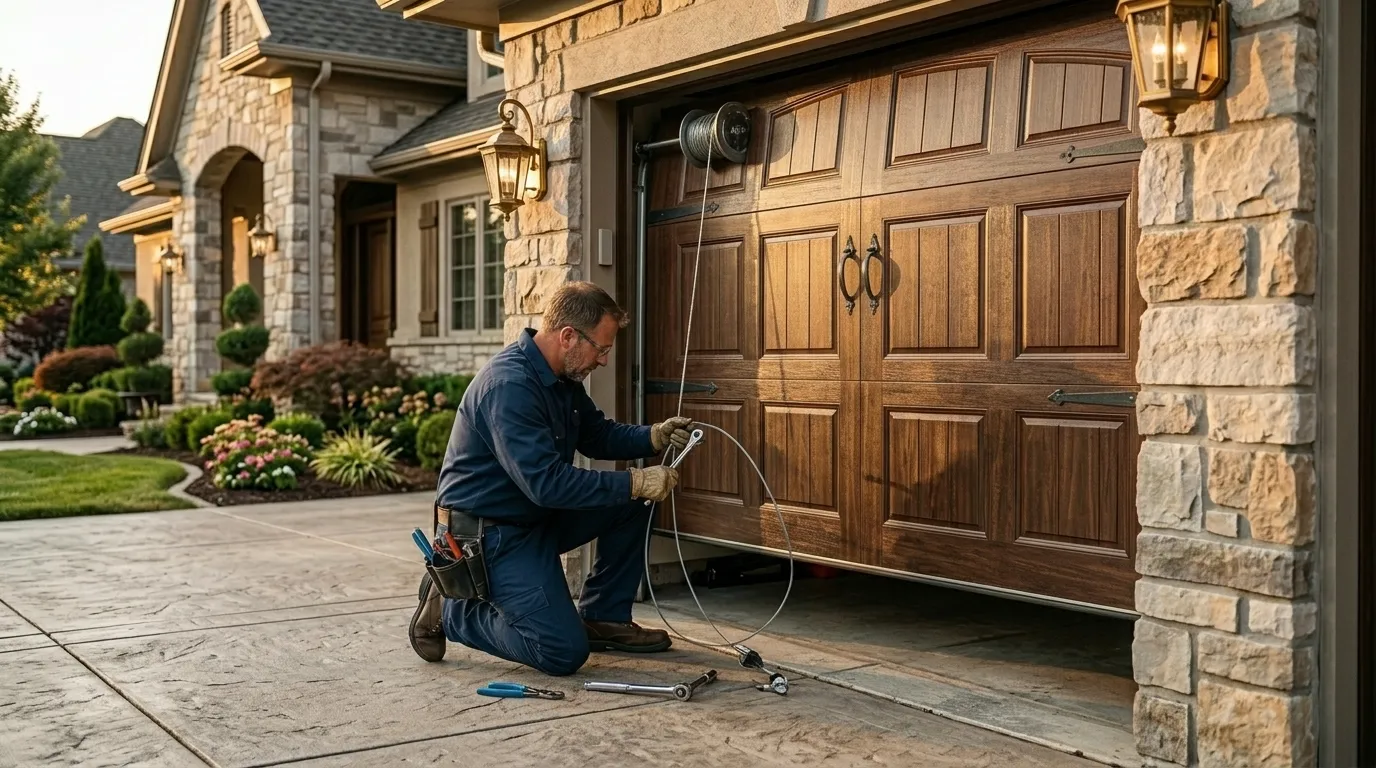
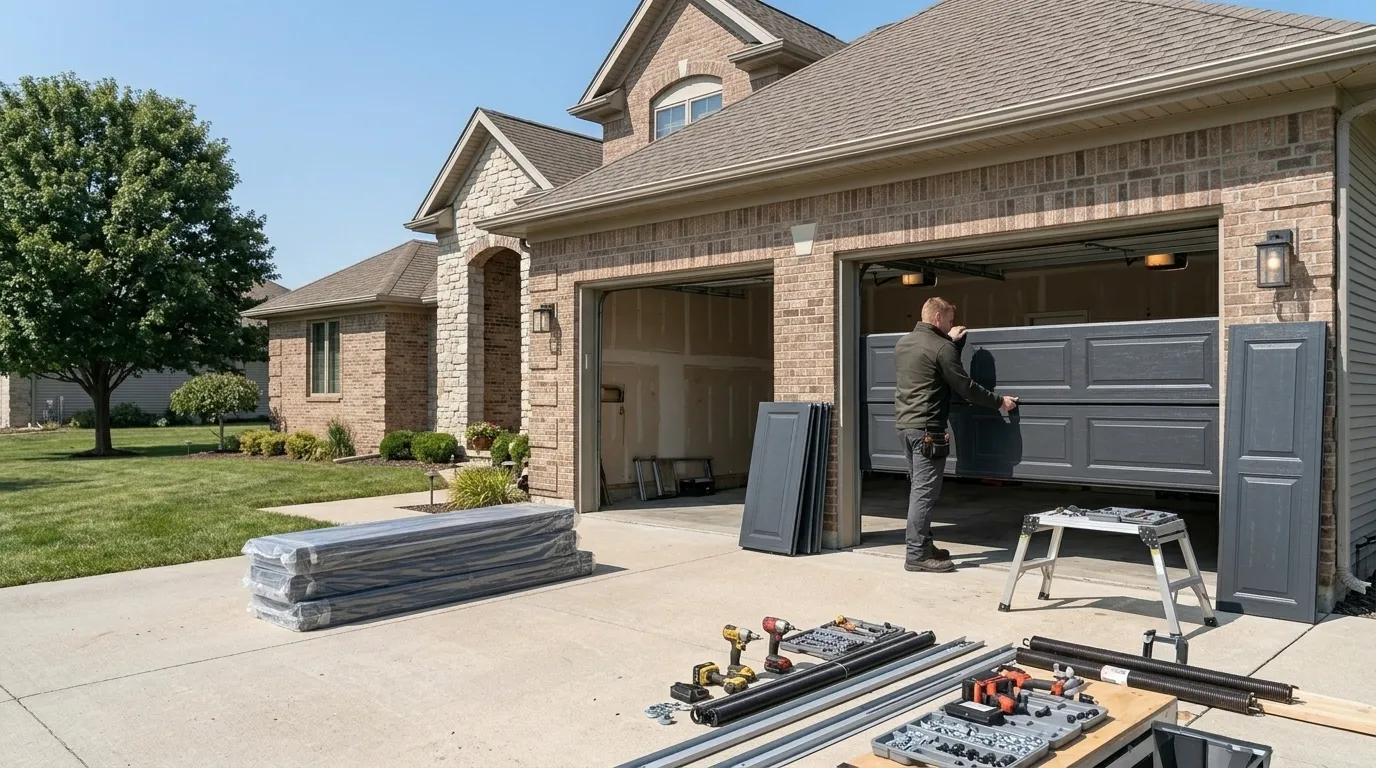
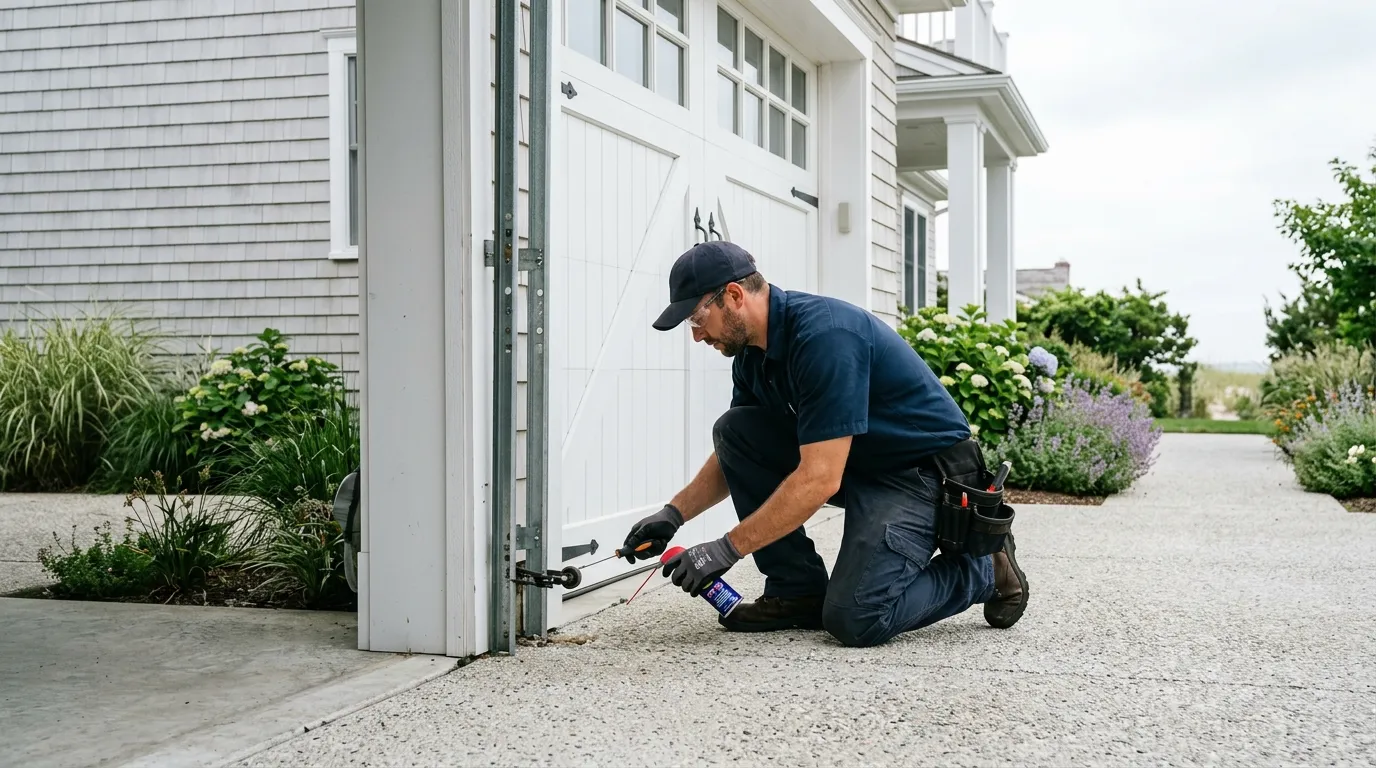
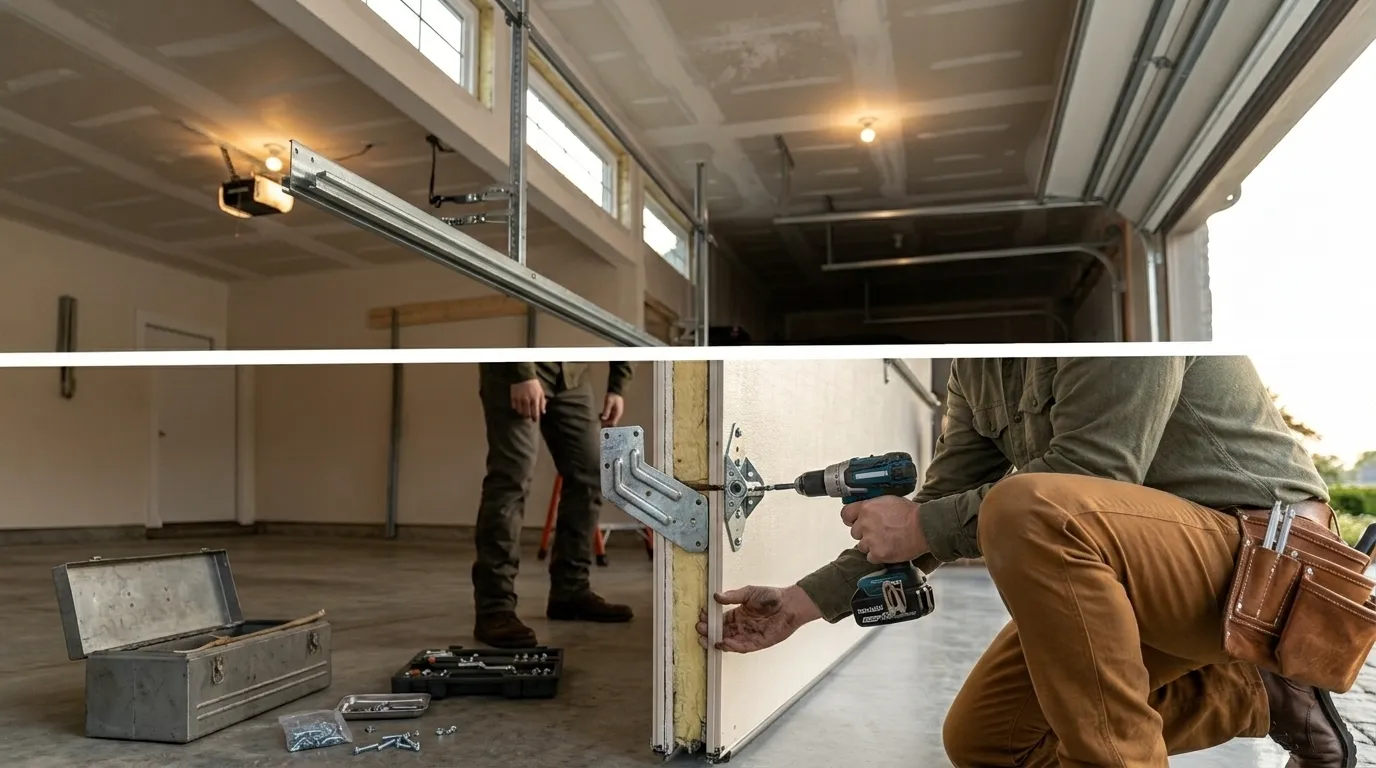
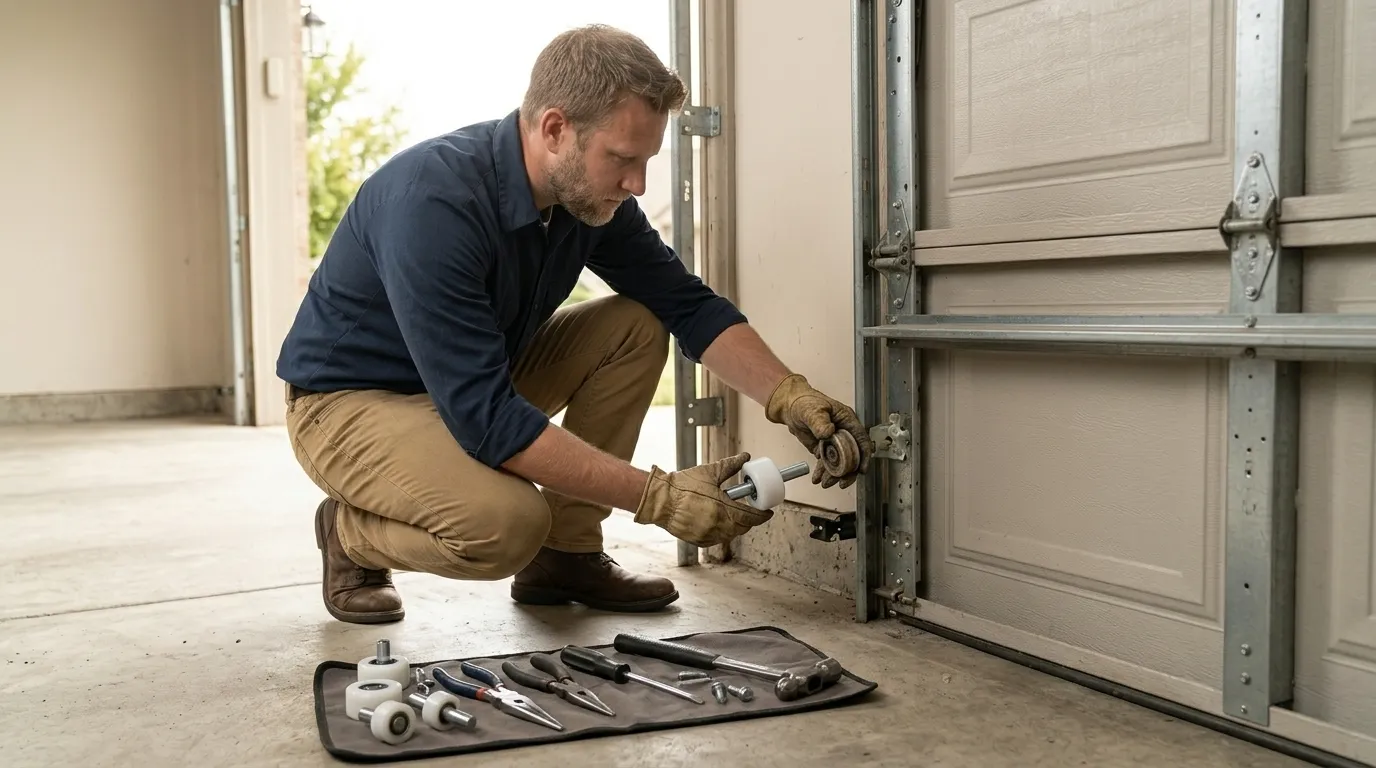
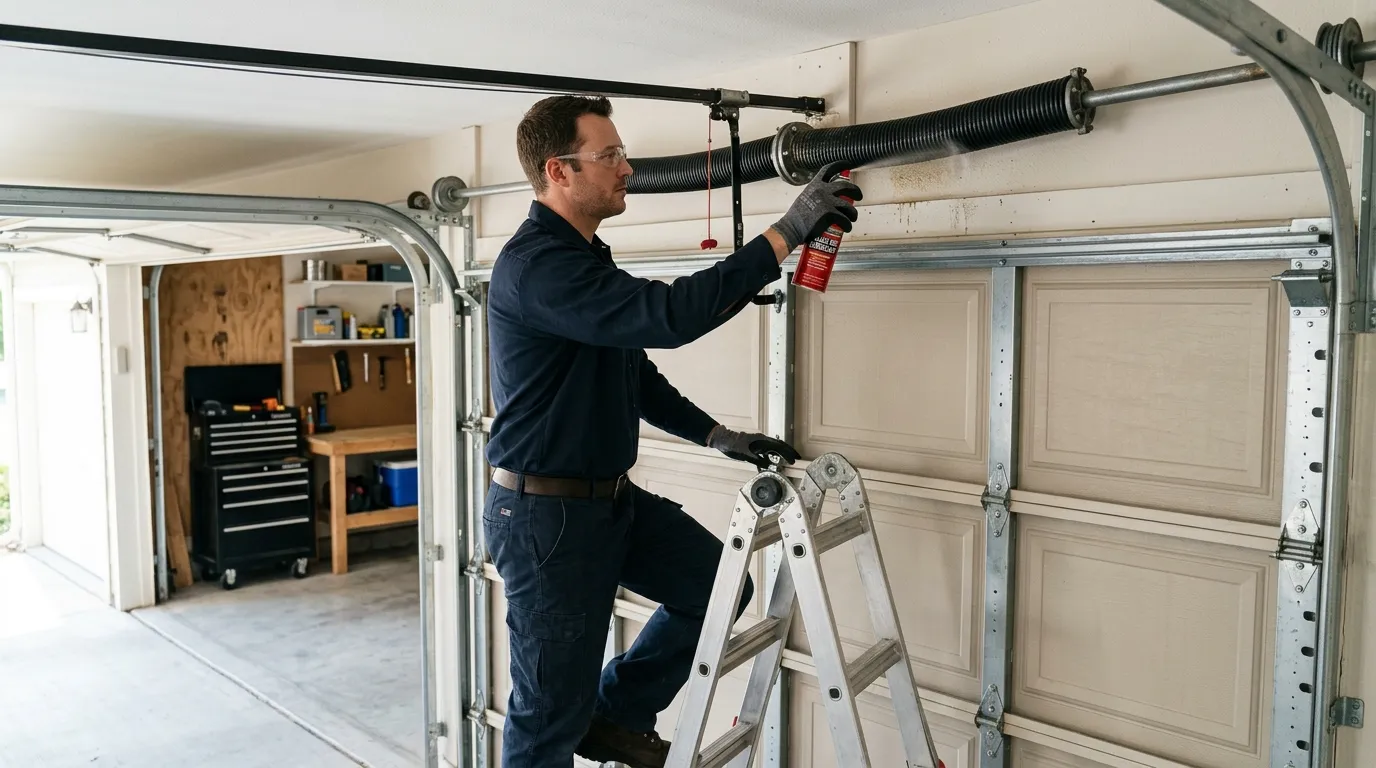
Once we've got the right section, the work itself is straightforward: back the door down, disconnect the torsion spring tension so the section isn't under load, pull the hinges and rollers off the damaged panel, swap it, and reset hinges, rollers, and cable guides. On doors with reinforced bottom sections - common where snow load or wind pressure was factored into the original install - we also check the strut bar before closing the job out.
What we don't do is force a panel from a different manufacturer's line onto a door it wasn't built for. If the color, rib pattern, or gauge doesn't match close enough to hold up, we'll tell you straight and talk replacement instead of a patch that looks wrong in six months.
How Long It Takes
A single-panel swap on a door with a common profile is usually a same-visit job once the part is in hand - figure under two hours on-site. The variable is the panel itself. Because so much of the housing in this service area dates to the 1980s and 90s, we're often sourcing a discontinued or near-discontinued section, and that can mean a lead time of several days to a couple of weeks depending on the manufacturer and whether the exact color and window cutout still get made.
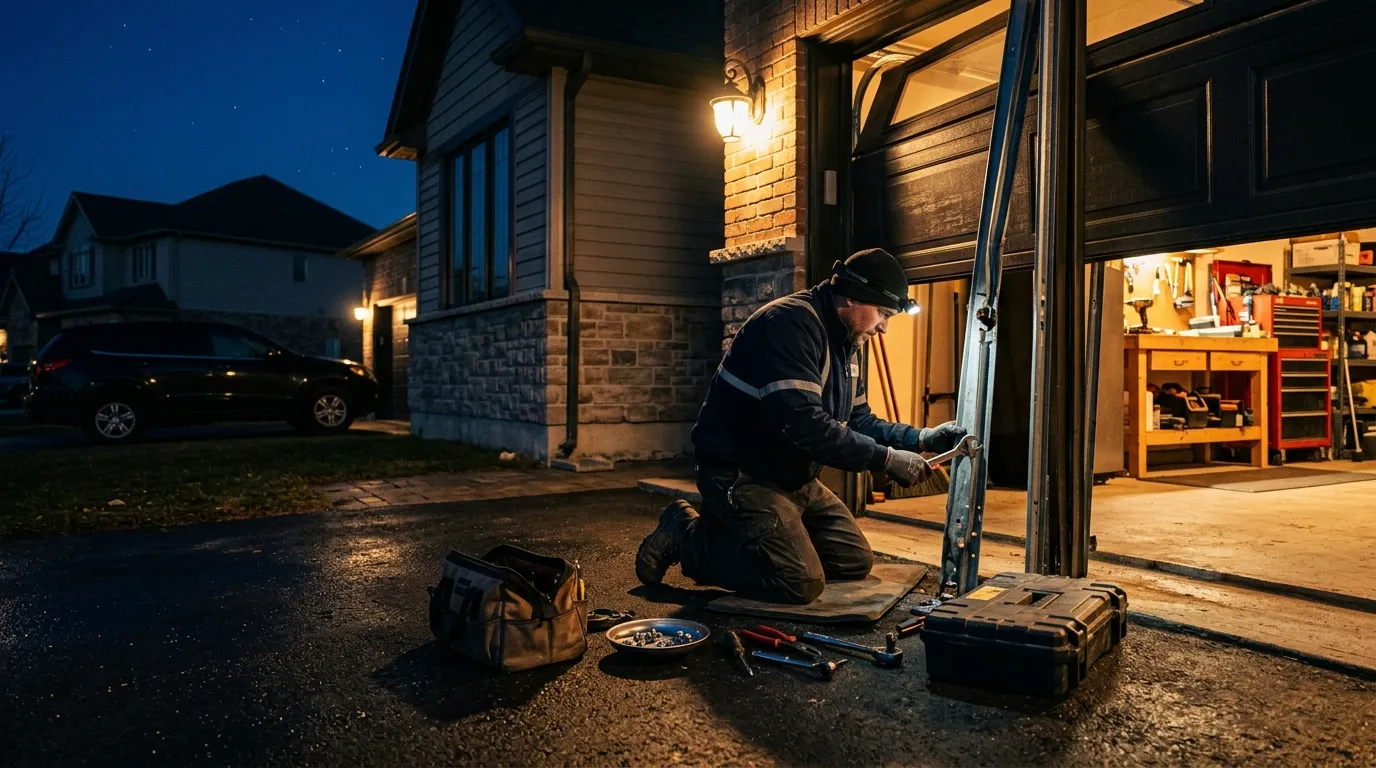
If more than one section is damaged, or if the door has taken enough of a hit that the track or hinges are bent along with the panel, plan on a longer visit. We'll tell you on the first look whether it's a one-trip repair or a two-trip job with an ordered part in between. We don't pad the timeline to sound faster than we are, and we don't guess at a delivery date on a part we haven't confirmed with the supplier yet.
What You Are Seeing
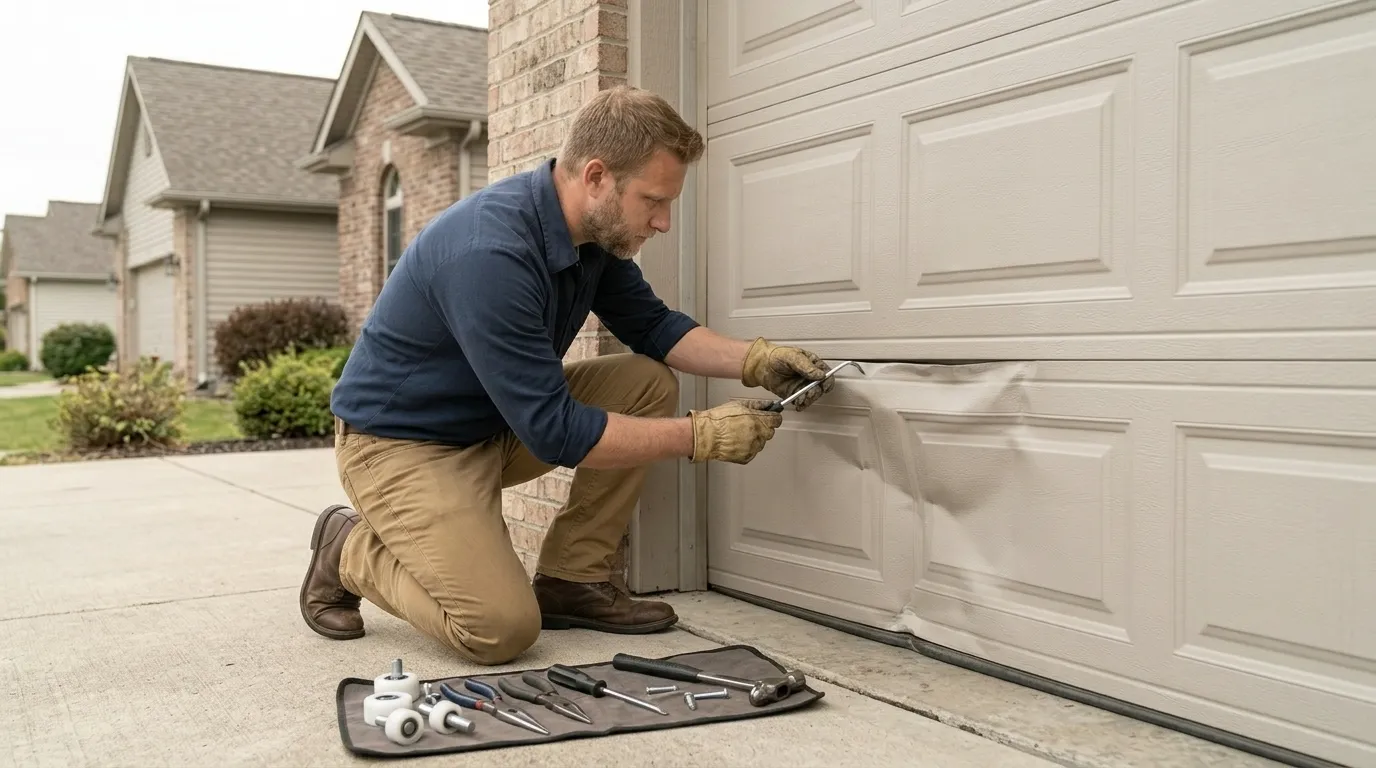
A cracked or caved-in lower panel is the most common call - usually from a backed-into door or a stuck opener forcing a bottom section against something solid. Above that, you'll see stress cracks running along the panel seam on older steel doors, especially where the foam-backed insulation has started separating from the skin. That gap lets the panel flex more than it should, and flex is what eventually splits the seam.
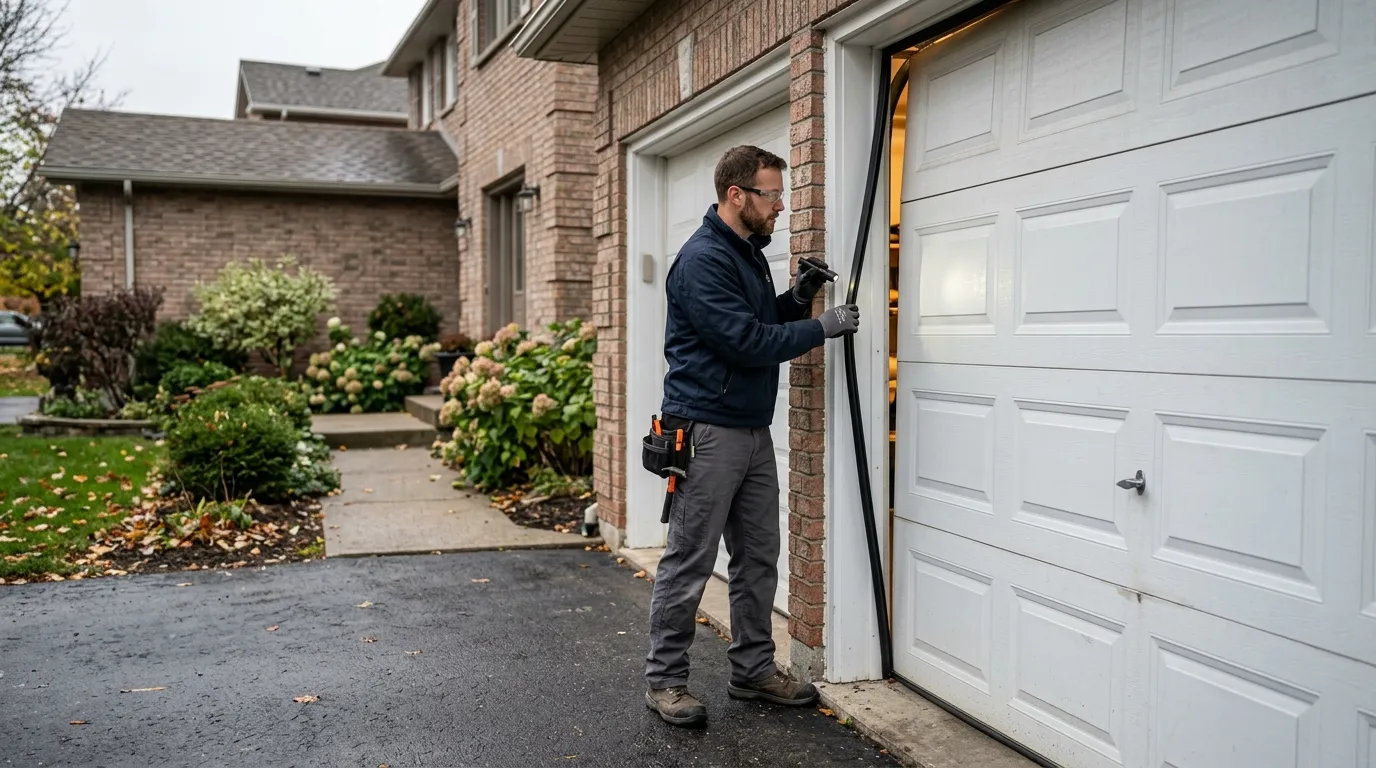
On doors with the fiberglass-over-steel construction that was common in this window of construction (roughly 1972 to 2000), the failure looks different: the outer skin delaminates or bubbles first, well before the frame underneath gives out. If you're seeing daylight through a seam, a section that doesn't sit flush when the door's down, or rust starting at the bottom corner where snowmelt sits against the panel, that's a panel problem, not a spring or opener problem, and it's worth calling before the section fails outright and jams the door mid-cycle.
What Causes It Around Here
This area sits in a cold-moderate climate band, and that matters more for panels than people expect. Freeze-thaw cycling on foam-backed steel panels works the bond between the steel skin and the insulation loose over years, and once that bond weakens, a section that used to flex evenly under an impact now cracks instead of dents. That's a slower failure than storm damage, but it's the one we see most in doors from the 1980s and 90s vintage that makes up most of the housing stock across this service area's 28 named communities, from Arlington in close to Conway further out.
Moisture is the other driver. Bottom panels that sit low near grade take splash-back and standing runoff over a wet season, and steel gauge from that era wasn't always treated as well on the interior face as what's used now. Combine that with 84,687 households and 50,164 owner-occupied houses across the area, a lot of them original doors that have never had a section replaced, and panel failure ends up being one of the more predictable repairs we get called for - not a fluke, just wear catching up with the build era.
How it works
From “it’s stuck” to “it’s fixed”
01
Tell us what’s wrong
Describe the symptom - won’t open, loud bang, opener runs but the door won’t move.
02
On-site diagnosis
A technician tests the door under power and by hand and finds what actually failed.
03
Clear, up-front plan
You get the fix that’s needed and what drives the cost - before any work starts.
04
Repaired & tested
The repair is done, the door is set true and tested, and the work area left clean.
Serving Marysville, WA - tell us what your door’s doing and we’ll take it from there.
Can you match the panel on my exact door if it's older?
Often yes, but not always exactly. Doors from the 1980s and 90s common in this area sometimes use profiles that have gone out of production. We'll check the model and section number first and tell you honestly whether we can get a close match or whether the better move is replacing more of the door.
Do you replace one panel or the whole door?
Depends on the door's age and condition. If the rest of the sections are sound and we can source a matching panel, a single-section swap is the cheaper, faster fix. If the door is old enough that a matching panel isn't available or the rest of the sections show the same wear, we'll say so rather than install a mismatch.
Why does my bottom panel keep cracking in the same spot?
Usually it's moisture and freeze-thaw cycling working on a foam-backed steel panel over years, common in this climate band. Once the bond between the steel skin and insulation weakens, that section stops absorbing impact the way it used to and cracks instead of dents.
How fast can you get the part?
For a current-production panel, often within a few days. For an older or discontinued profile - common on doors built in the 1972 to 2000 window that makes up most of this area's housing - it can take longer while we confirm availability with the supplier. We'll give you a real timeline once we've identified the section.
Ready to get your garage door sorted?
Tell us what it’s doing and where you are in Marysville - we’ll take it from there.