Garage Door Spring Repair for Marysville-Area Homes
Broken torsion or extension spring on a Marysville-area garage door? We service the 1972-2000 housing stock common here, in cold, damp winters. Same craft, no guessing.
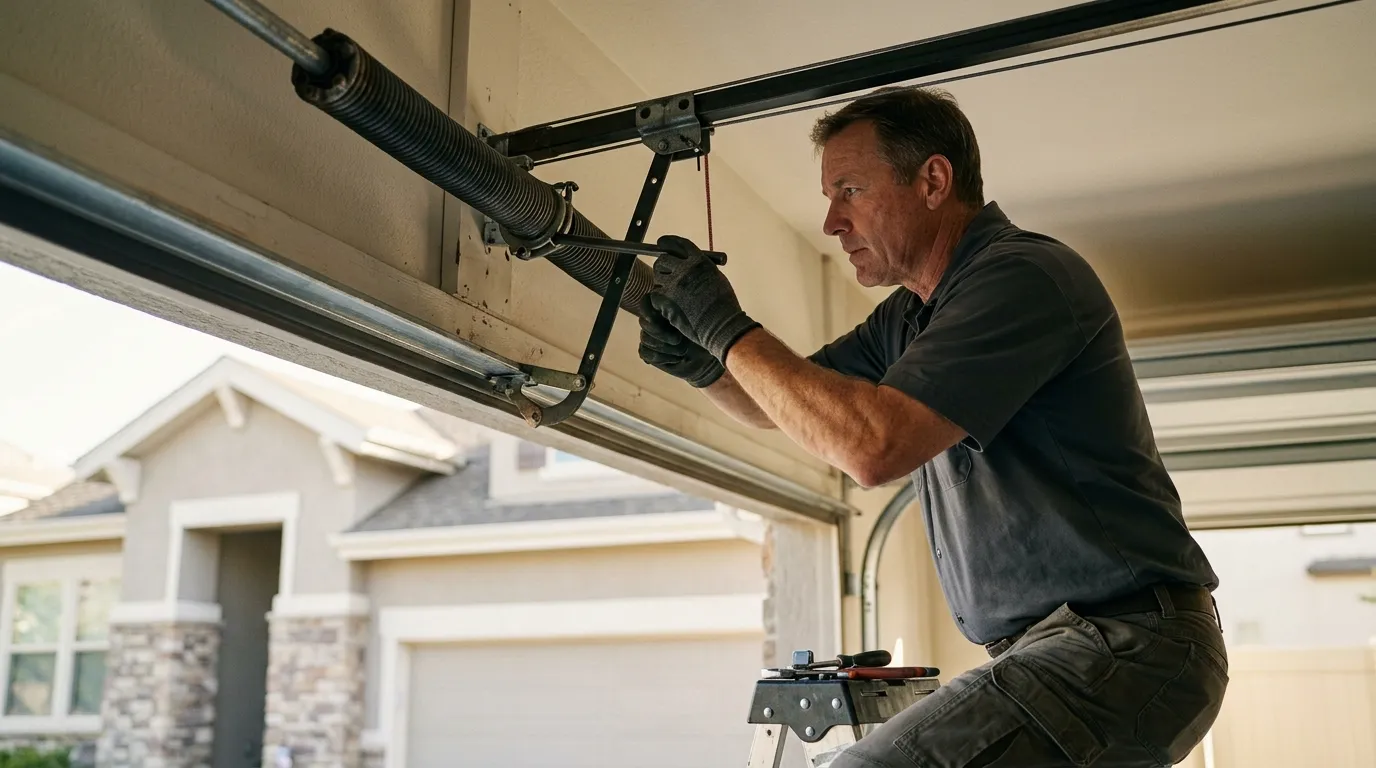
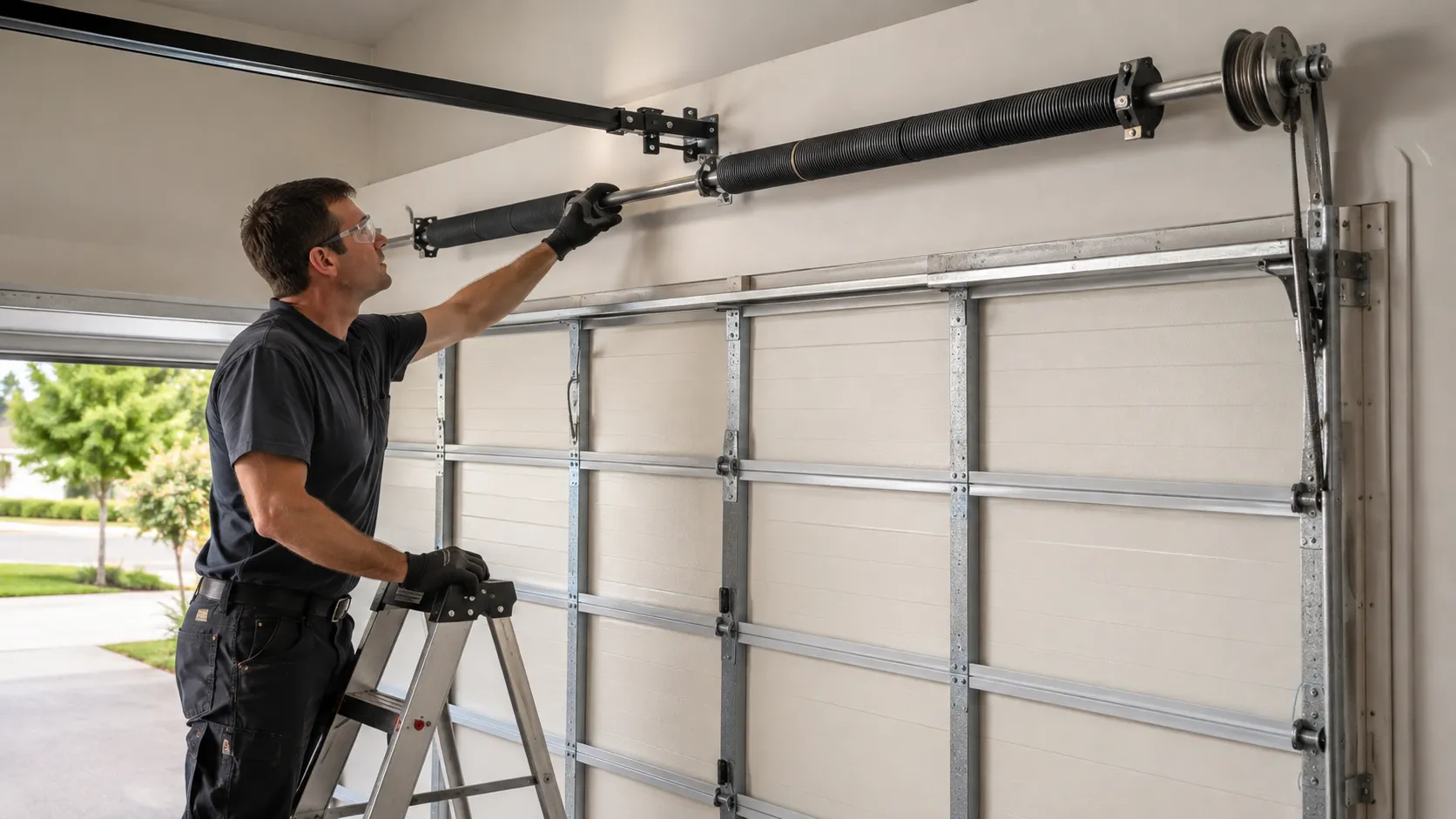
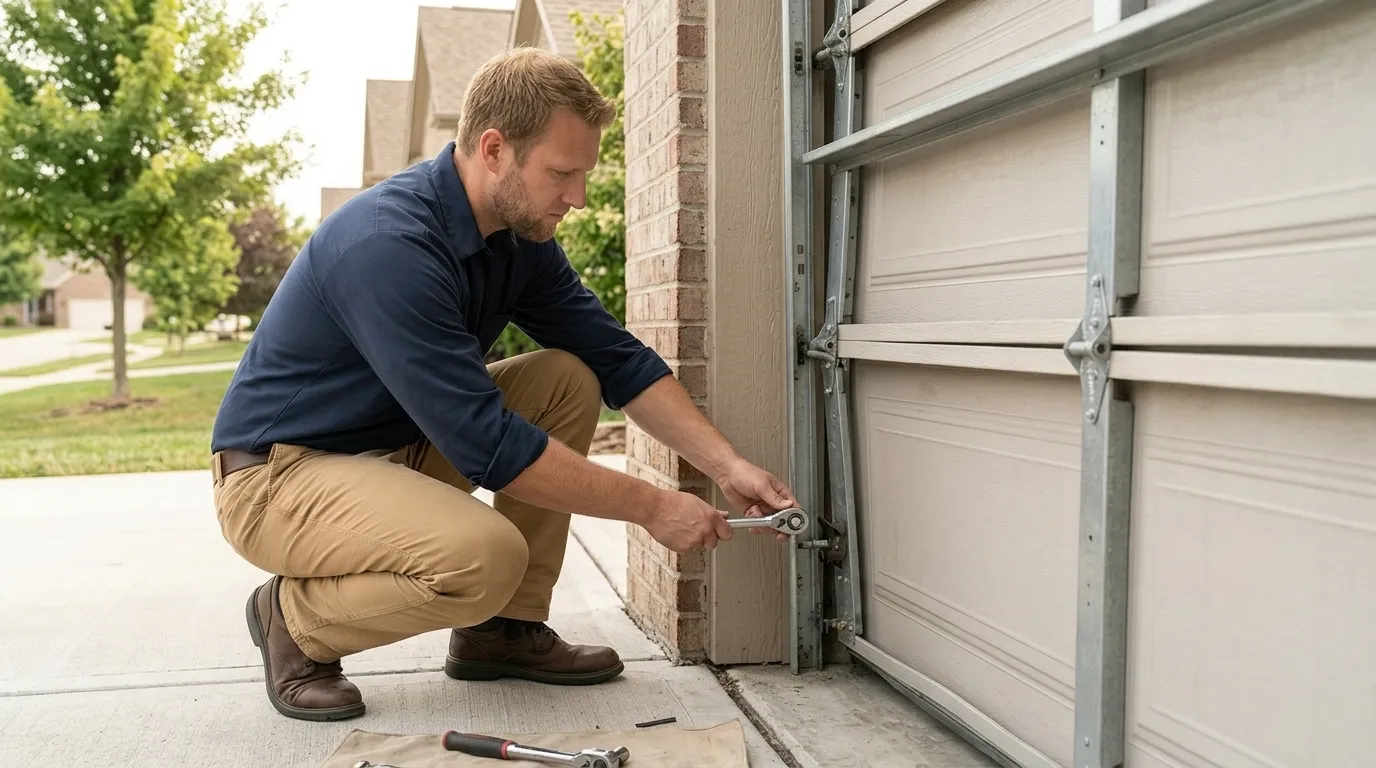
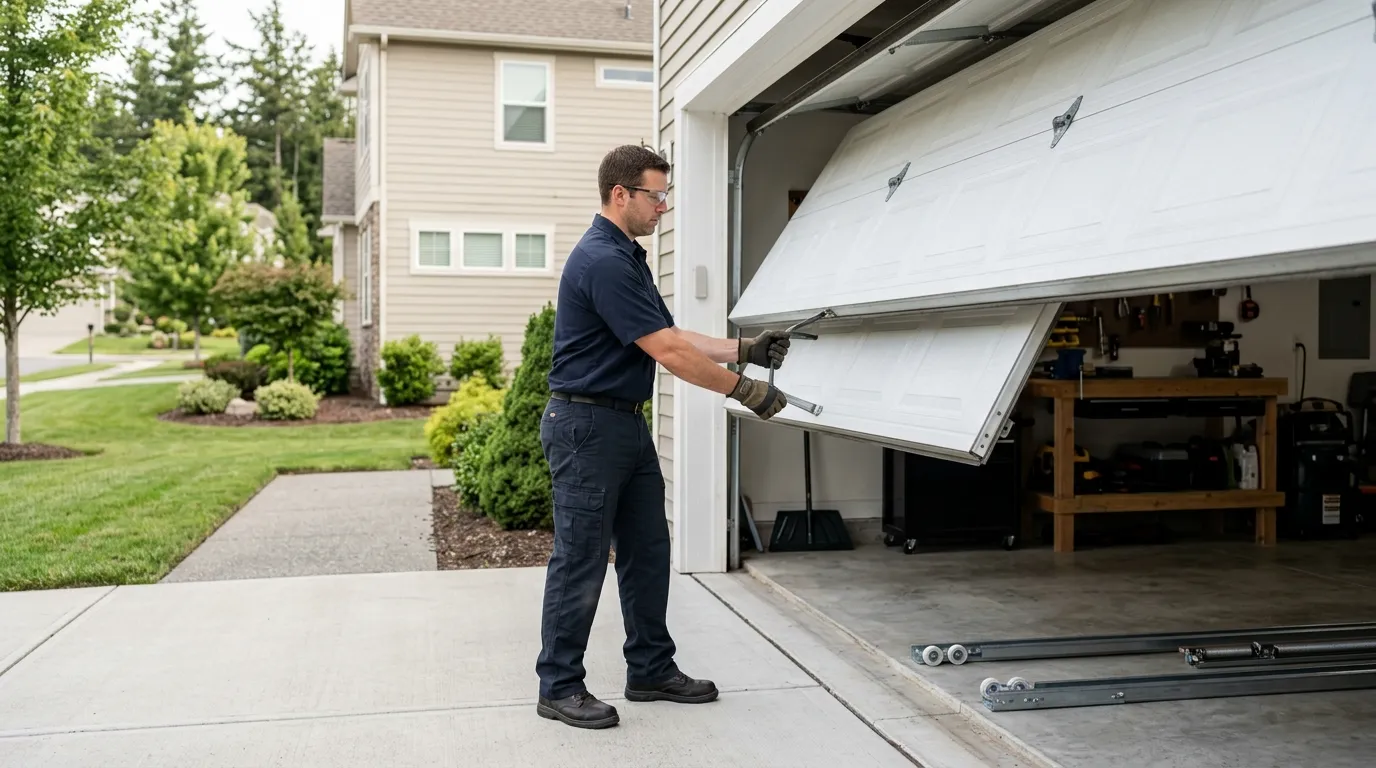
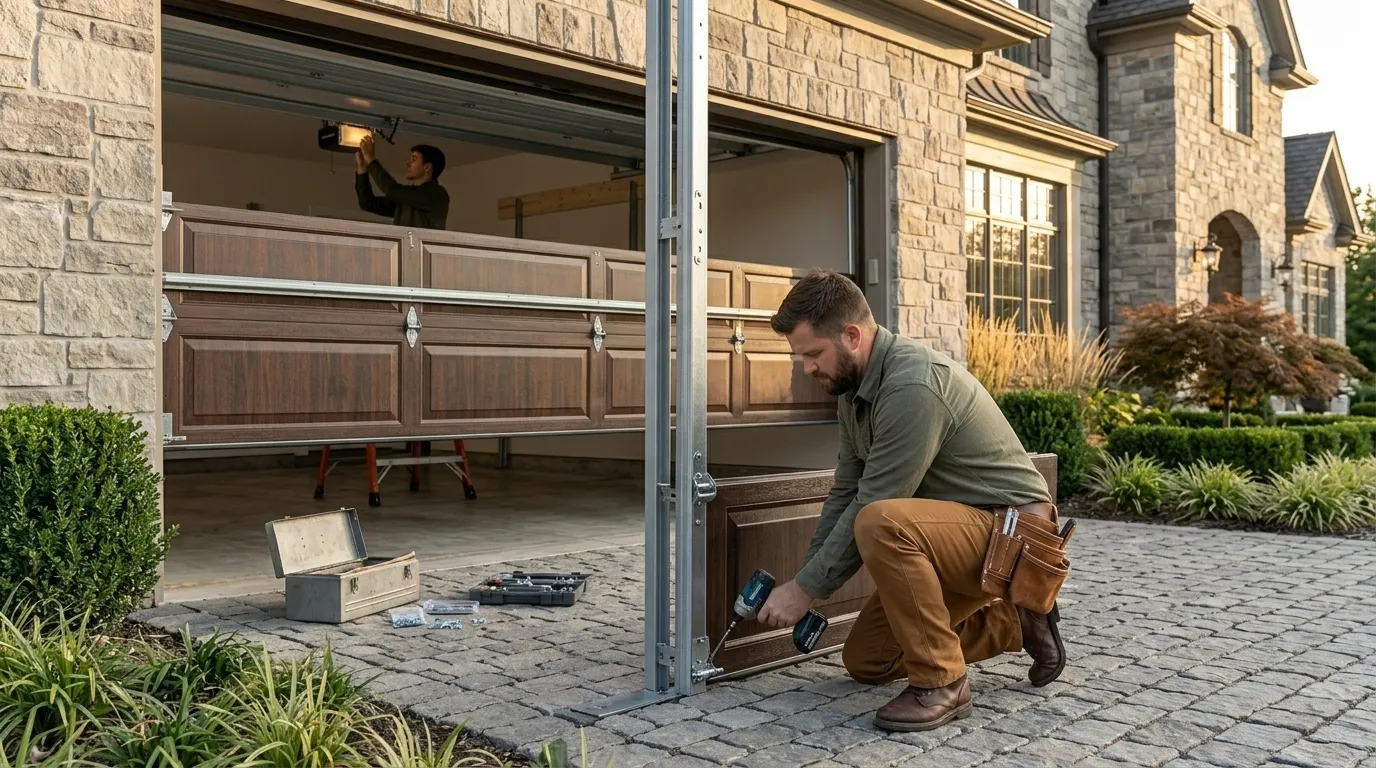
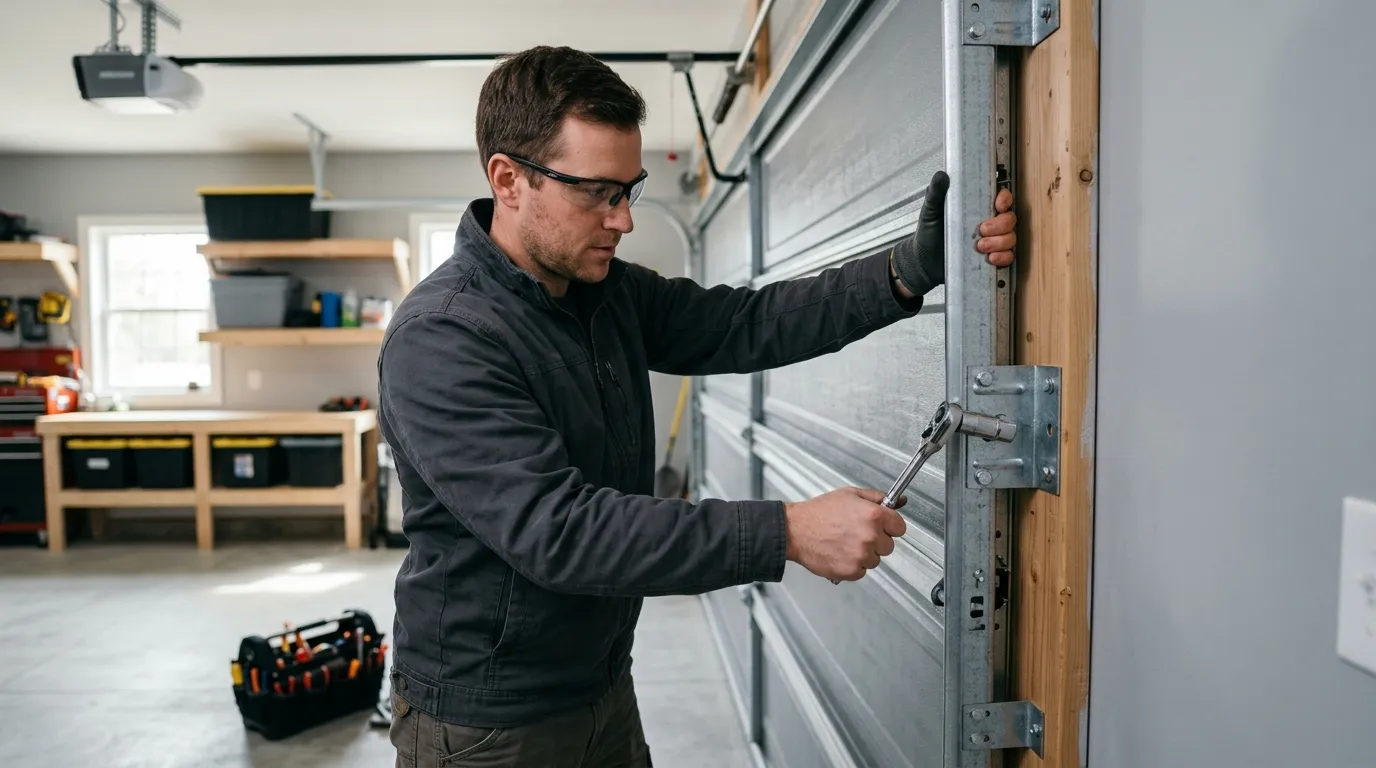
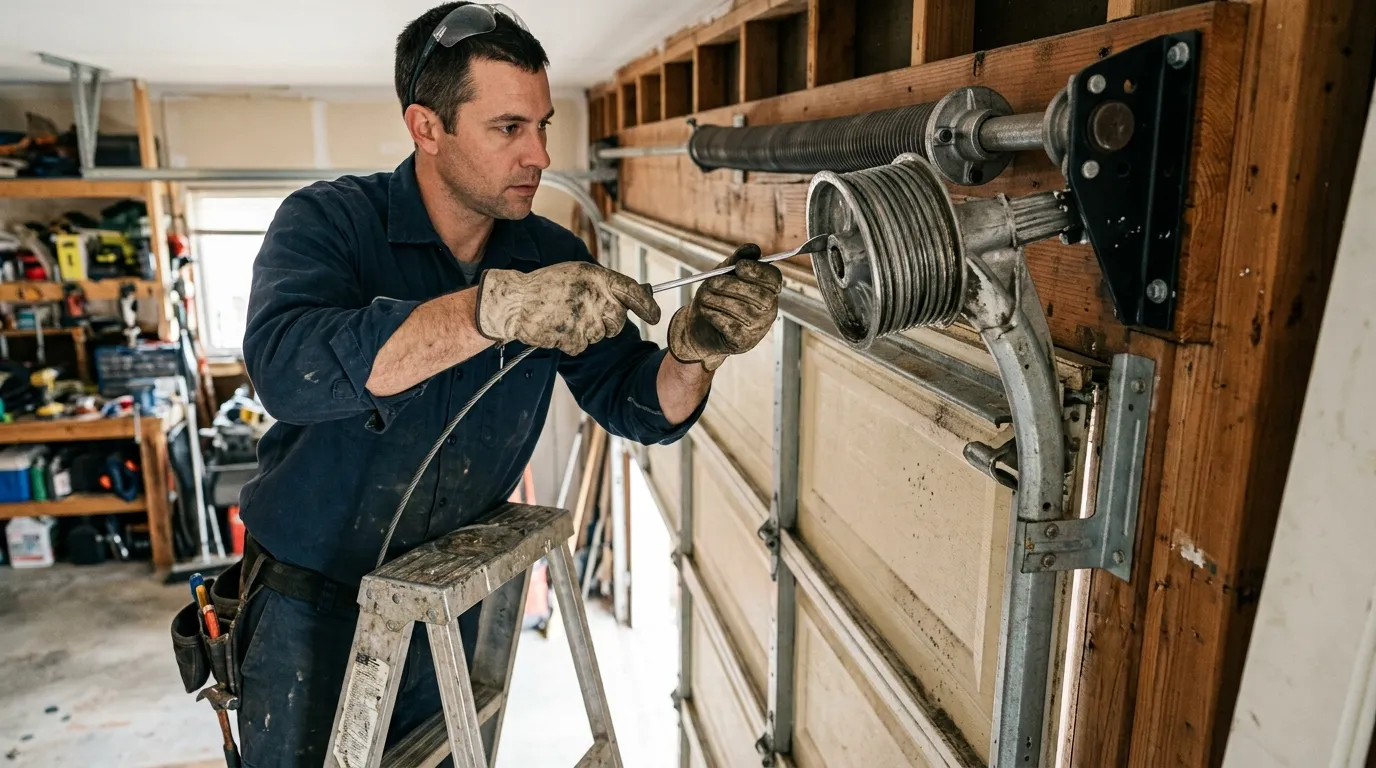
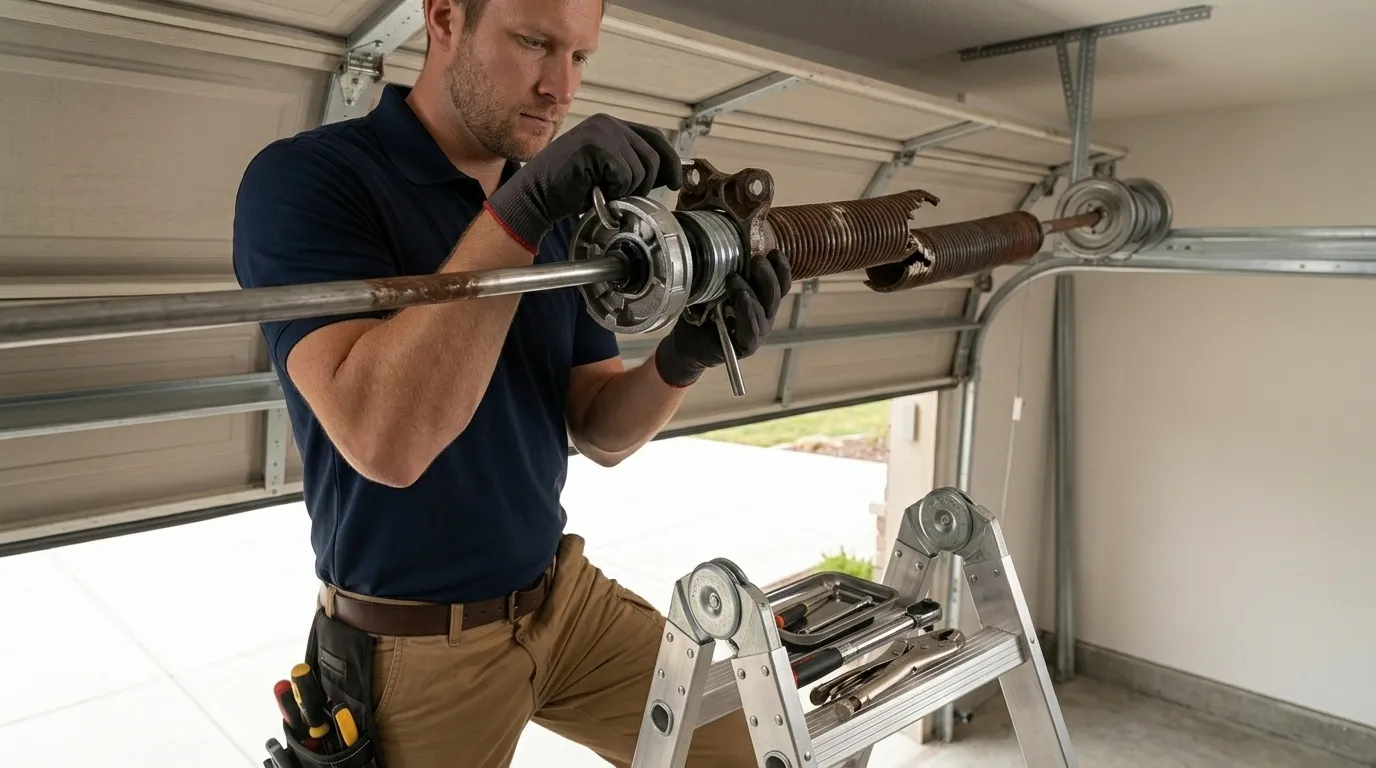
A spring repair is not a bolt-and-go job, even though it looks simple once the door is open. Torsion springs live on a bar above the door, under enough wind-up tension to break a hand if you get the winding cones wrong, so we set the door on jacks, unload the old spring in stages, and measure the wire size, coil diameter, and length against the door's actual weight - not a sticker on the wall. Most of the doors we see going up in the neighborhoods built from the 1970s through the late 1990s still run standard torsion hardware, and a lot of them have been re-sprung once already with a spring that was close enough rather than matched.
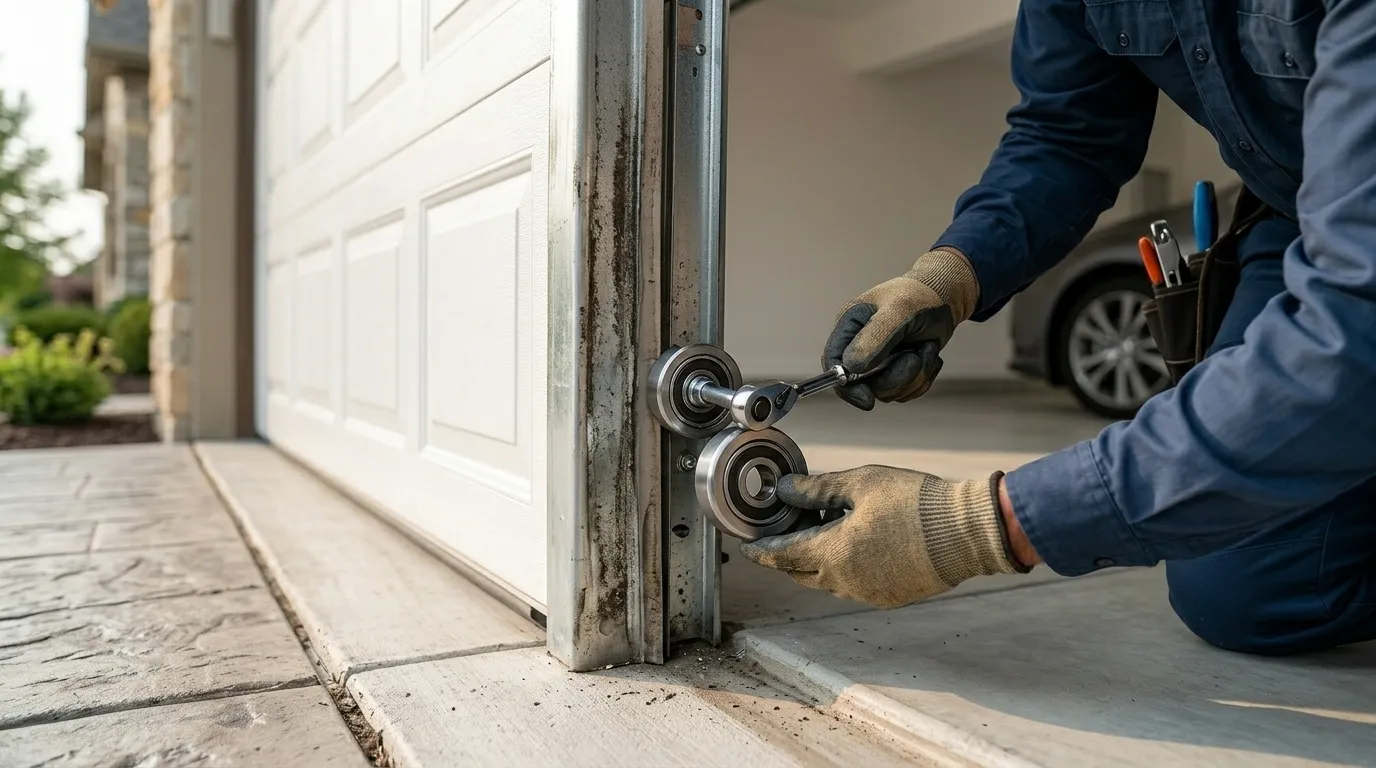
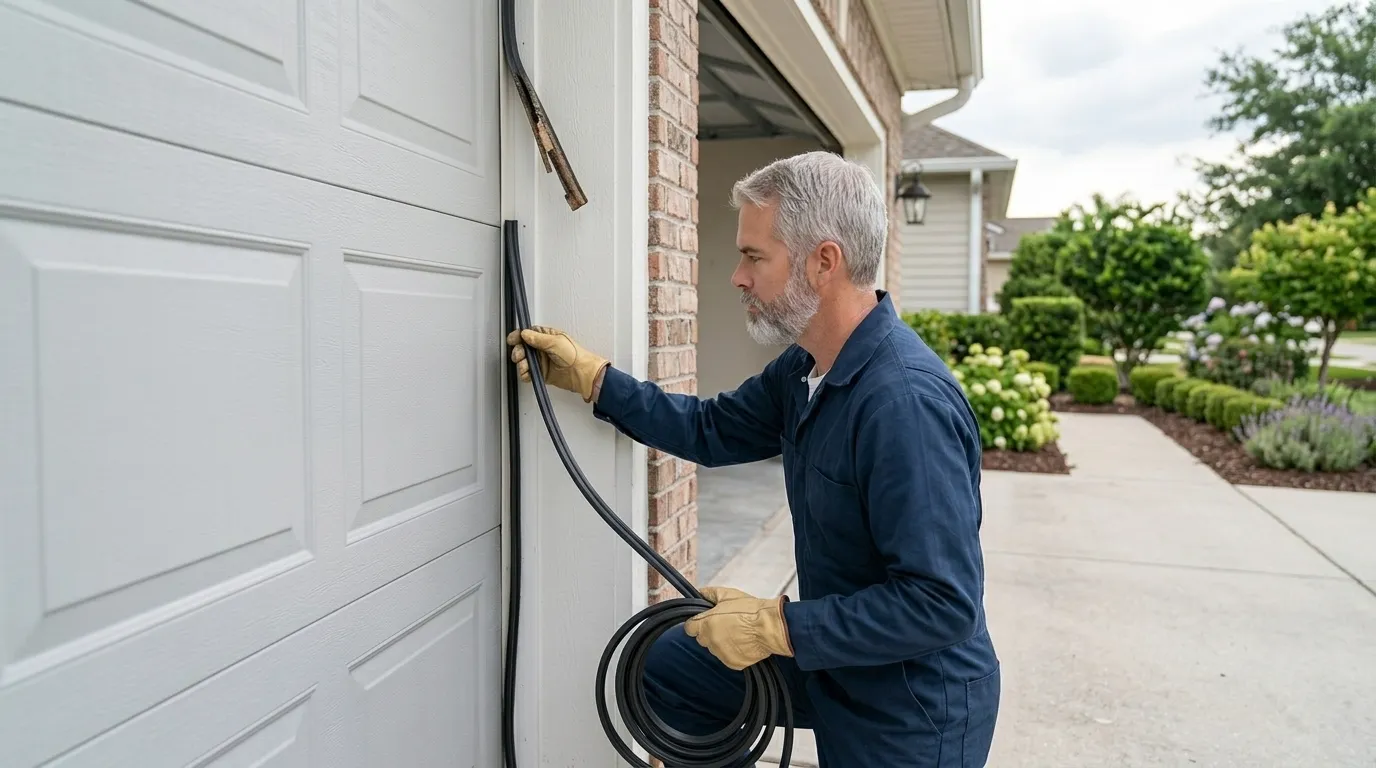
Extension springs, the kind stretched along the horizontal tracks on older setups, get replaced in pairs, not one at a time - a mismatched pair puts the door out of level and chews through rollers and cable fast. We also check the cable drums, the center bearing plate, and the bottom brackets while the door is unloaded, because a spring that let go under load often took something else with it.
One honest limit: if the drums or the torsion tube are bent or rusted through, that's not a spring fix anymore - that's a hardware replacement, and we'll tell you before we start, not after.
How Long It Takes
Most spring replacements on a single door run under two hours once we're on site, including the safety check on cables, rollers, and the opener's force settings afterward. Double doors with two springs, or doors where the drums or bearing plate also need swapping, run longer.
We don't stock every spring size on the truck for every door - some of the heavier commercial-grade or oversized residential springs used on wider doors in this area take a day or two to source. If that's your door, we'll tell you on the first visit rather than guess and leave you waiting on a promise we can't back.
What You Are Seeing
A broken spring almost always announces itself the same way: the door feels twice as heavy the moment the opener tries to lift it, or it won't lift past a foot or two before the opener strains and stalls. Sometimes it's a loud bang from the garage, usually when nobody's touched the door - that's the spring letting go on its own after years of wind-up and rust.
If only one spring on a double torsion system has broken, the door may still open on the opener but will hang crooked, one side higher than the other, and the remaining spring will fail soon after since it's now carrying the whole load. On extension-spring doors, a snapped spring often leaves a piece of cable or spring dangling along the track - do not reach in and pull it. Either way, the fix is the same: replace the springs as a set, don't run the door on the opener alone, and get the cables and rollers checked at the same time, since a break under tension is often hard on hardware near it.
What Causes It Around Here
Torsion springs are rated for a number of open-close cycles, and they wear out on a clock, not overnight - which is why age of the door and age of the house track together. Across the service area, most homes were built between 1972 and 2000, with the median around 1991, which puts a large share of garage doors here on original or first-replacement springs somewhere between twenty and fifty years of cycles deep. That's well past the point where fatigue failure is normal, not surprising.
The cold, moderate climate here also matters more than people expect. Steel spring wire contracts in winter cold and takes on moisture in the damp months between, and that combination speeds up the rust that eats into the wire coil from the inside, weakening it well before it looks bad from outside. A spring that would last another five years in a dry, mild climate can go early here for that reason alone. None of this is a Marysville-specific defect - it's what this housing age and this climate band do to steel wire, and it's why we replace in pairs and check the rest of the hardware every time, not just the part that broke.
How it works
From “it’s stuck” to “it’s fixed”
01
Tell us what’s wrong
Describe the symptom - won’t open, loud bang, opener runs but the door won’t move.
02
On-site diagnosis
A technician tests the door under power and by hand and finds what actually failed.
03
Clear, up-front plan
You get the fix that’s needed and what drives the cost - before any work starts.
04
Repaired & tested
The repair is done, the door is set true and tested, and the work area left clean.
Serving Marysville, WA - tell us what your door’s doing and we’ll take it from there.
Why did my garage door spring break with no warning?
Torsion and extension springs fail on a fatigue cycle, not a sudden defect - years of daily wind-up and release, made worse by rust in a cold, damp climate, weaken the wire from the inside until it snaps. Given that a large share of the area's housing dates to the 1972-2000 era, many springs out there are well past a reasonable service life.
Should I replace one spring or both?
If your door runs on two torsion springs, replace both, even if only one broke. The surviving spring has already carried extra load and is close to its own fatigue point; running the door on a mismatched pair puts it out of level and wears the rollers, cables, and opener faster.
Can I drive the door on the opener until the spring gets fixed?
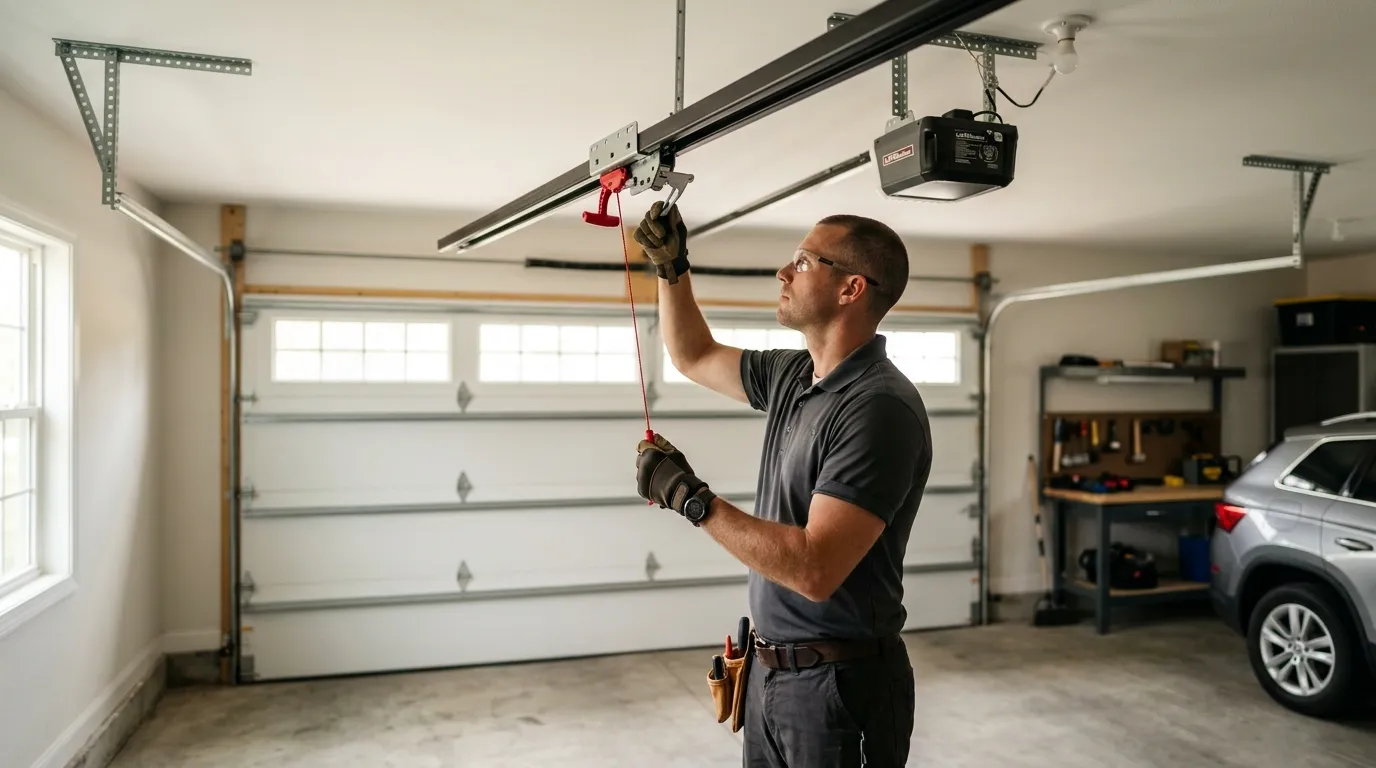
No. Without the spring balancing the weight, the opener is lifting the full weight of the door on its gears and drive mechanism, which it isn't built for. It can strip the gears or snap the drive cable, turning a spring repair into an opener and cable repair too.
How fast can you get to a broken spring?
We don't have a stated response window to quote you here, but most single-door spring jobs are a same-visit fix once the correct spring is on the truck. If your door needs a less common spring size, we'll tell you upfront if it needs to be sourced first.
Ready to get your garage door sorted?
Tell us what it’s doing and where you are in Marysville - we’ll take it from there.