What the Repair Takes
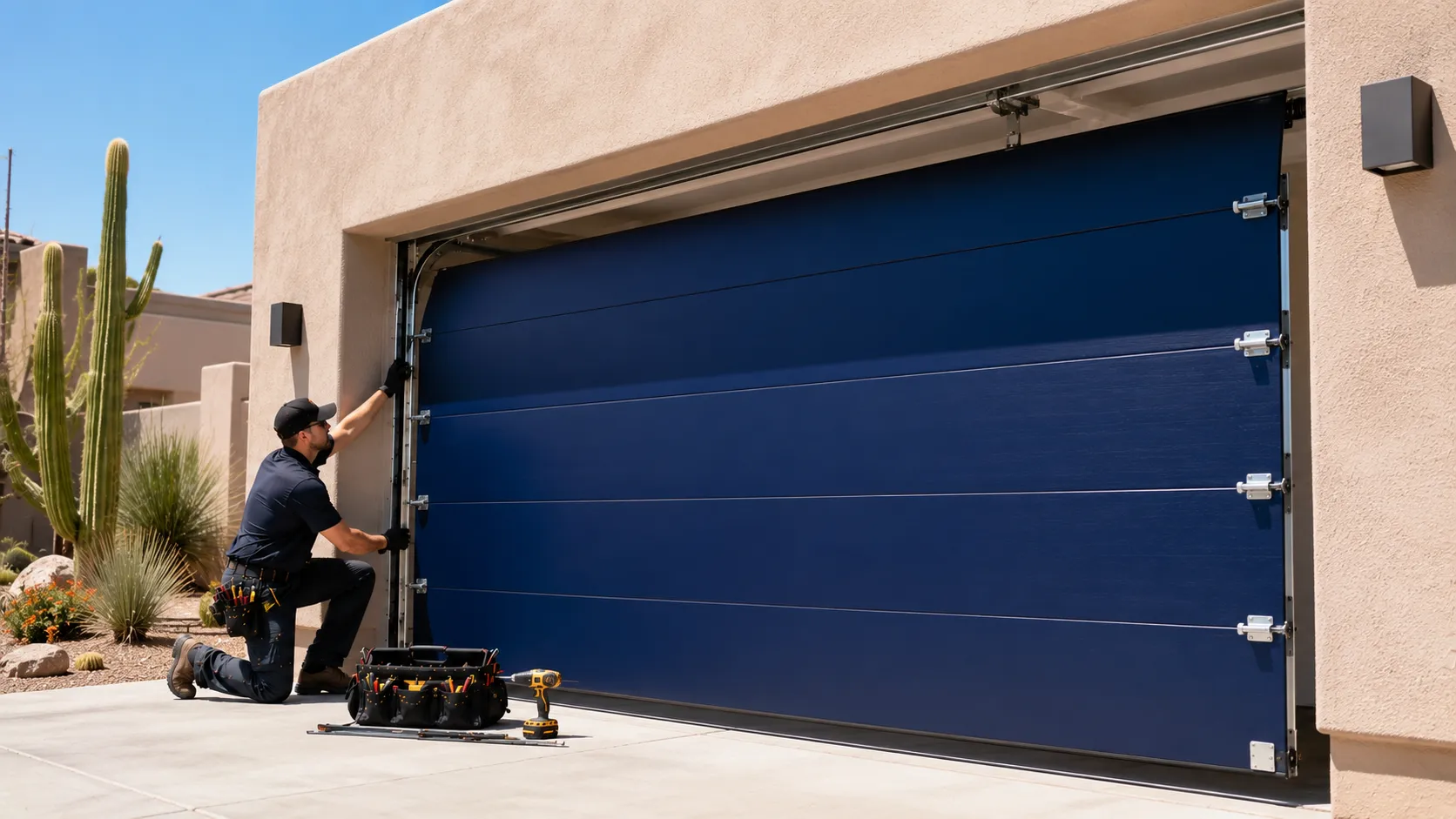
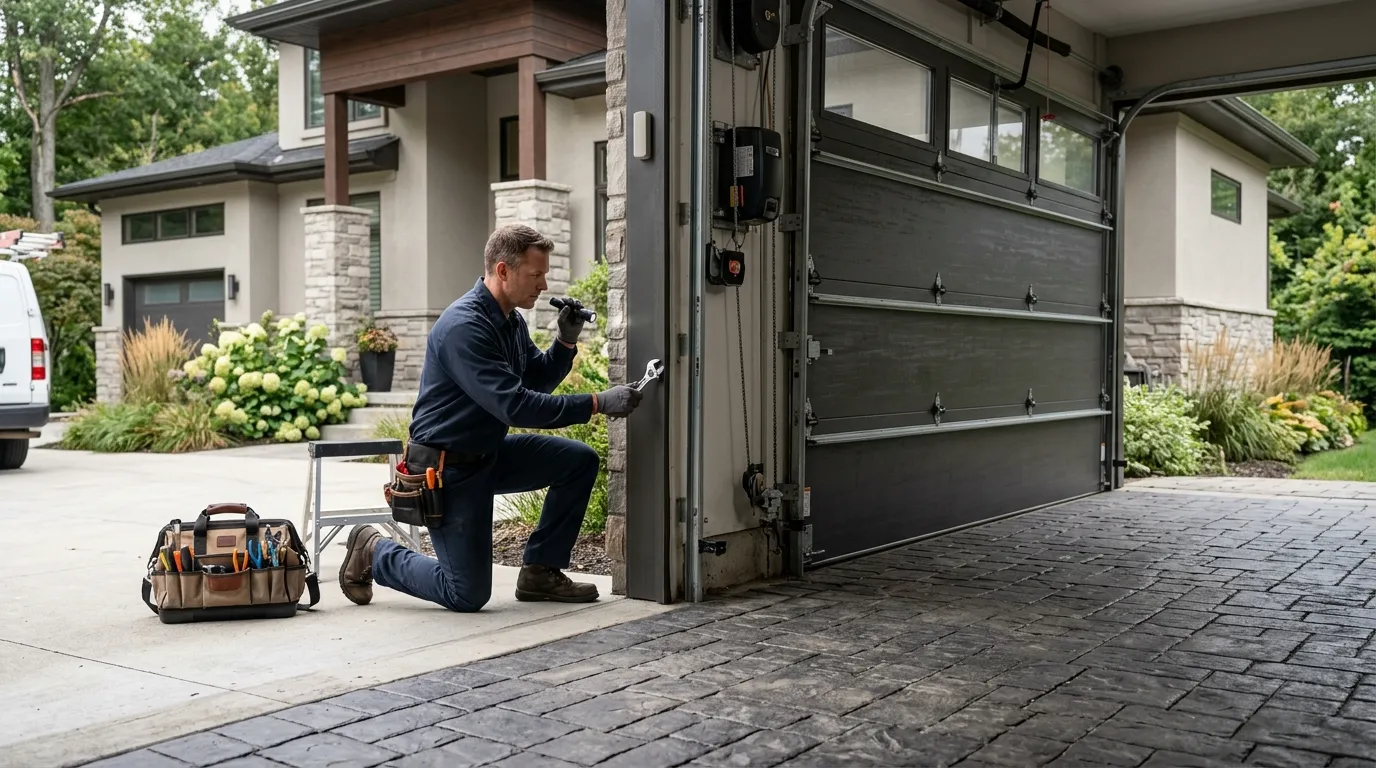
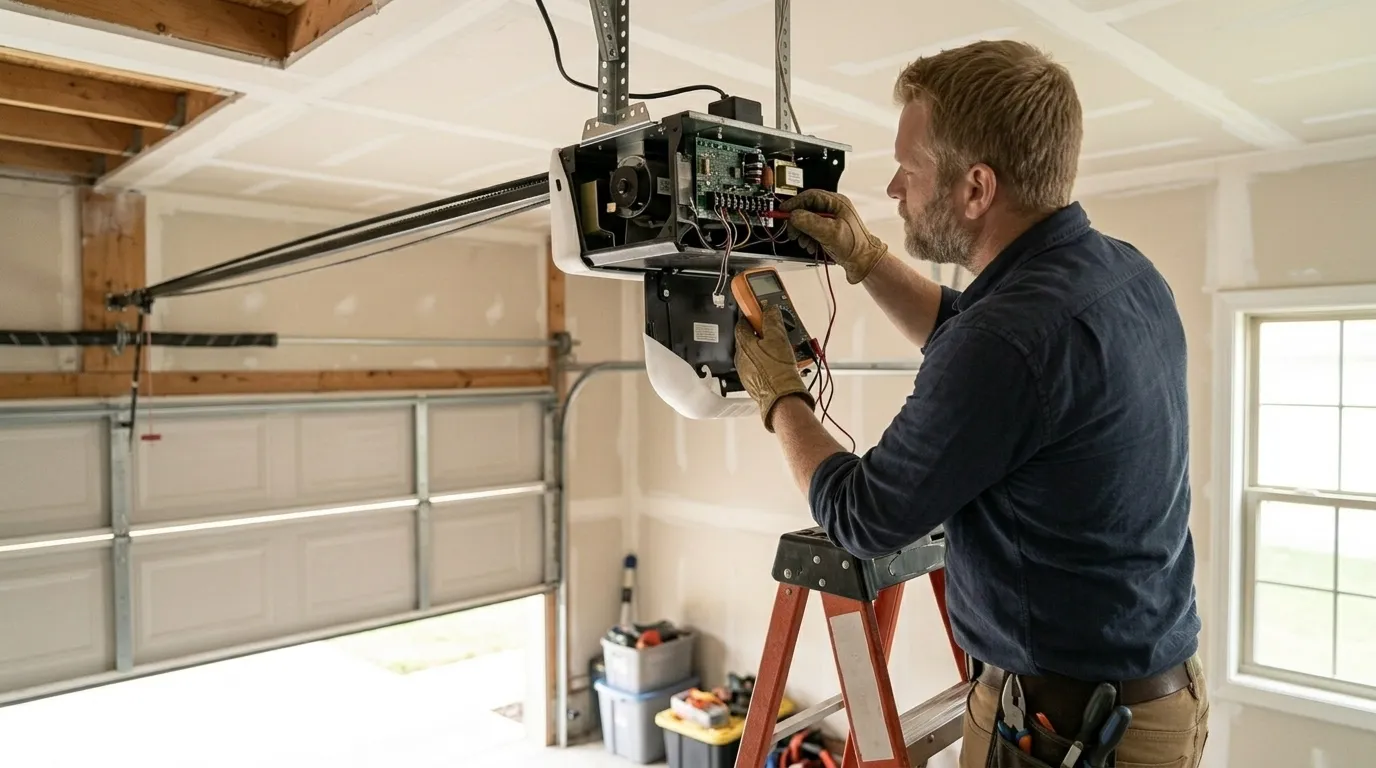
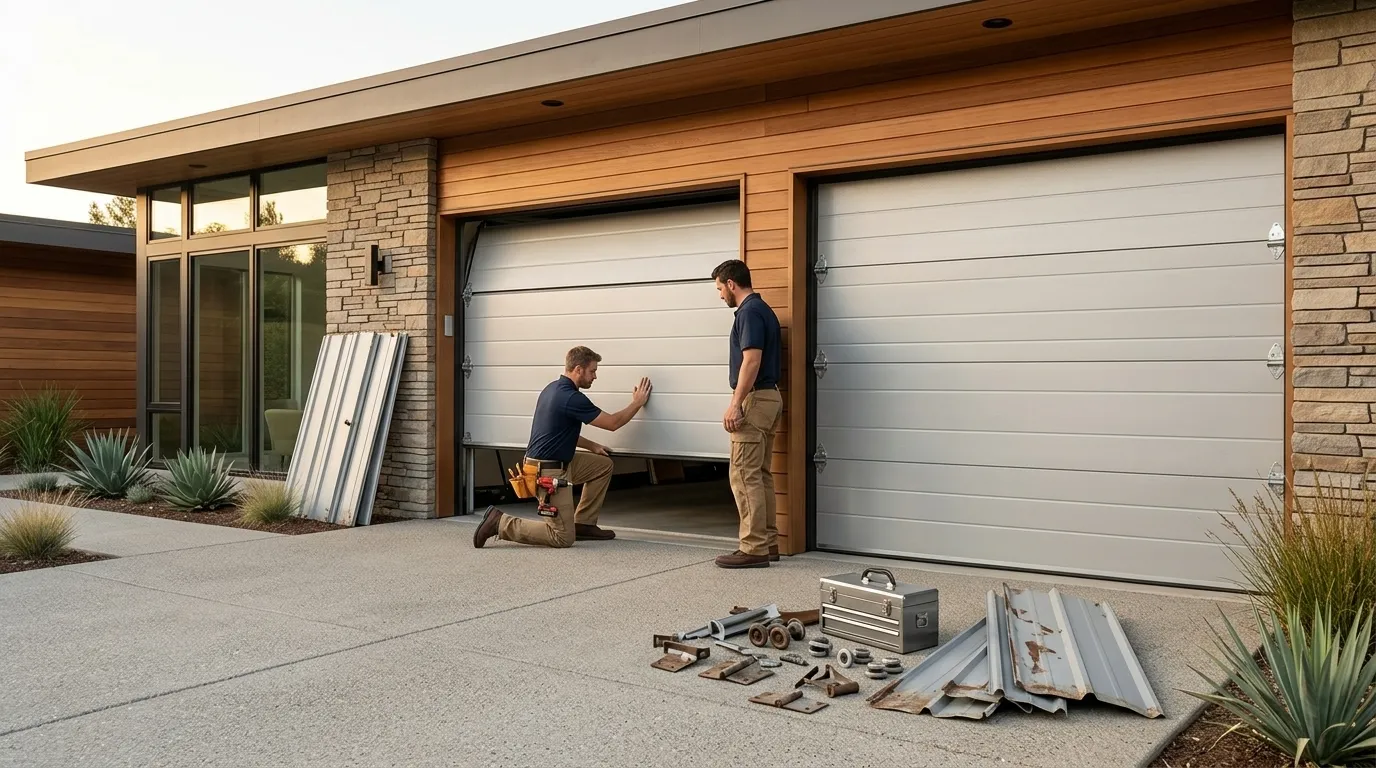
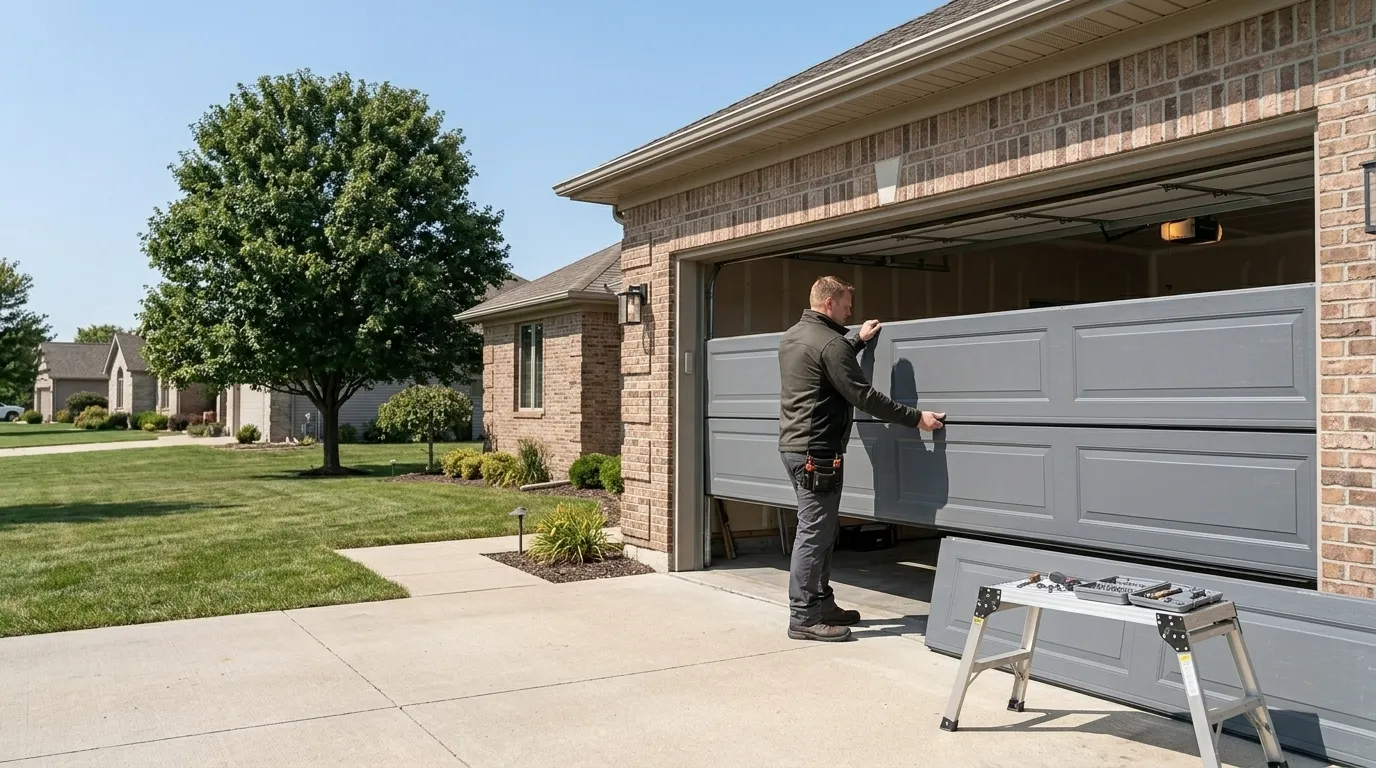
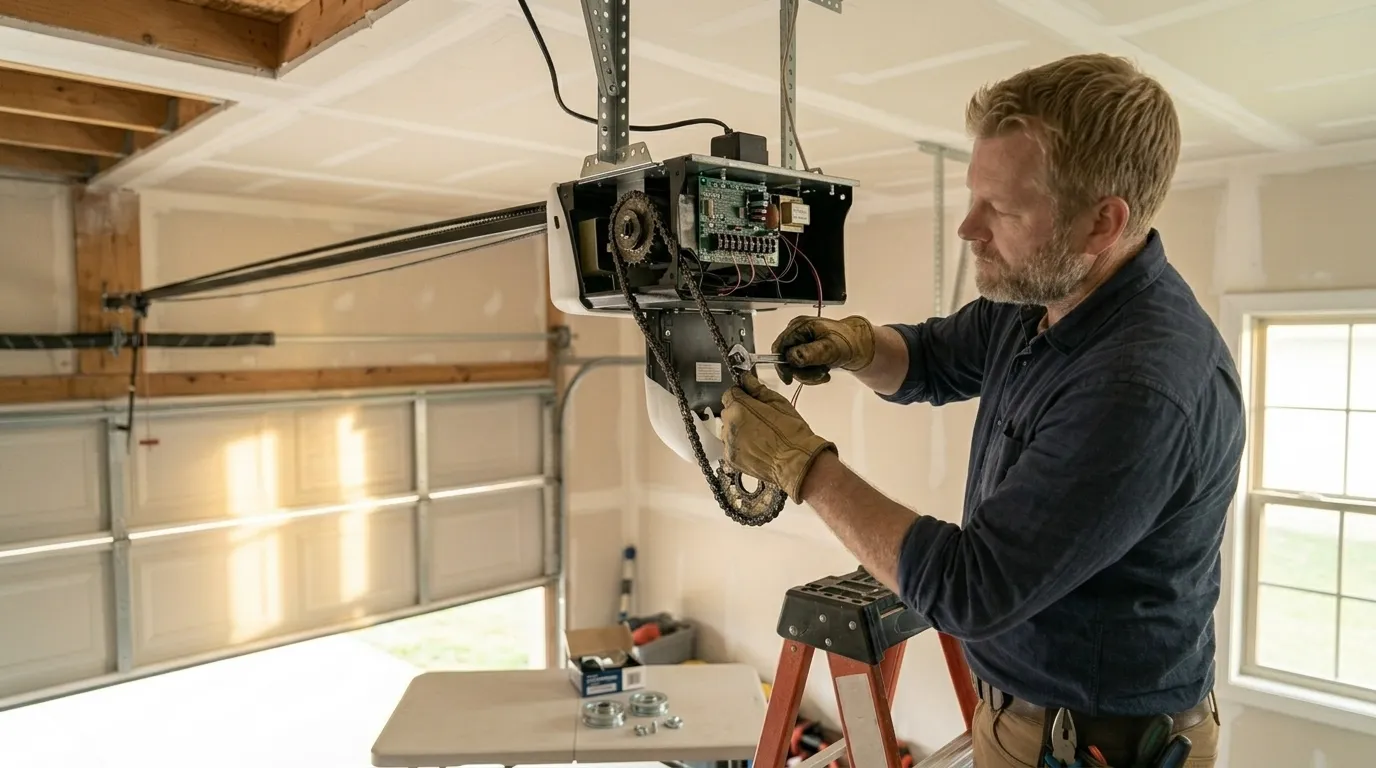
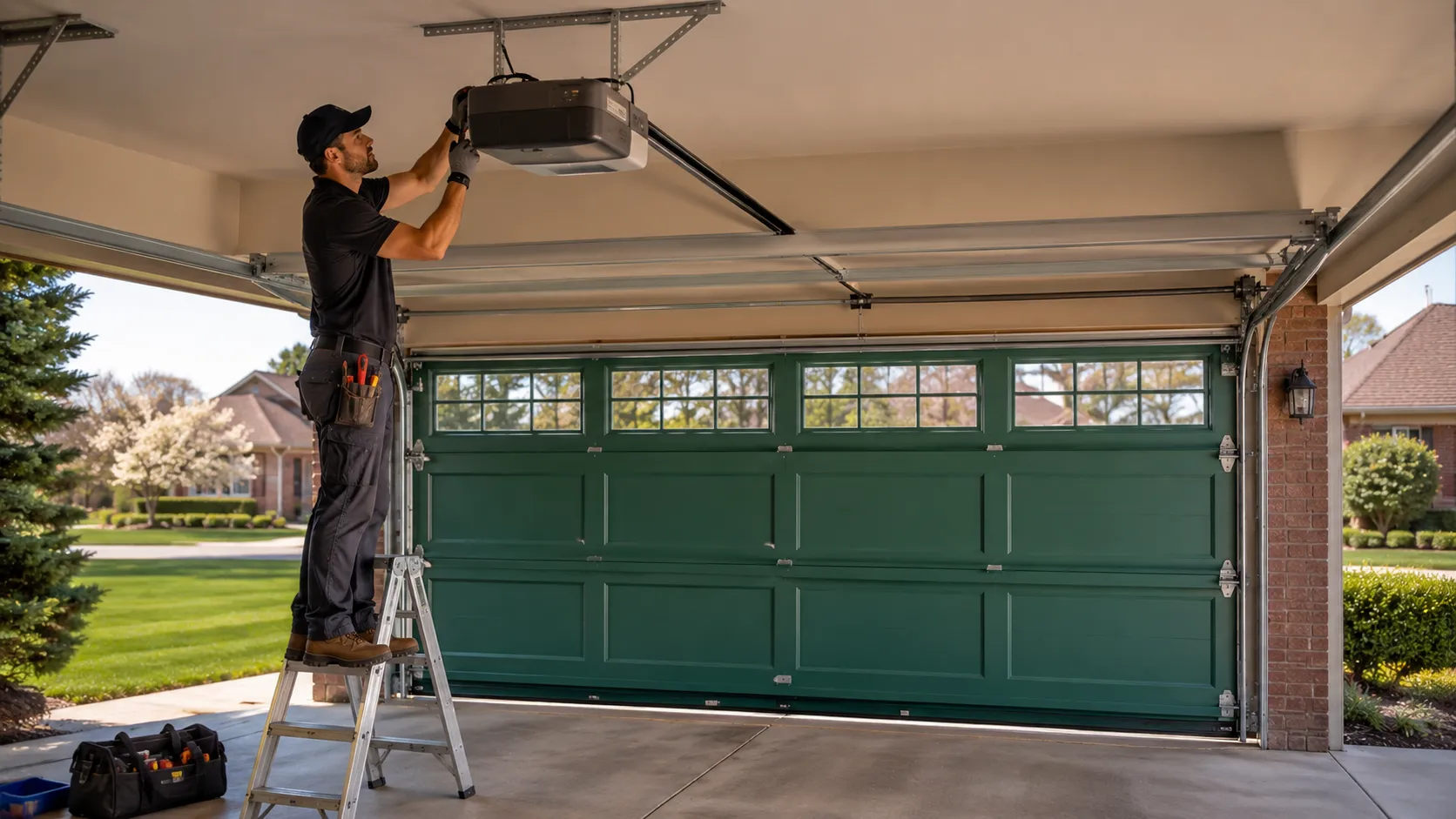
On a house from the 1990s building stock, the work is usually one of three things: a torsion spring that's finally given out after years of cold-season cycling, a cable that's frayed off the drum, or an opener whose logic board or drive gear has quit. Doors from this era are almost always torsion-spring setups mounted overhead rather than the older side-mounted extension springs you'd find in an earlier tract, which is a safer, more standard repair to begin with. We bring spring sets sized for the common door weights and widths from this build period, along with standard opener parts. What slows a job down isn't the door - it's finding out mid-repair that a track has warped or a panel's rusted through at the bottom, which happens more in this climate band than people expect, even on newer construction. When that shows up, we'll walk you through whether it's worth fixing the piece or whether the door's at the point where replacement is the better use of your money.
Booking a Visit
There's no branch out here - we dispatch from Marysville, about 15 miles from Silver Firs, and that drive is built into the visit window we give you. It's not a same-block response the way it might be for a street closer to the shop, so when you call, tell us exactly what the door's doing: won't open, opener runs but the door doesn't move, spring visibly snapped, door off the track. That lets us load the right spring size and opener parts before we leave rather than diagnosing from scratch once we're in your driveway, which shaves real time off the job given the drive we've already got ahead of us.
How Long It Takes
Because the door sizes and opener models out here are common for the era - nothing custom-fabricated, nothing needing a special order - most spring and cable jobs run inside a couple hours once we're on site, drive time aside. An opener replacement takes longer if the old unit is hardwired oddly or the rail's a nonstandard length, but that's the exception on houses built to late-80s and 90s standards, not the rule. The one thing that stretches a job past that window is a warped track or a door panel that's rusted or dented badly enough that the whole section needs replacing rather than repairing - at that point we're not doing a repair anymore, we're doing a partial door swap, and that's a different timeline and a different conversation.
Can You Do This Yourself
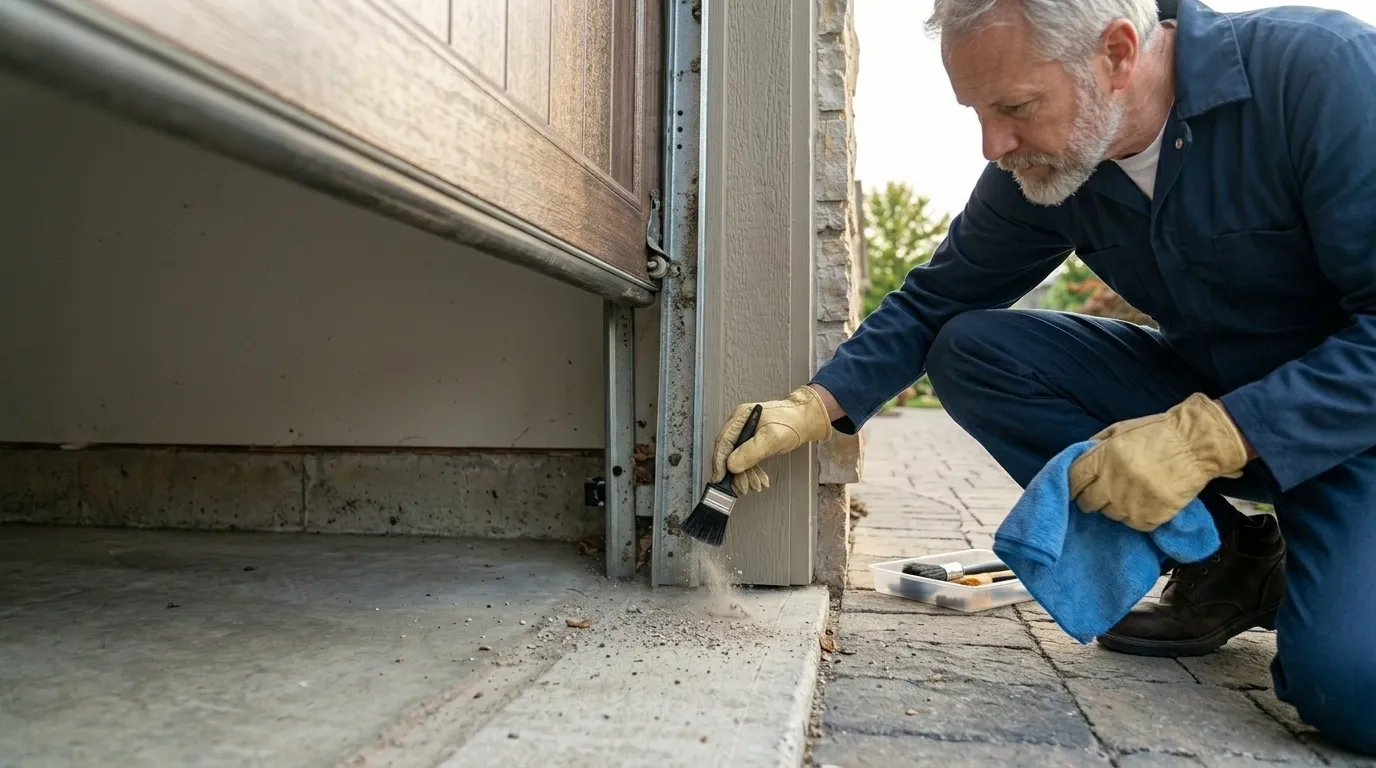
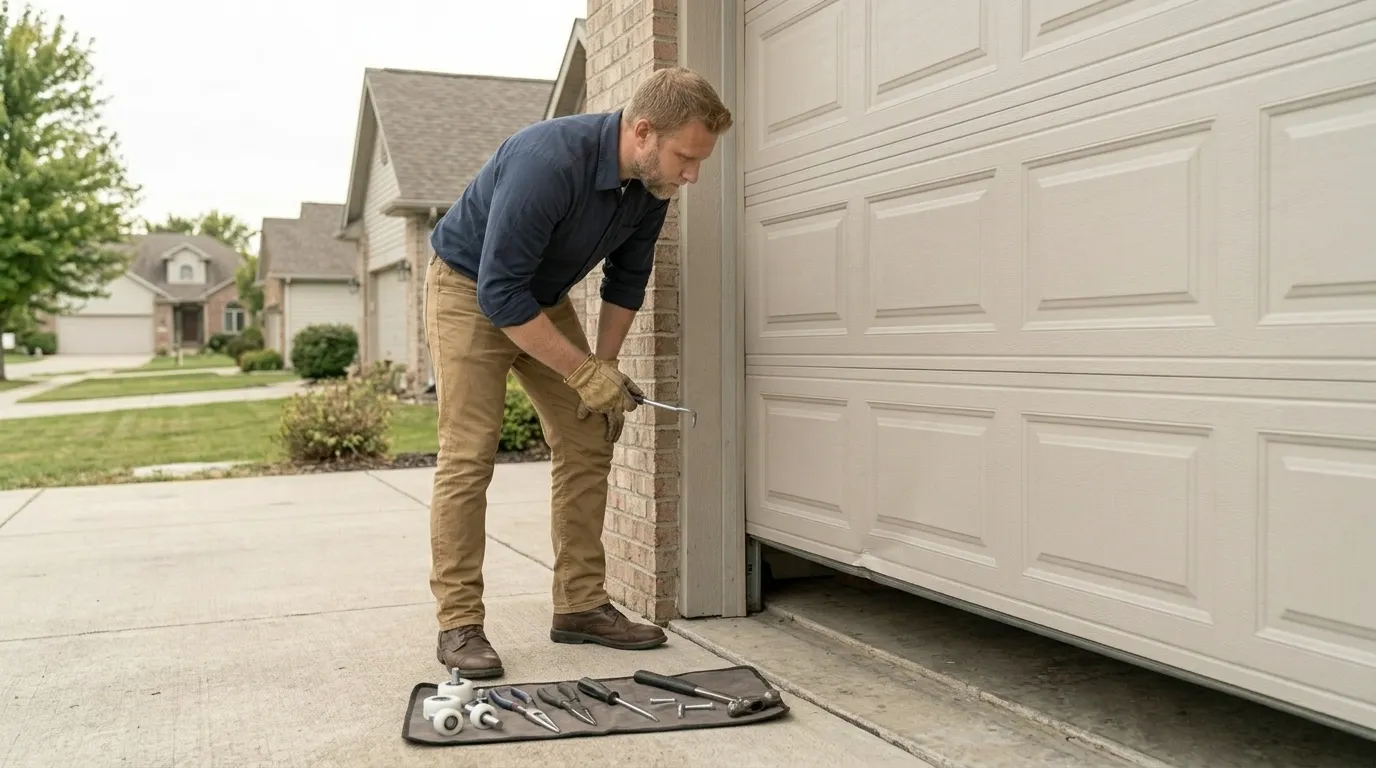
Rollers, weatherstripping, and tightening loose hardware - fine, do it yourself, it's not dangerous and it'll save you a call. A torsion spring is a different matter. It's wound under enough tension to break bones or worse if it's released wrong, and that's true whether the door is brand new or original to a 1990s build. If the spring's broken, the cable's off the drum, or the door's come off the track, that's a call, not a project. We'll also say plainly: if your opener is original to the house and it's the logic board that's failed rather than a simple sensor or wiring issue, replacing the whole unit is usually more sensible than chasing a board repair for a unit pushing three decades old.