The Complications
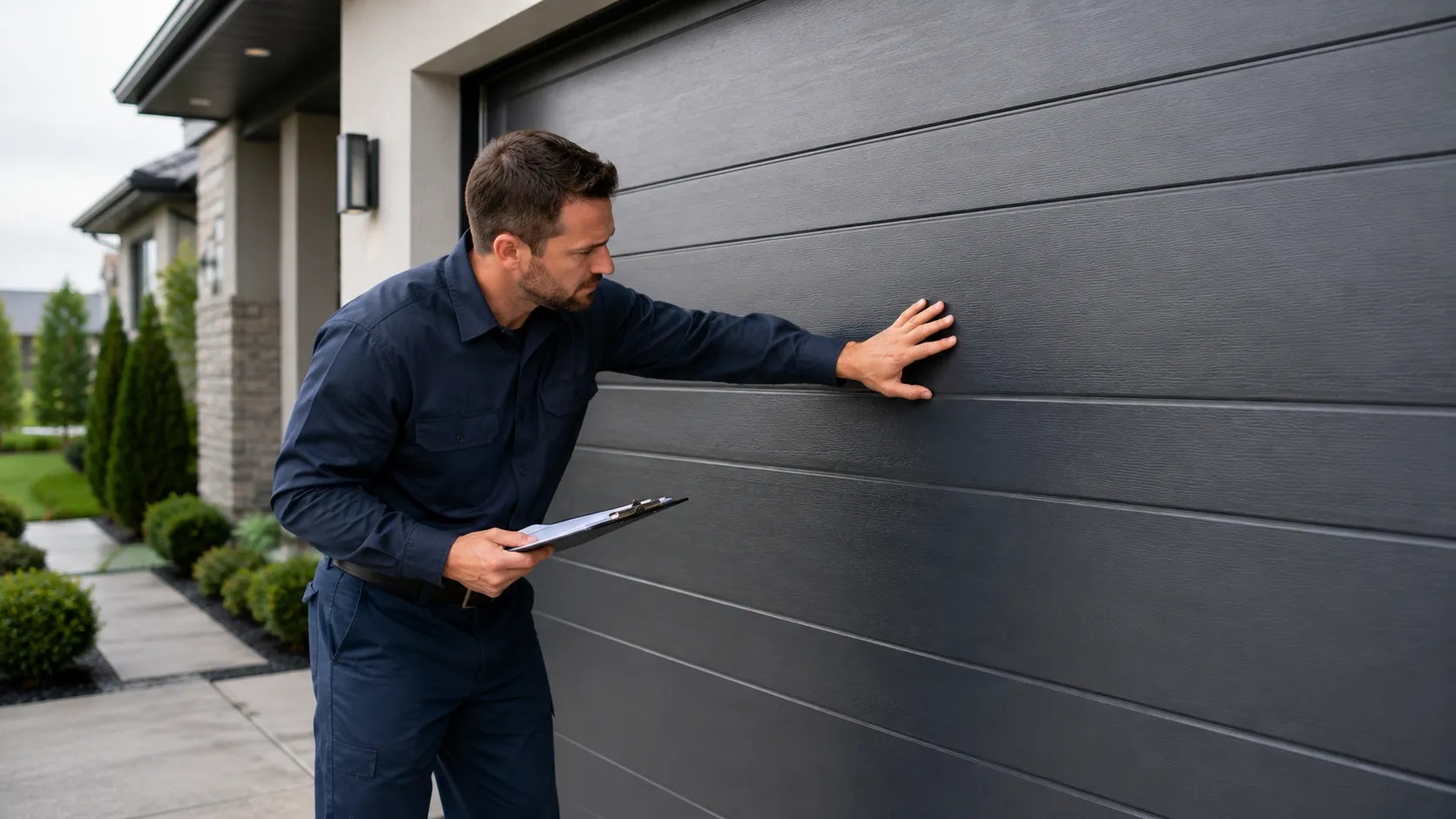
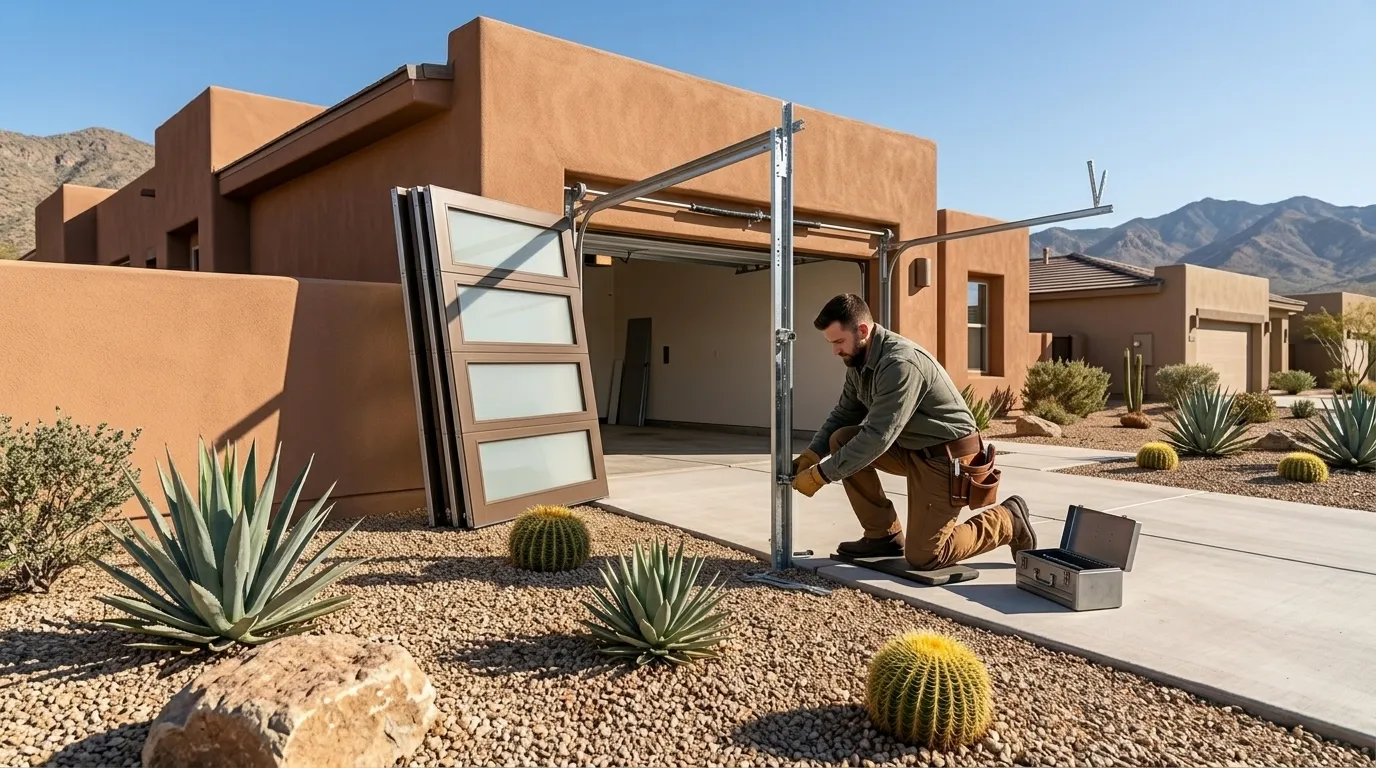
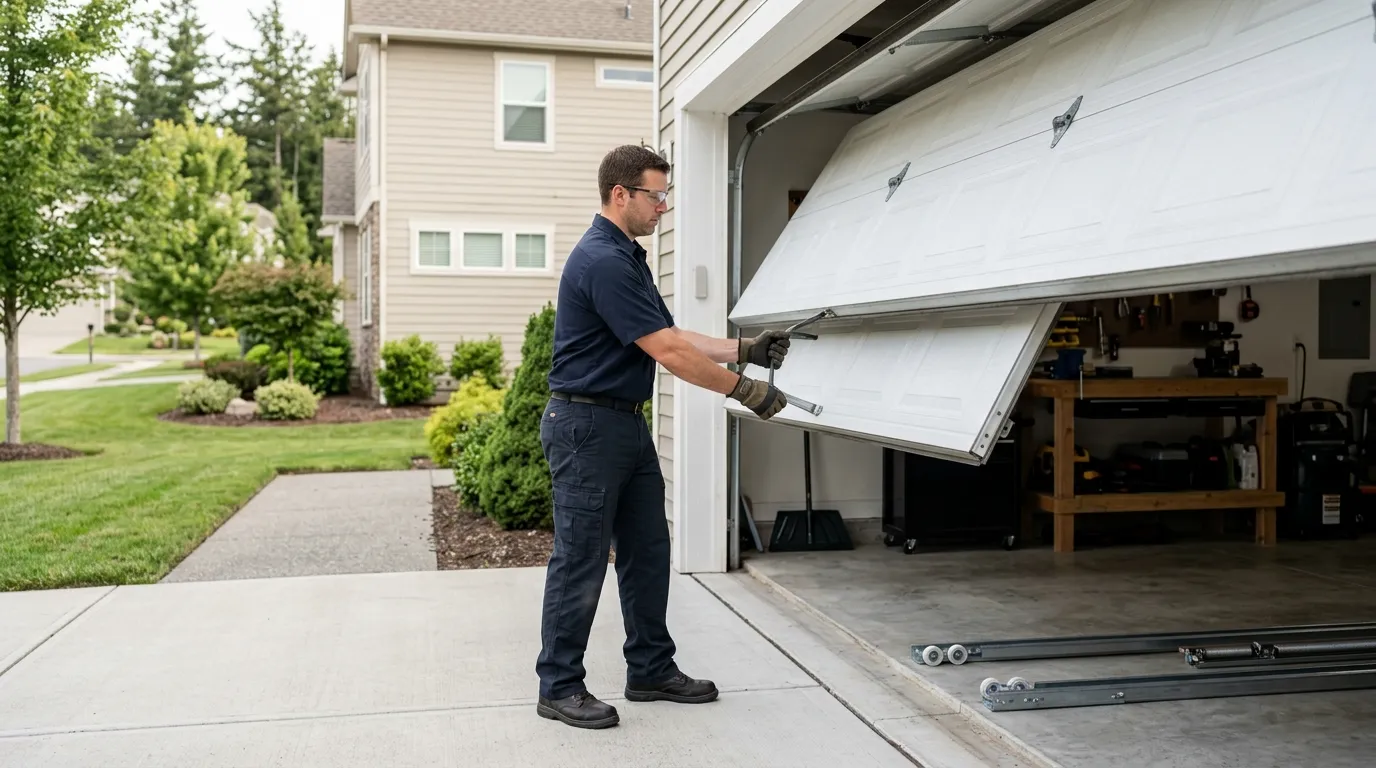
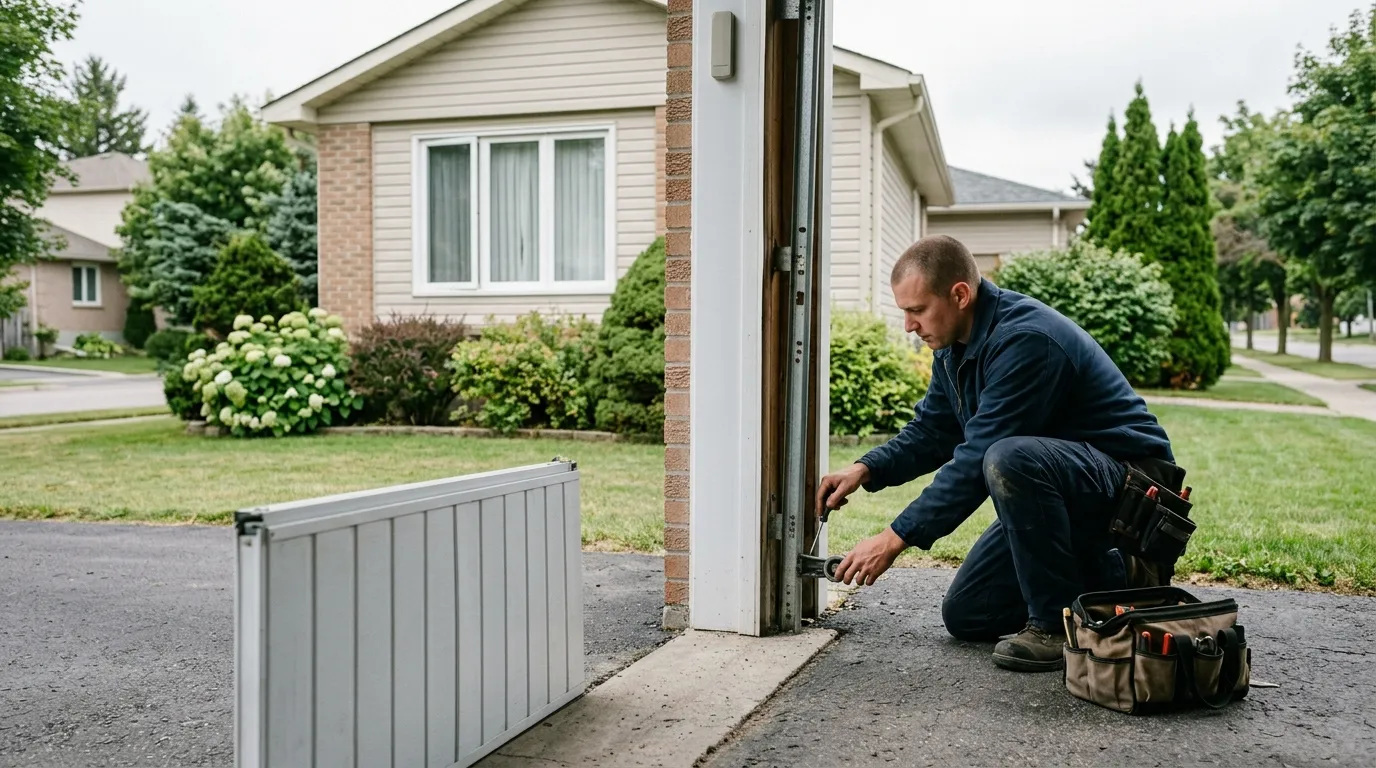
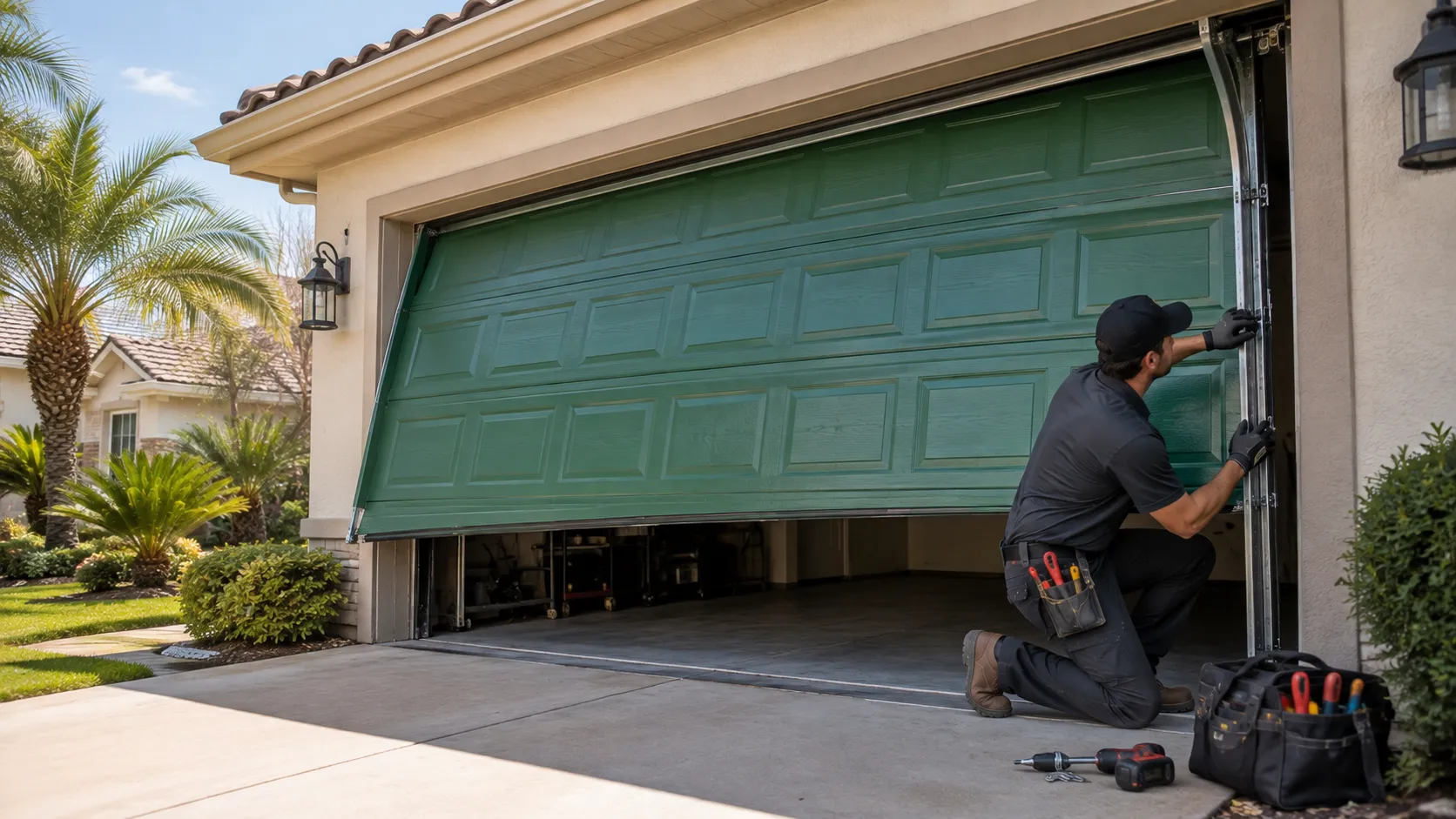
A single dented or rusted panel on a door built around 1990 is rarely a simple swap. Sections from that period were built to dimensions and hinge spacing that later manufacturers changed, so an exact color and rib-pattern match isn't guaranteed even from the same brand's current catalog. We've found that steel panels bow or dent from impact more than they crack, which is good news structurally but means the replacement section has to align perfectly with the surviving track and rollers or you end up with a door that walks off-center. Add in this area's household income profile - Mukilteo runs higher than much of the wider service area at a median around $122,612 - and we see more owners asking for a full matched-panel replacement rather than a patch, since they'd rather pay once for a clean result. Insulated doors from that generation also complicate things: if the foam core has degraded, a single new panel next to three old ones can look and perform differently. We'll always tell you when a single-panel fix is cosmetic-only and when it actually restores structural integrity.
Can You Do This Yourself
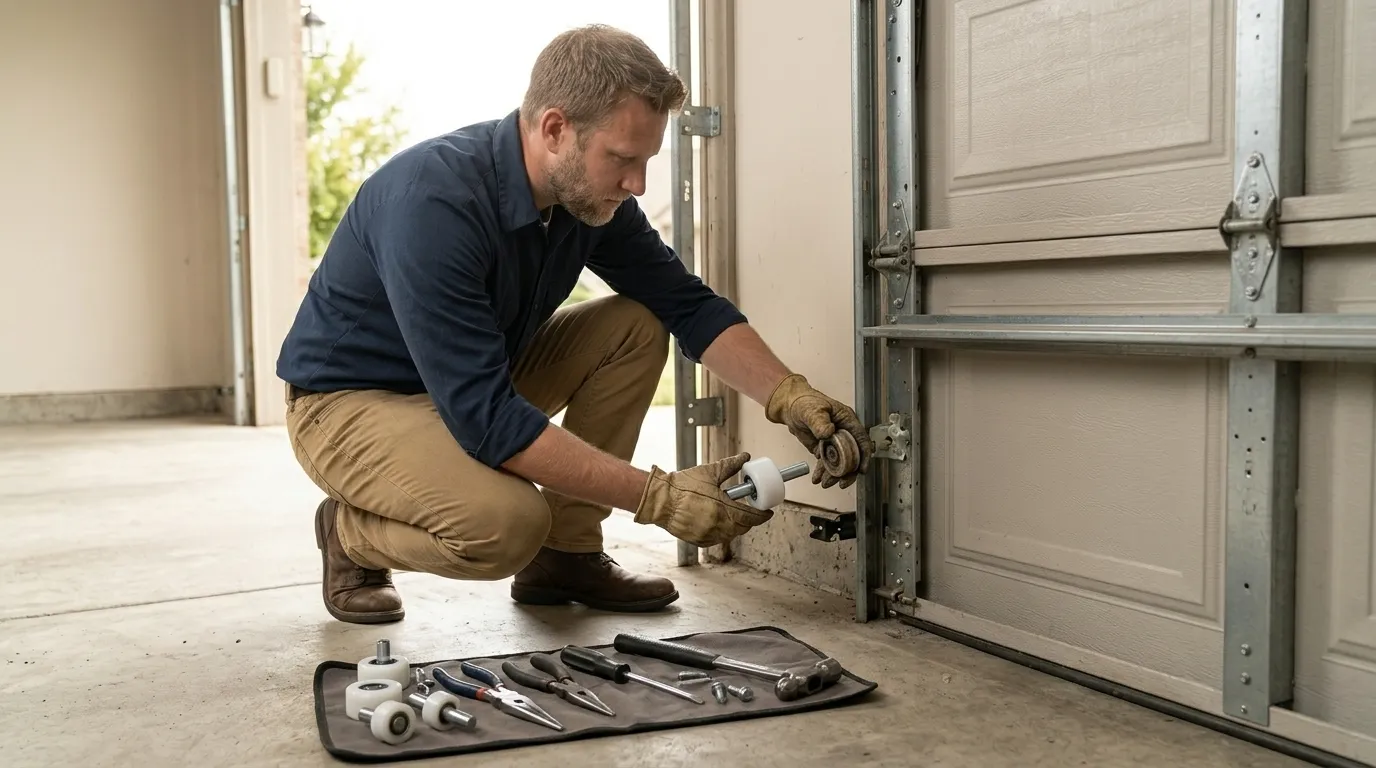
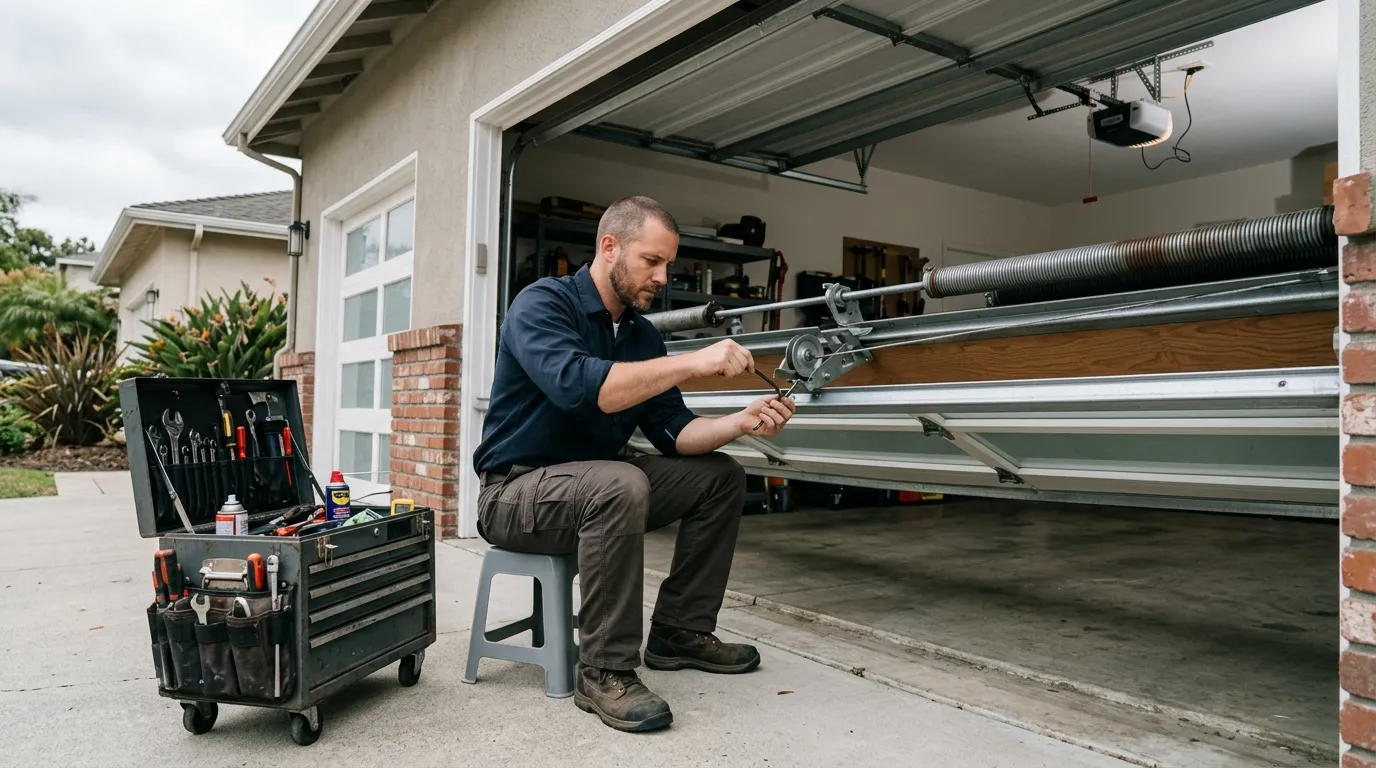
Swapping a single garage door panel is within reach for a patient homeowner if the door is unplugged from the opener and you're only replacing a bottom section with no spring involvement. Removing a middle or top panel means pulling the door off its track partway, and on a torsion-spring door that's not a DIY job - the spring holds enough stored force to break bones if it lets go while the door is apart. Matching hardware is the other trap: doors from the 1990 era often used hinge and roller spacing that doesn't line up with hardware sold today, so a panel that looks right can still leave the door out of square. If your door is under $122,612-income-bracket landscaping and you're comfortable with hand tools, a bottom panel with no spring work is reasonable to attempt. Anything above the bottom section, or any job touching springs or cables, we'd rather you call for. That's not upselling - it's just where the risk of a trip to urgent care outweighs the cost of a service call.