What the Repair Takes
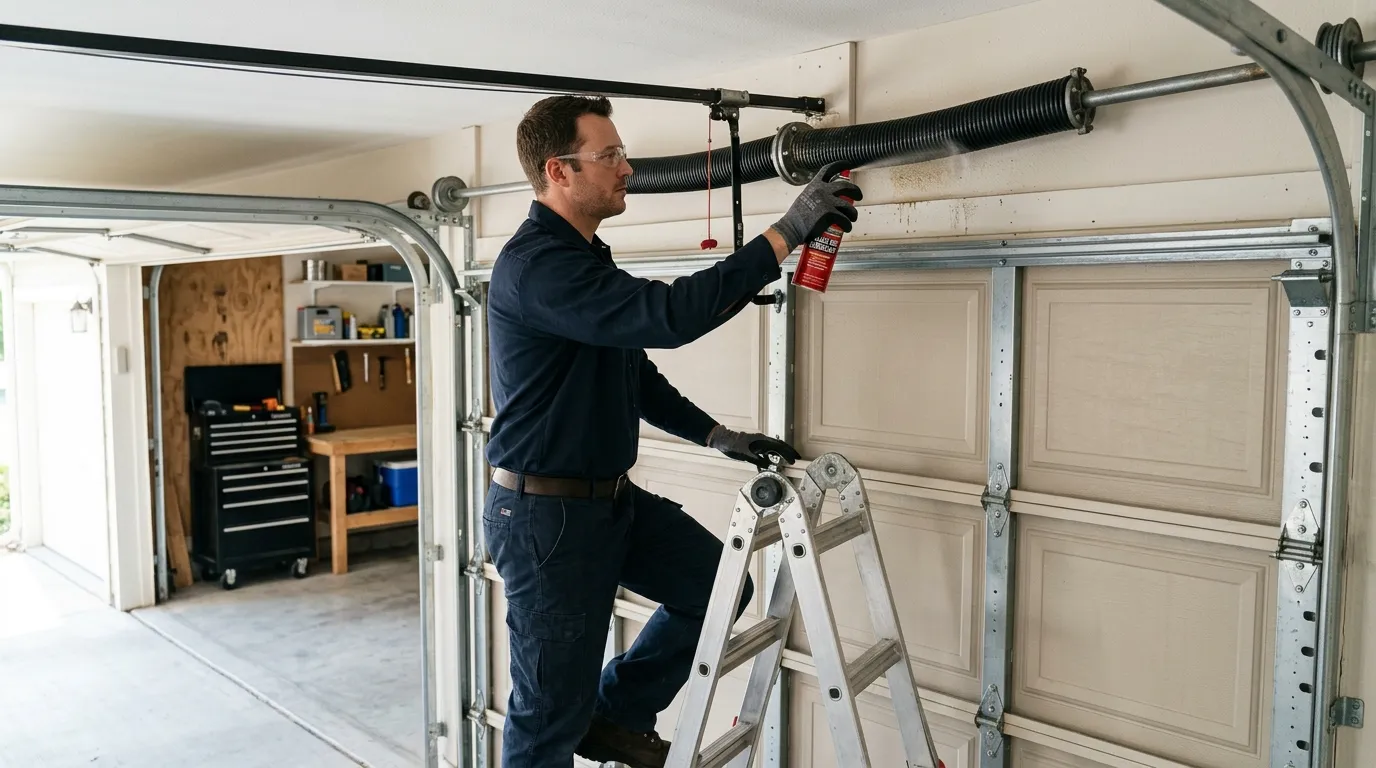
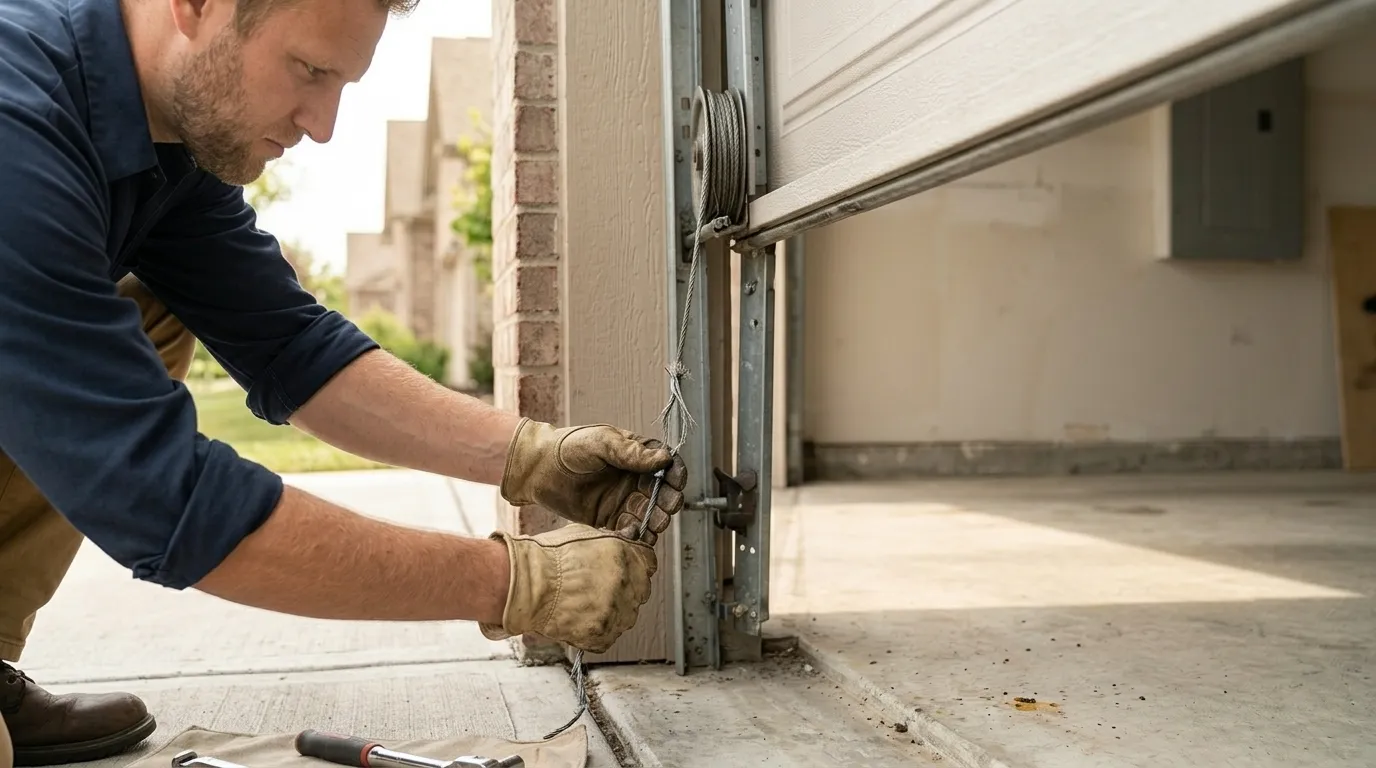
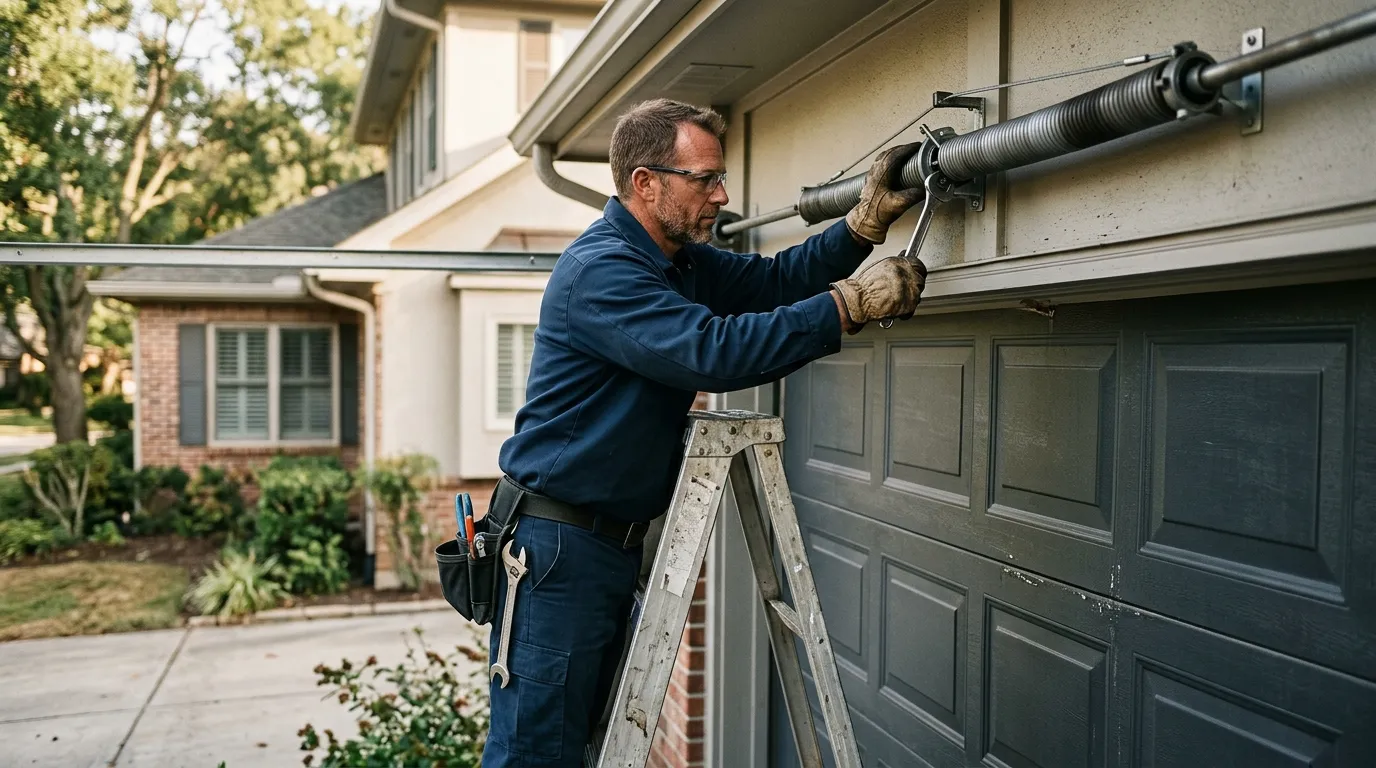
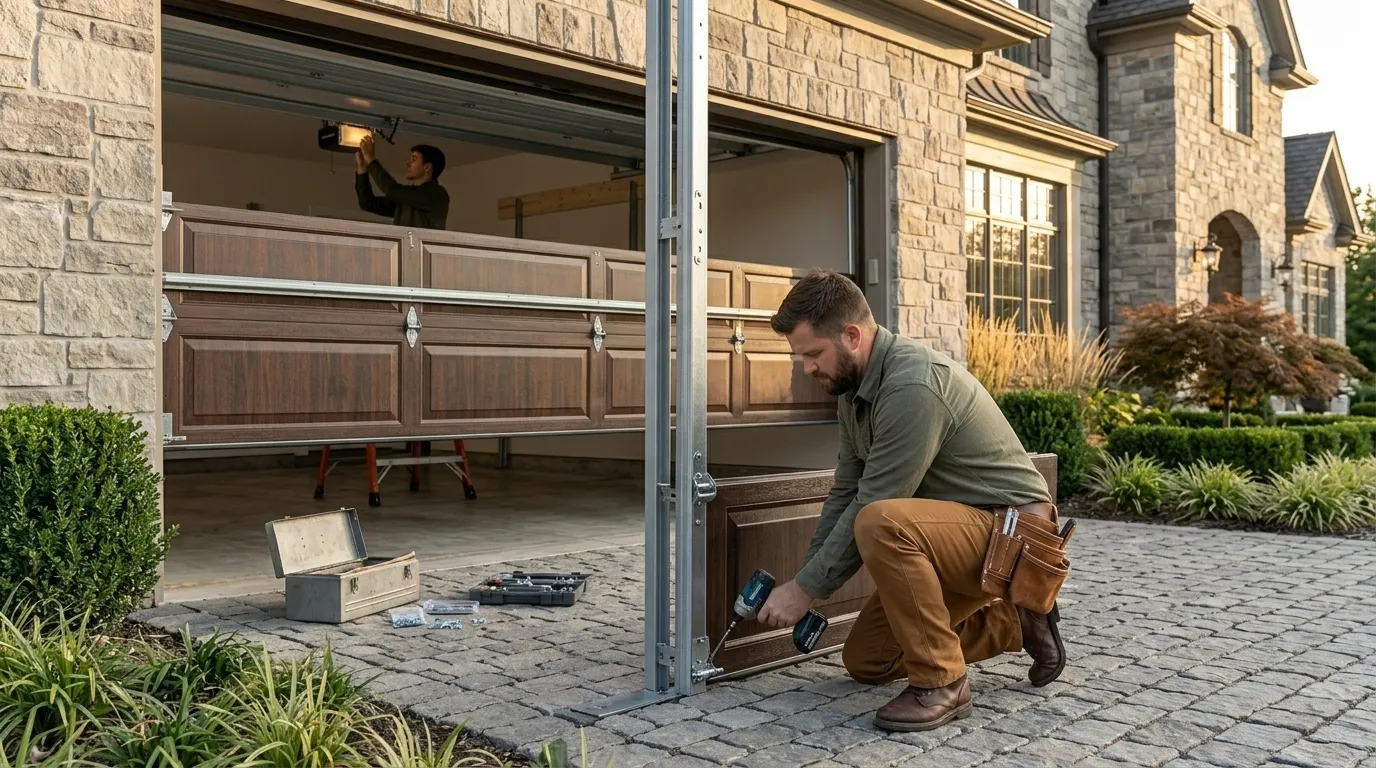
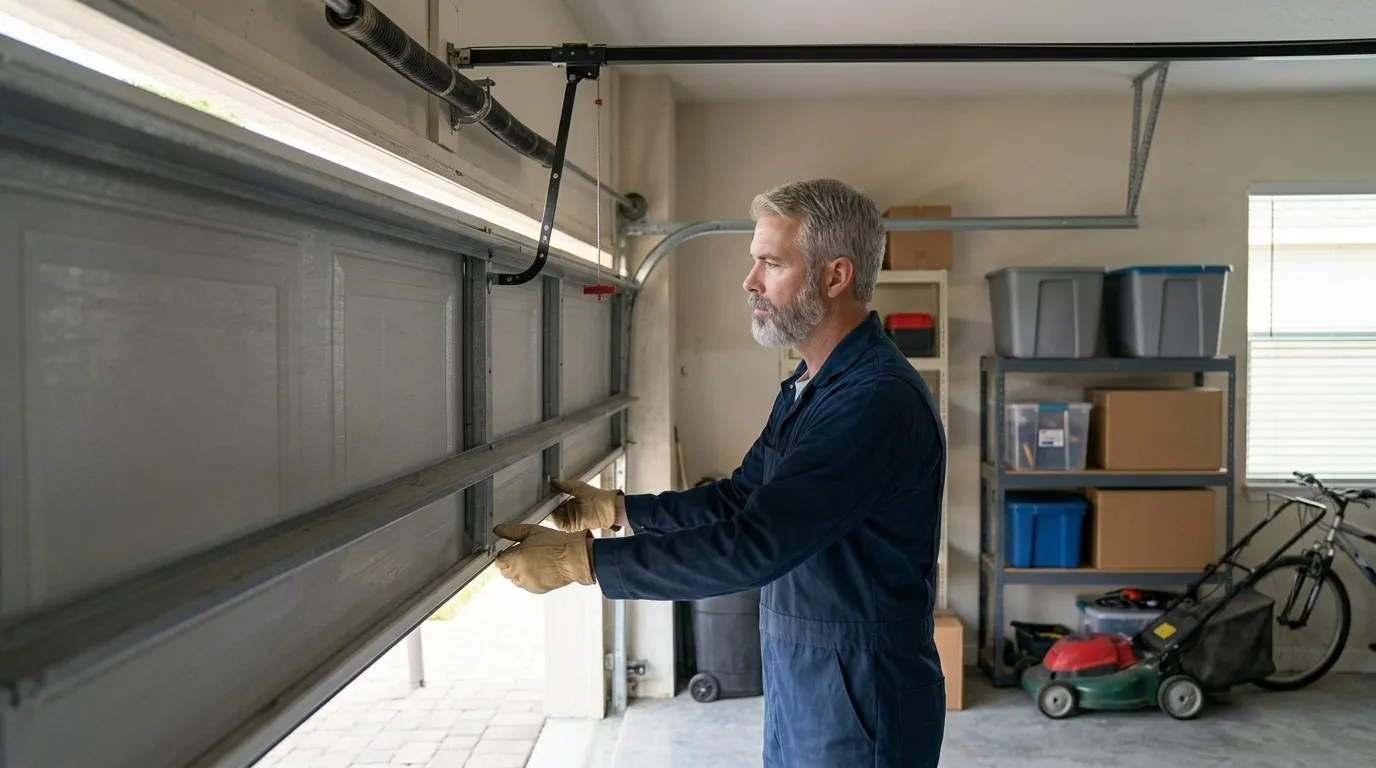
For a torsion spring on a standard double door, this is usually a same-visit job once we've confirmed the door and opener are otherwise sound - the spring gets matched to the door weight and wind, and we test the balance before we leave. Extension spring setups, which show up more in Maltby's older stock, take a little longer because both springs and the pulley cable need a look, not just the one that snapped.
We won't tell you a job takes fifteen minutes because it rarely does on a door this age - lag screws seize, brackets rust to the track, and sometimes a track that looks fine is actually bent enough that a new spring won't fix the real problem. If the opener is original to the house, we'll say so plainly: at close to forty years old, a repair on the drive gear or logic board is often throwing money at a unit that's going to fail again within the year, and replacement is the honest call.
What Causes It Around Here
Two things drive most of the repair calls out this way. First is straightforward age - a neighborhood built mostly in the early-to-mid 1980s means original torsion or extension springs are decades past their rated cycle count, and steel cable that was never swapped is thinning from the inside where you can't see it. Second is the cold-moderate climate this whole service area sits in. Winter temperature swings tighten steel and stiffen the grease in old bearings, and that's exactly when an aging spring picks the worst morning to let go - usually right as someone's trying to leave for work.
Maltby households run a higher median income than much of the wider service area, and we see that reflected less in what breaks and more in what people choose to do about it - more owners here opt to replace an opener outright rather than nurse along a unit from the original build. That's a reasonable call on a door this age; it isn't one we push, but we won't talk anyone out of it either.