What the Repair Takes
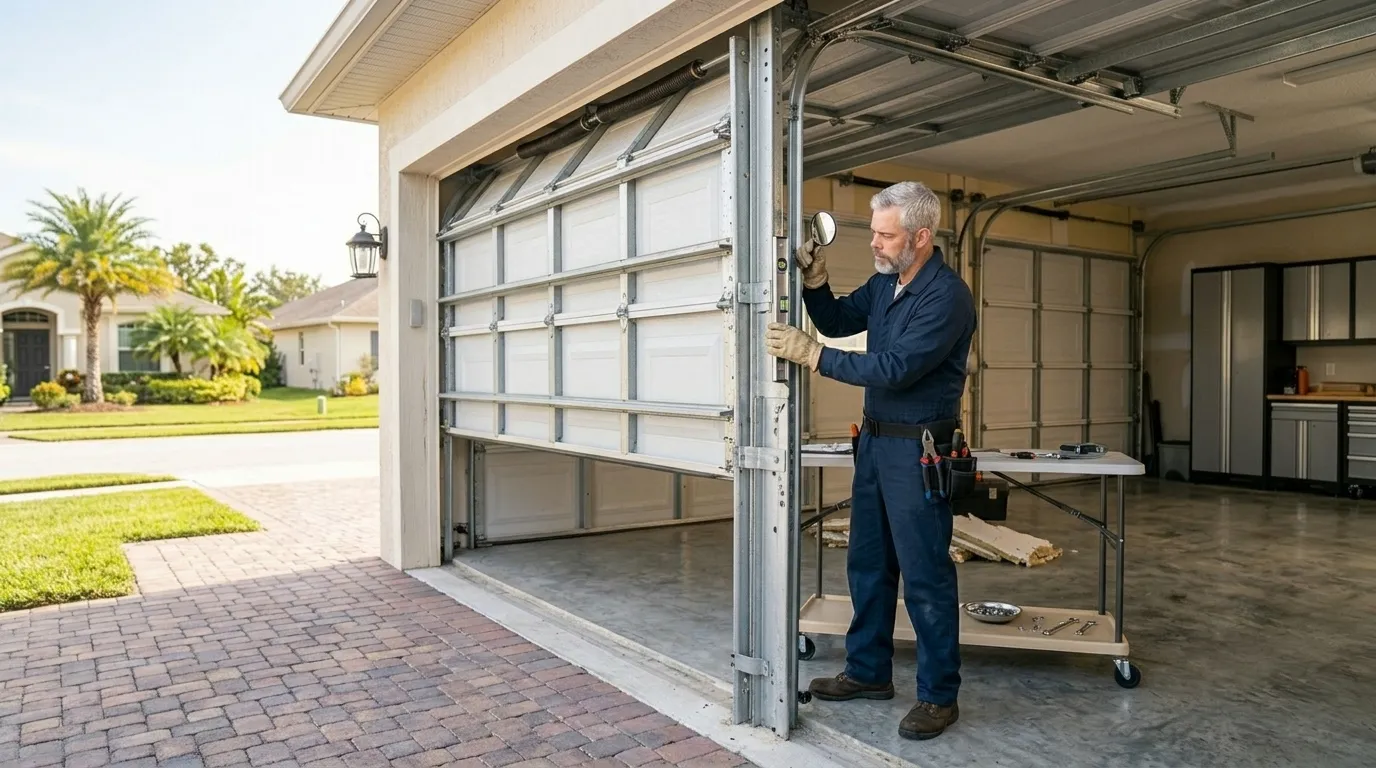
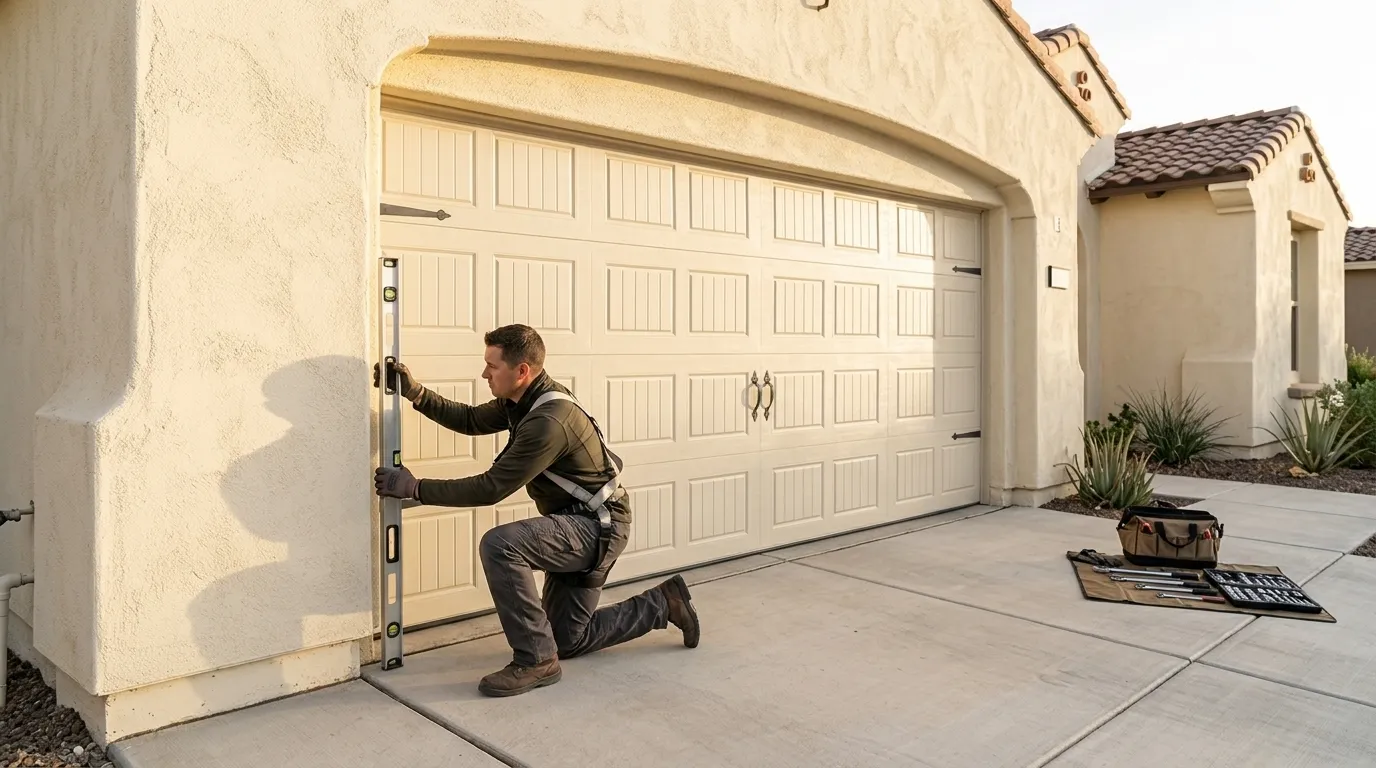
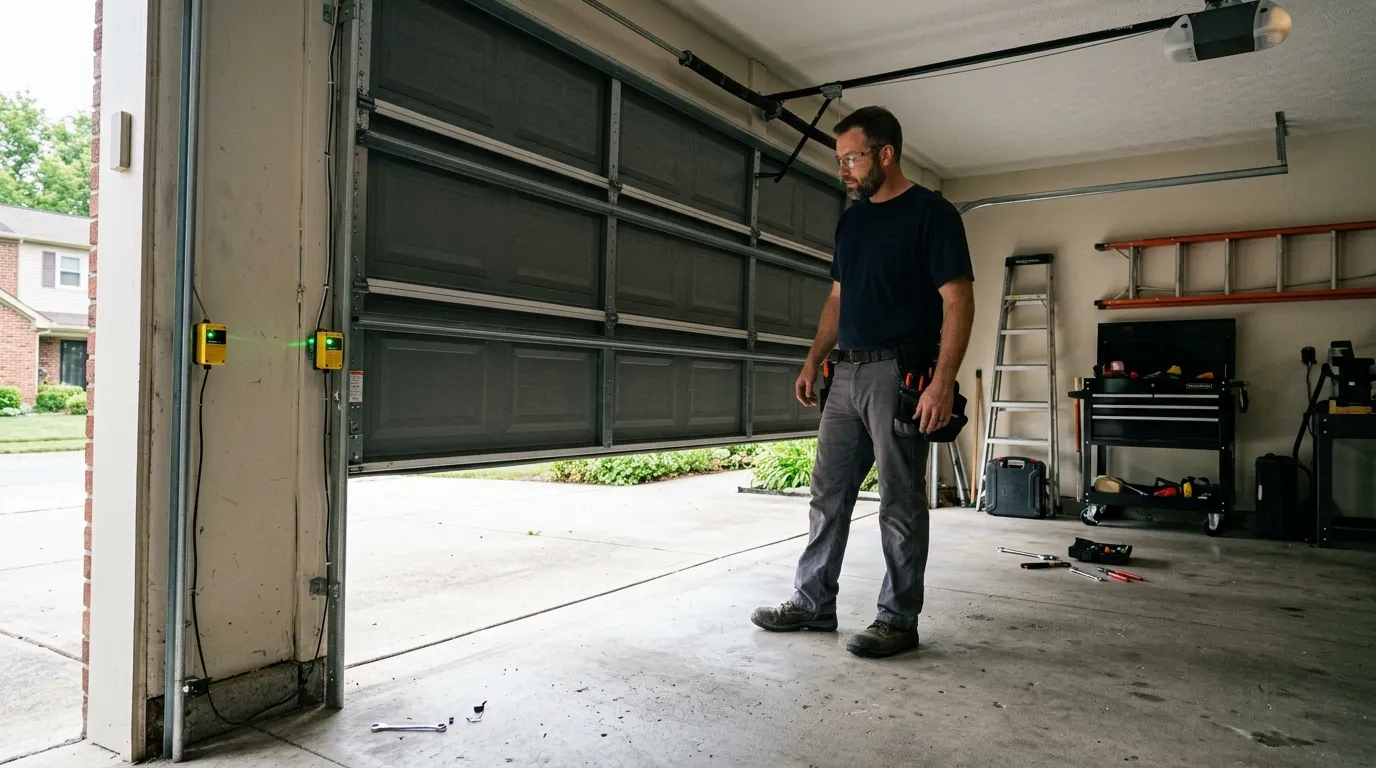
A straight torsion spring swap on a standard double door is usually a same-visit job once we've got the right wire size and wind direction confirmed - those two things vary door to door even within the same build year, so we measure rather than guess. Where it runs longer is when the spring has been wrong for years already: undersized springs cause the opener to do work it shouldn't, which chews through drive gears and cables faster than normal, so a spring call sometimes turns into a cable or bearing replacement too. We'll tell you that before we start, not after. One honest limit: if the shaft or drums are bent, or the header bracket has pulled loose from the framing, that's a structural repair beyond a spring swap, and on some older openings replacing the whole section makes more sense than patching it. We don't stretch a spring job into work it isn't.
What Causes It Around Here
This area sits in a cold, moderate climate band - not the harshest winters in the state, but enough freeze-thaw cycling and damp stretches that unprotected steel coils corrode from the inside of the wind, where you can't see it until a coil snaps clean. On doors from the early 1980s, galvanizing wasn't as consistent as it is on newer coil stock, so springs from that era tend to go quietly rather than dramatically - losing a few pounds of lift a year until the door feels heavy, then failing outright on an ordinary cold morning. Cycle count matters too: a spring rated for around 10,000 cycles has usually already logged three to four decades of daily use by now, which is past its design life even without corrosion in the mix. We don't have manufacturer cycle data specific to Maltby's original builders, so we go by what we find on the shaft when we get there rather than what the age alone suggests.