What the Repair Takes
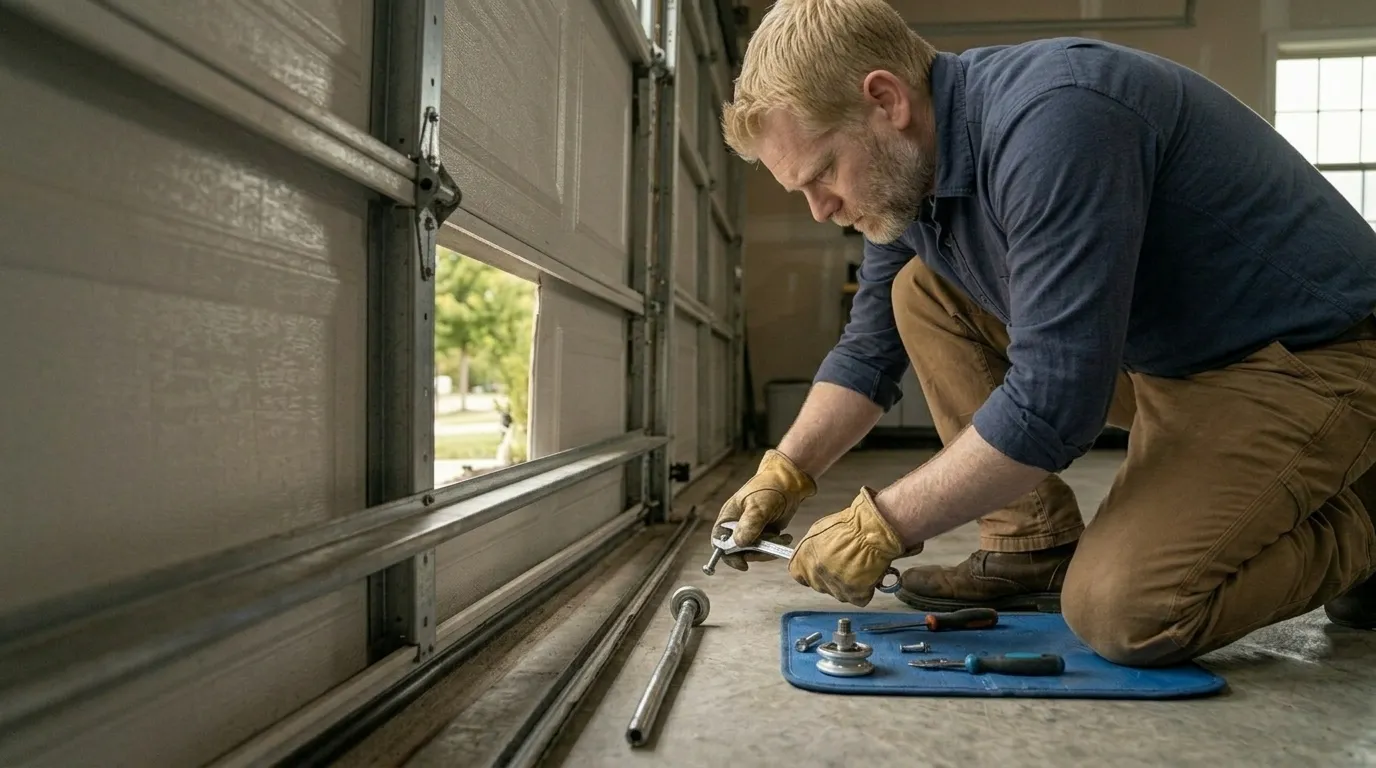
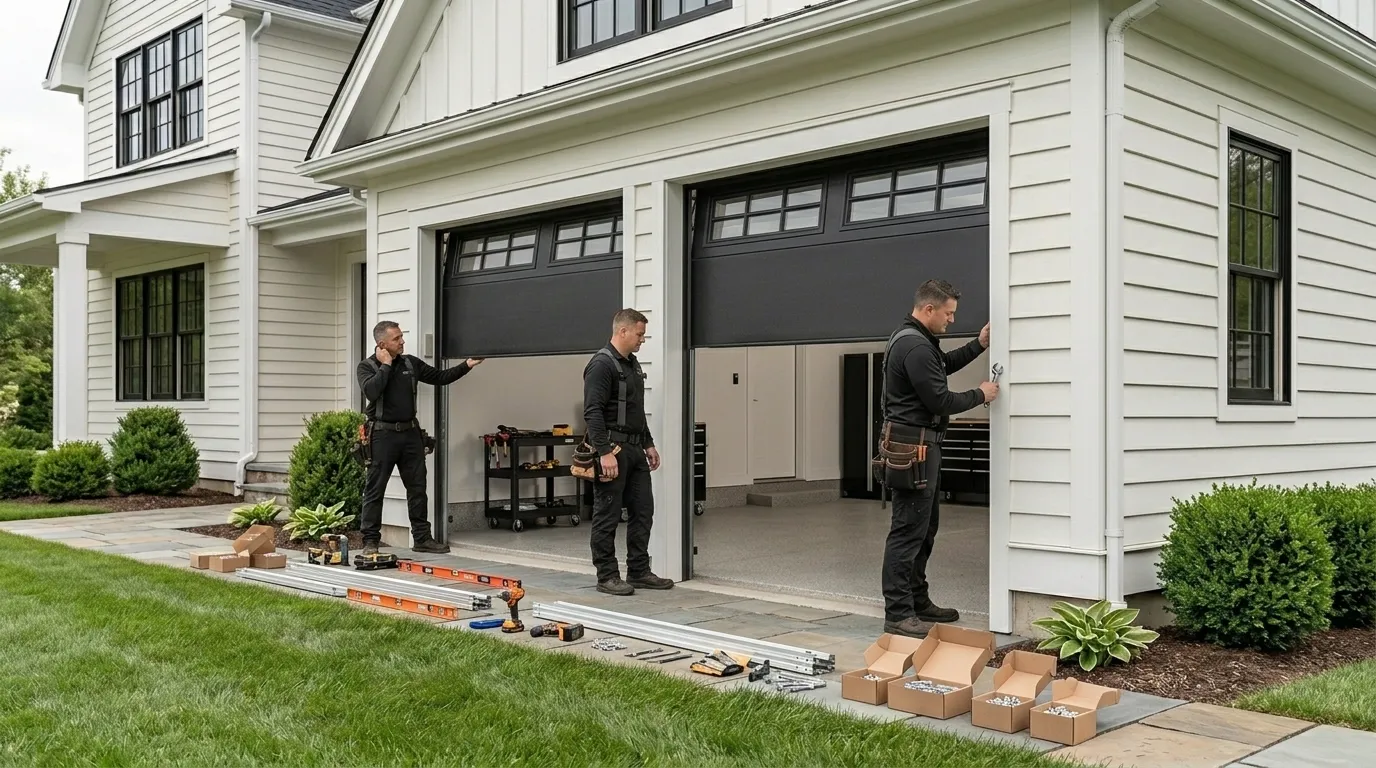
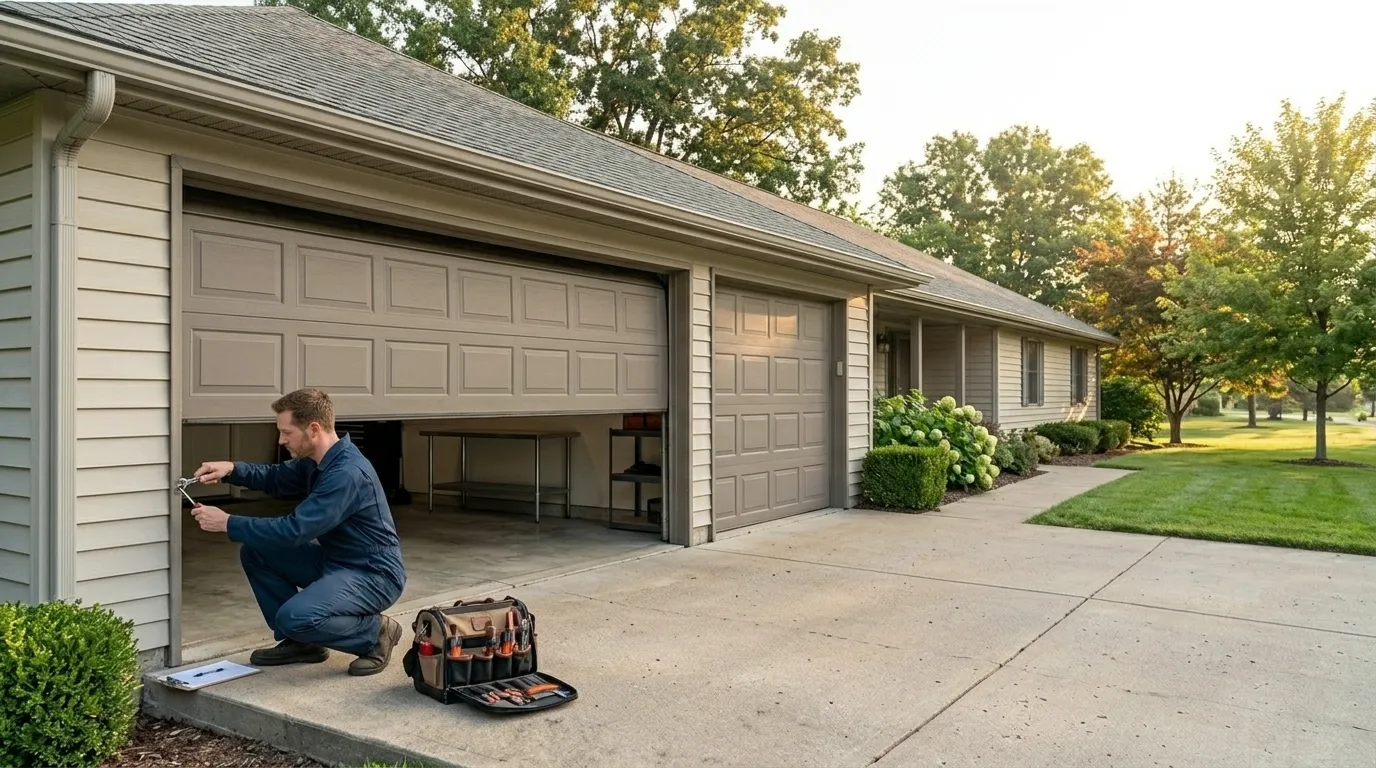
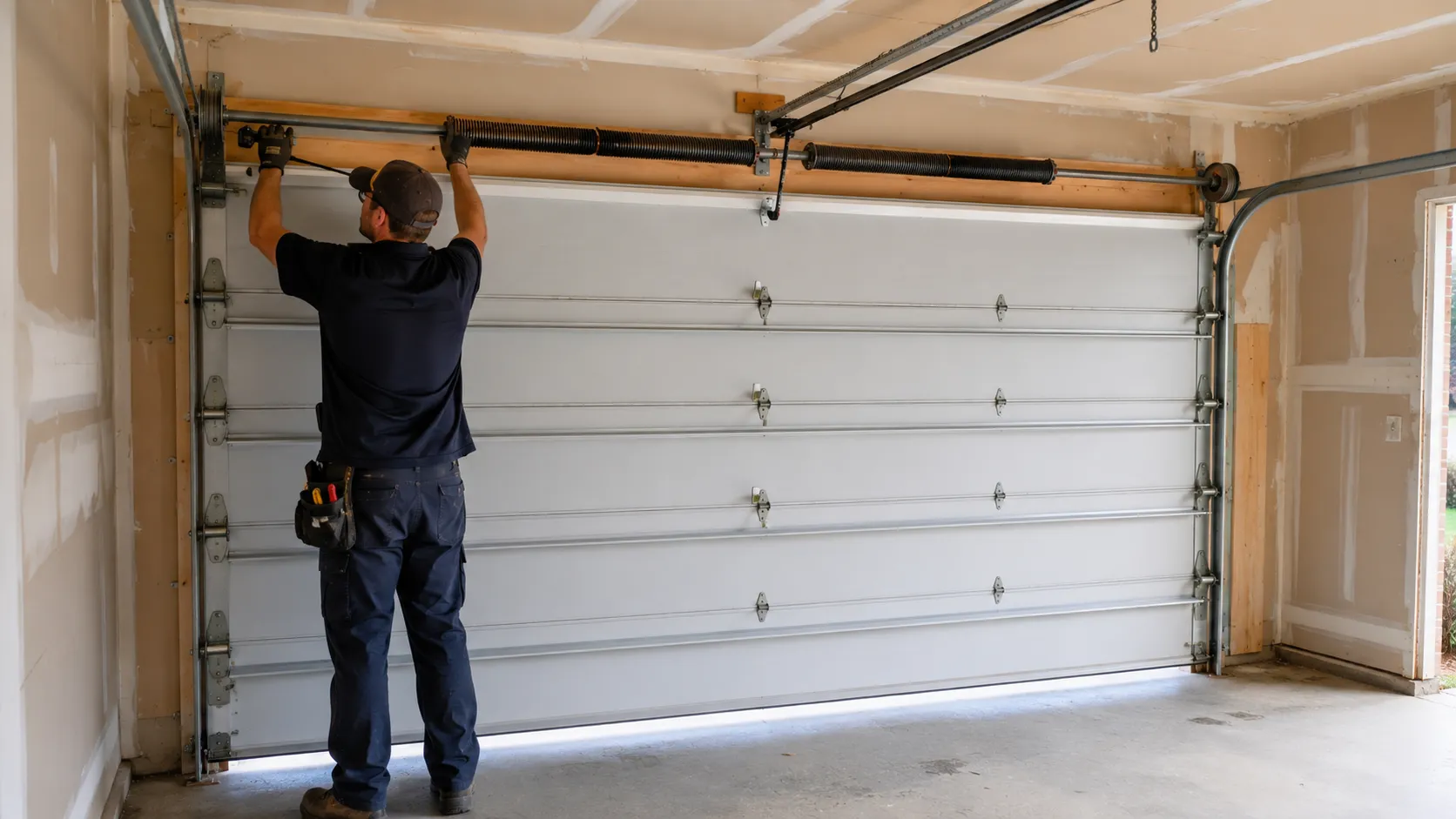
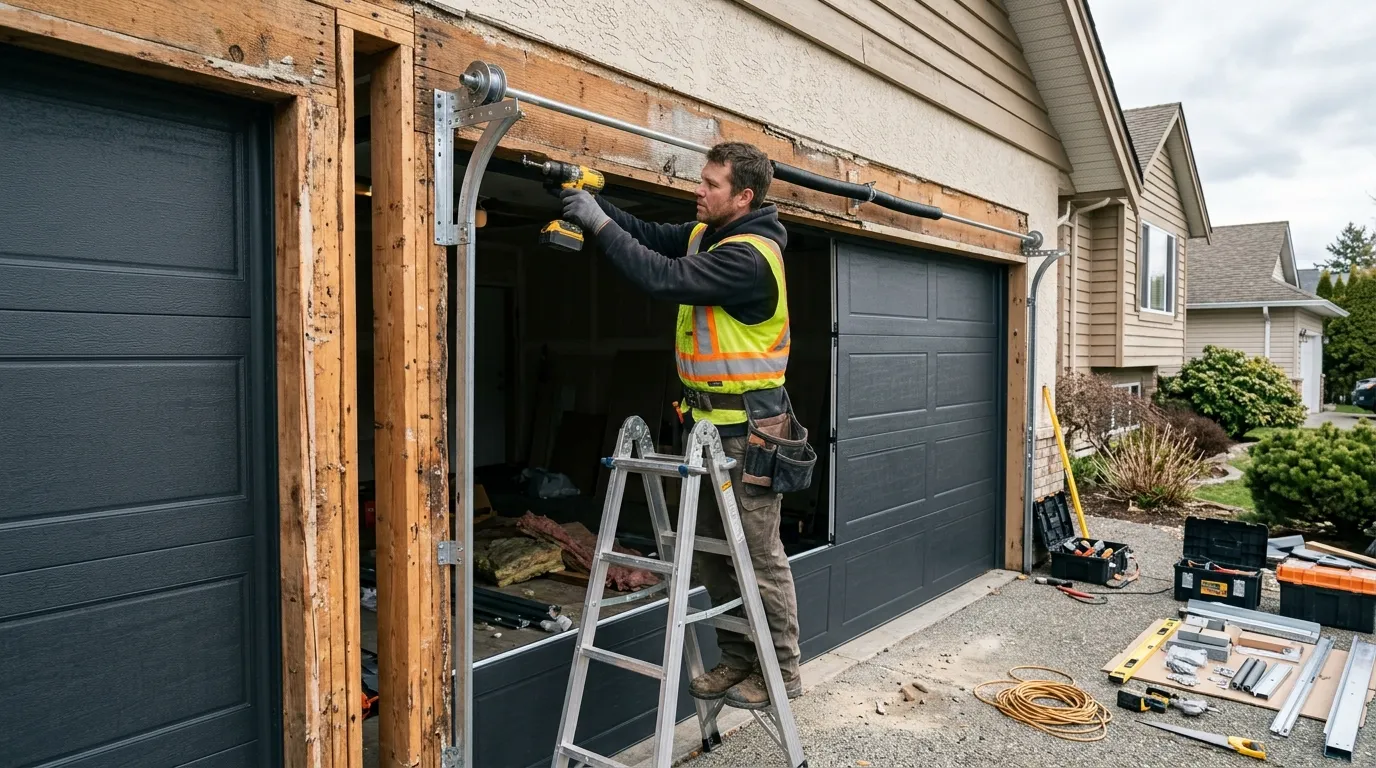
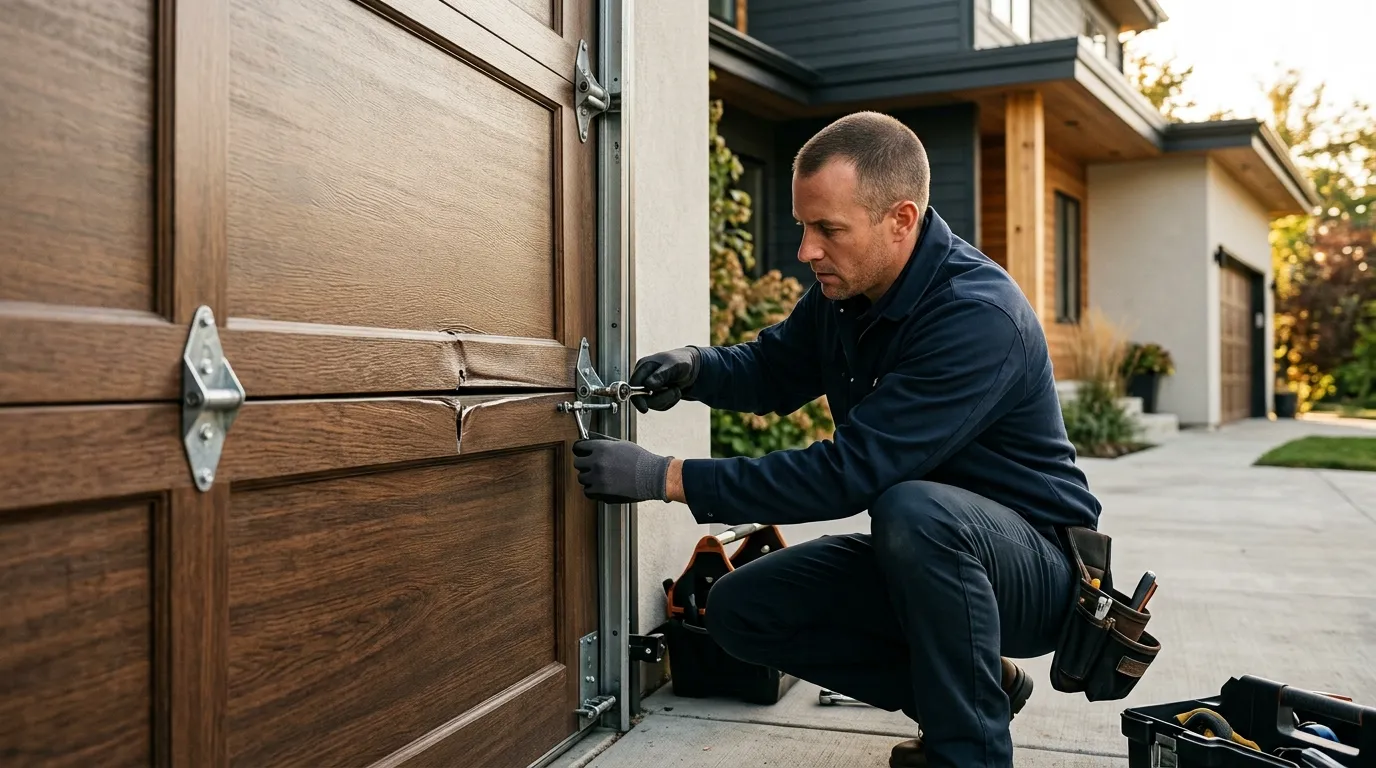
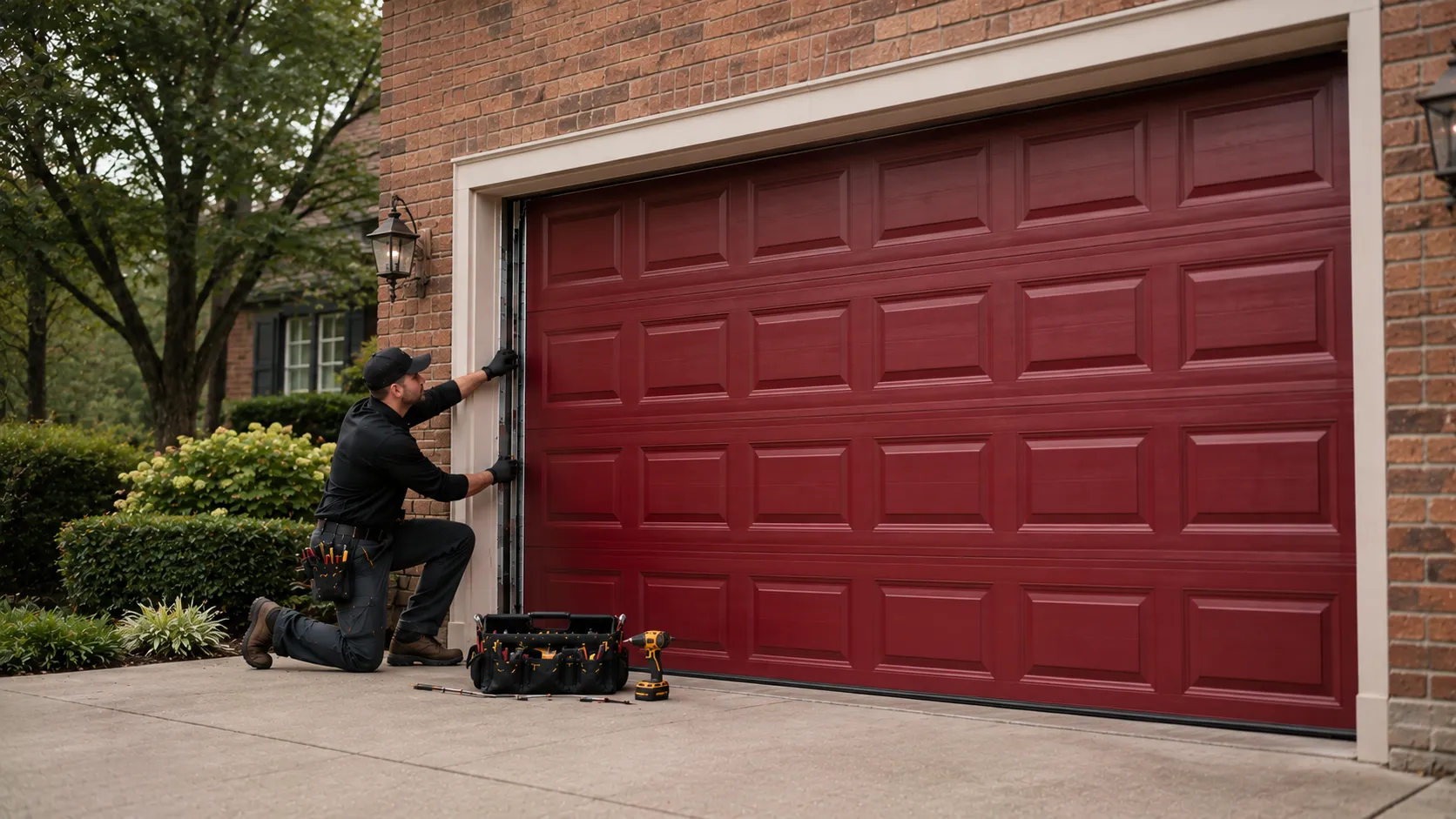
We run out from Marysville, about 19 miles to Maltby, so a panel job here gets scheduled as a trip, not a drop-in on the way to somewhere else. That doesn't change the work itself: pull the damaged panel's hinges and end stiles, unbolt it from the panels above and below, and set the replacement in without disturbing the track alignment on either side. On a newer door, that's a clean swap if the panel is still in production. On a door built when Maltby's homes went up - 1983 or close to it - the manufacturer may have discontinued the exact profile or color decades back, and we're either sourcing an off-brand match or moving the conversation to a full door. We're honest about that up front rather than quoting a panel job and switching it on you at the driveway. If your door is a similar age to the house, expect us to check the whole panel run's condition while we're there, not just the damaged one - it saves a second trip if two panels are close to failing.
What Causes It Around Here
This area sits in a cold-moderate climate band, and steel panels from the early 1980s don't handle the freeze-thaw cycle the way current doors do. The foam-and-steel sandwich construction from that era used thinner skins and less consistent insulation fill than what's made now, so panels flex more with temperature swings, and that flex is what eventually cracks the seam between the steel face and the foam core. Combine that with a door that's been opened and closed for four decades on original rollers and you get panels taking stress they weren't built to take at the hinge points. We also see impact damage - a trailer, a bike, a ladder catching the bottom panel - showing up worse on older steel than it would on a newer, thicker-gauge panel, because the metal has already fatigued. None of this is unique to any one house in Maltby, but it's consistent with a place where the housing stock skews to the early '80s rather than the '90s builds you'll find in other parts of the service area.