Stocked Parts
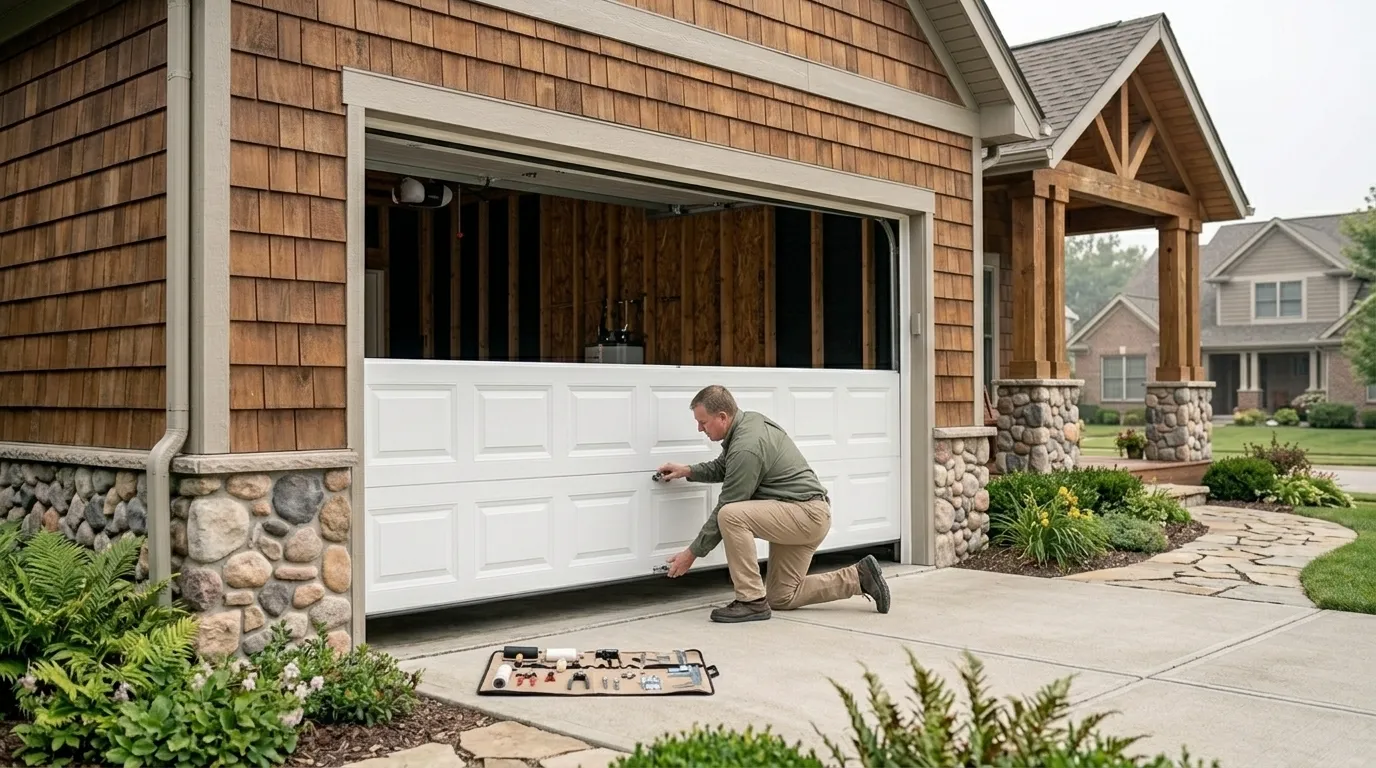
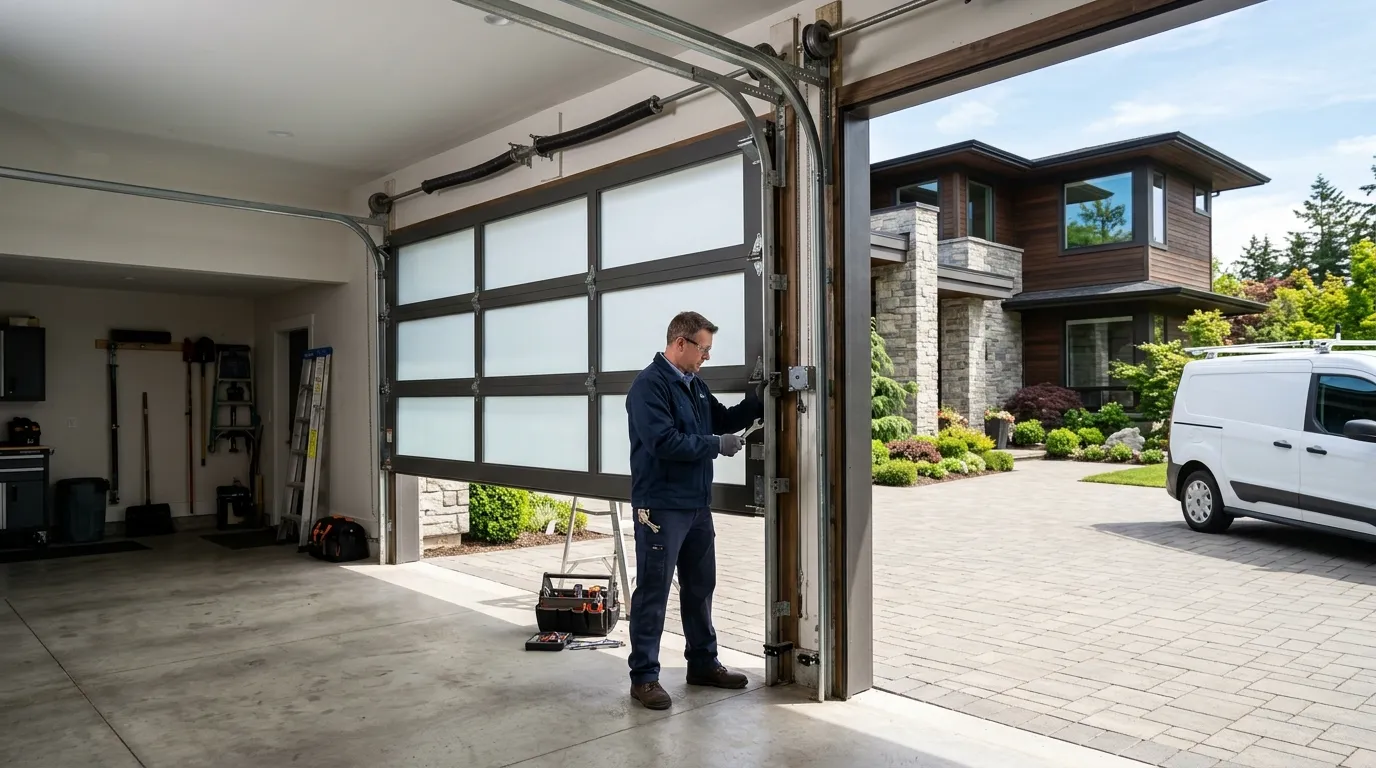
Because Arlington's stock leans toward mid-1990s construction, the truck carries what actually fits that generation: standard torsion springs sized for the lighter sectional doors common to that build era, nylon rollers, and the sensor brackets that match the photo-eye systems installed on openers from that period. We're not routinely hauling parts for the older wood-panel doors with side-mounted hardware that show up more in the pre-1980s pockets of the broader territory - those jobs get planned ahead of time once we know the door on sight or from a photo. If your door in Arlington still has its original 1990s opener, we usually carry a compatible logic board or remote receiver, but a full opener swap is often the better call once a board goes, simply because parts for units that old aren't cheap or fast to source anymore. That's the honest limit here: we stock for what's common, not for every specific bracket a home might carry, so a same-visit fix always depends on which exact setup is waiting in the driveway.
The Complications
A six-mile trip from Marysville doesn't complicate scheduling, but Arlington's income profile does shape the conversation about repair versus replacement. Median household income in Arlington runs $84,919, noticeably below the $106,164 median across the full service area's 84,687 households. That gap matters on a job estimate - it's the difference between us pushing hard to save a 1995-era door with a spring and roller job versus routinely defaulting to full replacement the way we might on a higher-income call. We try to fix what can be fixed here before we quote a new door. The other wrinkle is age-adjacent: doors built in the mid-90s often still run their original opener, and by now the logic board or the wall control can fail independently of the door itself, so a call that sounds like 'the door won't open' sometimes turns out to be electronics, not springs or cables at all.
Booking a Visit
When you call about a door in Arlington, tell us roughly when the house was built if you know it, and whether the opener is original - that one detail lets us load the right springs and sensor hardware before we leave Marysville. We serve the town from our shop six miles away, not from a local branch, so the more you can tell us up front about the door's age and symptoms, the less time gets spent diagnosing in your driveway. A stuck door, a loud grinding roller, or an opener that clicks but doesn't lift are all worth describing in detail when you book, rather than just saying 'it's broken.'
What You Are Seeing
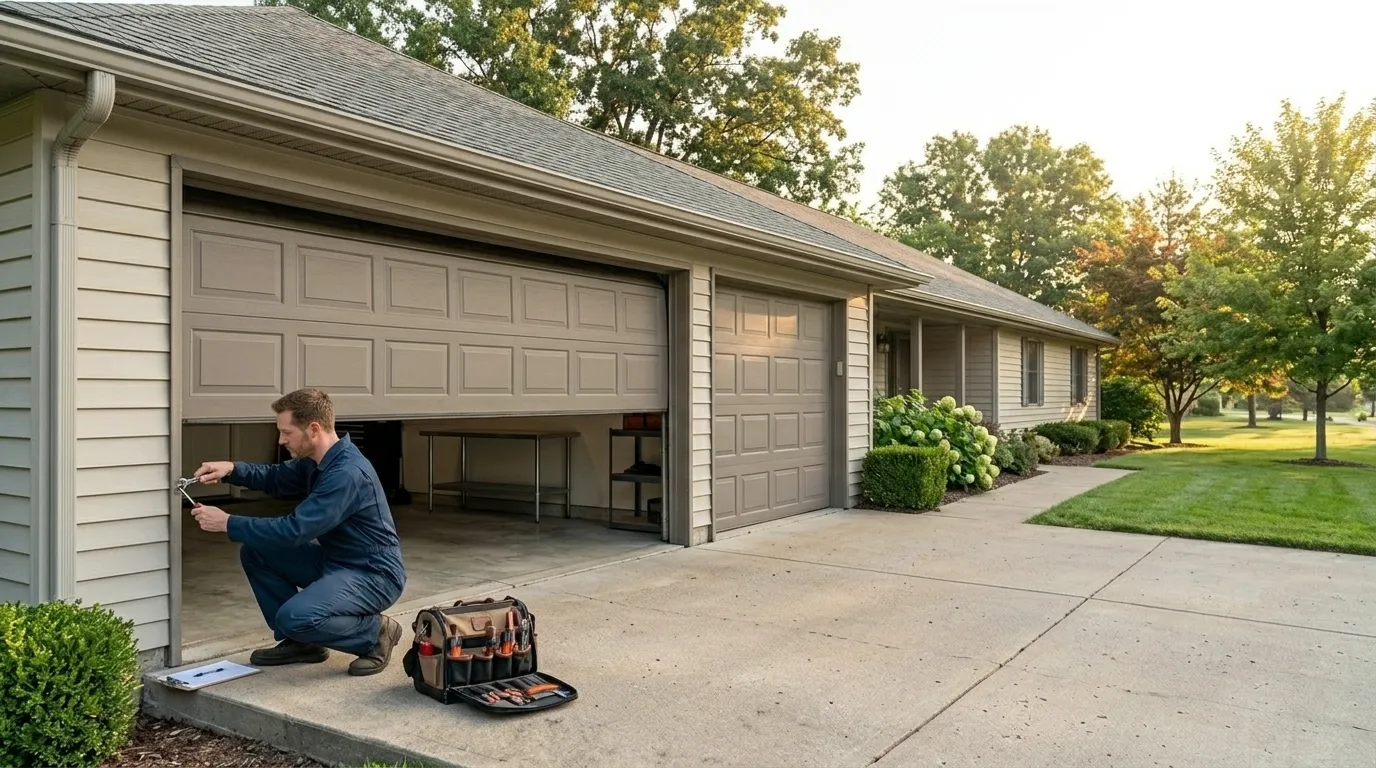
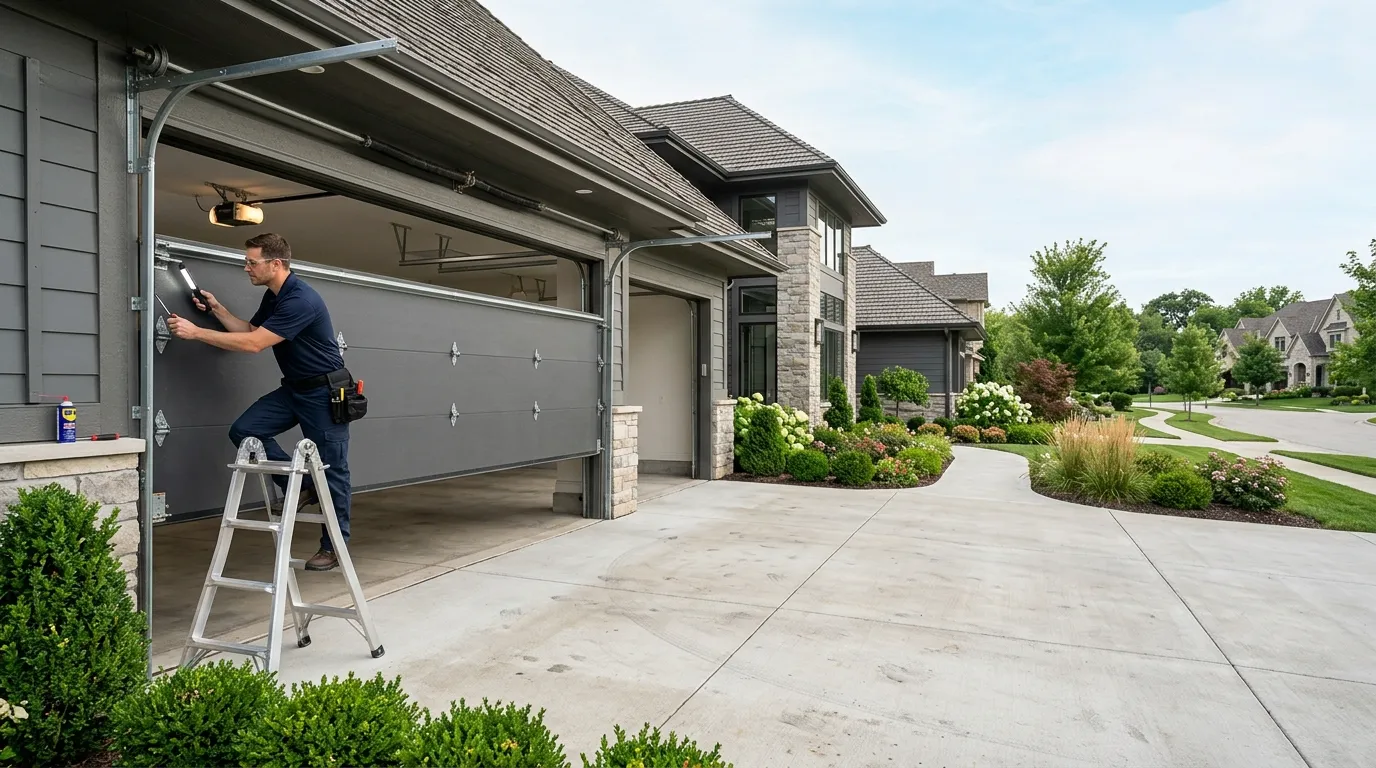
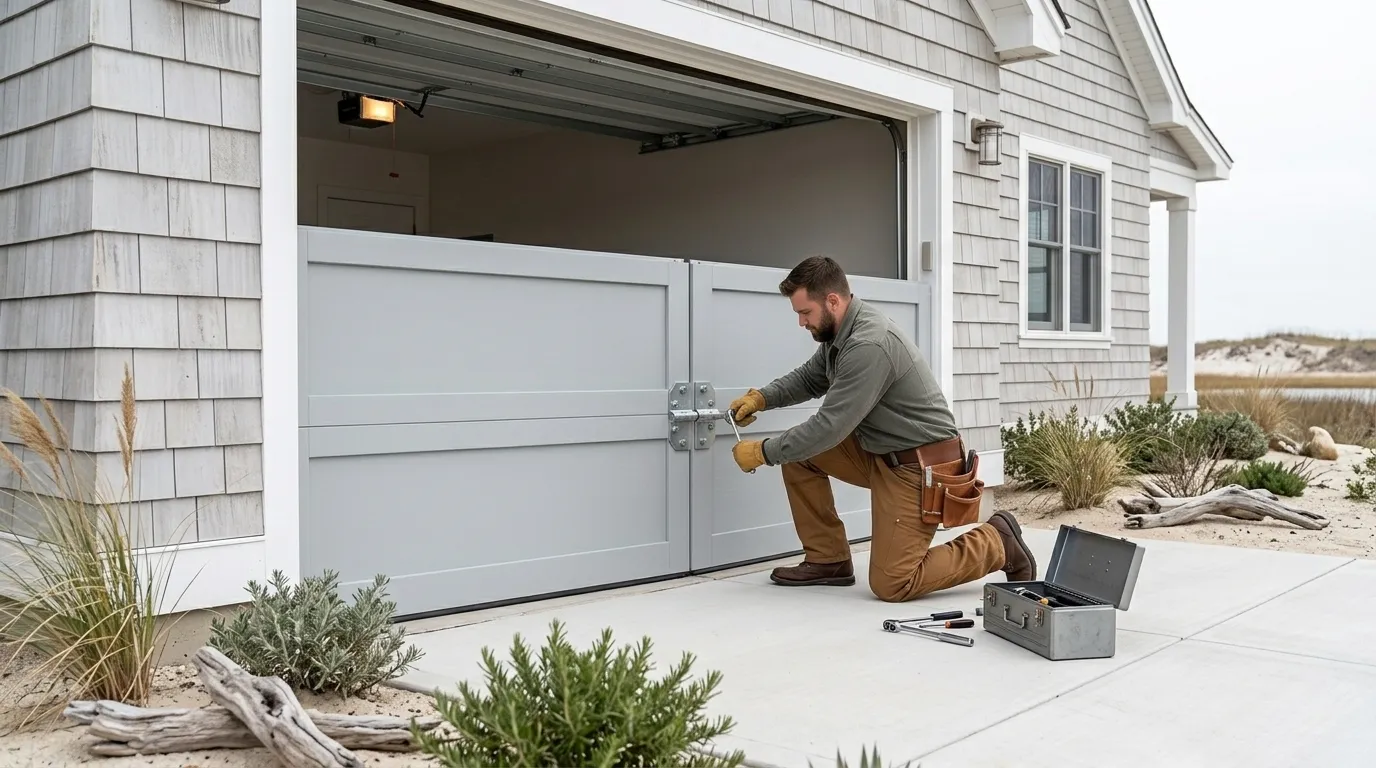
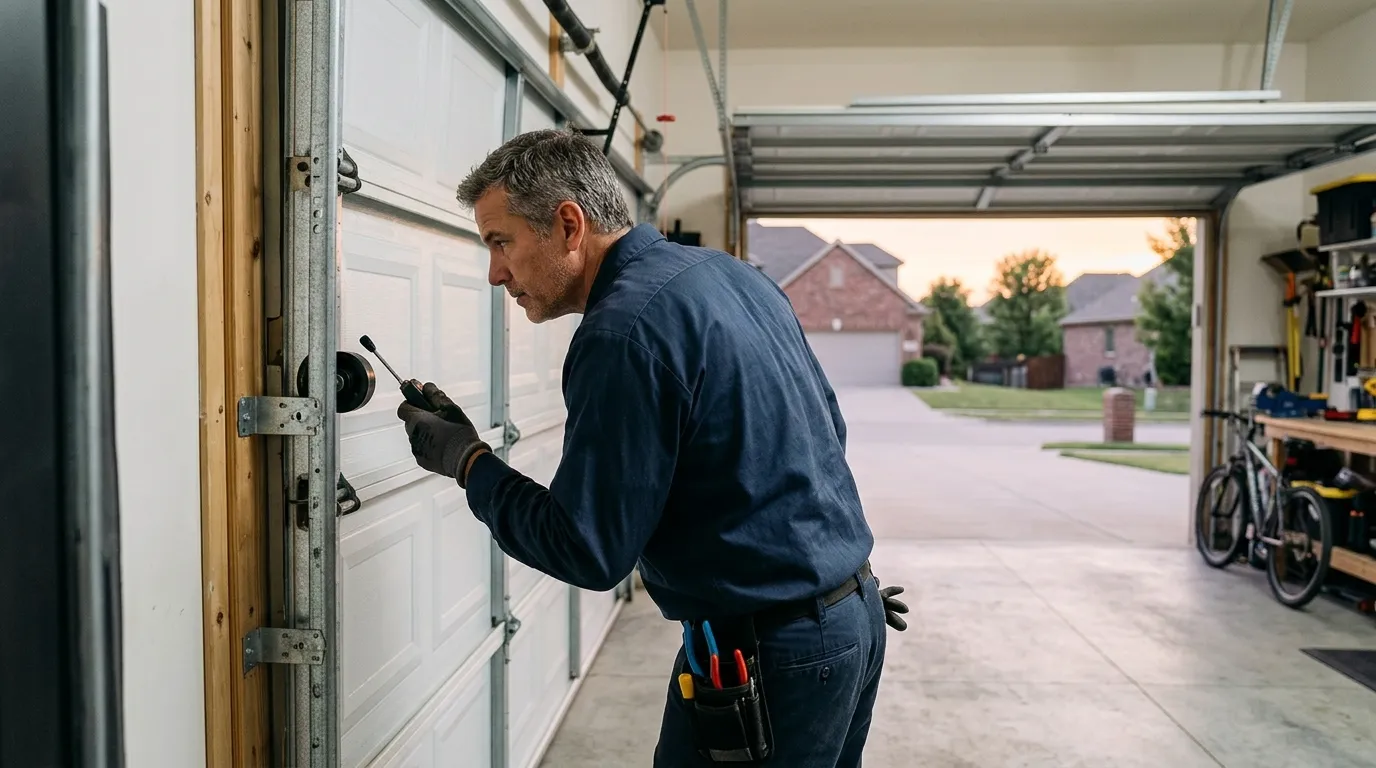
If your door in Arlington is sagging on one side, that's usually a broken or fatigued torsion spring rather than an opener problem, especially on a door original to a mid-1990s build. If the door reverses right before it touches the floor, check the photo-eye sensors first - on a house from this era, those sensors are often the originals and their alignment drifts over two-plus decades. A grinding or squealing sound on the way up points to worn rollers, common once a nylon roller from a 1990s install finally wears through. And if the opener runs but the door doesn't move at all, that's more likely a broken cable or a stripped drive gear inside the unit than anything structural with the door itself. None of these are urgent enough to risk forcing the door by hand repeatedly - that tends to turn a single bad spring into a bent track.