What You Are Seeing
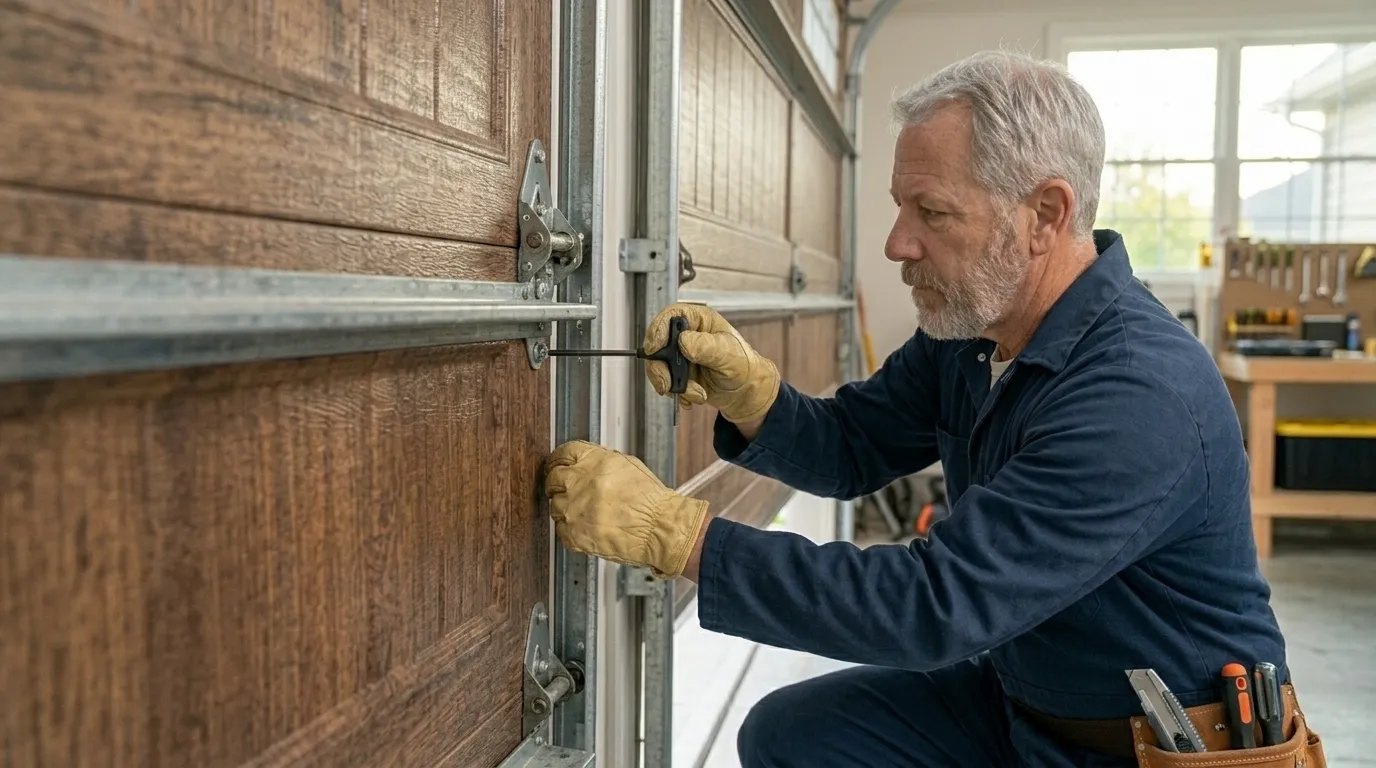
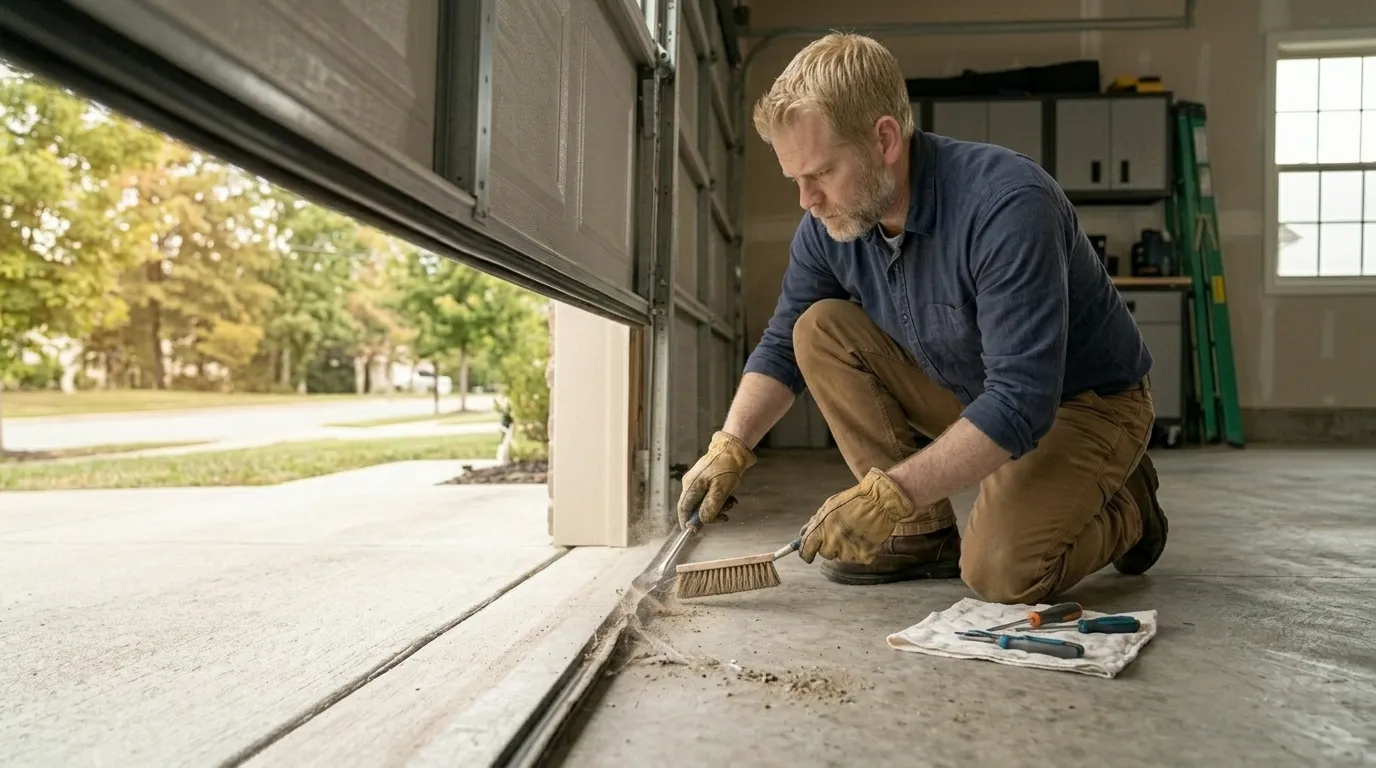
The classic sign is noise that gets worse over weeks, not days - a rhythmic clunk or grind as each roller passes a hinge point, rather than a sudden bang. Some owners notice the door hesitating or jerking partway up, which usually means one or two rollers have flat-spotted or the bearing inside has gone dry and is dragging metal on metal.
In this climate band - cold winters with real moisture, not desert dry - steel rollers without sealed bearings corrode from the inside before they look bad from the outside. If your door has sat through close to thirty Camano winters on the original hardware, a roller that looks fine can still be seizing internally. That's the failure that surprises people: no visible rust, but the bearing's frozen and the roller's just skidding in the track instead of turning.
Can You Do This Yourself
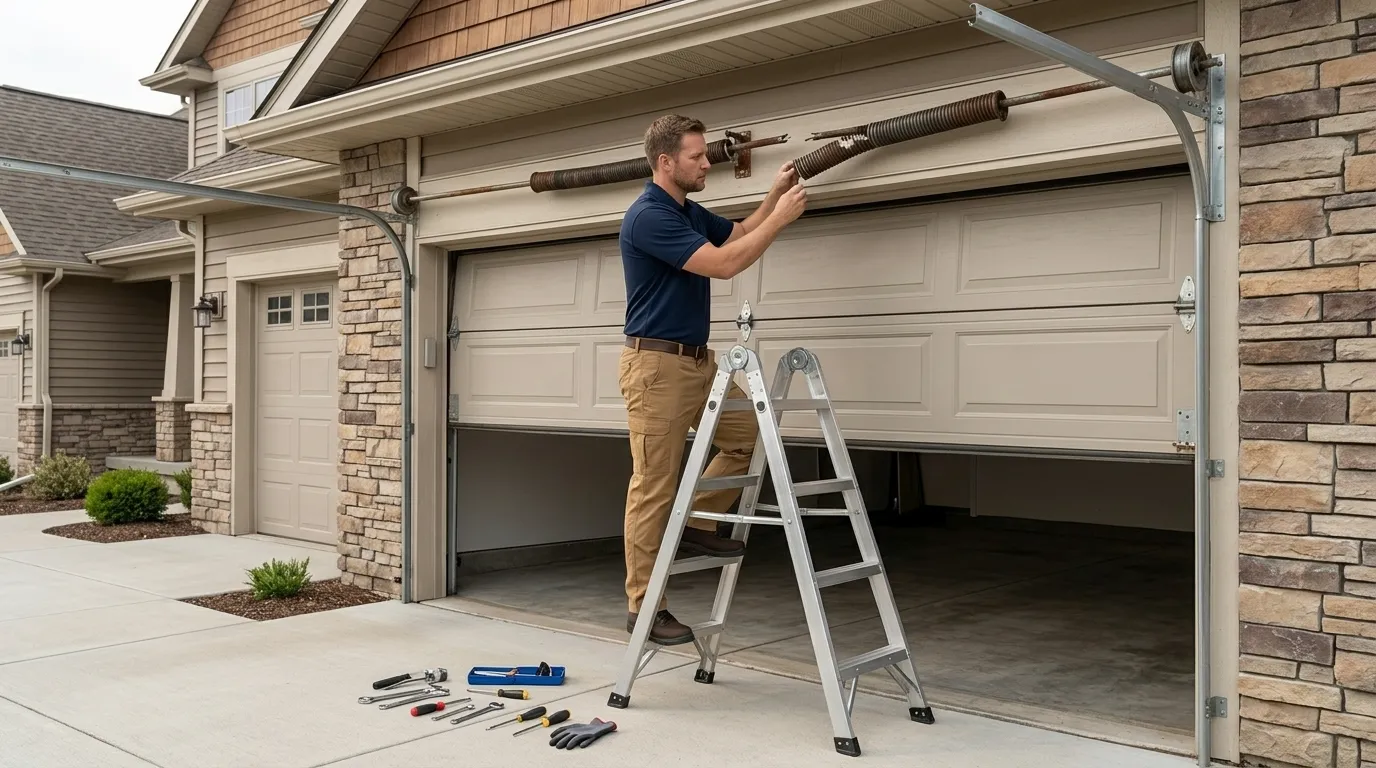
Swapping a single roller on the bottom section of a door with the spring still under tension is not a job to learn on your own driveway. The top rollers, near the spring and cables, carry real risk if a cable is worn and lets go while you've got the section pulled partway out of the track. If you're only dealing with a bottom-corner roller and you're comfortable disconnecting the opener and blocking the door open securely first, it's within reach for some owners.
Where we'd tell you to stop: any door on original 1990s-era hardware where you can't tell if the rollers are stem-style or the older riveted kind, because the wrong replacement can bind the track. And any job involving the two rollers closest to the torsion spring - that's not a DIY swap, full stop.
What the Repair Takes
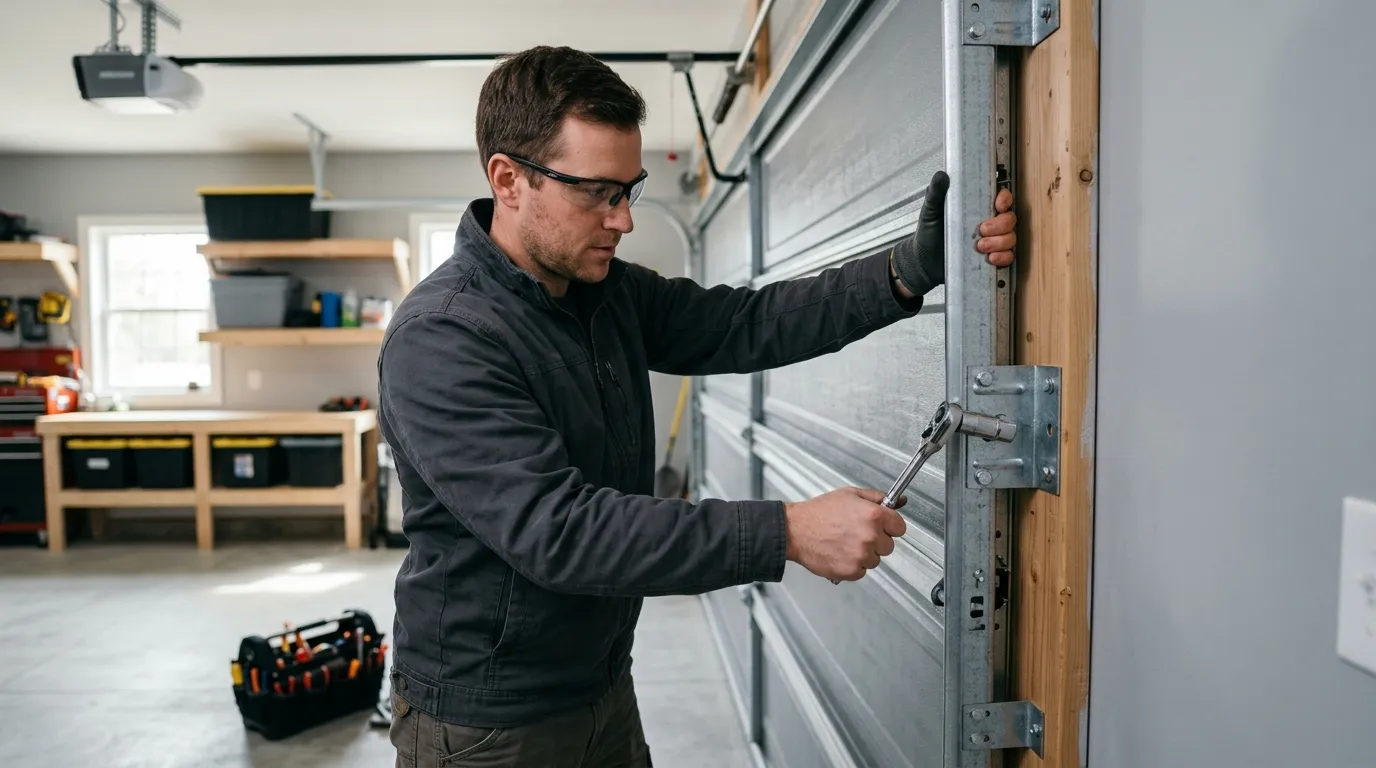
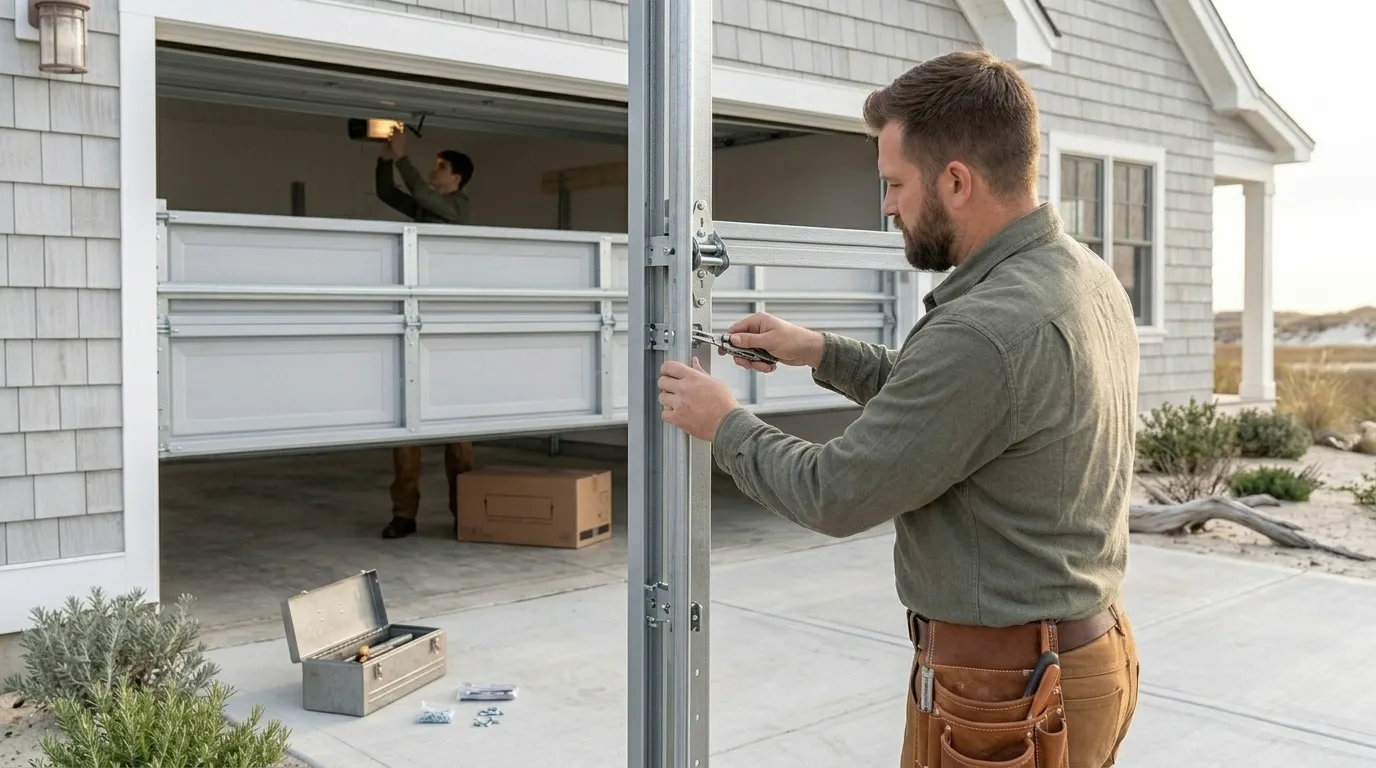
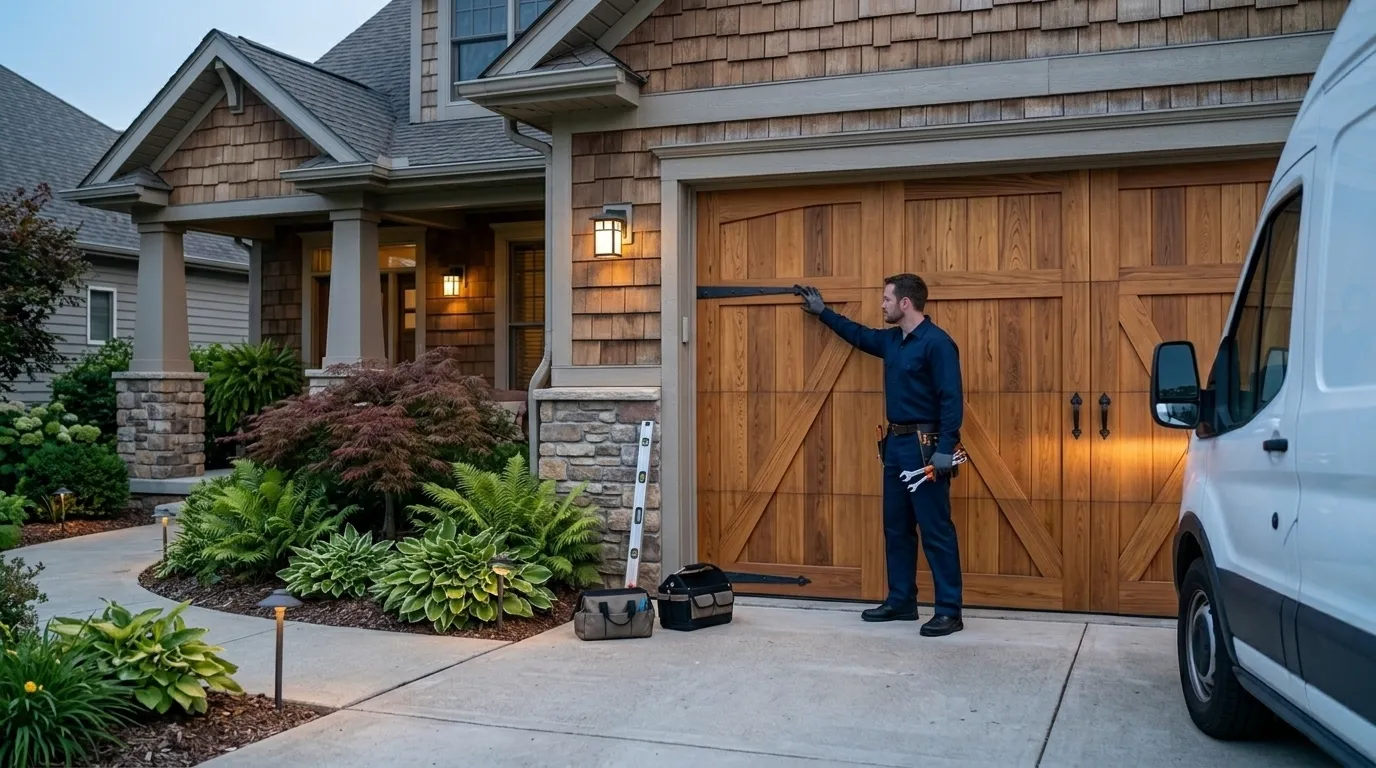
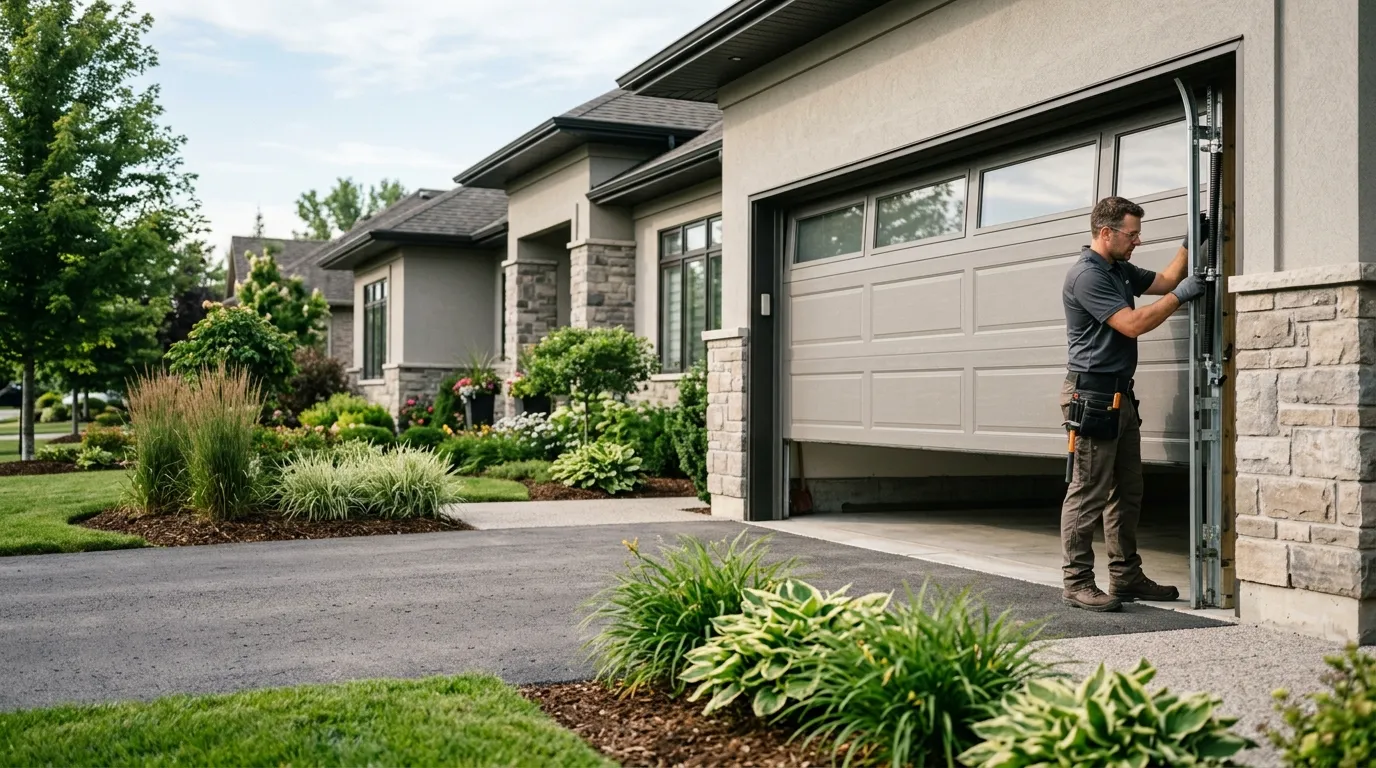
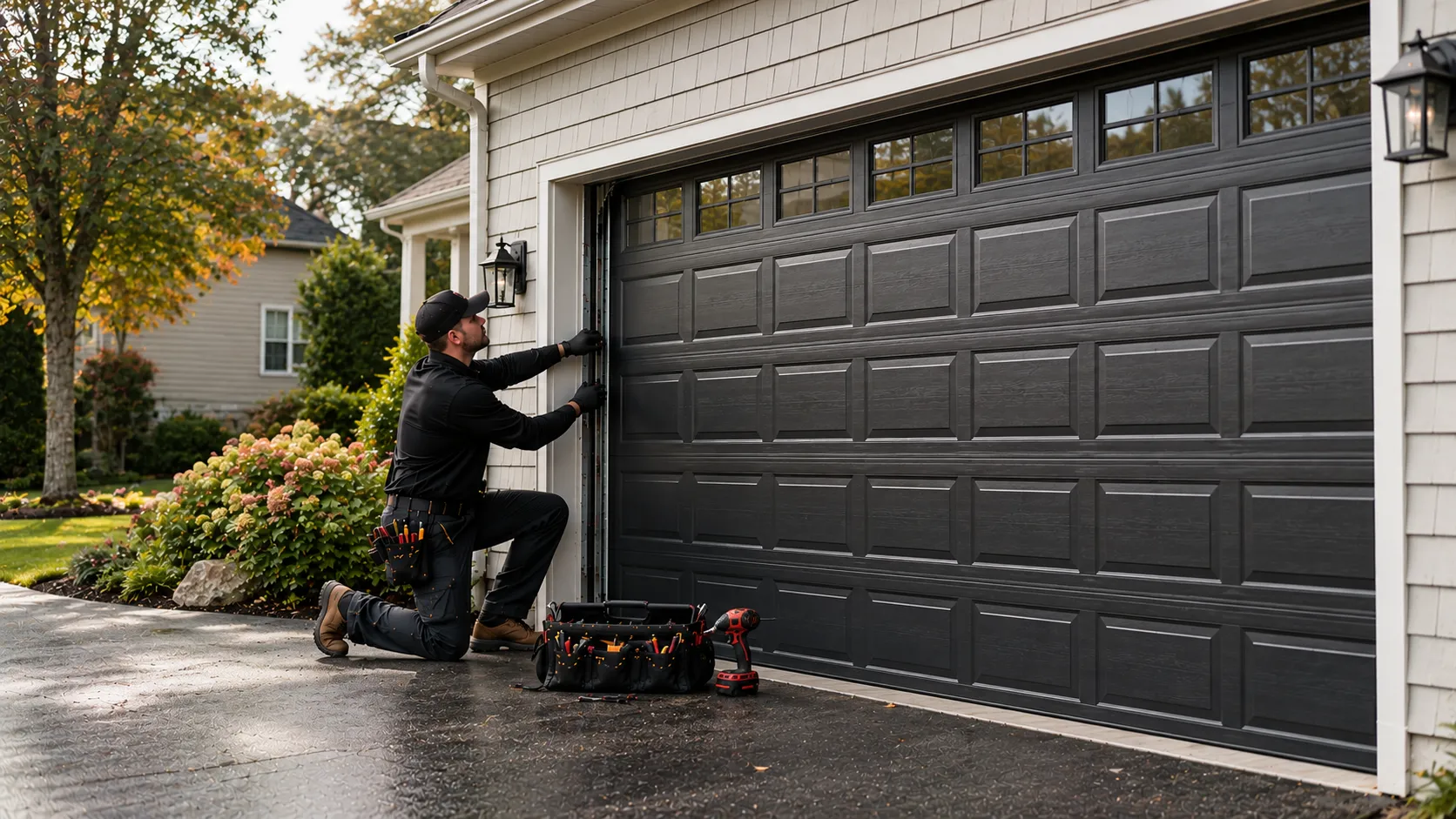
A full set of roller replacements on one door - both tracks, all rollers - is a same-visit job once we're on site. We come out from Marysville, about 15 miles down to Camano, so we schedule the visit rather than promise a same-hour arrival. Most of the time on site goes to checking each track for wear left by the failing rollers, not swapping the rollers themselves, which is quick. If the track's bent from a roller that seized and dragged, straightening or replacing that section adds to the job - we'll tell you on site before doing it, not after.