What You Are Seeing
A torsion spring on a door this age usually doesn't snap without warning signs first. You'll notice the door feels heavier when you lift it by hand with the opener disengaged, or the opener strains and takes longer on the up cycle. Some owners hear a loud bang from the garage - that's the spring letting go, usually mid-cycle, and the door will not move afterward, or it drops fast when the opener tries to lift it. On a 16x7 double door, the difference between a working spring and a broken one is dramatic: a balanced door lifts with two fingers, a broken-spring door won't move at all under the opener's motor. Cold snaps make old torsion springs more likely to fail, since steel contracts and gets less forgiving with fatigue cracks that have been building for years. If your door is original to a 1991 build, and it's showing any of this, the spring is worth checking before it fails on its own schedule instead of yours.
Can You Do This Yourself
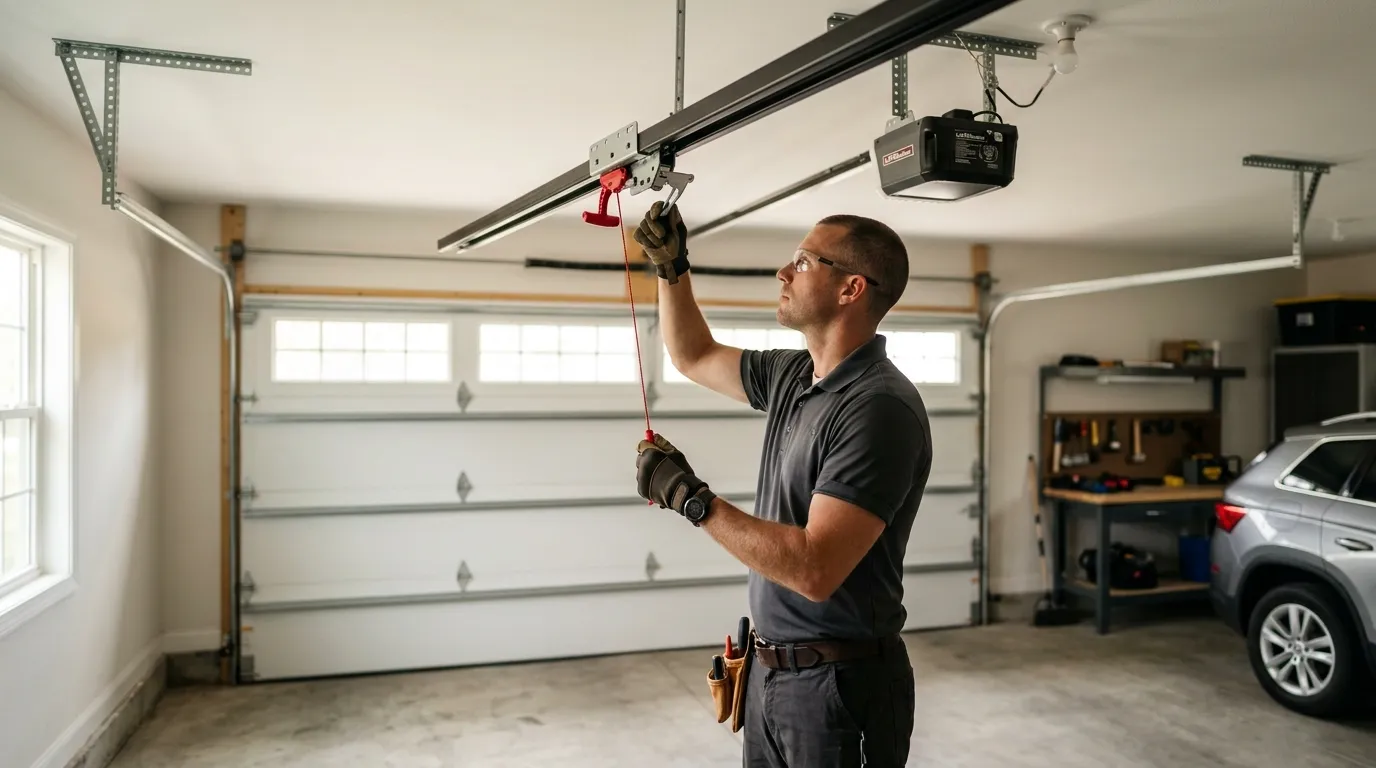
We'll say it straight: a torsion spring on a double door is under enough stored tension to break a wrist or worse if the winding bars slip. This isn't a job we'd walk a homeowner through, and we won't pretend otherwise. If you're comfortable with basic diagnostics - checking whether the cable is still on the drum, confirming the opener isn't the actual fault, or testing door balance with the opener disconnected - that's reasonable and it saves us a trip if the fix turns out to be something smaller. But winding or unwinding a torsion spring without the right bars and a clear sense of what you're doing is the one step we'd tell you to leave alone, on a door this size, every time.
What the Repair Takes
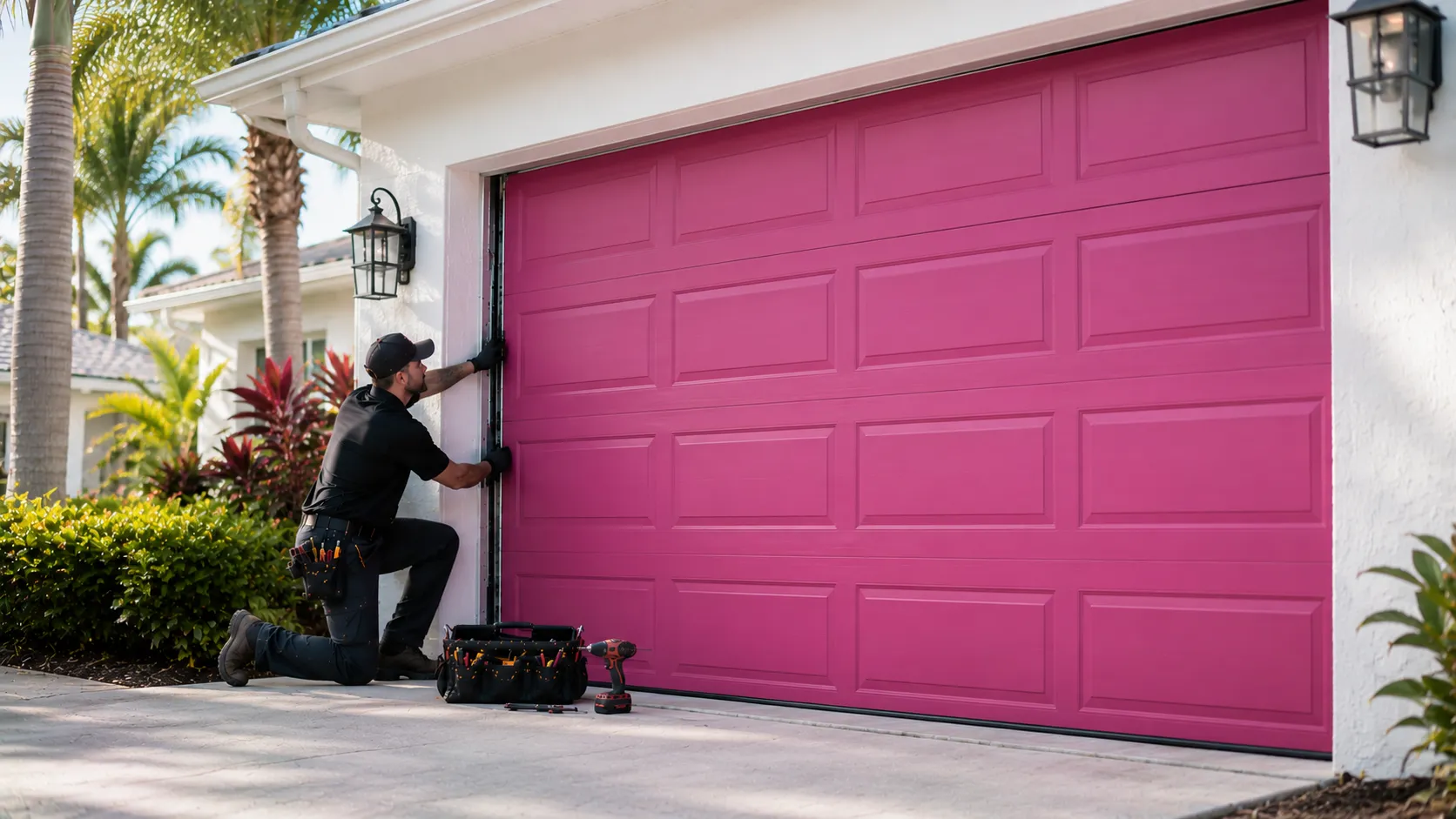
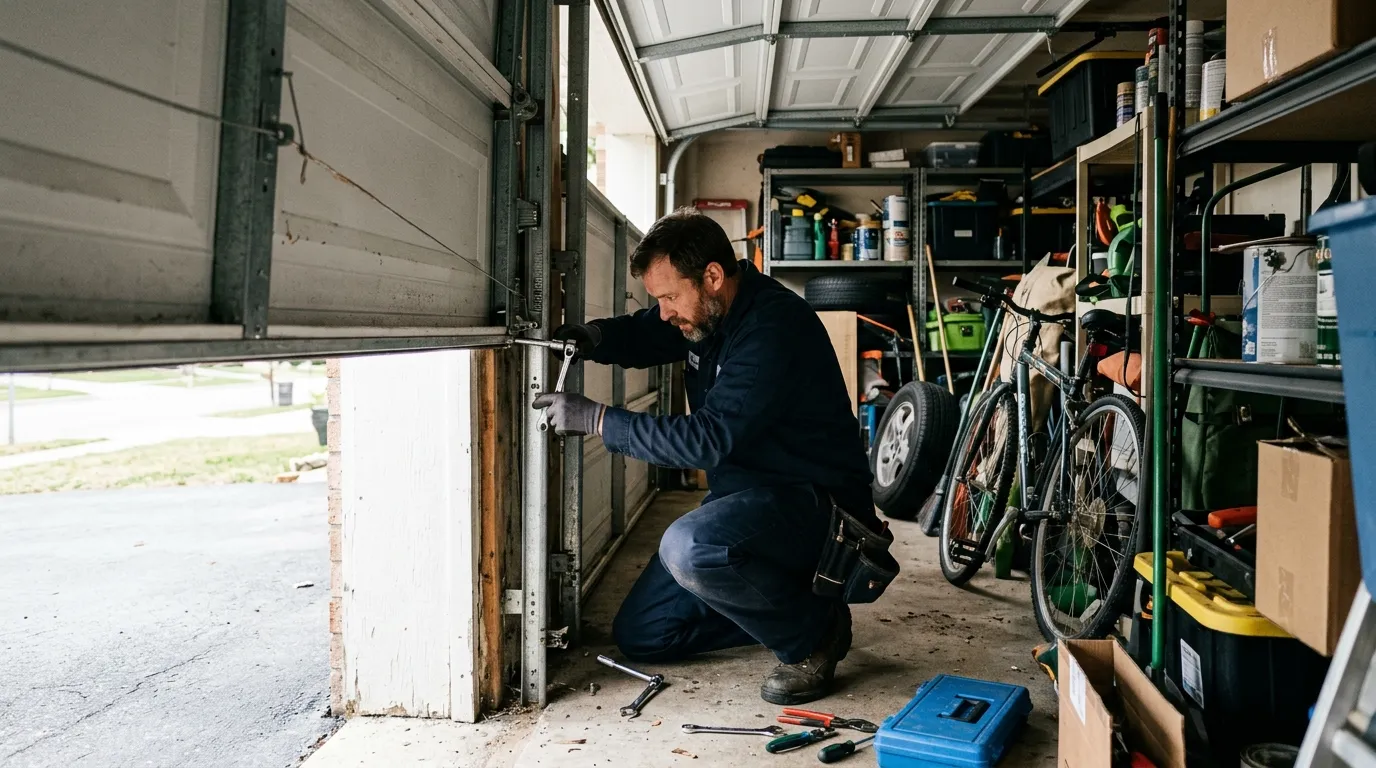
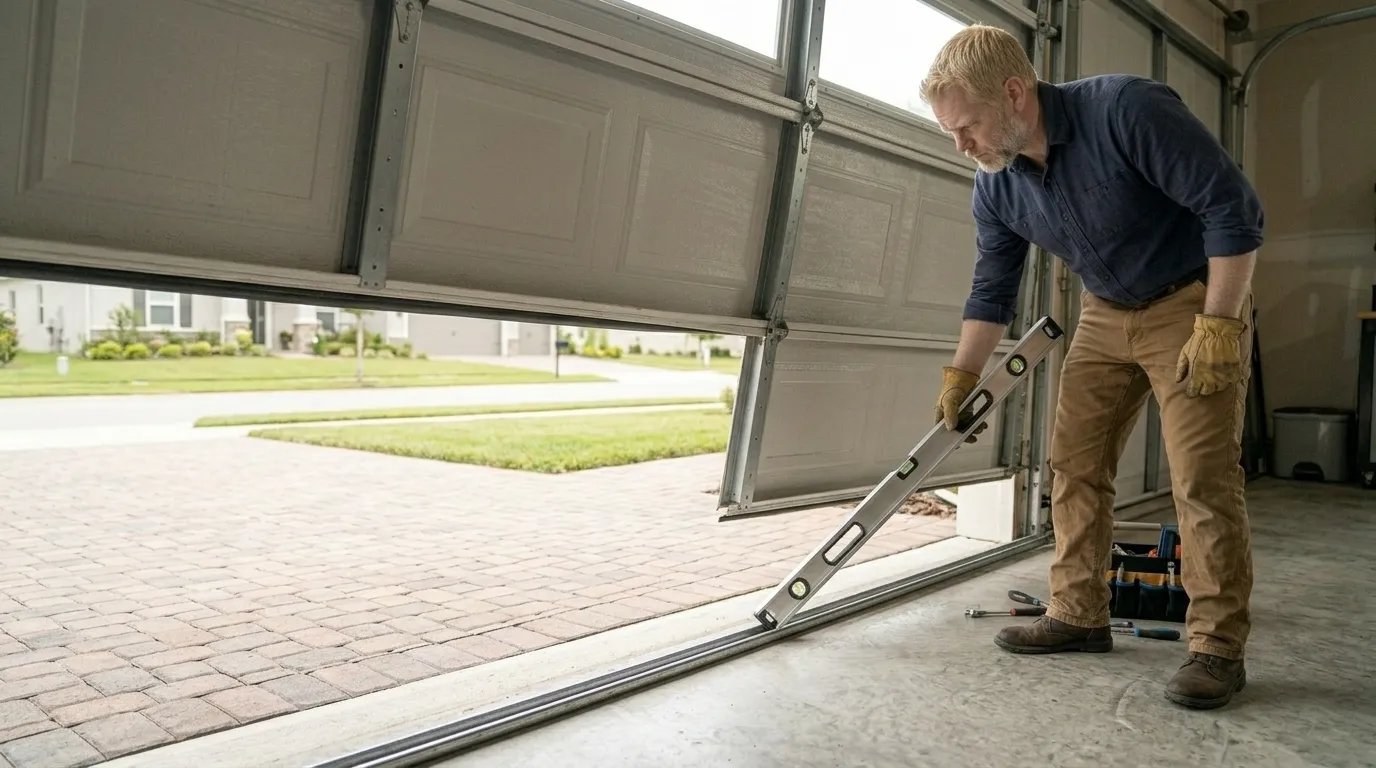
We travel out from Marysville, about 15 miles to reach Camano, so the job starts with a look at the door in person - balance test, spring inspection, cable and drum check. A straightforward torsion spring swap on a door from the 1972-2000 window is usually a same-visit job once we've confirmed what's actually broken. What takes longer is anything hiding behind the obvious failure: a bent track, worn rollers, or an opener that's been fighting an unbalanced door for months and is now stressed itself. We won't know which one you've got until we're standing in front of it, so we price the visit around what we find, not a number quoted sight-unseen.