The Complications
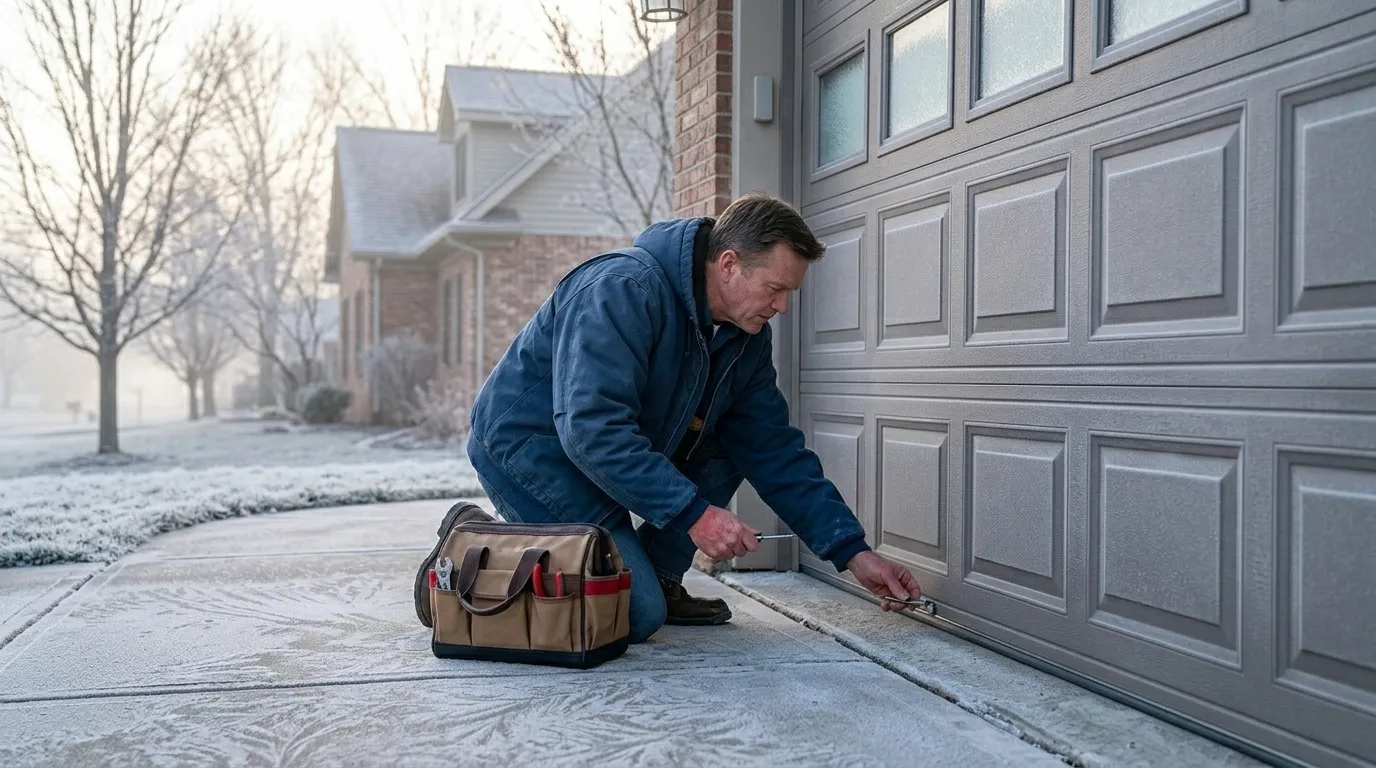
Monroe is about 17 miles out from our shop in Marysville, so when a spring snaps here it's not a five-minute response - we're planning the drive time into the job before the truck leaves. That distance matters more in a cold-moderate climate: a stiff torsion spring that's already fatigued can go from noisy to broken during the first hard cold snap of the season, and we get more of those calls from this side of the territory in January and February than any other month.
The other complication is age matching. A door and opener installed around 1996 has hardware that was standard then but isn't always stocked the same way now - some torsion spring wind counts and drum sizes have shifted since. We carry the common sizes, but if a house has an oddball setup from a builder who didn't use the usual supplier, we may need to source a part rather than swap it on the spot. We'll tell you that on-site, not after we've already opened the door up.
How Long It Takes
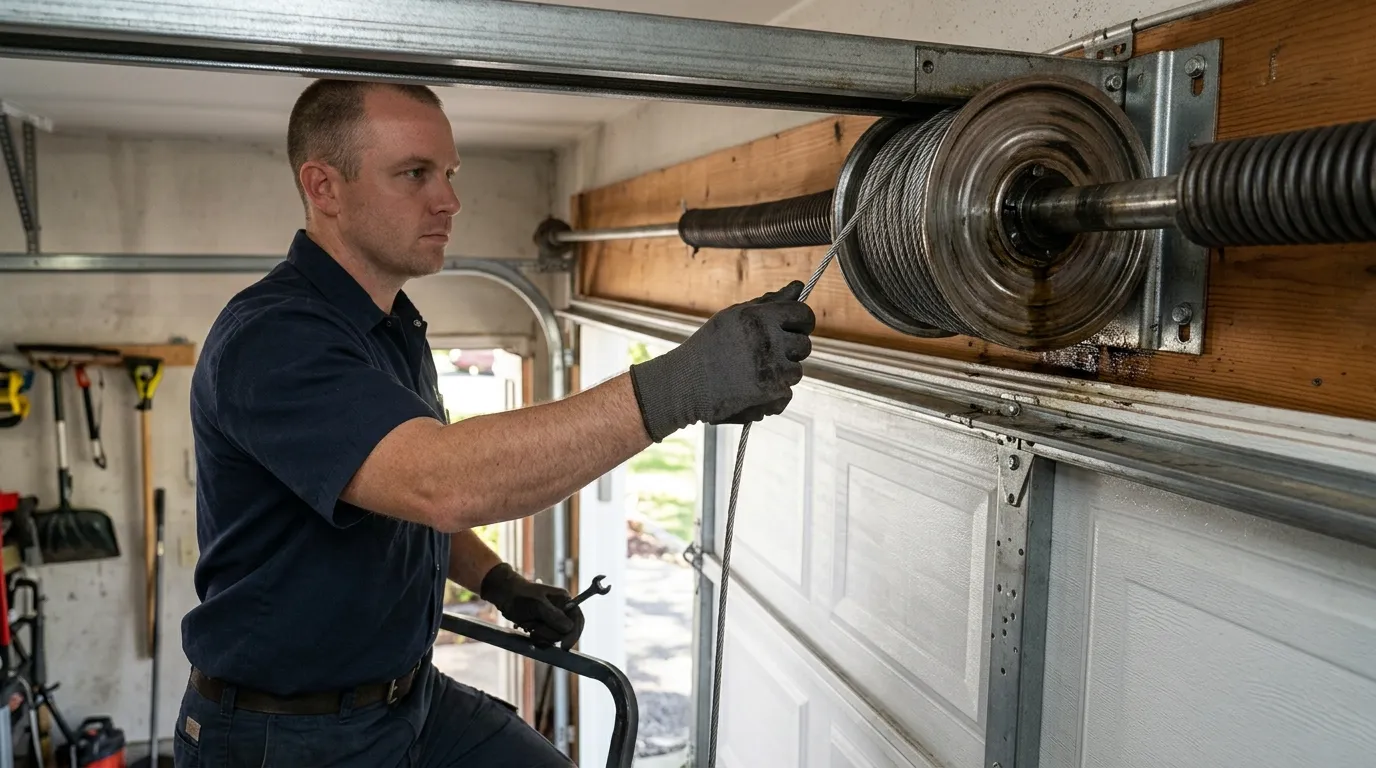
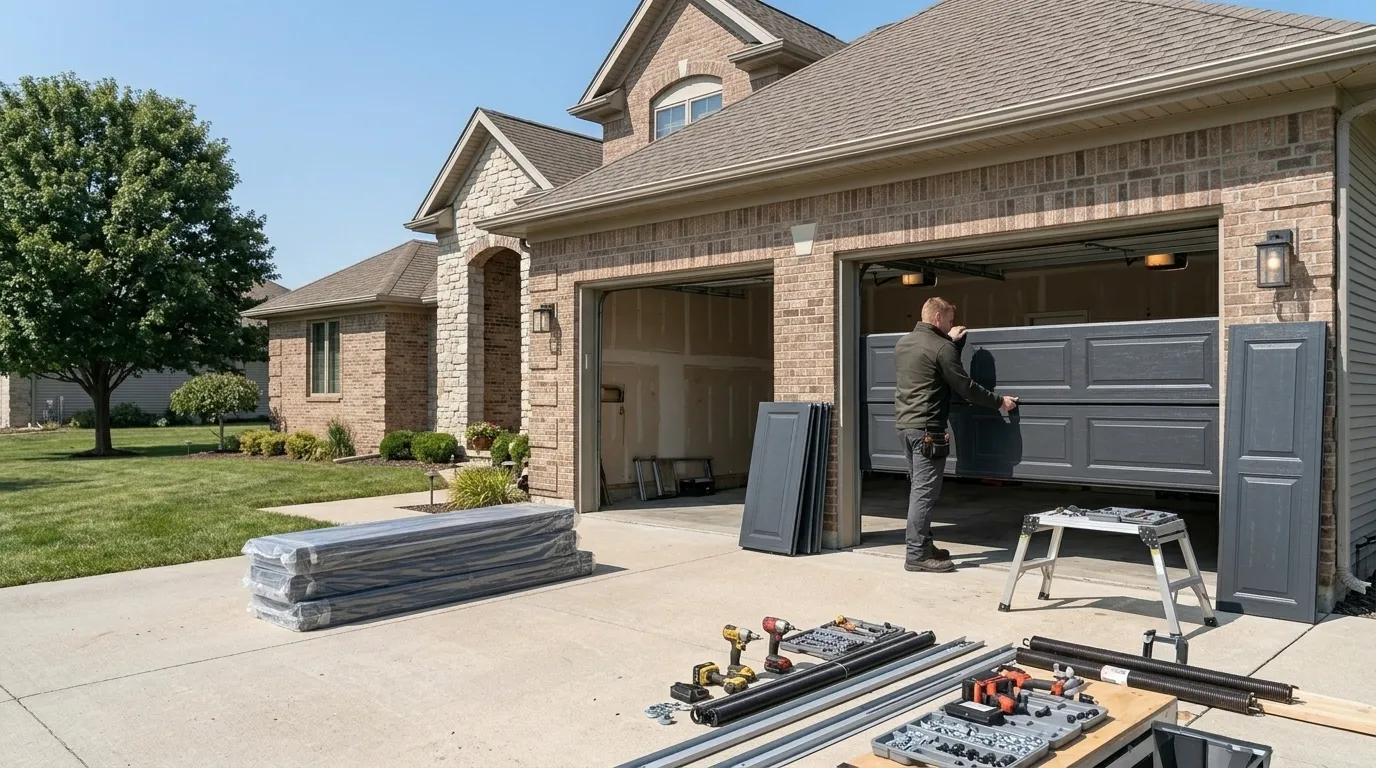
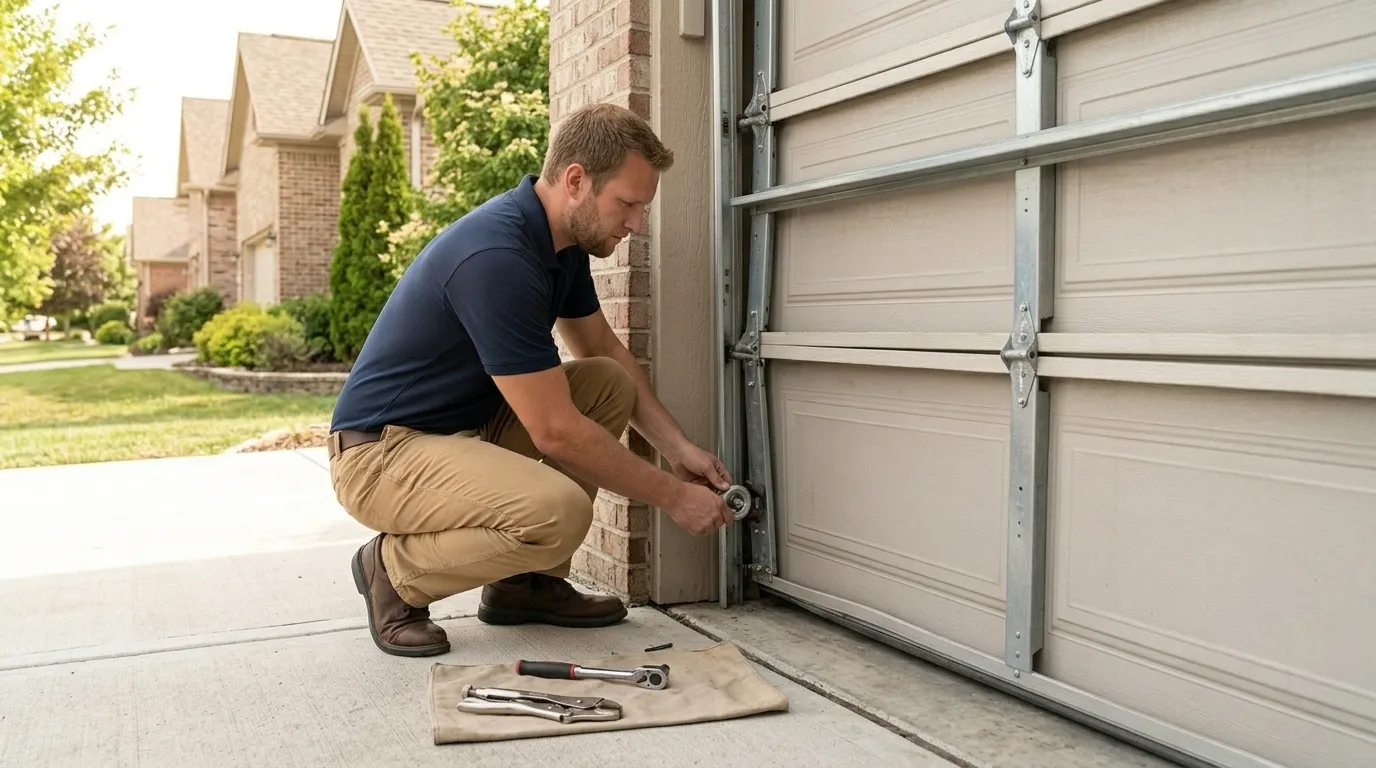
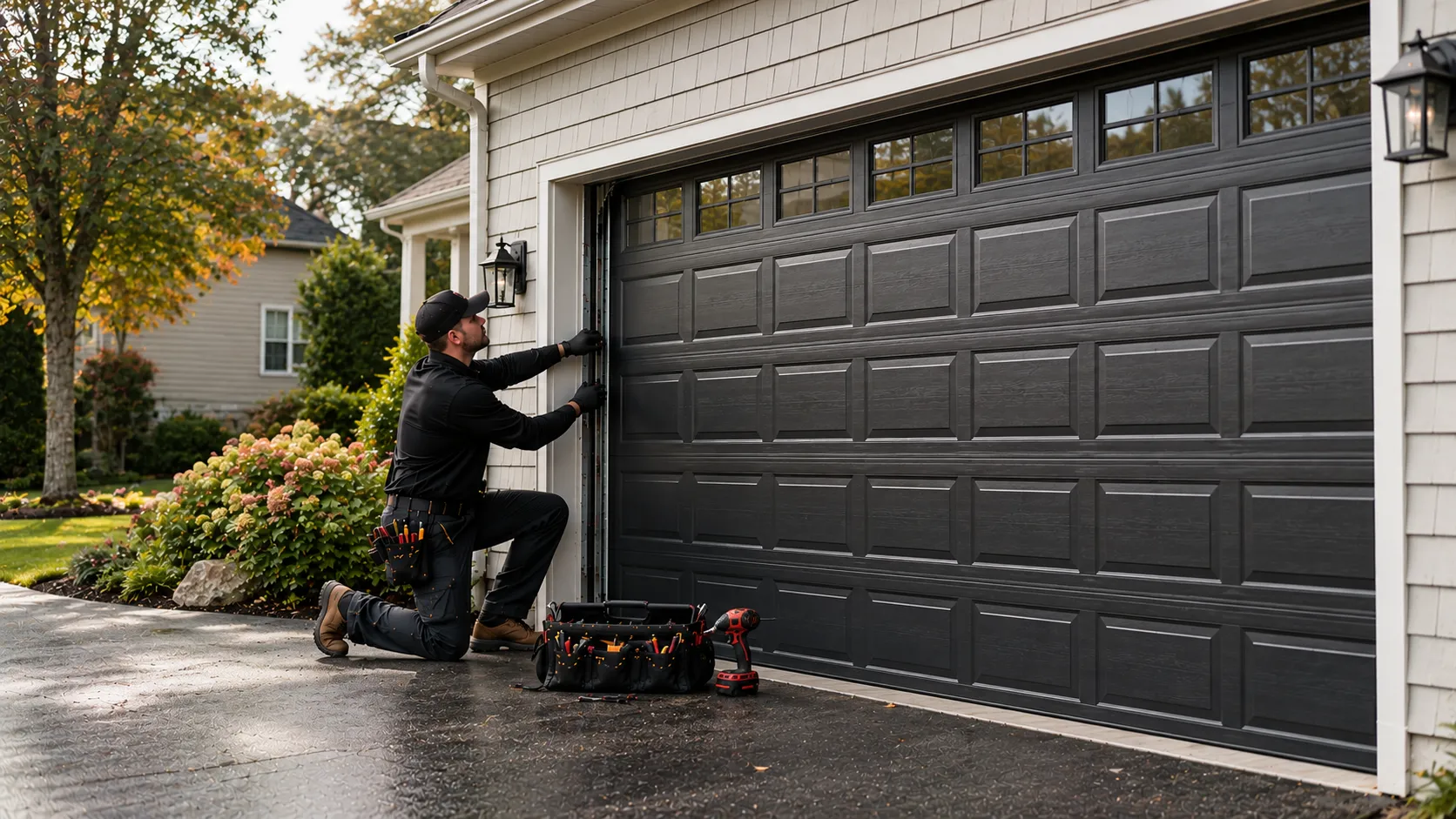
A straightforward torsion spring replacement on a door from this era, once we're on-site with the right size in hand, is usually the fastest repair we do - it's mechanical, it's predictable, and the hardware from 1996-vintage installs is well understood. Cable replacement and roller swaps run about the same.
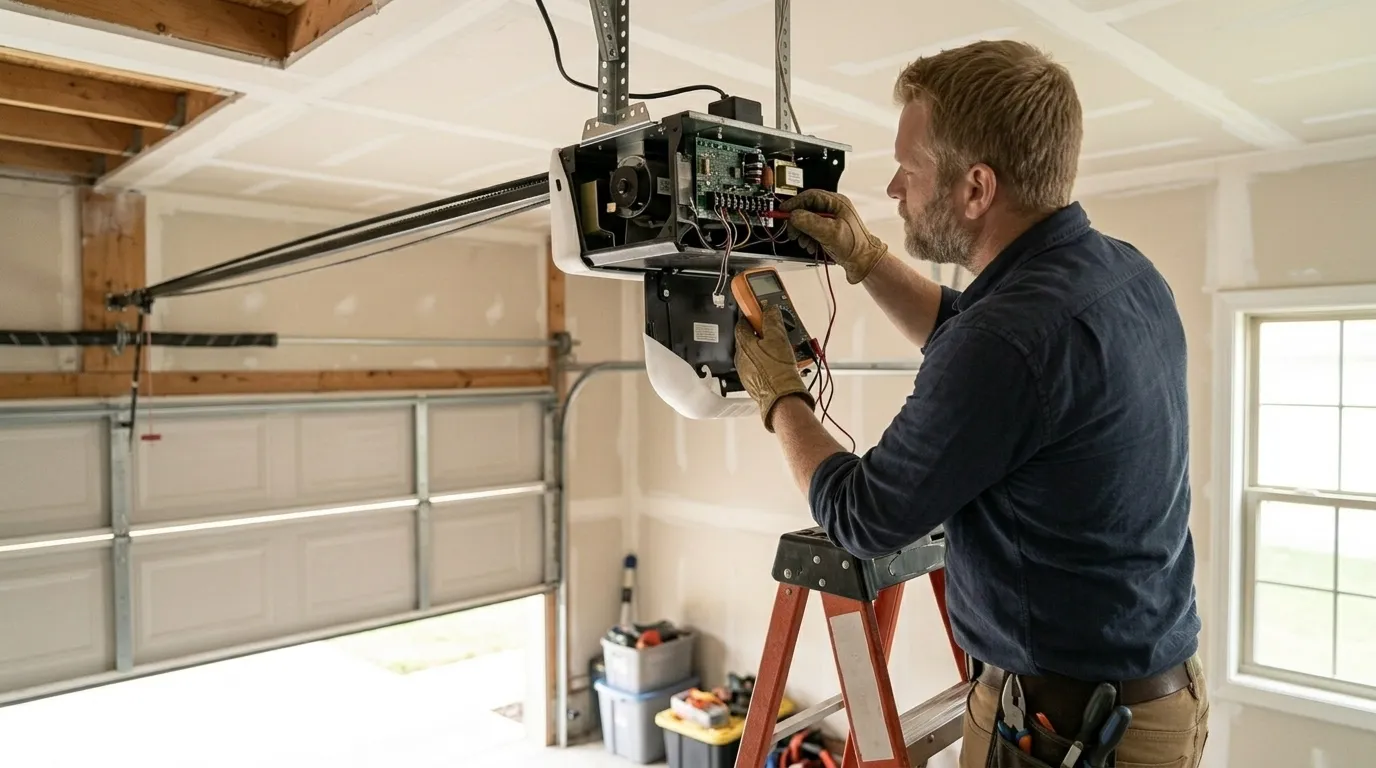
Where it slows down is diagnosis versus repair. If the opener logic board is the actual problem and not the spring - which happens more than people expect on original 1990s chain-drive units - we may need to confirm the part is still available before we commit to a timeline. We won't guess and charge you for a spring you didn't need. Given the 17-mile trip from Marysville, we try to nail down what's actually broken over the phone first, so the truck arrives with the right part instead of a guess.
What You Are Seeing
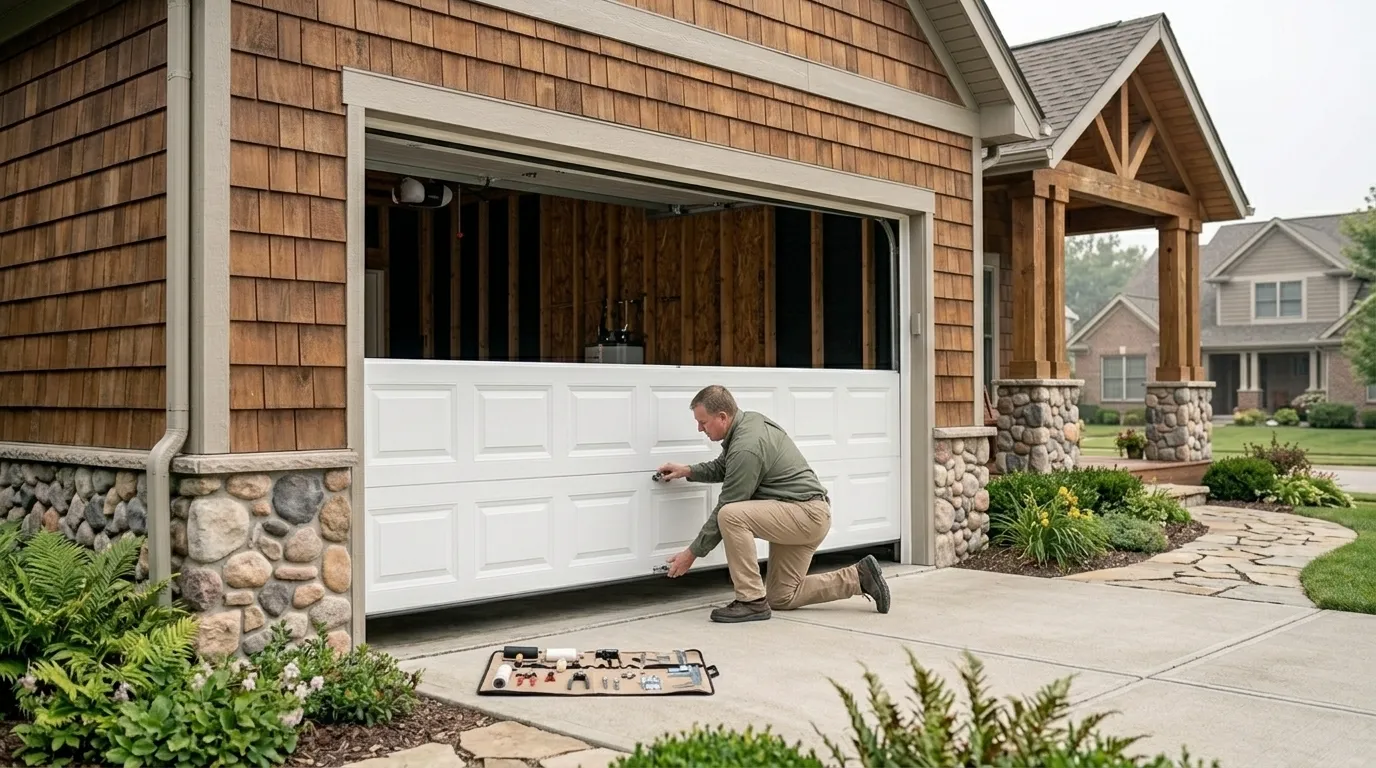
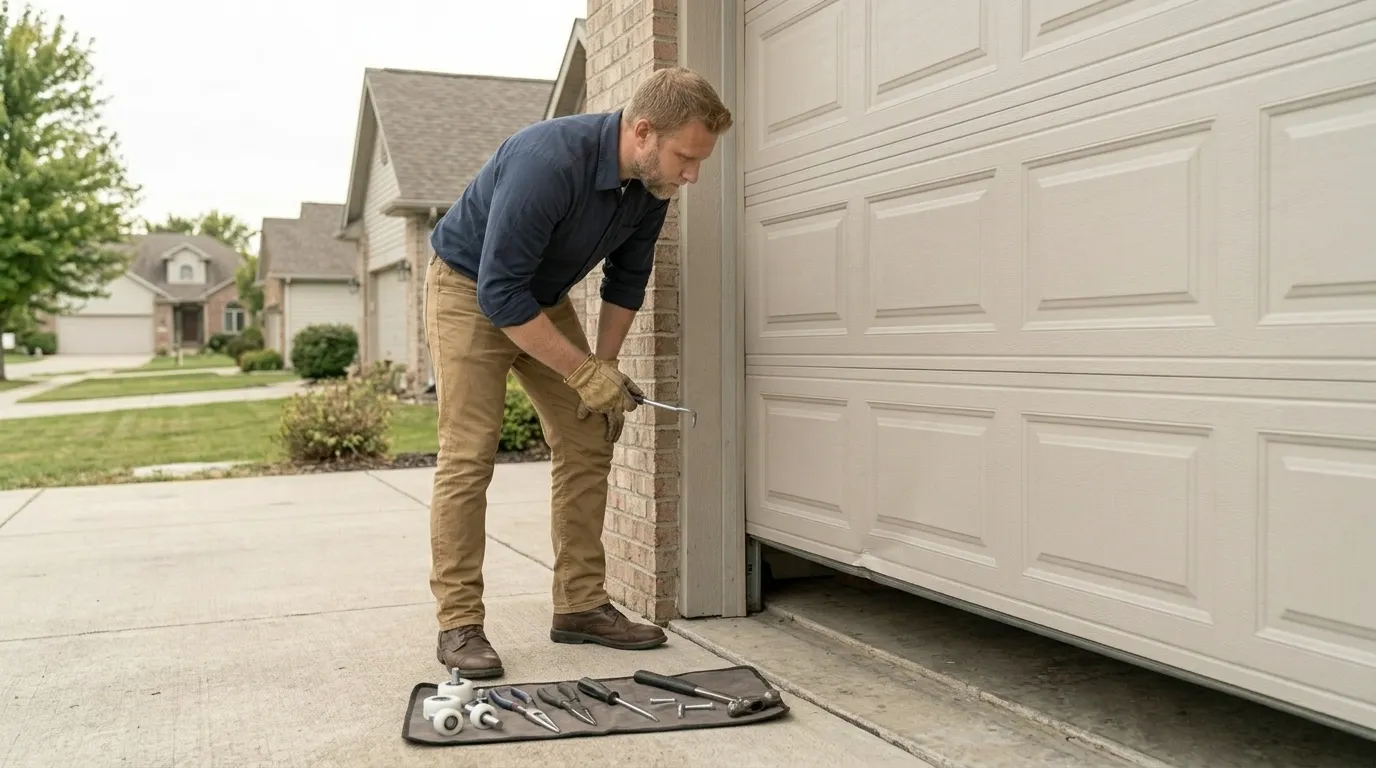
A door that slams down the last foot instead of lowering evenly is almost always a broken or unwound torsion spring, and on a house from the mid-1990s that's the single most common failure we see. A door that reverses right after it starts closing is usually the photo-eye sensors, not the spring - check those before you call. Cables that look frayed or kinked near the bottom bracket mean the cable is close to failing and the door could drop unevenly on one side.
If the opener runs but the door doesn't move, or you hear the motor working with no door movement, that's often a stripped gear in an original chain-drive unit - common on Monroe's older stock. Grinding or a burning smell from the opener box means stop using it and call before it fails outright. None of these are urgent enough to risk pulling the spring apart yourself, but none of them get better by waiting either.