
The Complications
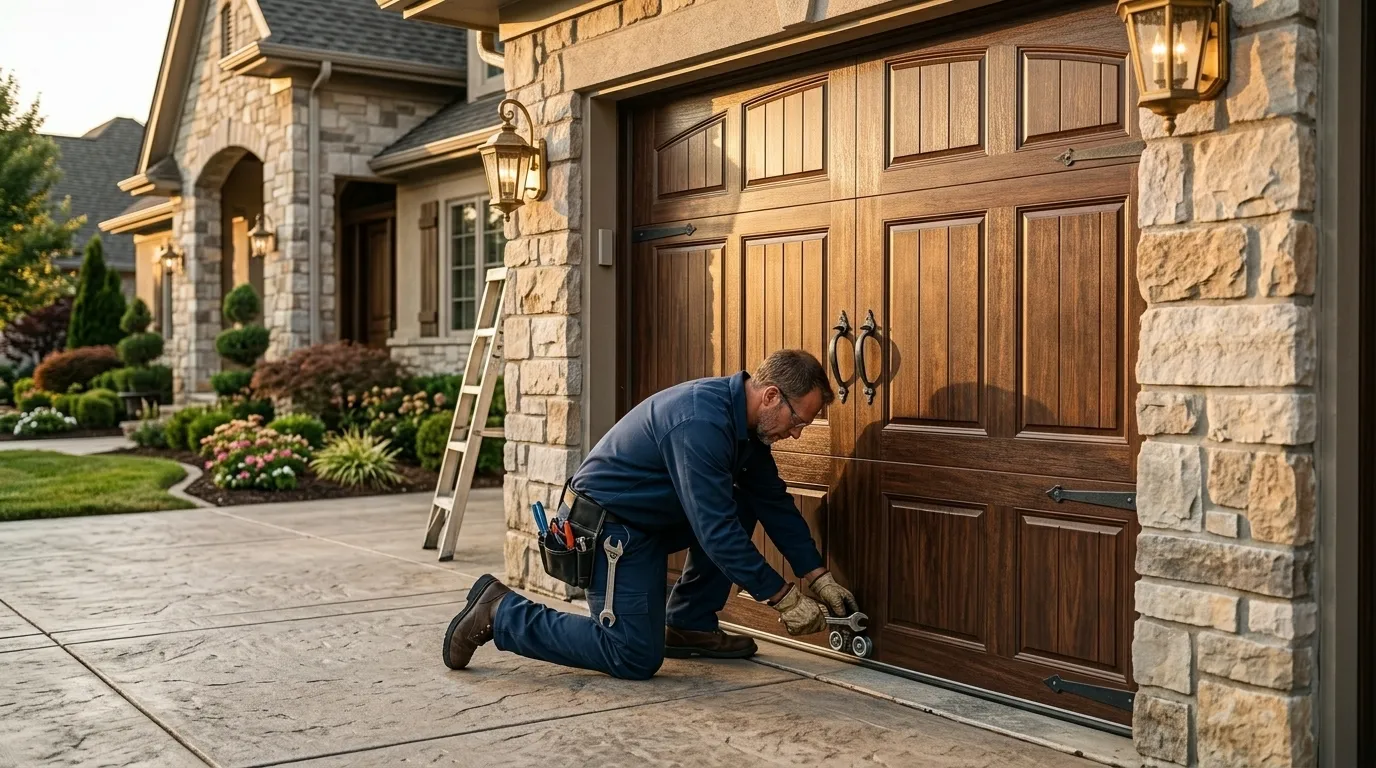
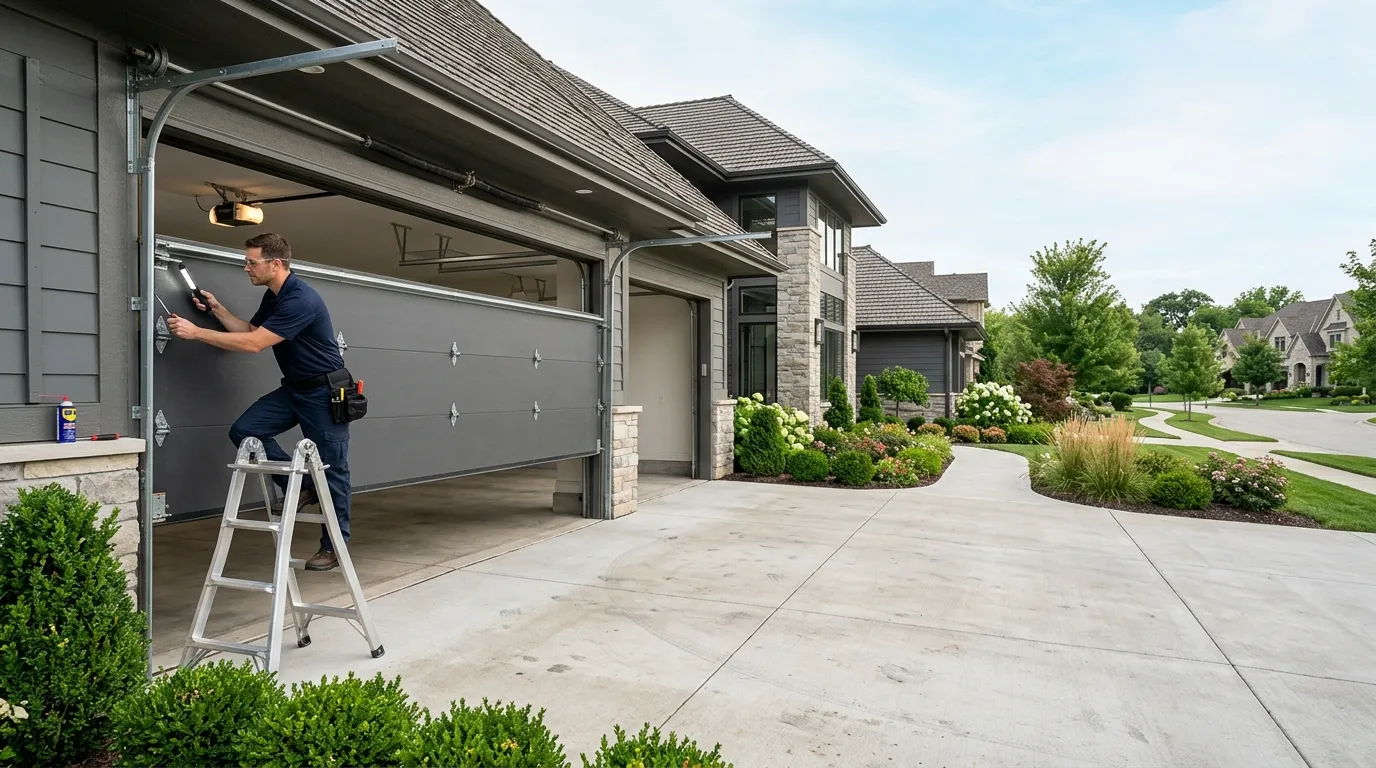
A 1996-era door in this area has usually had one owner-side repair already, or none at all, which creates two different problems depending on which side of that line your house falls on. If nothing's ever been touched, original hardware from the mid-90s is now pushing three decades of cycles - springs fatigue on a schedule measured in cycles, not years, and a door used twice a day for that long is due. If a repair happened at some point, the complication is mismatched parts: a spring swapped once with the wrong wind direction, or a roller size that doesn't match the rest of the track, both of which show up as noise or drift that a fresh eye has to diagnose before fixing anything. The area's cold moderate climate plays into this too - temperature swings through the year affect steel spring tension slightly, enough that a door adjusted in summer can feel stiffer by winter. None of this is exotic. It's ordinary wear on ordinary 90s hardware, and most Monroe calls fall into one of these categories rather than anything unusual.
How Long It Takes
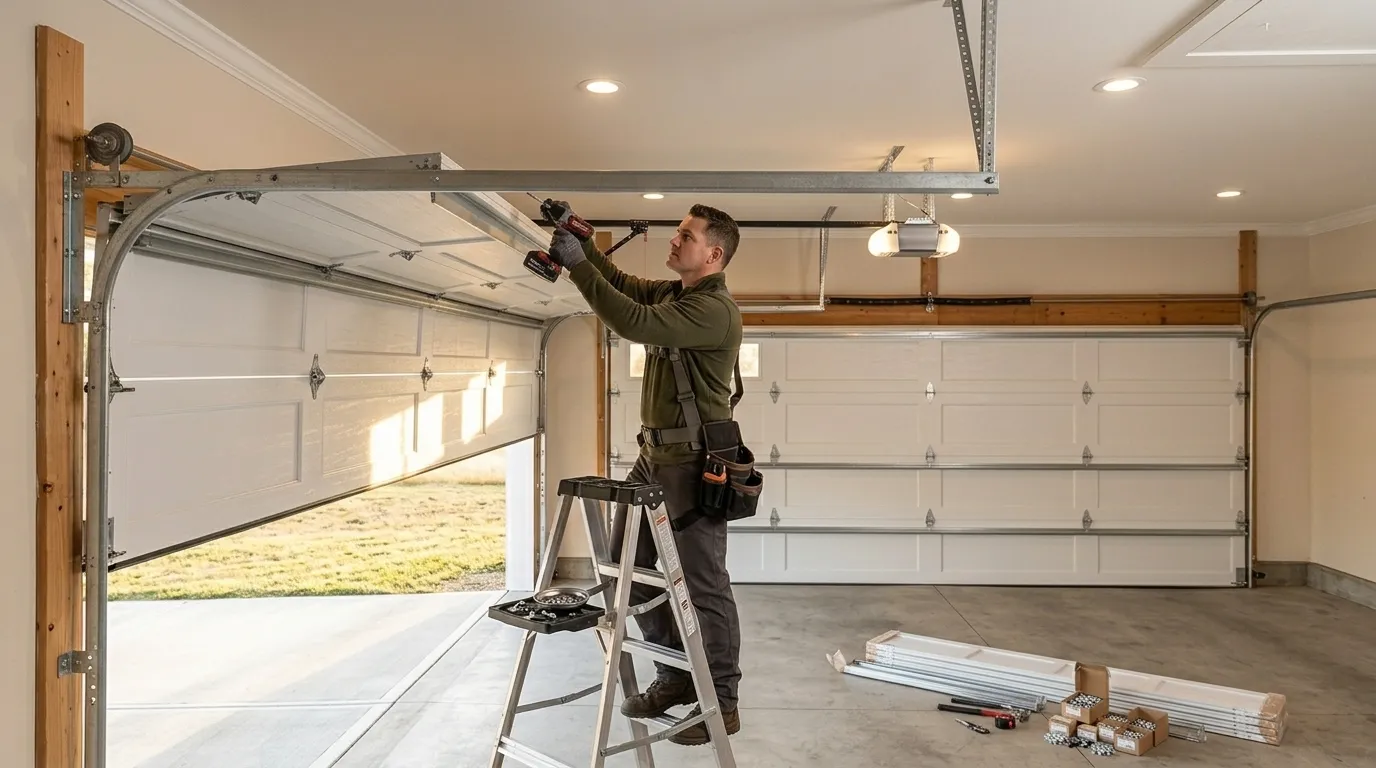
We don't have a fixed number to give you here, and stating one without a Monroe-specific figure would be a promise we can't back up. What we can tell you is what drives the timeline: the drive itself adds time on either end of the appointment window that a Marysville-based job wouldn't have, and the fix itself is usually straightforward once the tech is on site - a torsion spring swap, an opener board replacement, or a track realignment on a door of this era typically doesn't require special-order parts. Where it stretches out is when the door doesn't match the standard mid-90s profile - a custom width, an obsolete opener model - and a part has to be ordered before the second visit. Call ahead with the door's approximate age and any symptoms (grinding, one side dropping faster than the other, an opener that hums but doesn't lift) and we'll have a better sense of what's on the truck versus what needs sourcing before anyone makes the drive.
What You Are Seeing
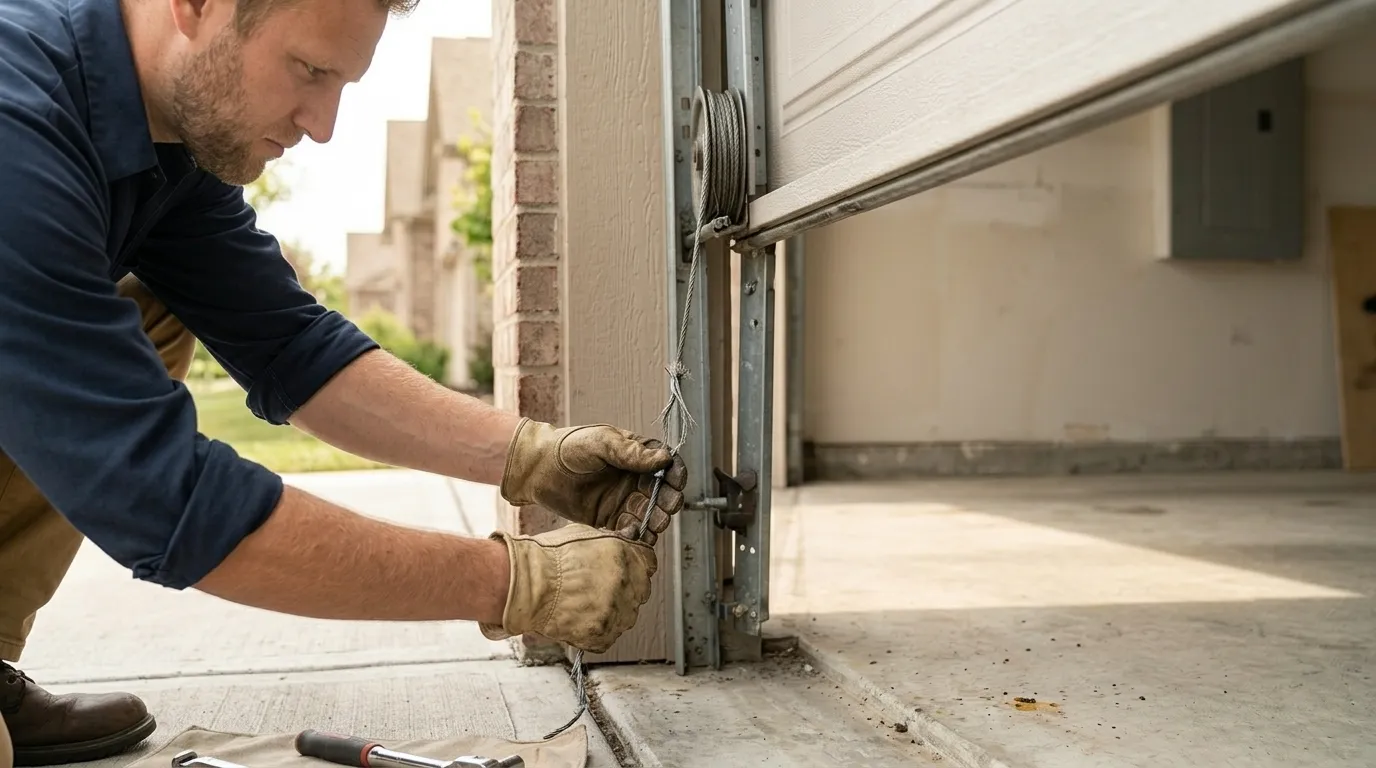
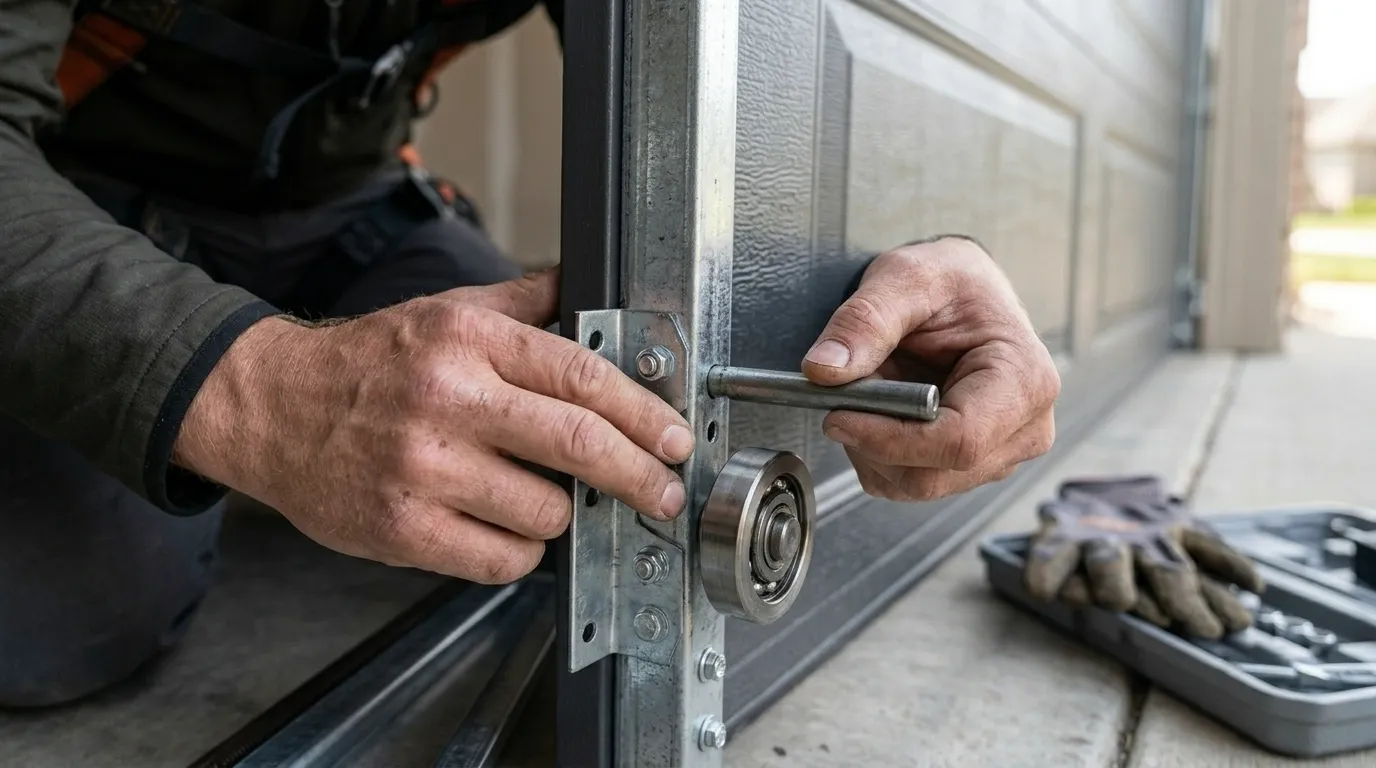
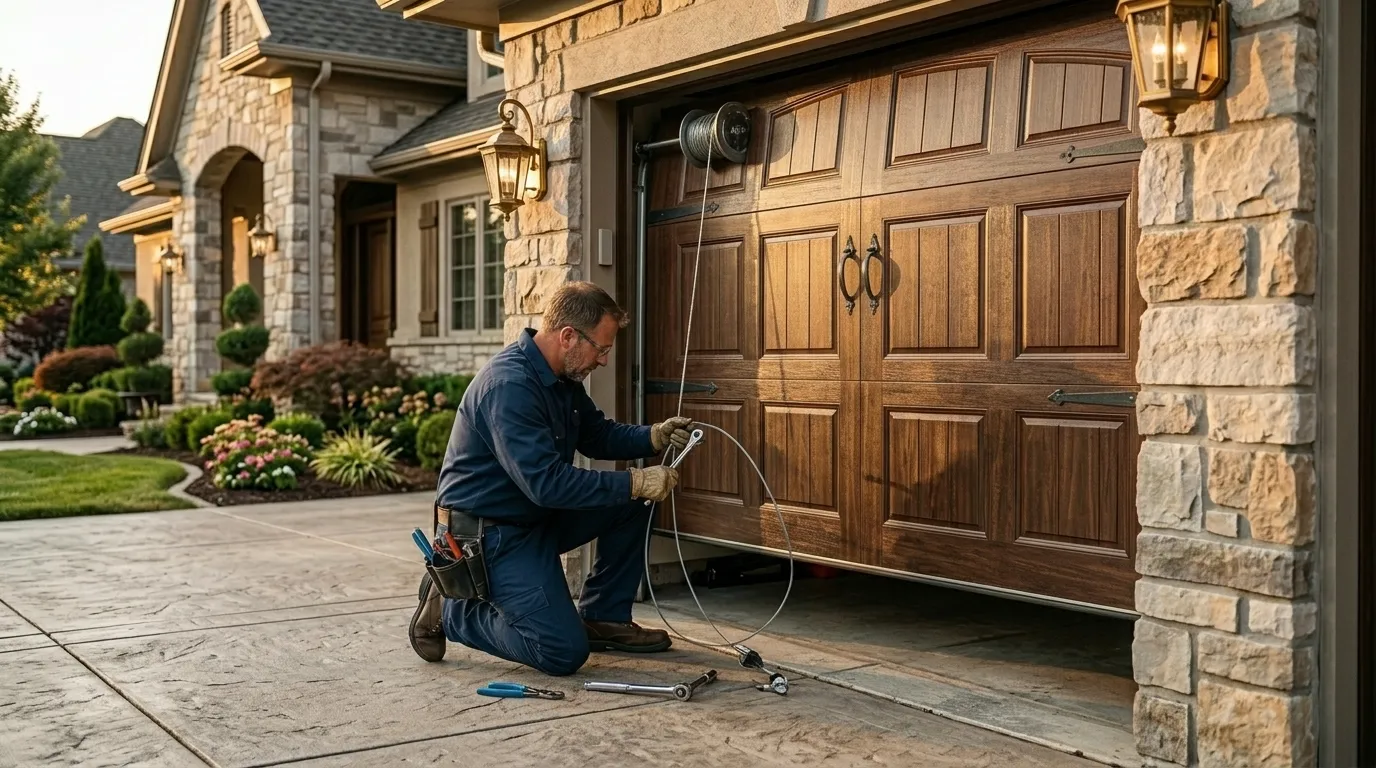
A door that shudders and stops partway up on a house from this era is usually a spring losing tension, not a track problem - the two look similar but the fix is different. If one side of the door visibly sags lower than the other when it's down, that's often an unevenly worn cable or a spring that's already partially failed on one side. A grinding noise that tracks the door's full travel points to rollers, which on 90s hardware are frequently the nylon type that wears out well before the rest of the door. An opener that runs but the door doesn't move usually means the drive gear inside the unit has stripped, which is a common failure point on boards from this build era and typically means replacing the opener rather than repairing it. If you're not sure which of these you're looking at, describe what you see and hear when you call - that's usually enough to know what's coming on the truck.