The Complications
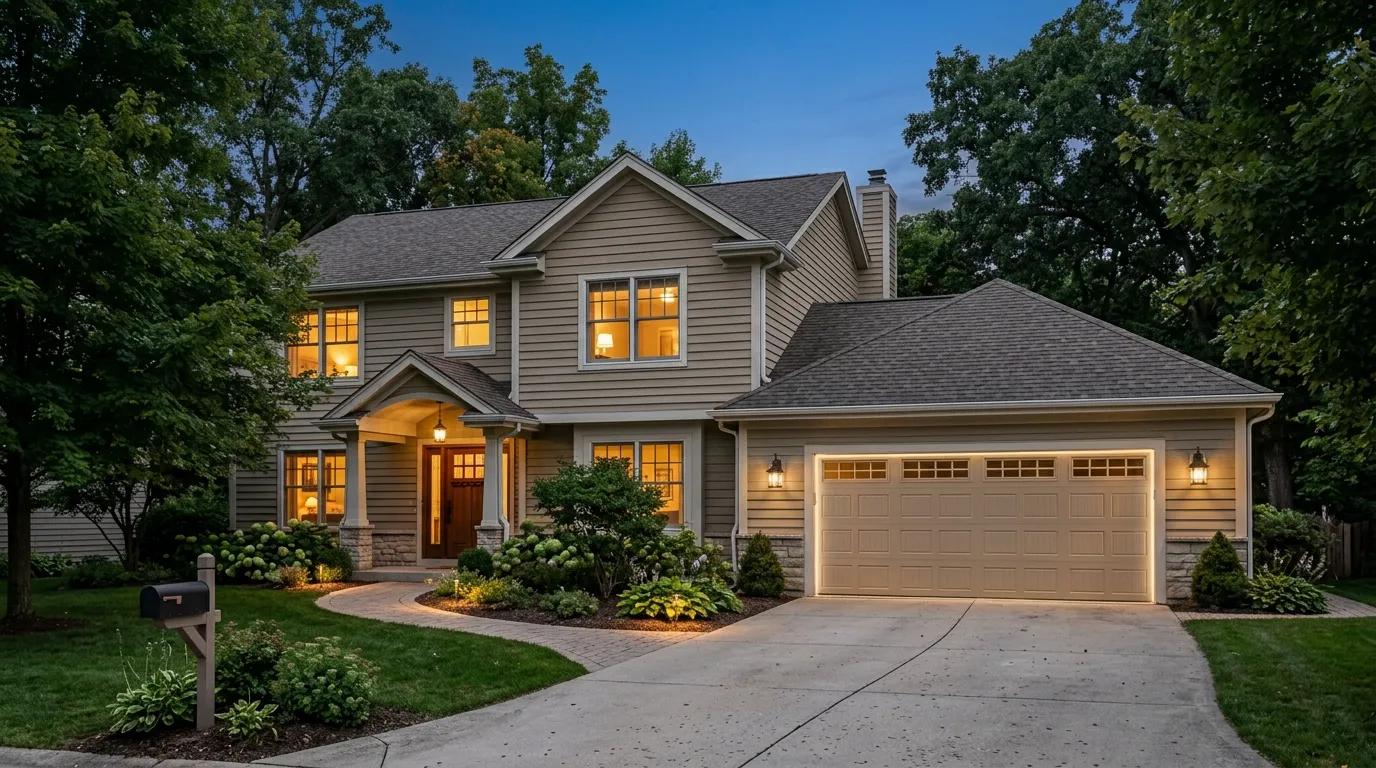
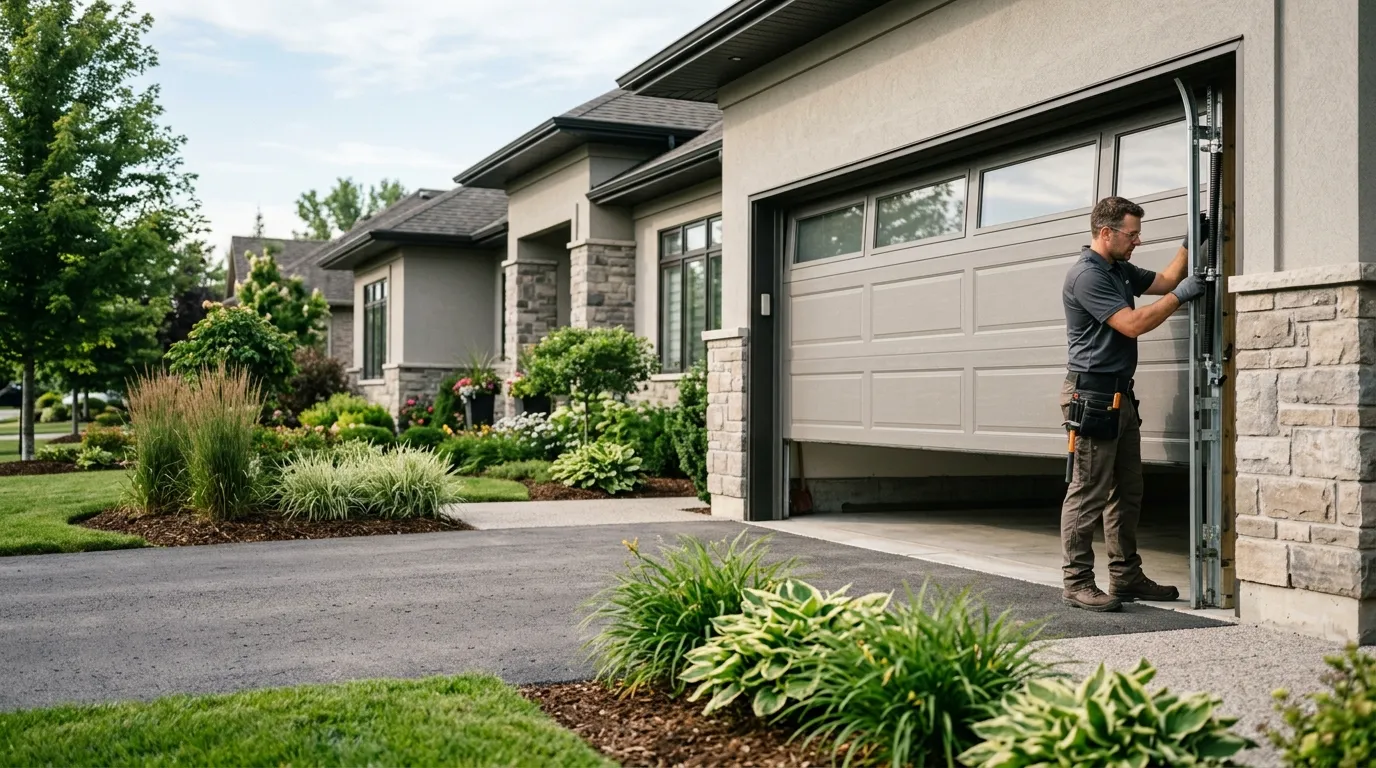
Monroe's housing stock centers on a median build year of 1996, newer than a lot of what surrounds it. That's good news and bad news. Good, because you're less likely to be fighting a door built to a code that no longer exists. Bad, because mid-90s garage door openings were framed to a handful of standard sizes, and if a previous owner squeezed in a wider door or a custom insert, the header and jamb may not be square anymore, which adds framing work to what looked like a straight swap. We're 17 miles out from our Marysville base, which doesn't change the install itself but does mean we plan the trip as one job with the parts loaded, not a scouting visit followed by a second trip. Winters here sit in the cold-moderate band, so we spec weatherstripping and bottom seals rated for that, not the lighter trim some off-the-shelf doors ship with.
How Long It Takes
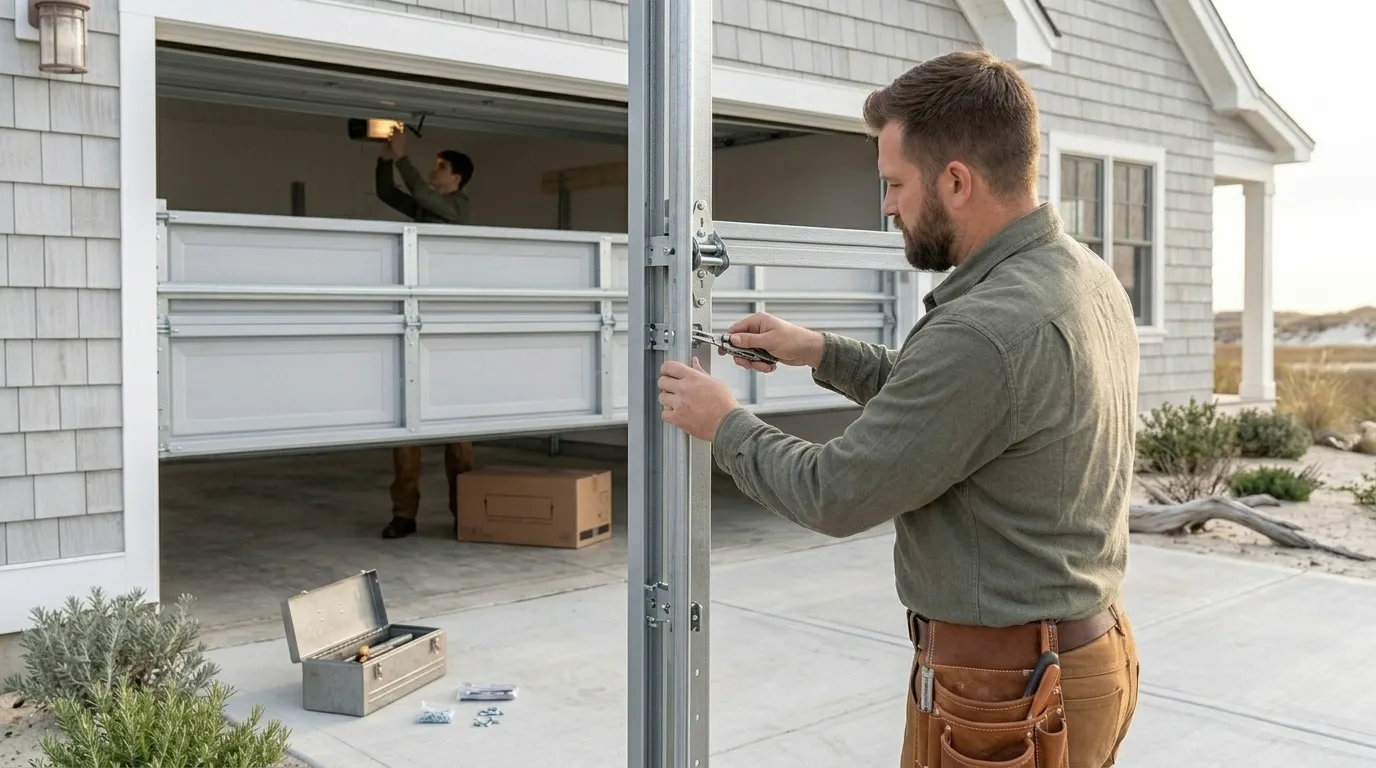
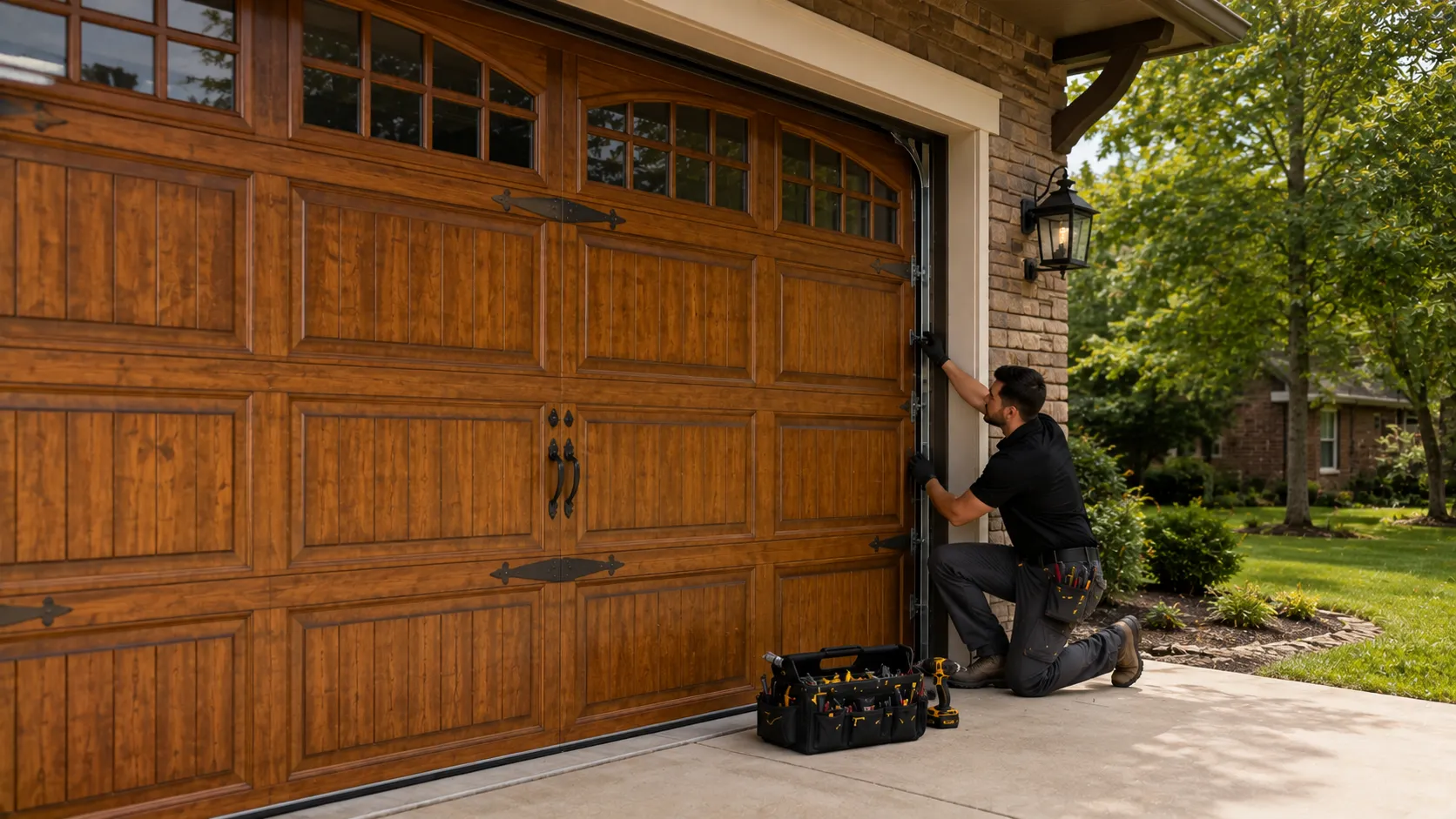
A straight swap - same size opening, same drive type, no framing changes - is a one-day job start to finish. Add a size change, a rotted jamb, or a switch from chain drive to belt drive and you're looking at extra hours for framing and wiring, sometimes a second visit if a part has to be ordered in. We won't give you a number before we've seen the opening; a lot of installers quote off a phone call and then the framing surprise shows up on-site. If your door was original to a house built around that 1996 median, expect us to check the track alignment closely - settling over near thirty years shifts things more than people assume.
What You Are Seeing
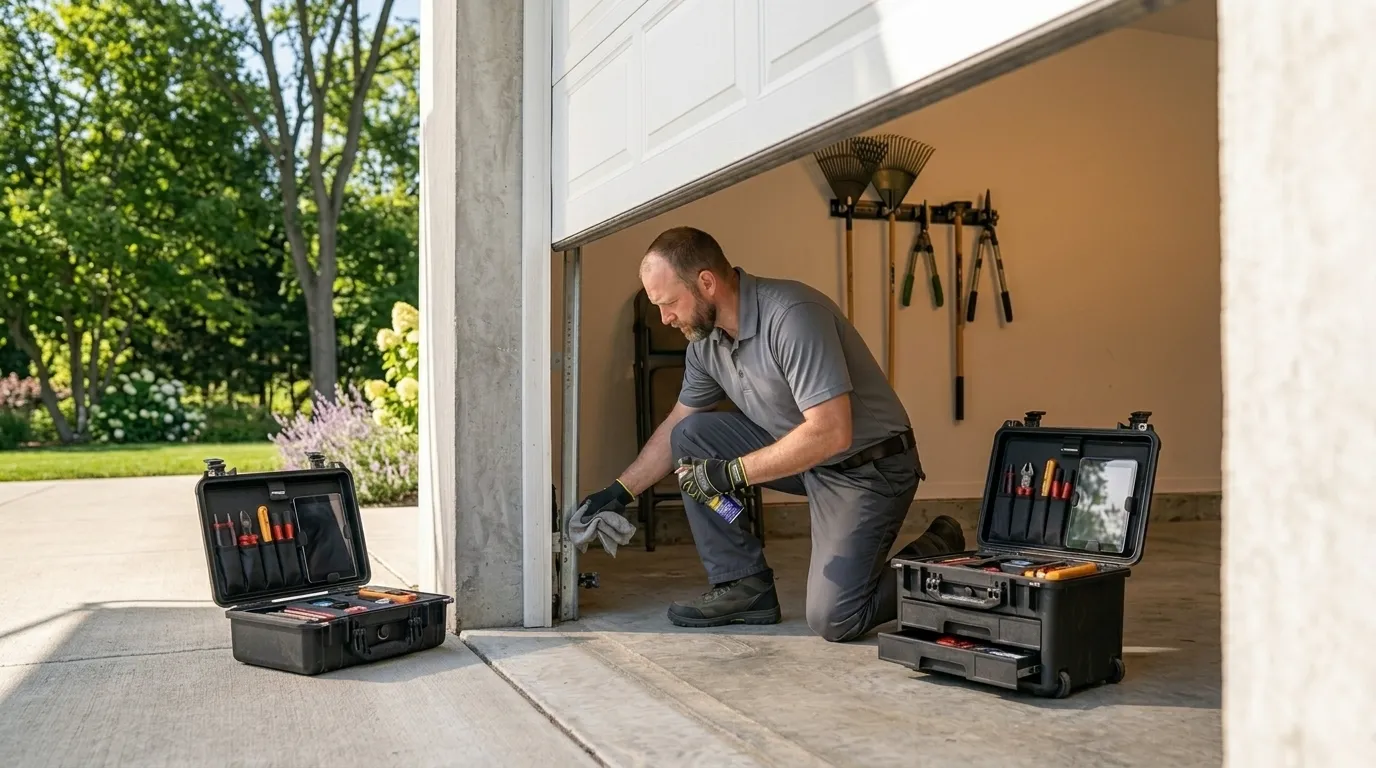
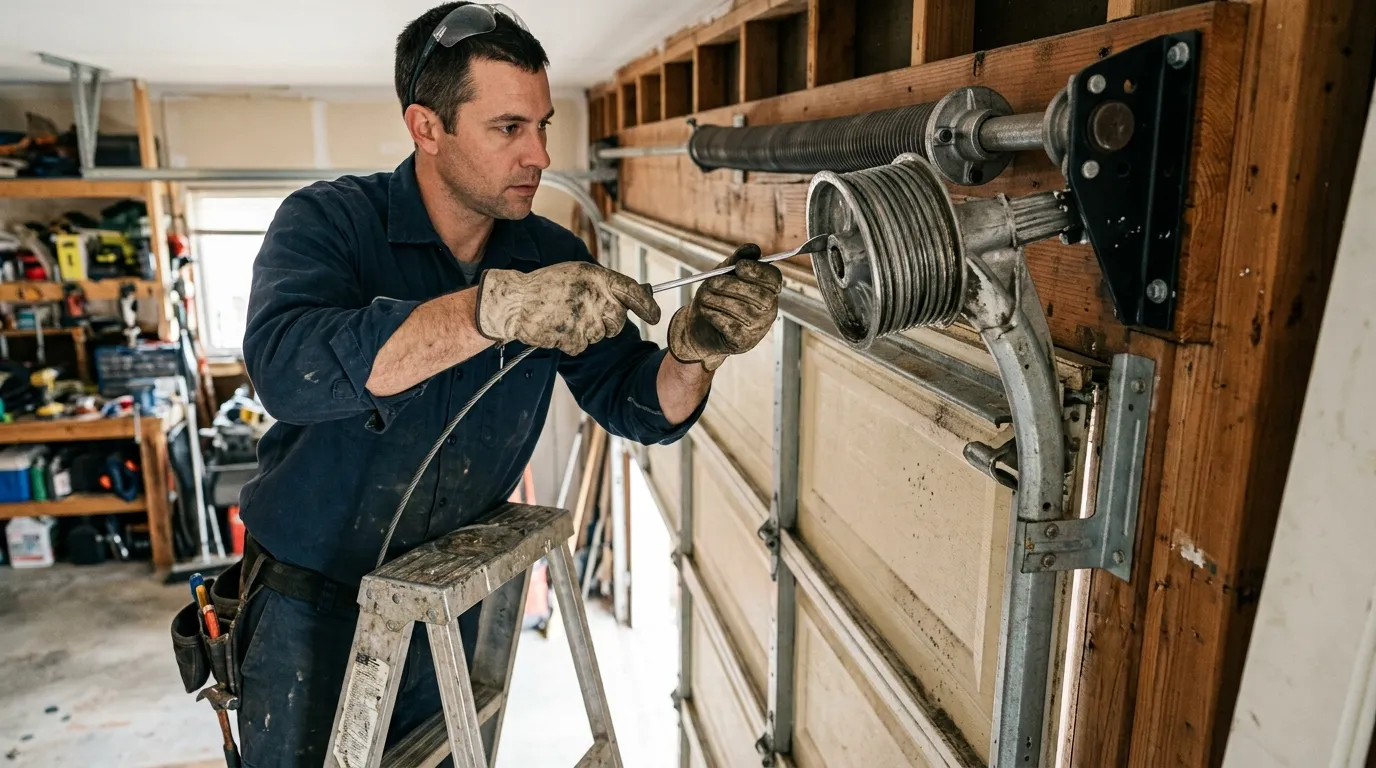
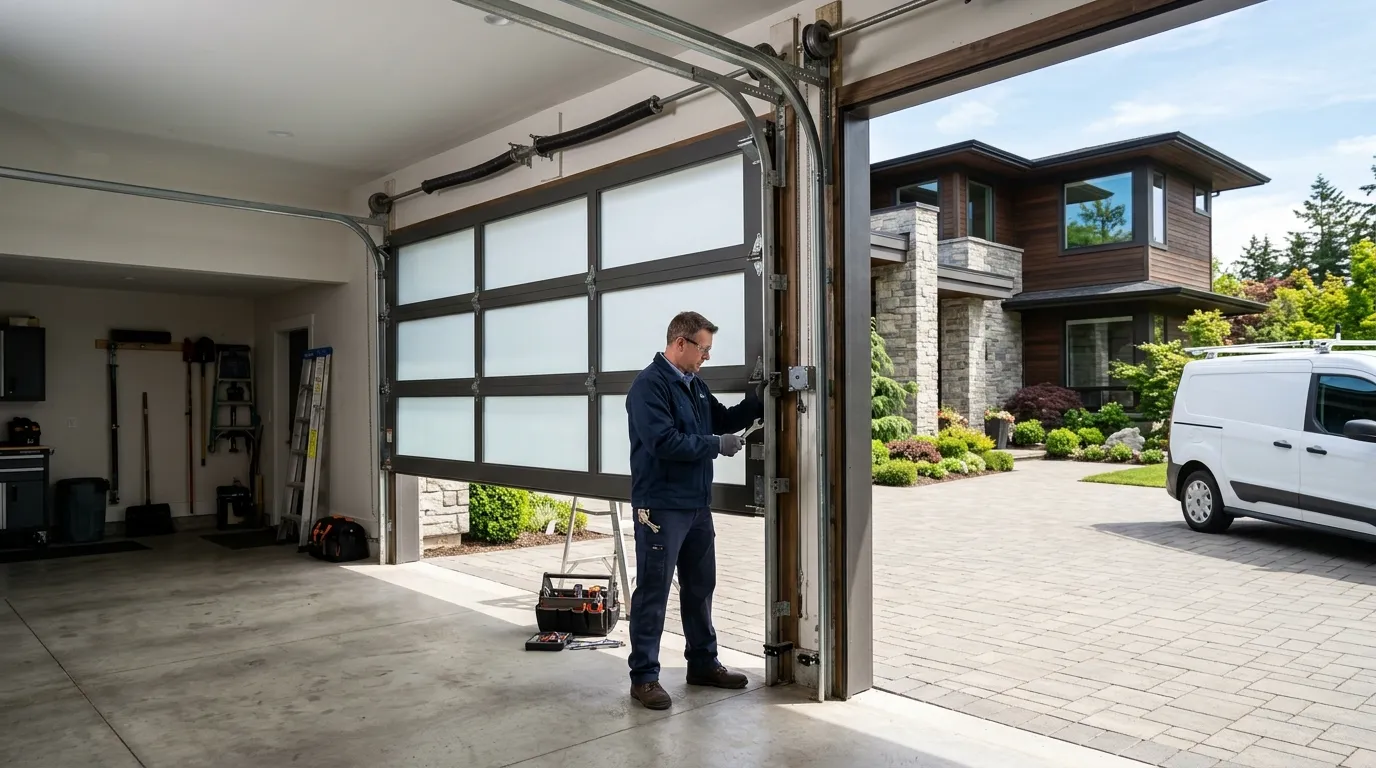
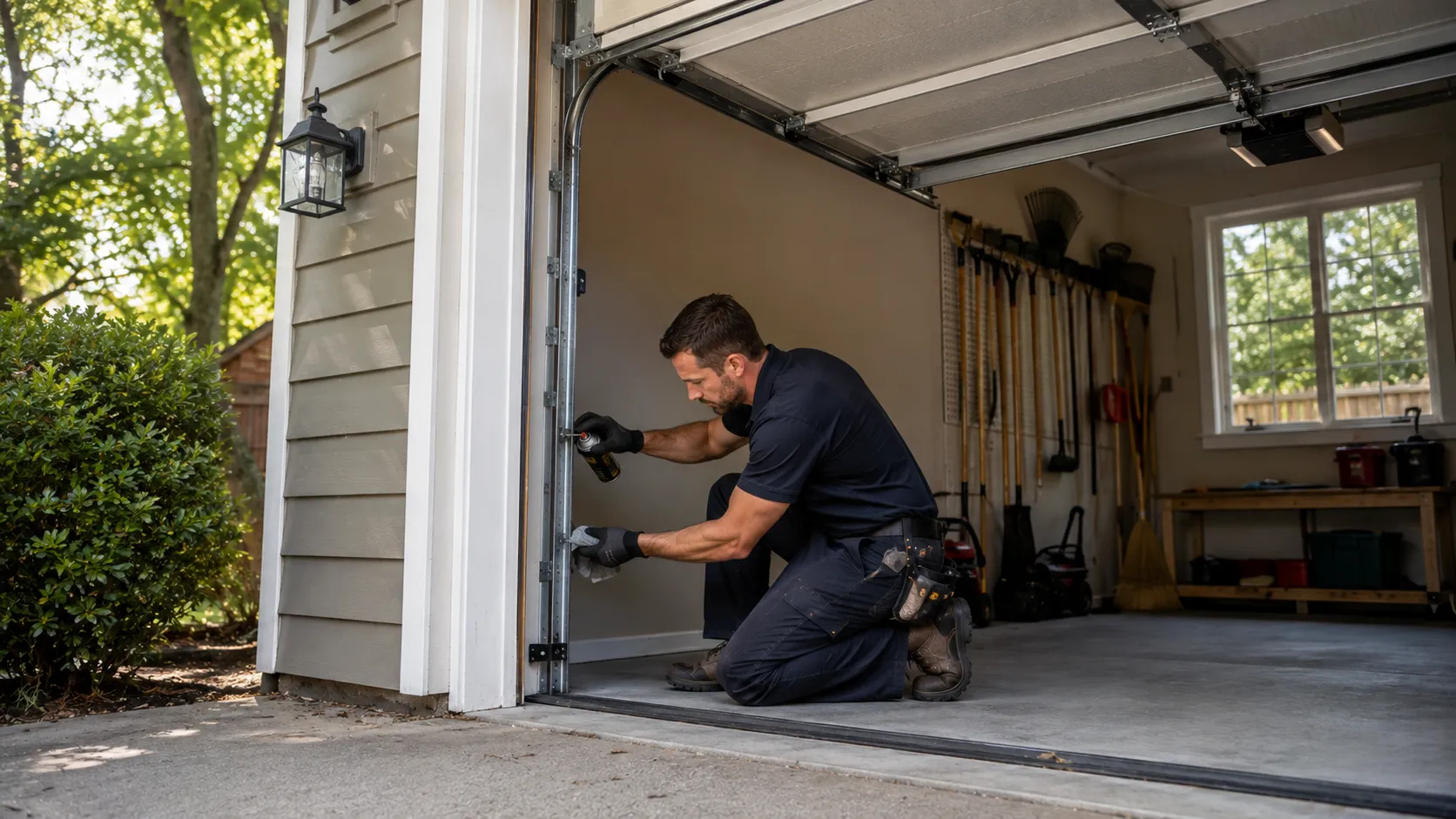
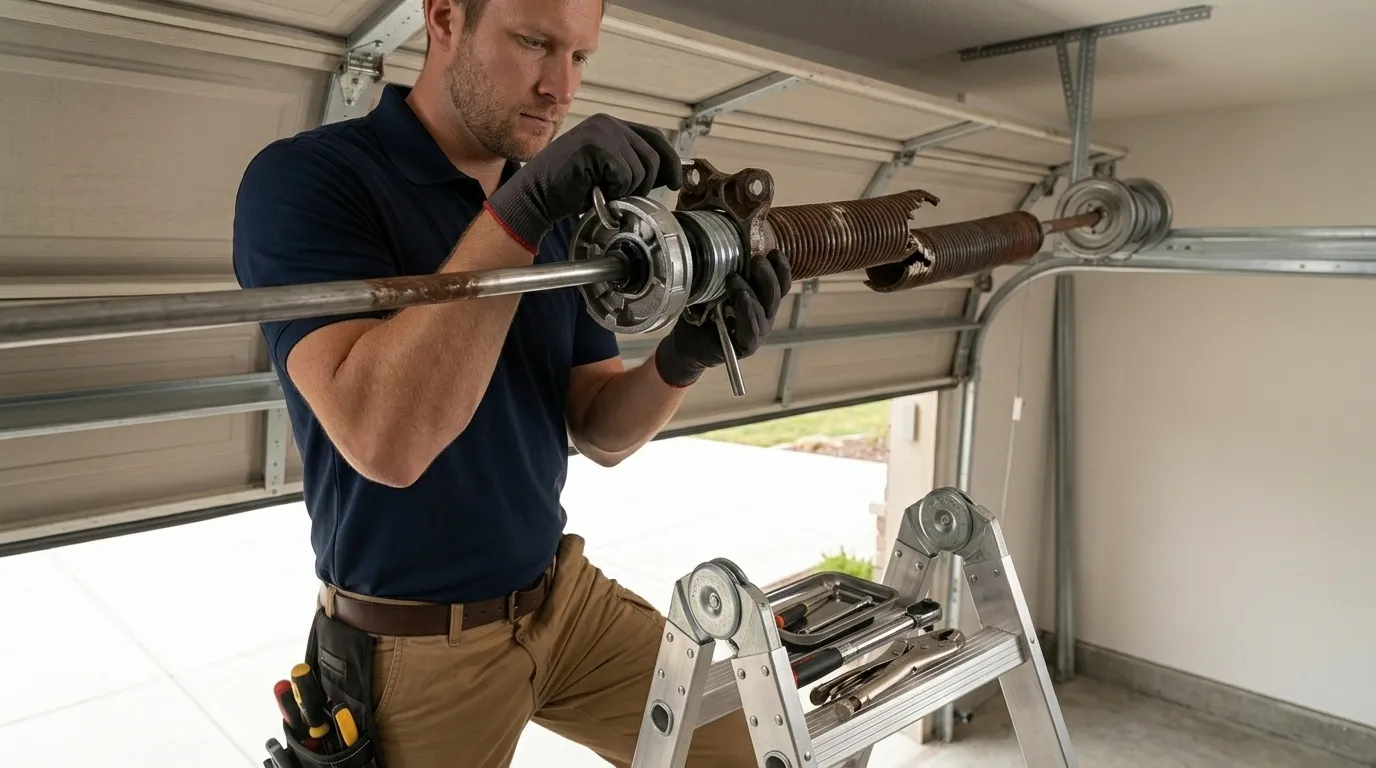
If your door is sagging on one side, that's usually a broken or stretched cable, not the springs - check both before assuming the worst. A door that's noticeably heavier to lift by hand than it used to be is a spring losing tension, and on a house from the mid-90s build era that's common by now; springs are rated for a cycle count, not a calendar. If the opener runs but the door barely moves, check the drive gear inside the unit before replacing anything - that's a $30 part, not a new opener. Persistent gaps at the bottom seal that let cold air through point to the door settling slightly out of level over the years, which on a cold-moderate climate like this one is worth fixing before winter rather than after.