Booking a Visit
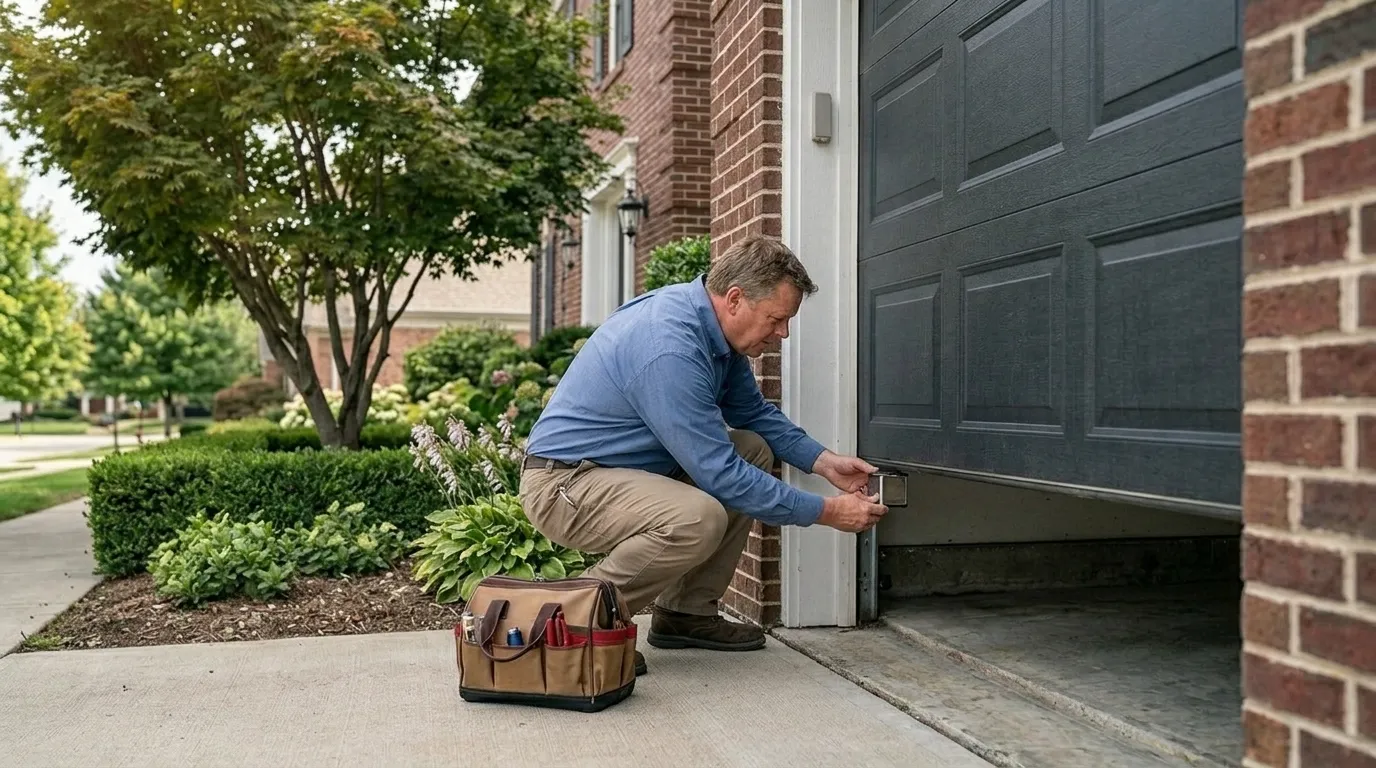
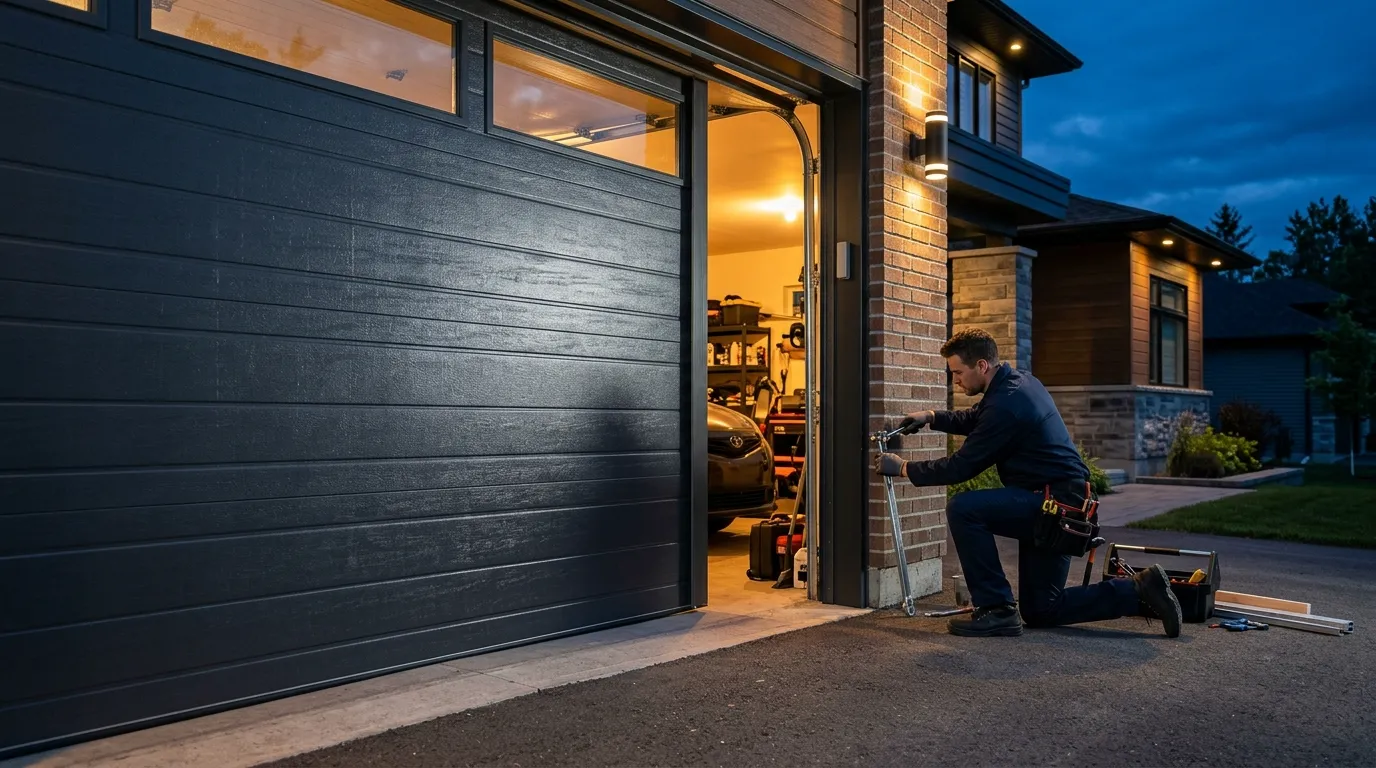
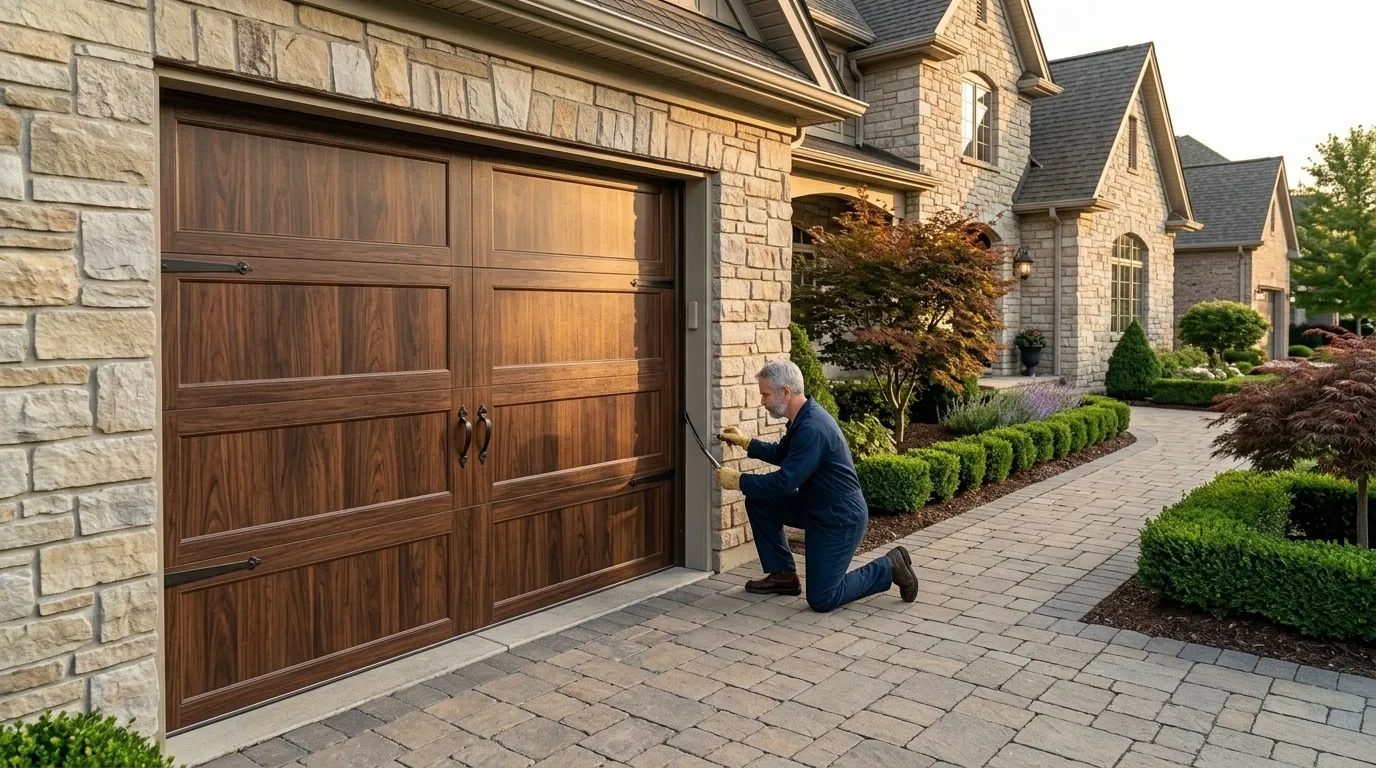
When you call, tell us what you're seeing - a door that dropped crooked on one side, a cable hanging loose off the drum, or a door that won't budge because a cable jumped its track. That detail lets us bring the right cable gauge and drums instead of guessing. Since we're driving in from Marysville, we try to batch Martha Lake calls with other stops in the area rather than making a single 17-mile round trip for one job, so tell us if the door is safe to leave closed overnight versus something urgent like a car trapped inside. We'll walk you through what to check before we arrive, mainly whether the opener has been forced or the door forced by hand, since that changes what else might be damaged.
What the Repair Takes
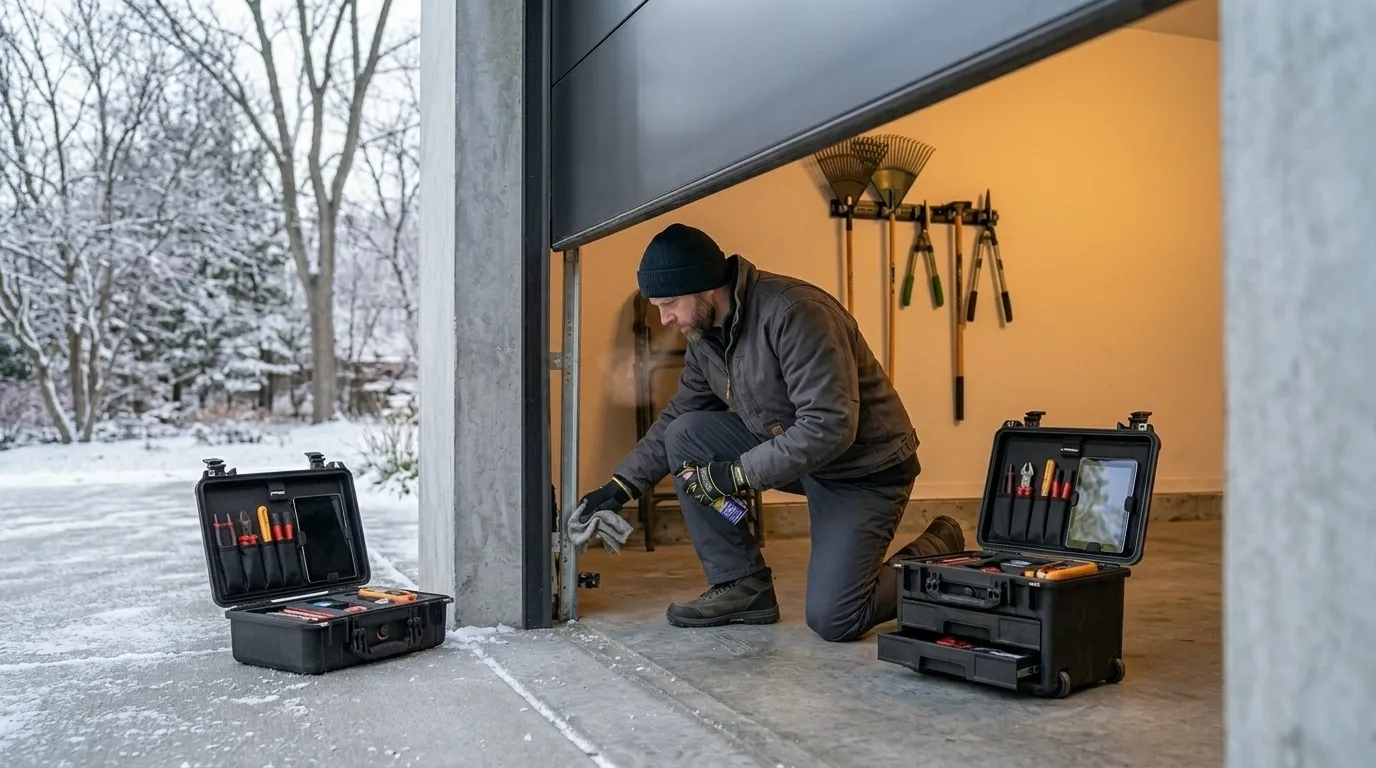
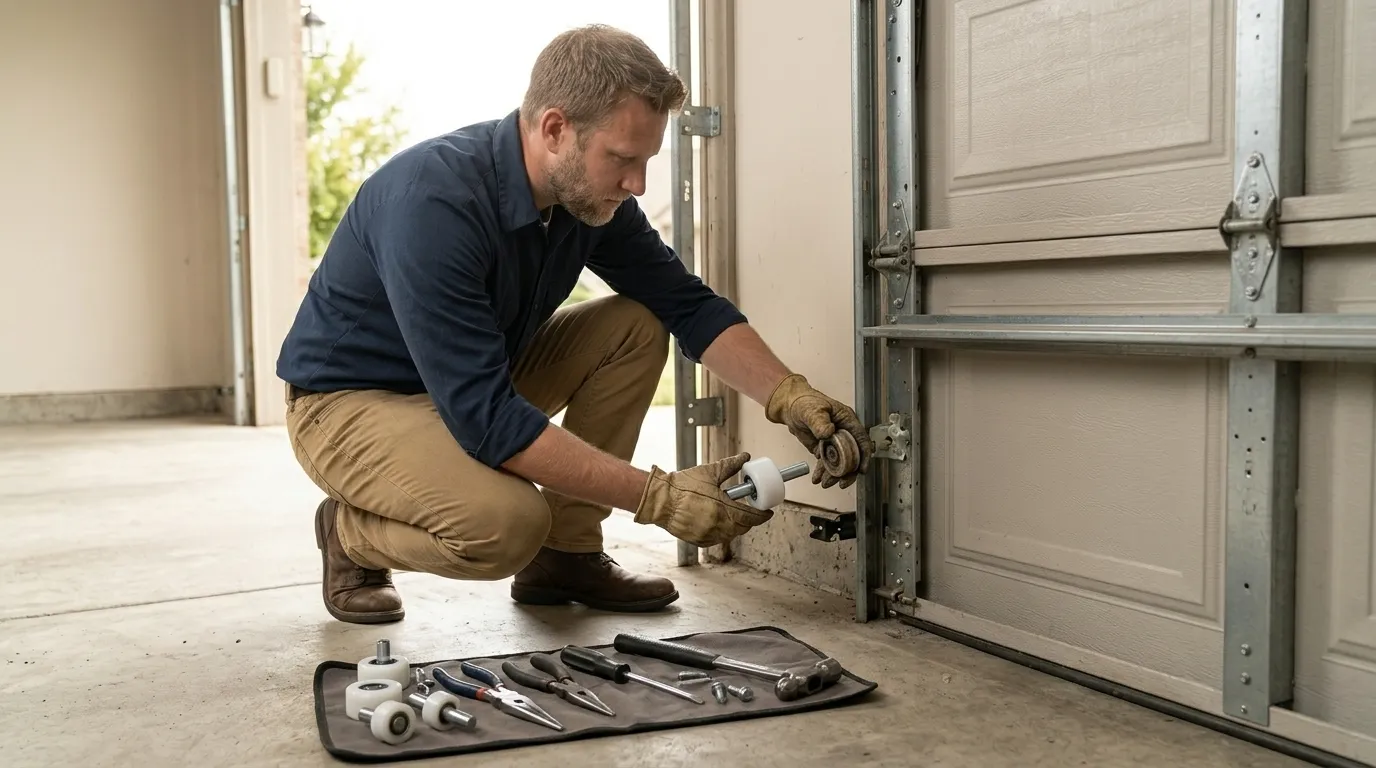
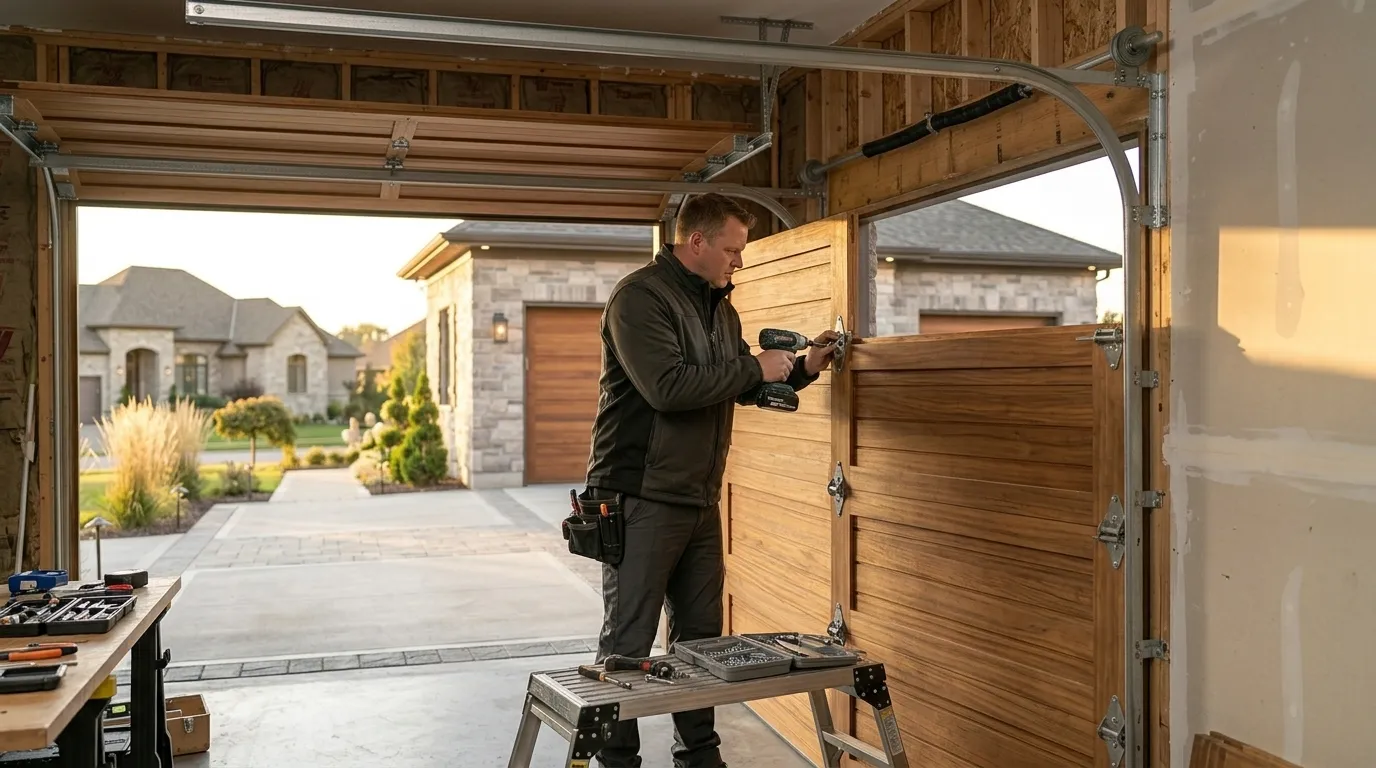
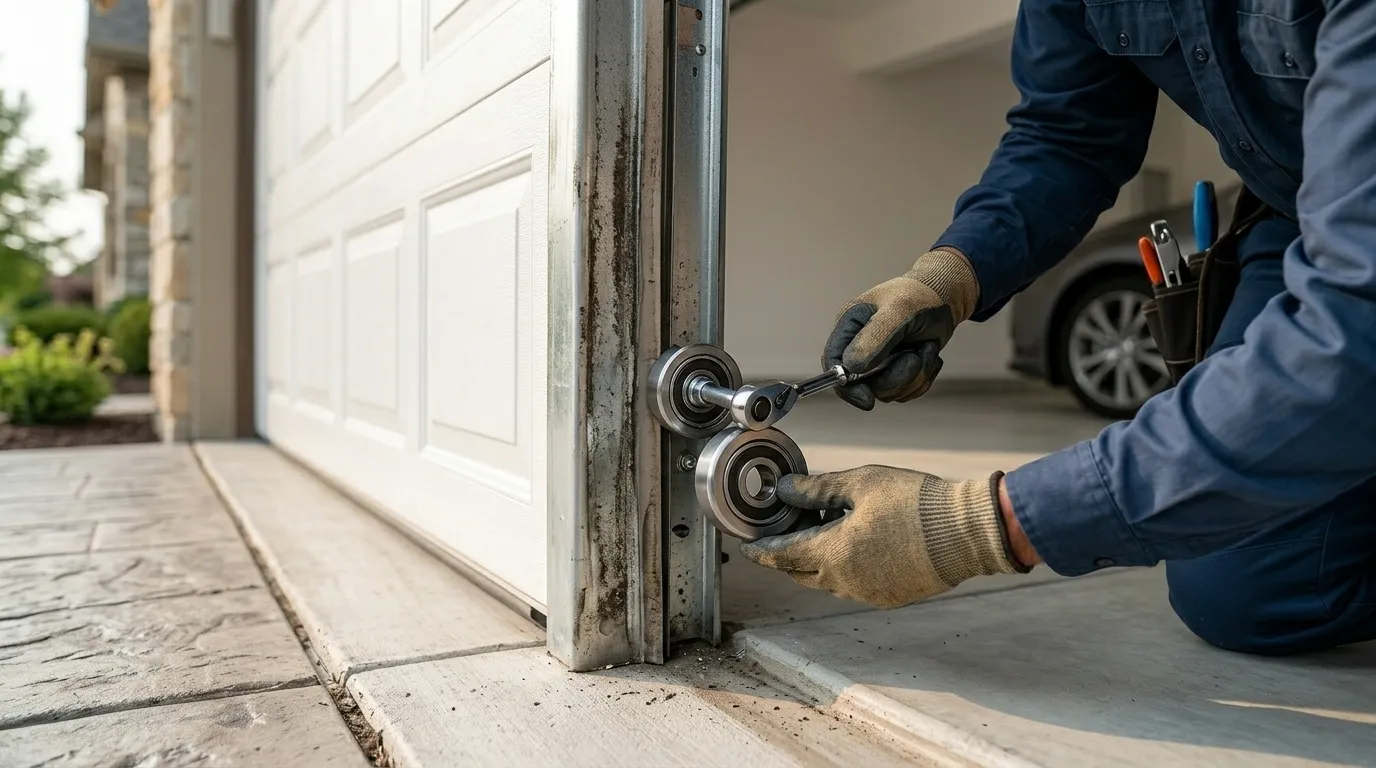
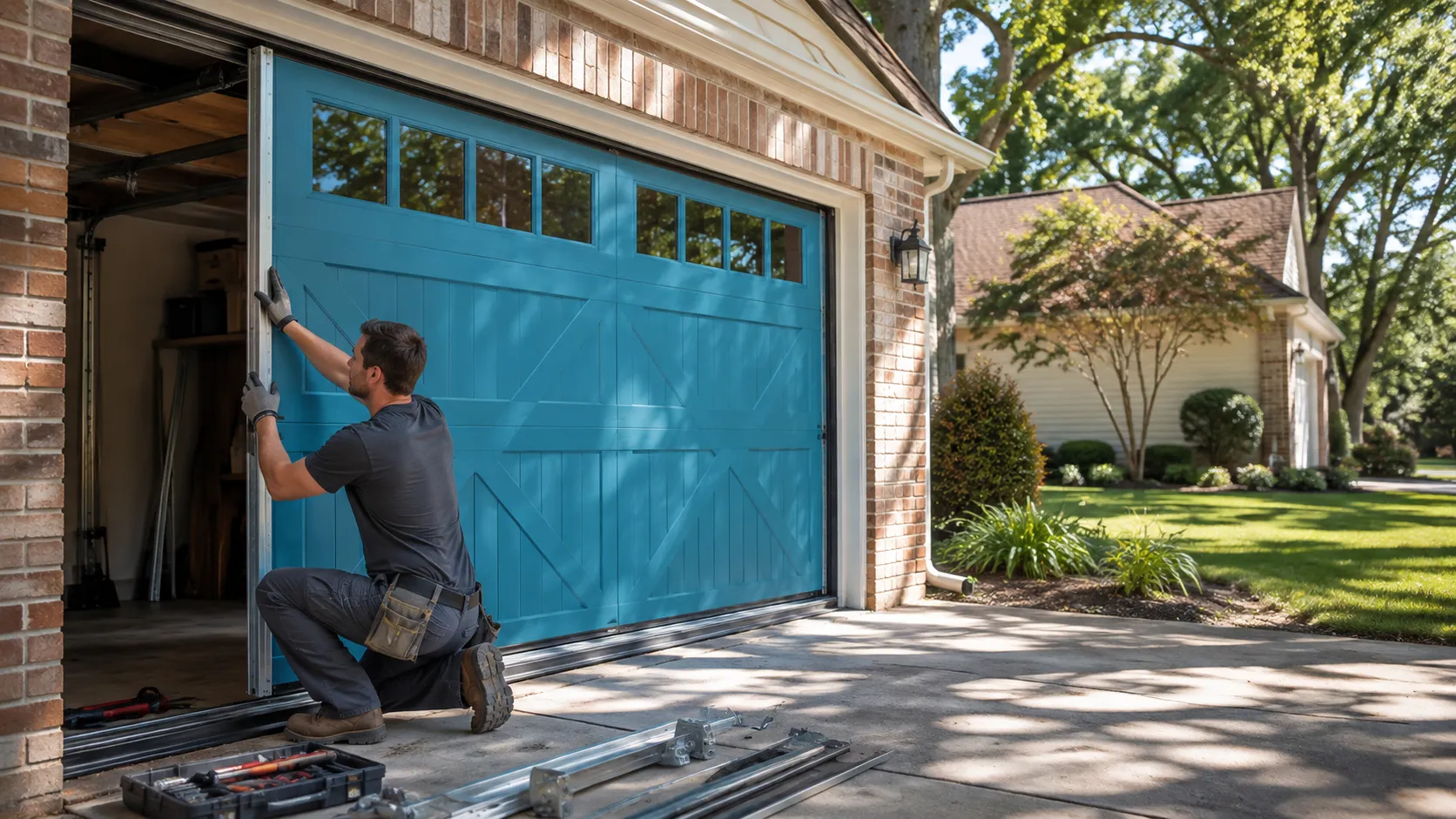
A cable repair is a spring-system job, not just a cable swap. On most Martha Lake doors, the cable runs off a drum at the top of the torsion shaft under tension from the spring, so replacing a snapped or frayed cable means releasing that spring safely first. We replace both cables as a pair even if only one failed - mismatched wear on the other side means it's close behind, and doing one at a time means a return trip. After the new cables are on, we re-balance the door so the opener isn't doing the lifting work the springs are supposed to do; an unbalanced door is what burns out openers early. We check the drums and end bearing plates while we're in there since that hardware wears alongside the cable, not after it.
What You Are Seeing
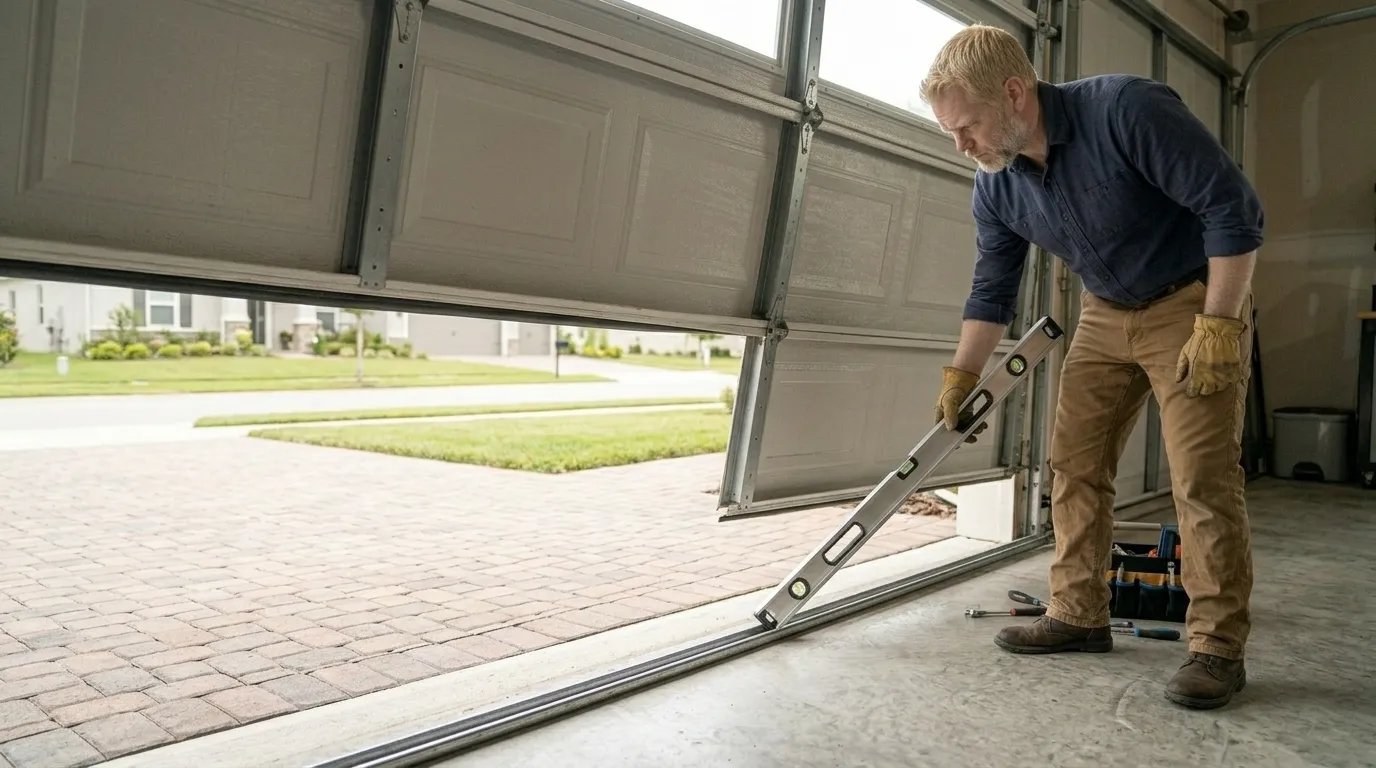
A door hanging crooked, dropped low on one side while the other stays up, usually means one cable has slipped off its drum or snapped outright - don't run the opener, since that can bend the track or rip the other cable loose too. A loud bang followed by the door refusing to move is often a cable that jumped and jammed against the drum or shaft. Frayed strands visible near the bottom bracket are an early warning, not yet a failure, and worth a call before it lets go on its own timeline, usually when you're already late somewhere. If the door came down hard and fast, treat it as a spring or cable failure and keep people and cars clear until someone's looked at it.
Can You Do This Yourself
We'll be straight about this one: don't. A garage door cable works against a wound torsion spring carrying real force, and releasing that tension without the right tools is how people lose fingers or worse - this isn't a job for a socket set and a Saturday afternoon. Where a homeowner can genuinely help is diagnosis: taking a photo of the drum and cable before calling saves us a guess on parts, and knowing whether the door dropped suddenly or degraded slowly over weeks tells us whether it's a clean cable snap or a bearing plate that's been failing quietly. Beyond that, leave the spring system alone and call it in.