
Booking a Visit
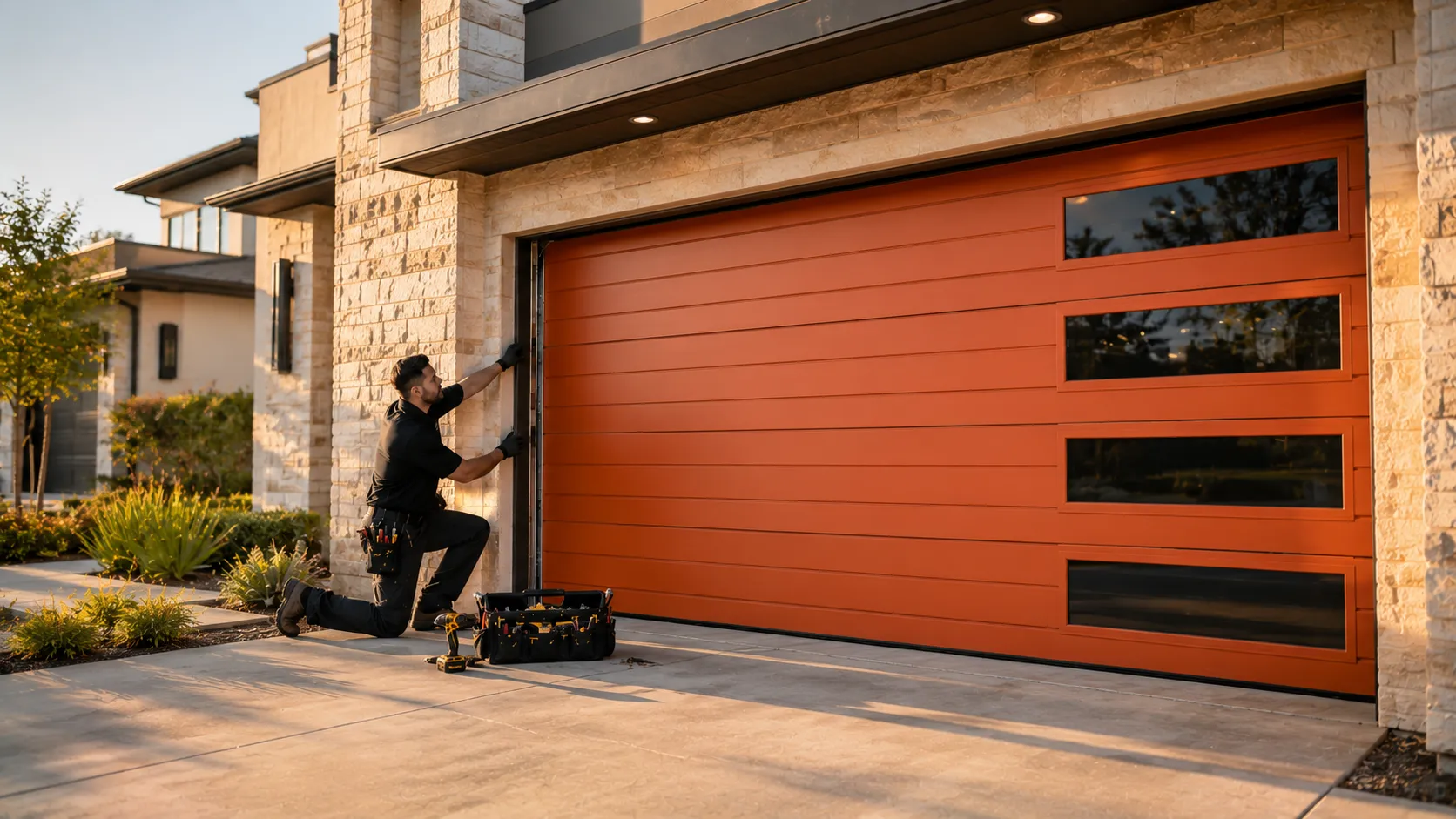
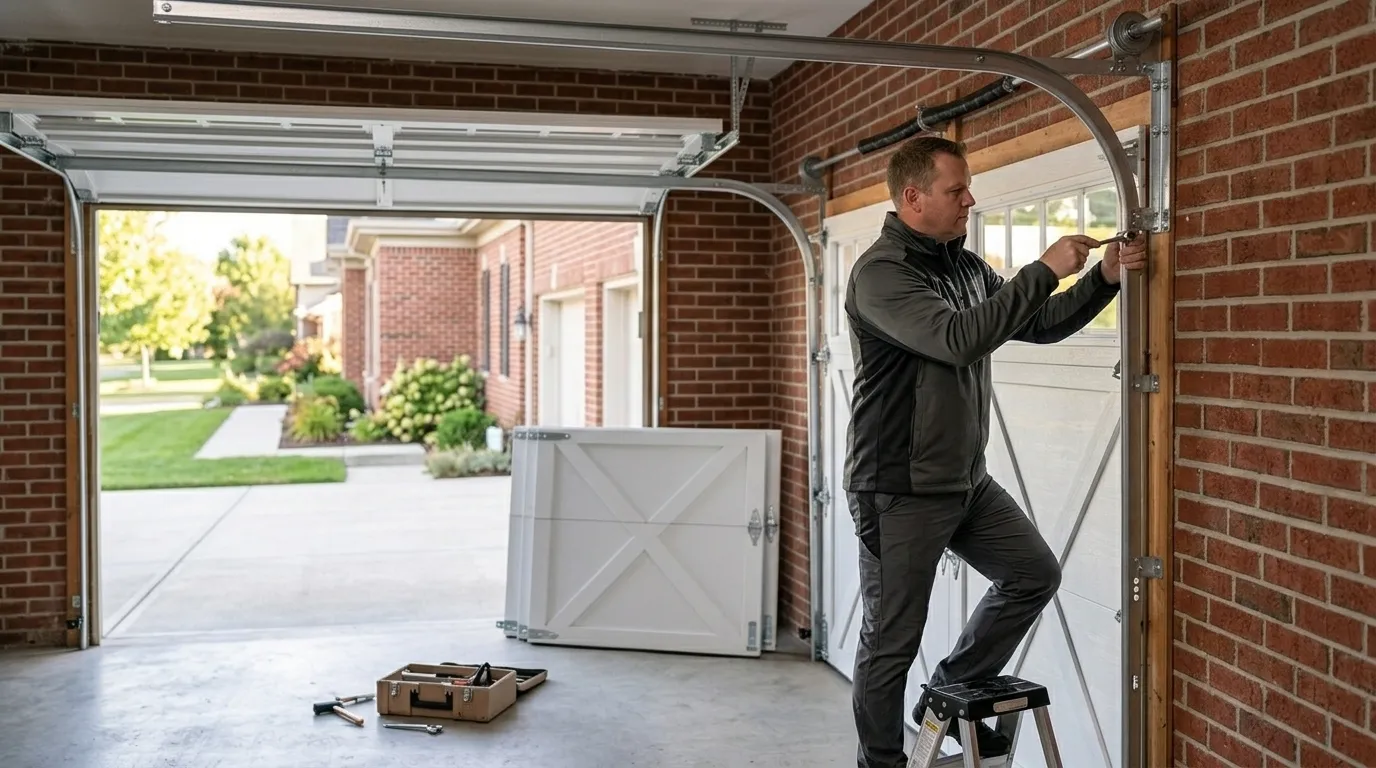
When you call, we'll ask what the door is doing - won't open, won't close, opens partway and stops, or came off the track - because that tells us what to load on the truck before we drive the 17 miles out. Torsion springs, drum cables, and rollers for openers from the late '90s and 2000s are common enough that we usually carry them without a special order. Anything tied to a specific opener brand's control board can take longer, since we're not stocking every board for every model built over the last two decades.
We'll give you a window before we leave Marysville, not a promise to be there in ten minutes. If the door is stuck open and the house isn't secure, say so - that changes the order we work jobs in that day.
What the Repair Takes
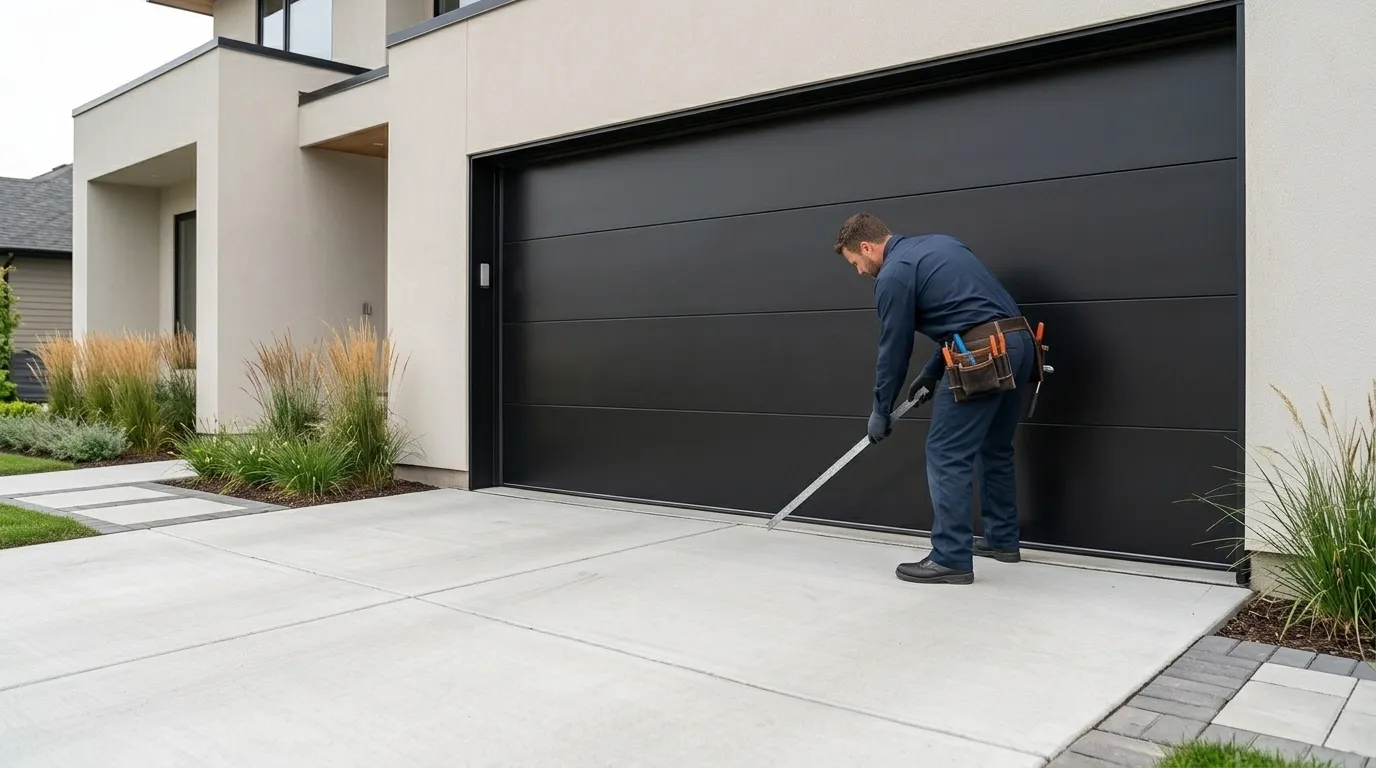
Martha Lake's housing stock centers on 1999, newer than most of the neighborhoods we cover out of Marysville, where the broader mix runs 1972 to 2000 with a median closer to 1991. That later build date means steel roller doors on standard torsion springs are far more common here than the older wood-panel, extension-spring setups we still find in the older pockets of the service area. Parts availability is generally better for this era - springs, cables, and rollers sized for late-'90s and 2000s track systems are stock items, not special orders.
What we don't do is force a repair on hardware that's failing for a structural reason - a bent track from years of an unbalanced door, or an opener motor that's cooked from carrying a spring it should never have been asked to carry. In those cases we'll say so and price the honest fix, even if that's a bigger job than the one you called about.
What You Are Seeing
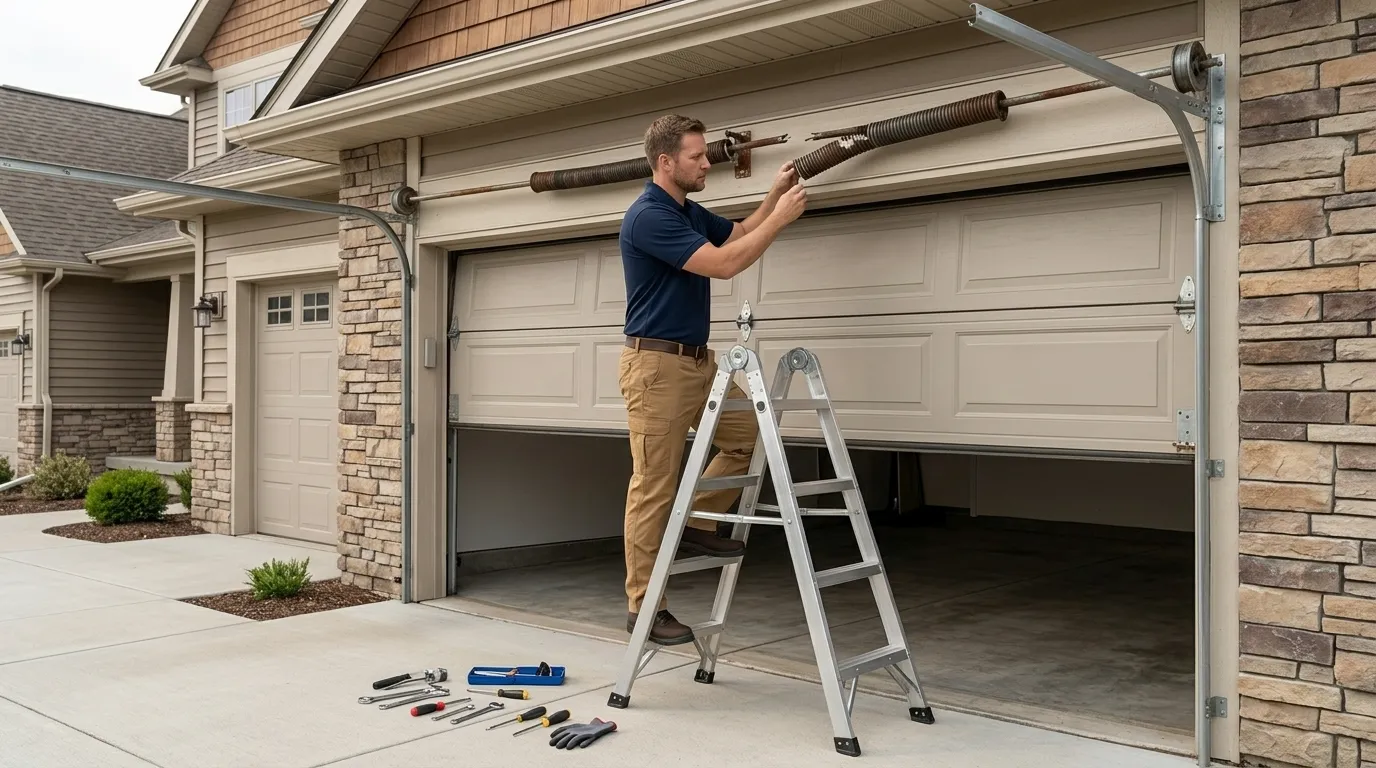
If the door won't budge and the opener light is blinking or the motor is humming without movement, that's almost always a broken torsion spring - the door is too heavy for the opener to lift alone once the spring's tension is gone. If the door slams down fast instead of lowering evenly, same cause, different symptom.
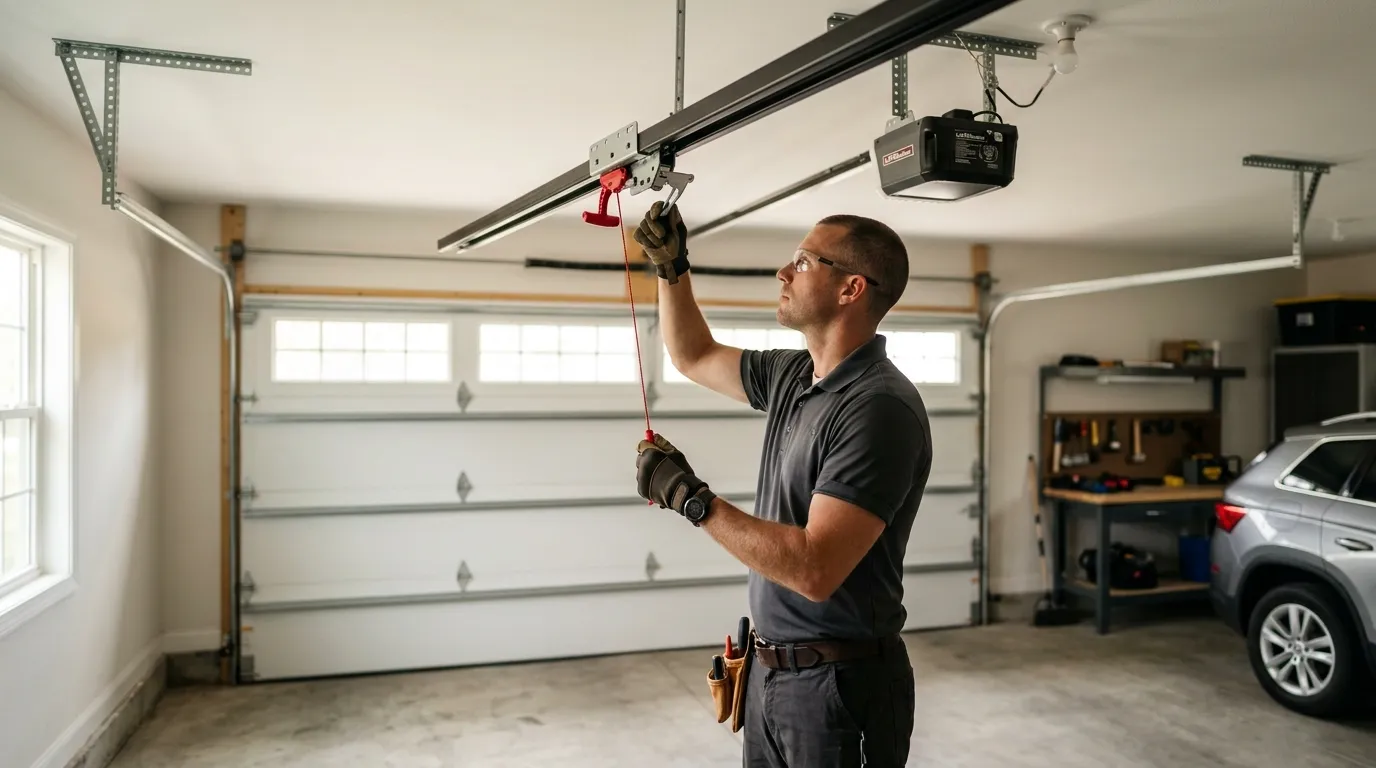
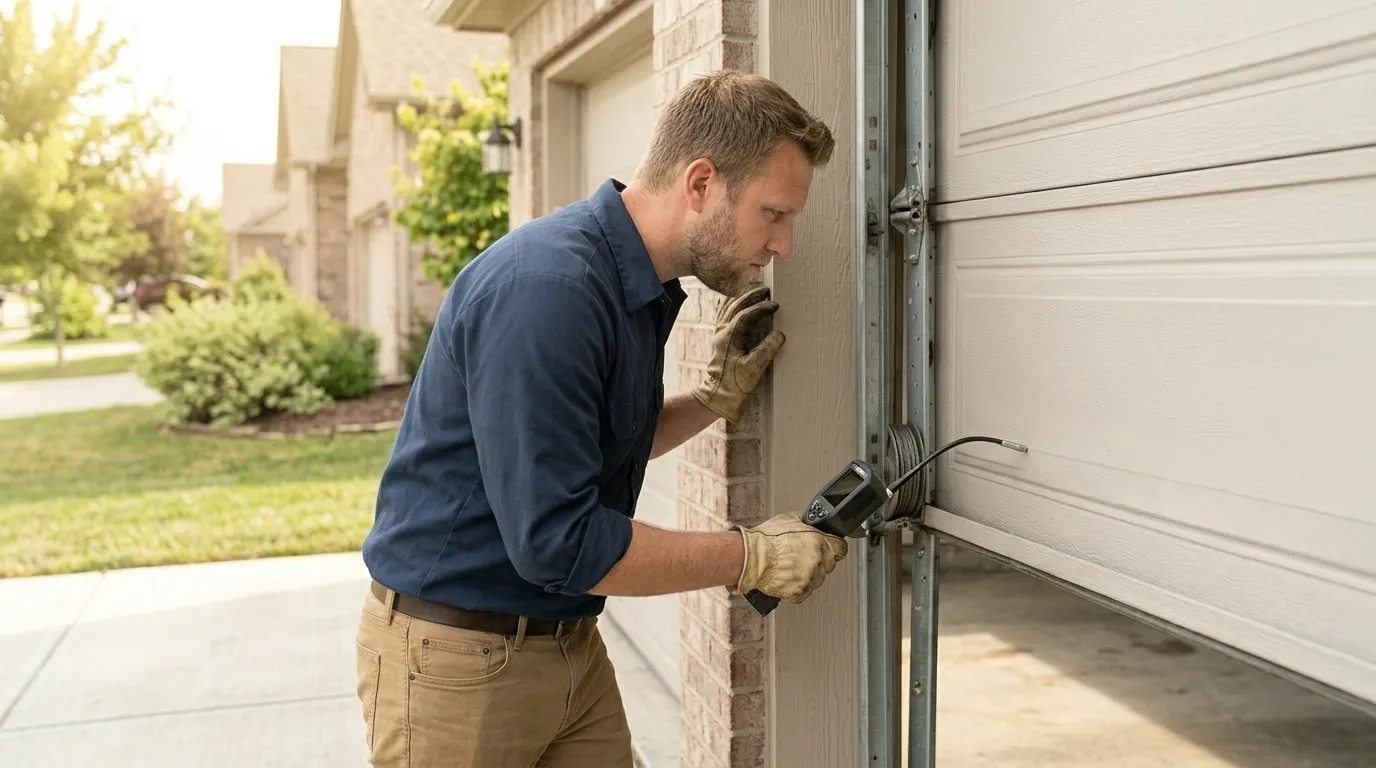
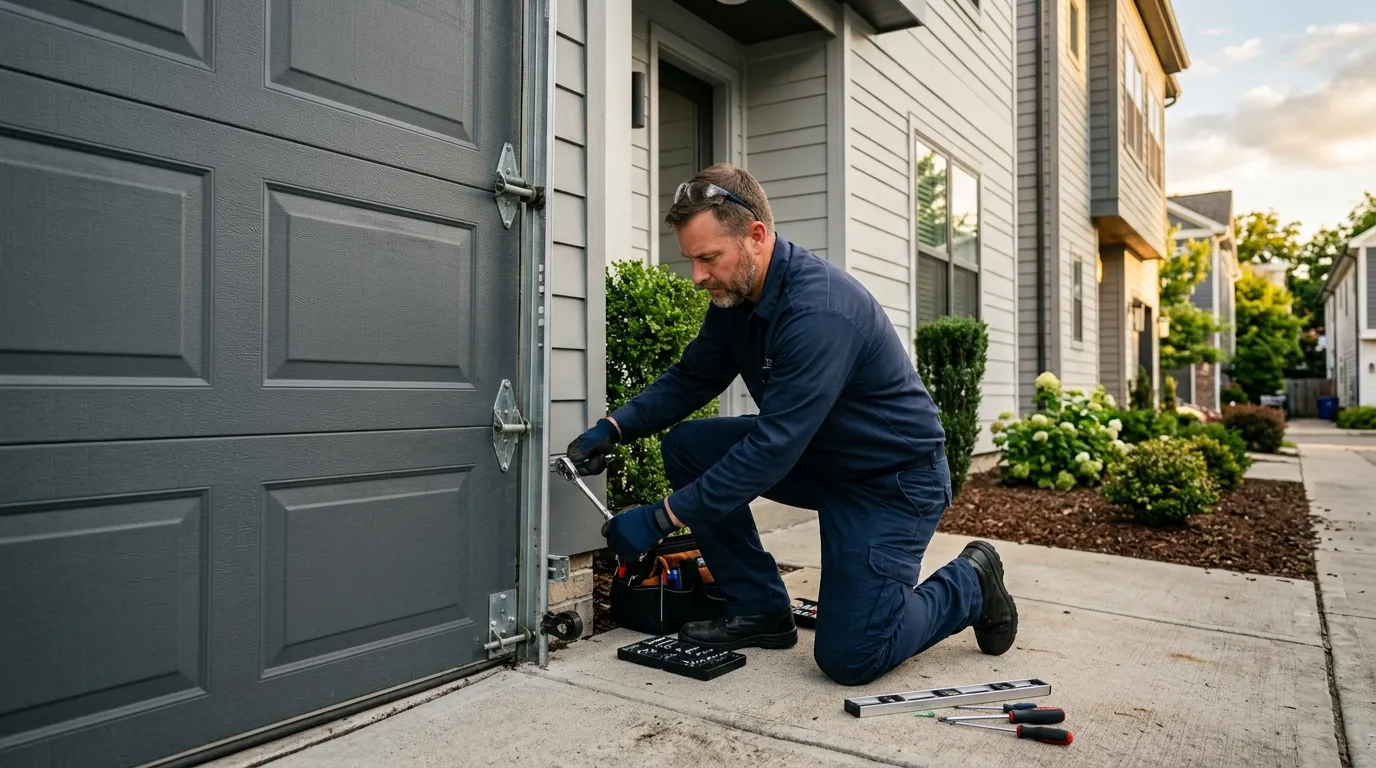
A door that runs off one side of the track, or that's dropped a cable so one corner sags lower than the other, is a cable or roller failure, not the spring. And if the opener runs but the door doesn't move at all, check the emergency release cord first - it may have been pulled and never reset, which costs you nothing but a phone call you didn't need to make.
Can You Do This Yourself
Don't touch a broken torsion spring. It's under enough tension to break a hand or worse, and that's true no matter how simple the coil looks. Cables and rollers are safer to inspect but still not a great DIY repair on a door this size - the spring is still loaded even when the cable has already failed, and it can move without warning while you're working near it.
What you can safely do: pull the emergency release, manually lift the door to see if it's actually balanced (it should stay put at waist height on its own), and check the track for visible gaps or bent rail before you call. That saves us a diagnostic step and saves you a bit of the visit.