Booking a Visit
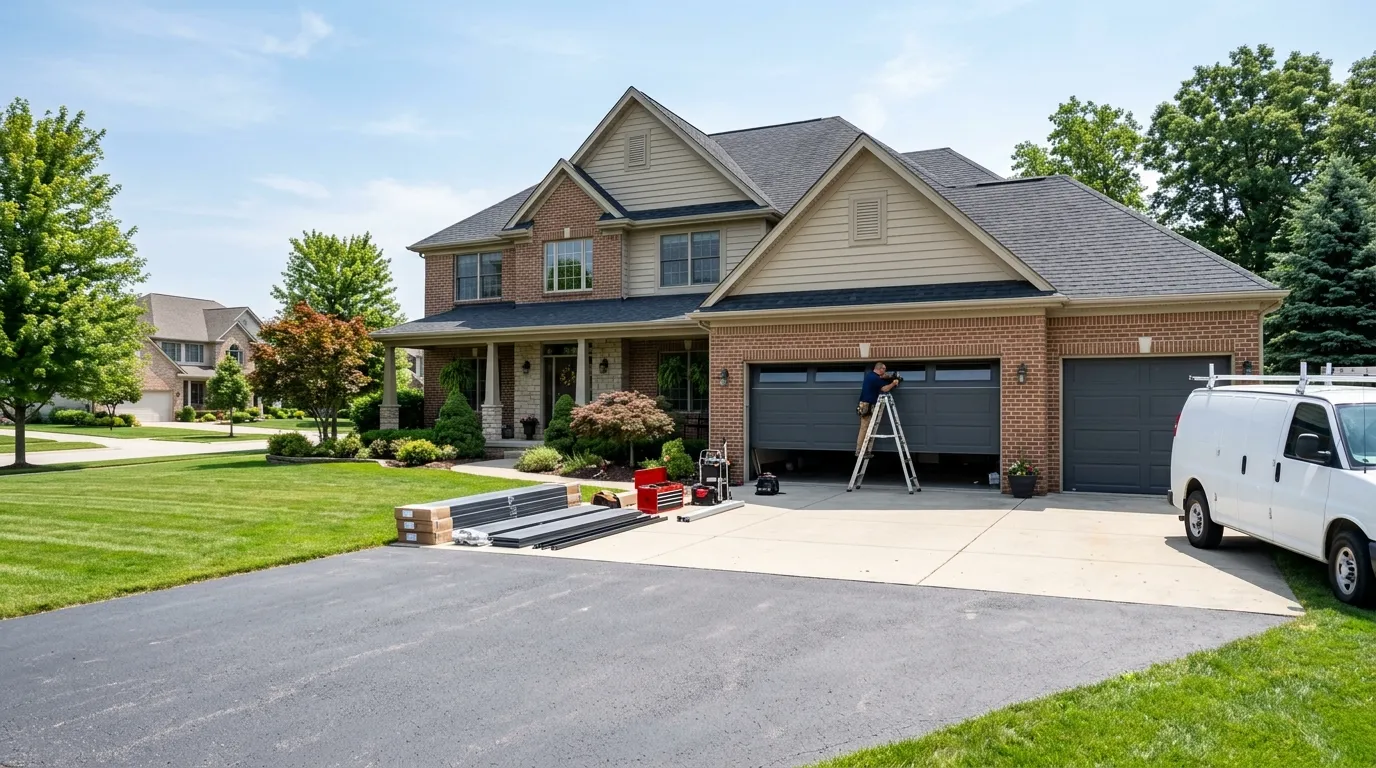
Because we're traveling in from Marysville, it helps to tell us the door's rough age and whether it's a single or double opening when you call - that alone narrows down what's probably on your hardware before we ever see it. Most of Martha Lake's housing dates to around 1999, later than a lot of the surrounding service area, so we're usually walking in expecting torsion springs on steel sectional doors rather than the older extension-spring setups you'd find on 1970s and 80s stock nearby. That guess isn't always right, but it lets us bring the correct spring size and cable length on the first trip instead of a second one.
What the Repair Takes
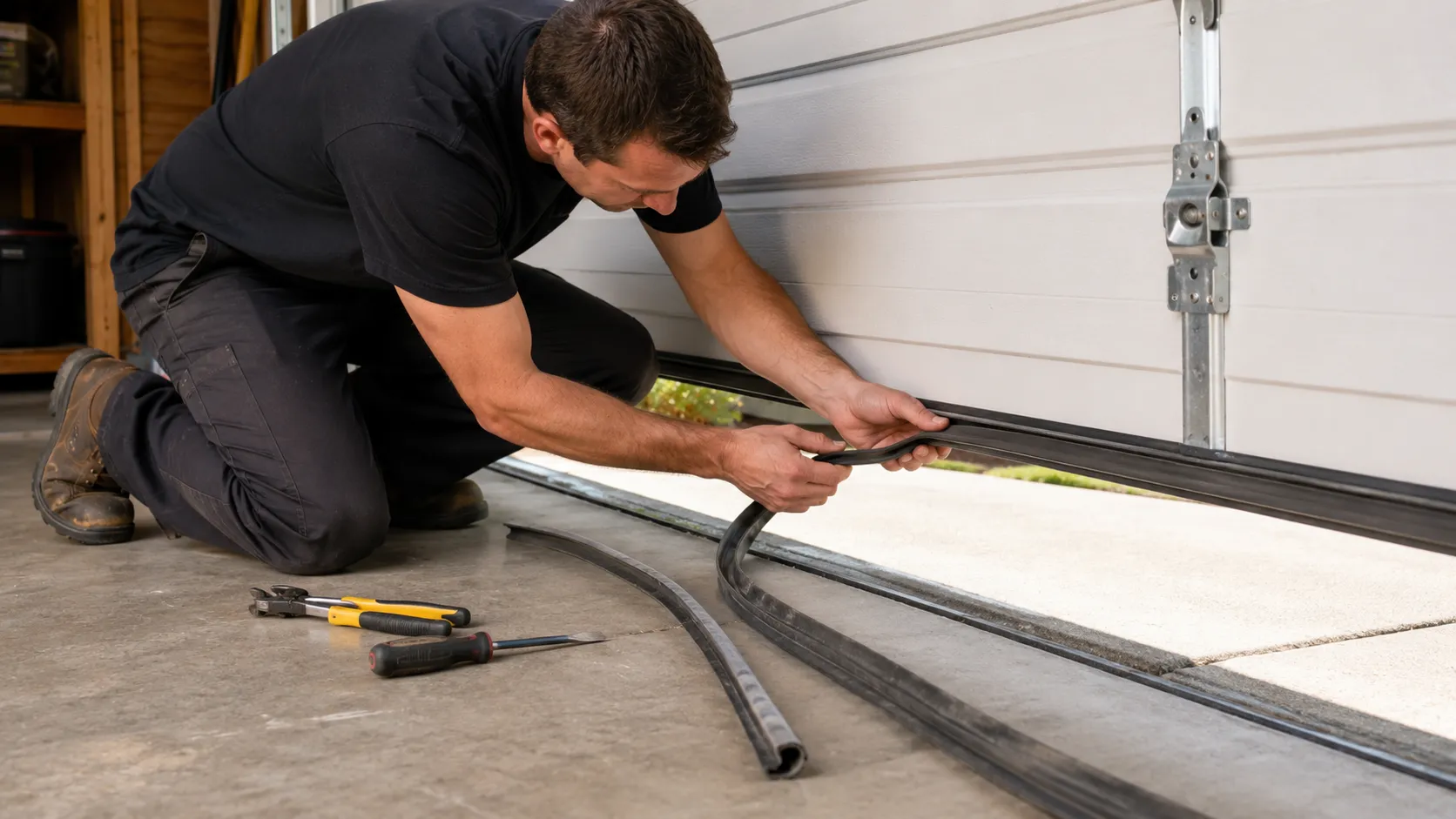
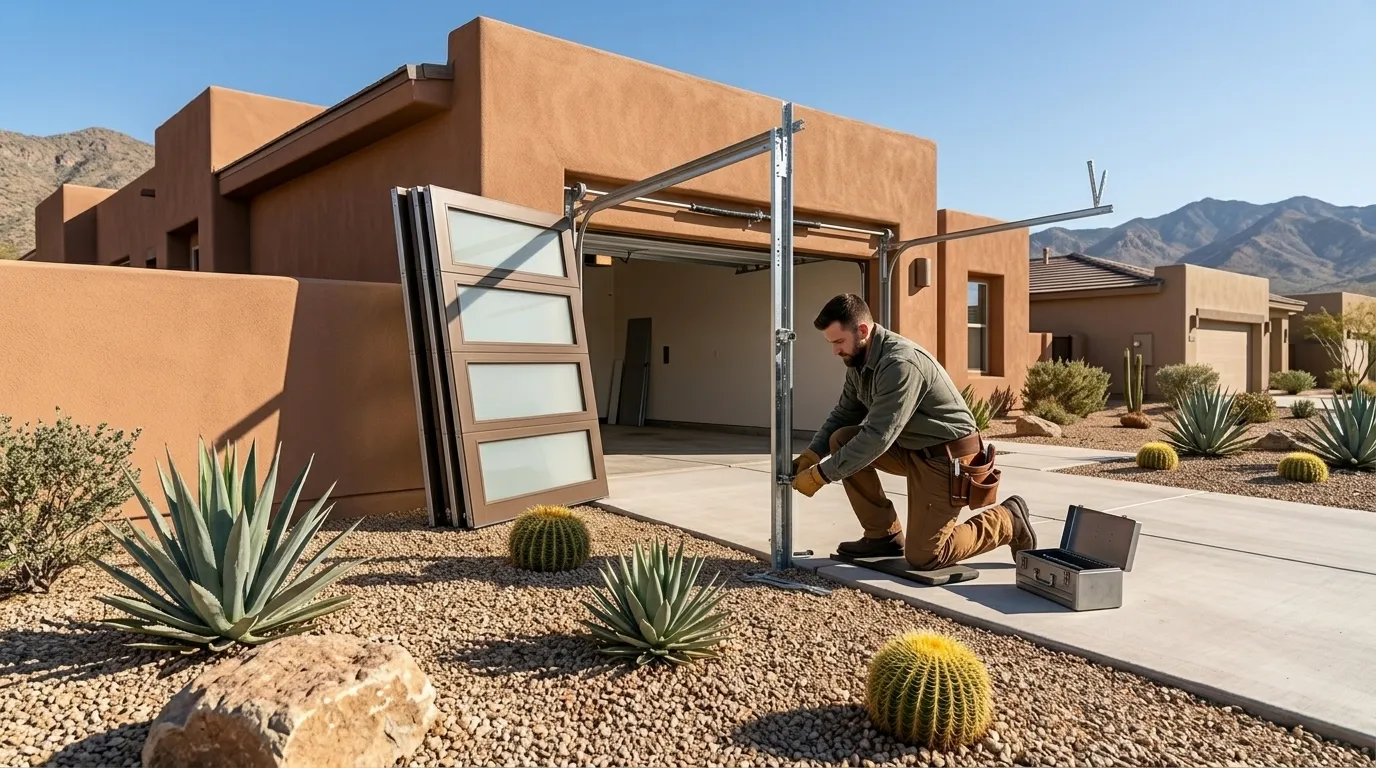
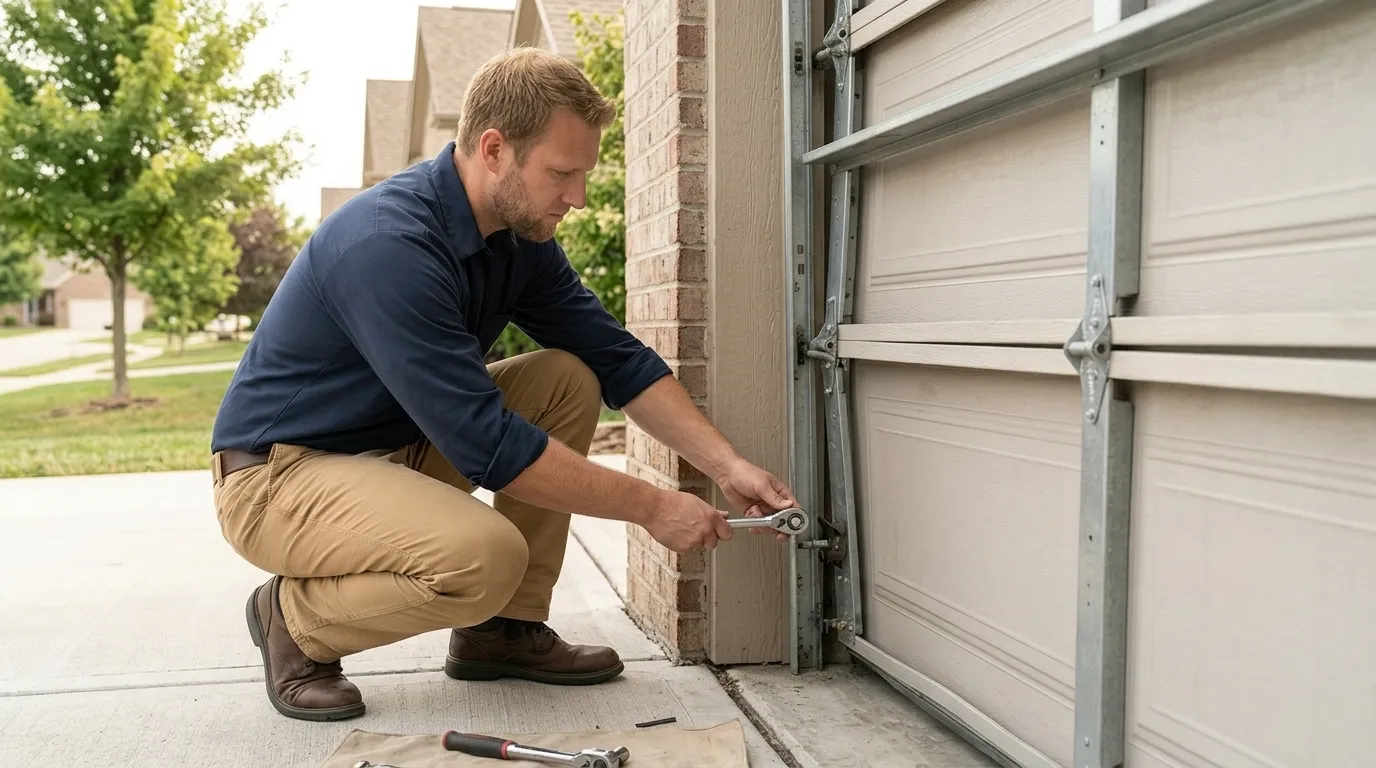
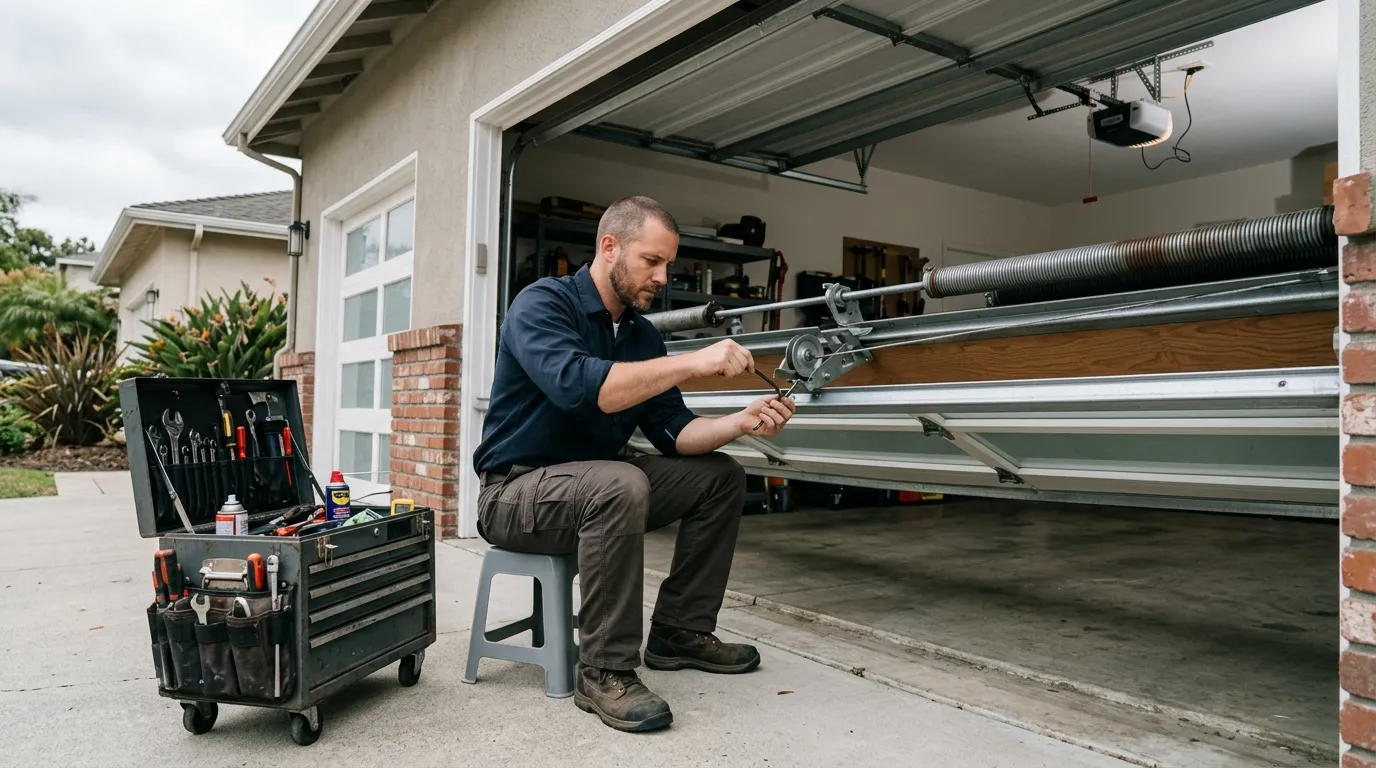
A door built around 1999 typically runs 16-gauge steel panels with rolled-steel torsion springs on a center bearing plate, and an opener from that era or a replacement unit installed since. The repair itself is standard tradework - unwind and replace the spring under tension, check cable wear at the drums, true up the track, test the opener's force settings and photo-eye alignment. What takes the judgment call is matching spring wind and wire diameter to the door's actual weight, not just its build year; insulation, window inserts, and any later opener swap all change that number. We carry a working range of torsion springs on the truck, but an oddball size on an older or upgraded door can mean a second visit while we source it - that's the one honest gap in same-day work.
What You Are Seeing
A door that slams the last foot of travel, or won't move at all with a loud bang beforehand, is almost always a broken torsion spring - don't put a hand under it. A door that opens crooked, with one side higher than the other, points to an unbalanced spring pair or a cable that's slipped off a drum. Grinding or popping during travel is usually worn rollers or a bent track, common once a door built in this window hits two decades of daily cycles. An opener that runs but doesn't move the door is a separate problem - broken gear or drive mechanism inside the unit, not a spring issue at all, and worth saying so before anyone climbs a ladder.
Can You Do This Yourself
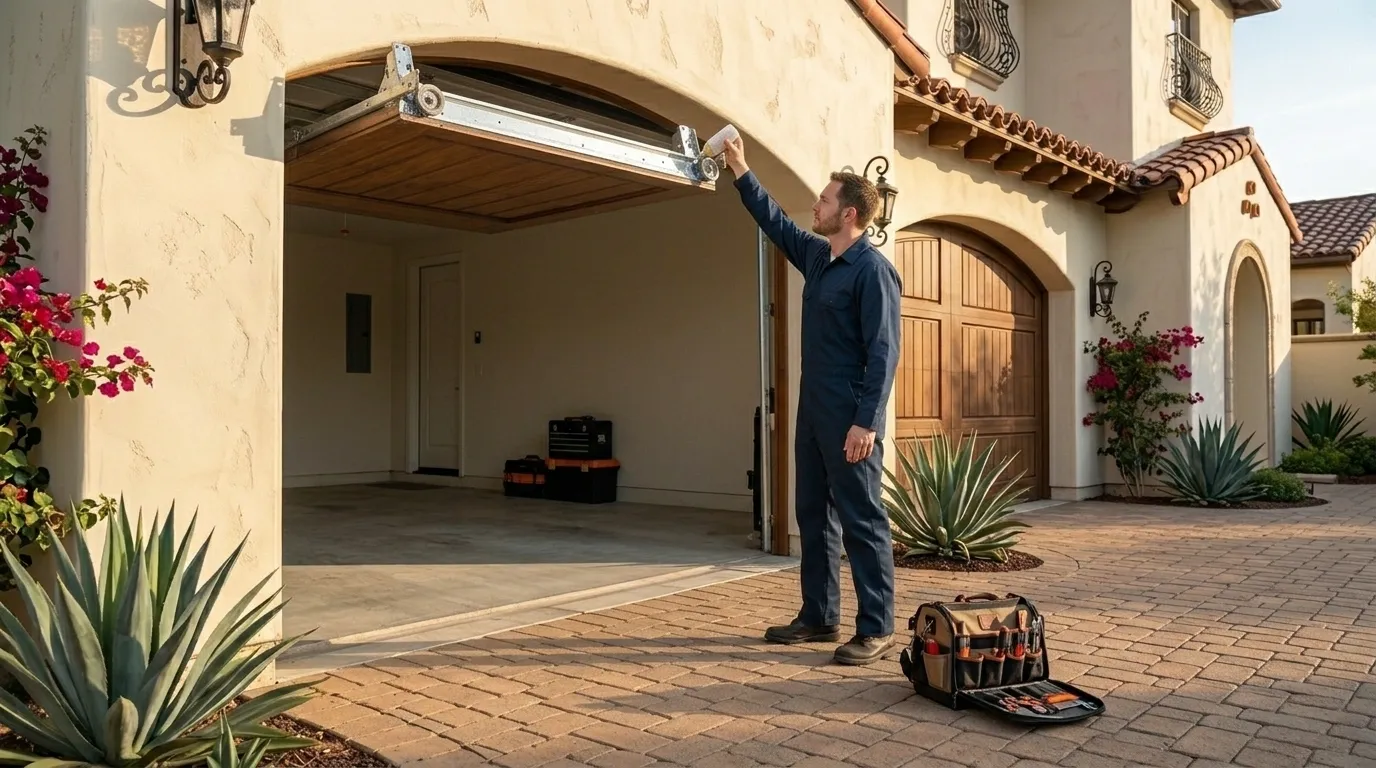
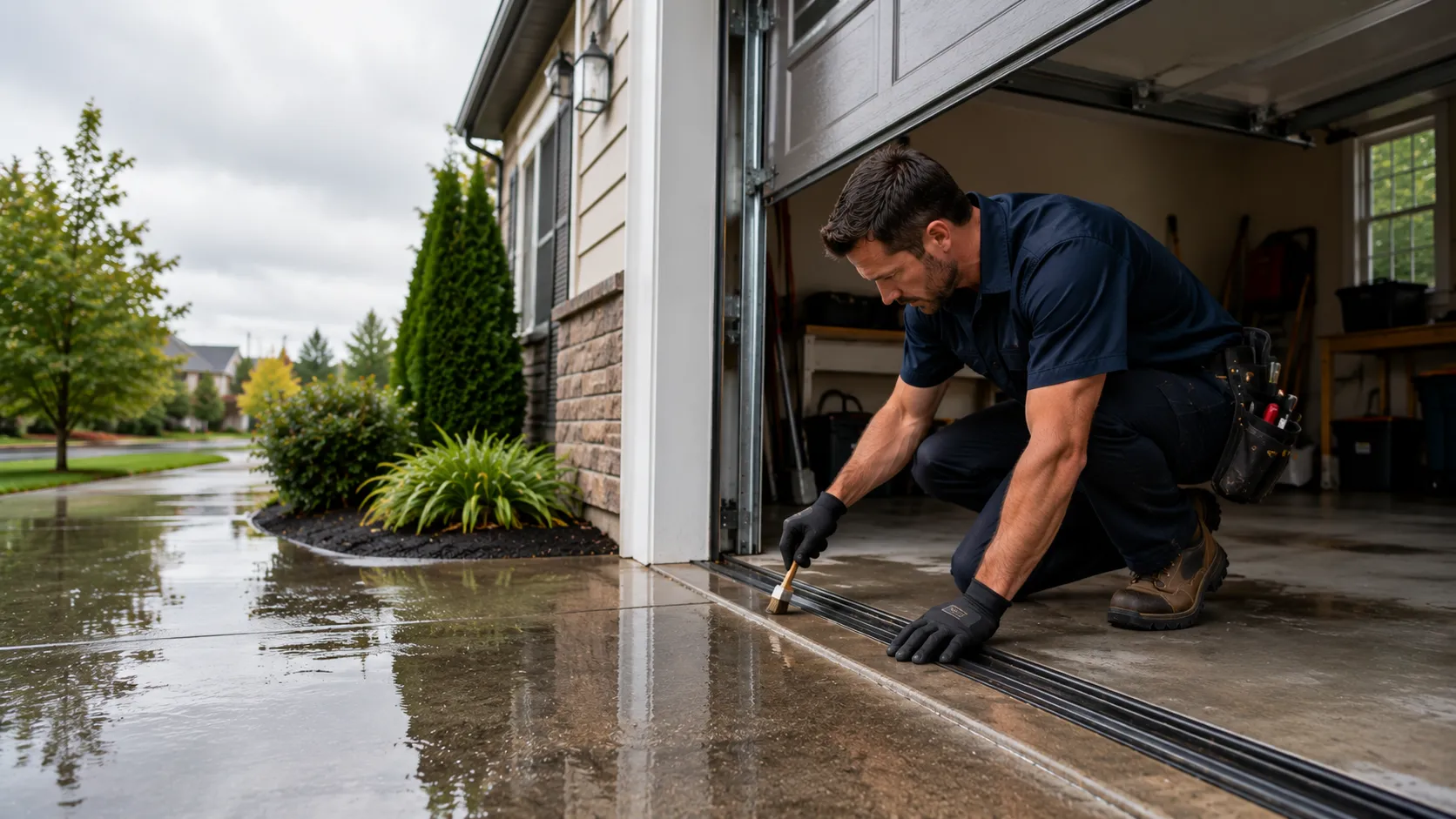
Track cleaning, tightening loose hinge bolts, lubricating rollers and hinges, and swapping a battery in a wall control are all fine to do yourself. Torsion spring replacement is not - the spring is wound under enough tension to break bones, and the tools to do it safely aren't something most garages have lying around. Cable work carries the same risk. If your door is from the 1999 era common in Martha Lake and running on original hardware, at minimum have someone check the spring wind and cable condition before you keep using it daily; a spring that's about to go rarely gives much warning.