Booking a Visit
We run out of Marysville, about 17 miles from Martha Lake, and we don't keep a separate crew or drop-off point in this area - every visit here is a scheduled trip out. That's not a knock against the neighborhood; it just means we book Martha Lake jobs as a routed stop rather than a walk-in. When you call, have the door's brand, the approximate age, and a photo of the damaged panel ready if you can. For a house built around 1999, knowing whether the door is insulated (double-skin steel with foam between) versus a single-skin panel saves a wasted first trip just to identify the part.
What the Repair Takes
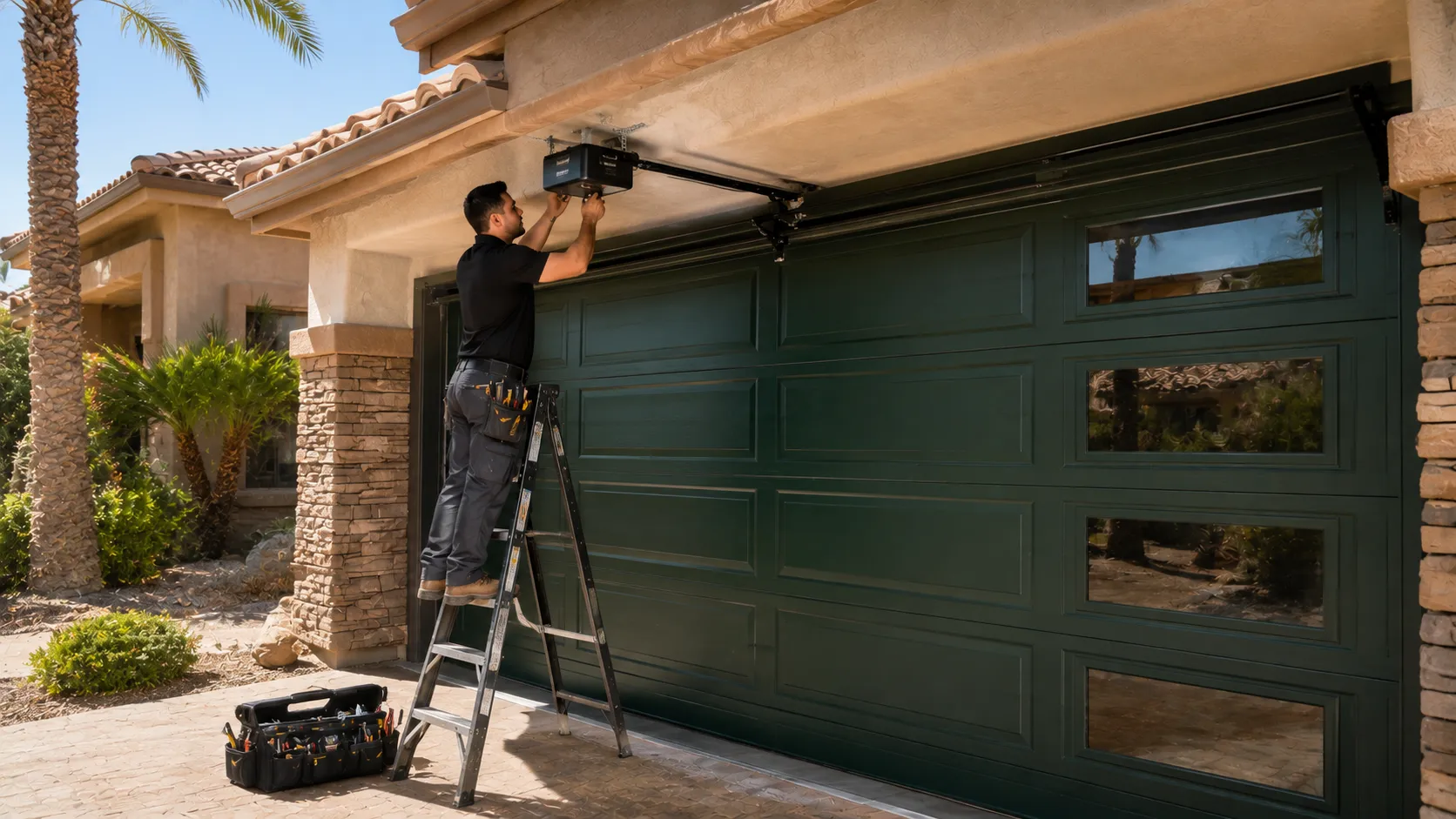
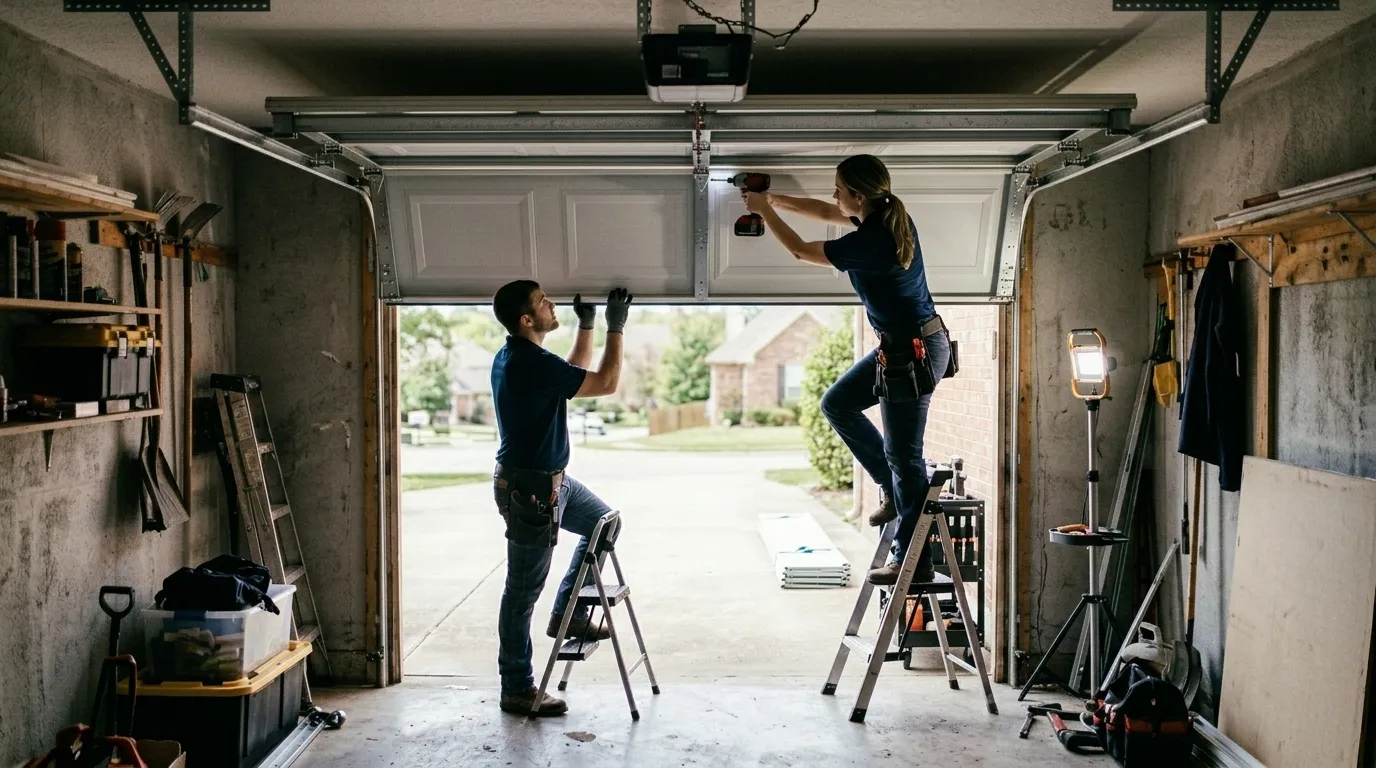
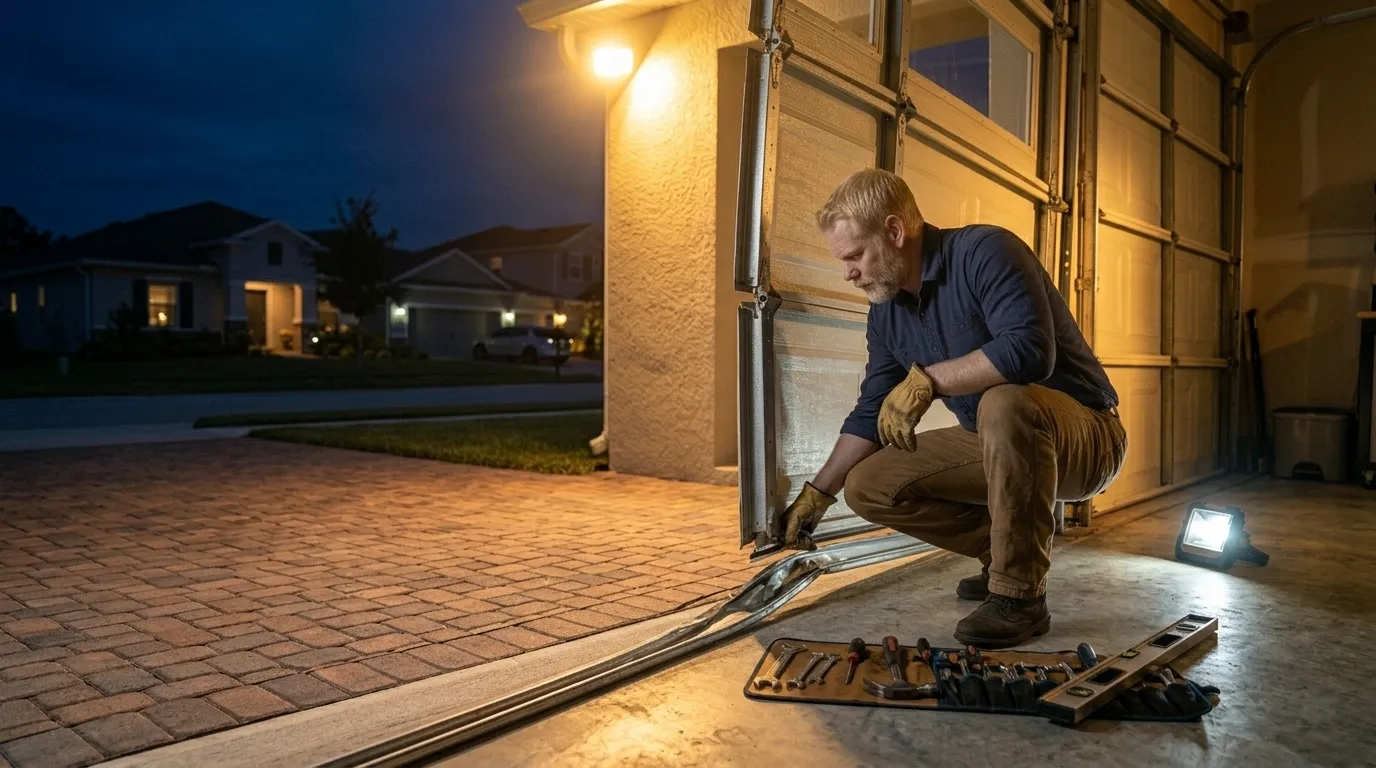
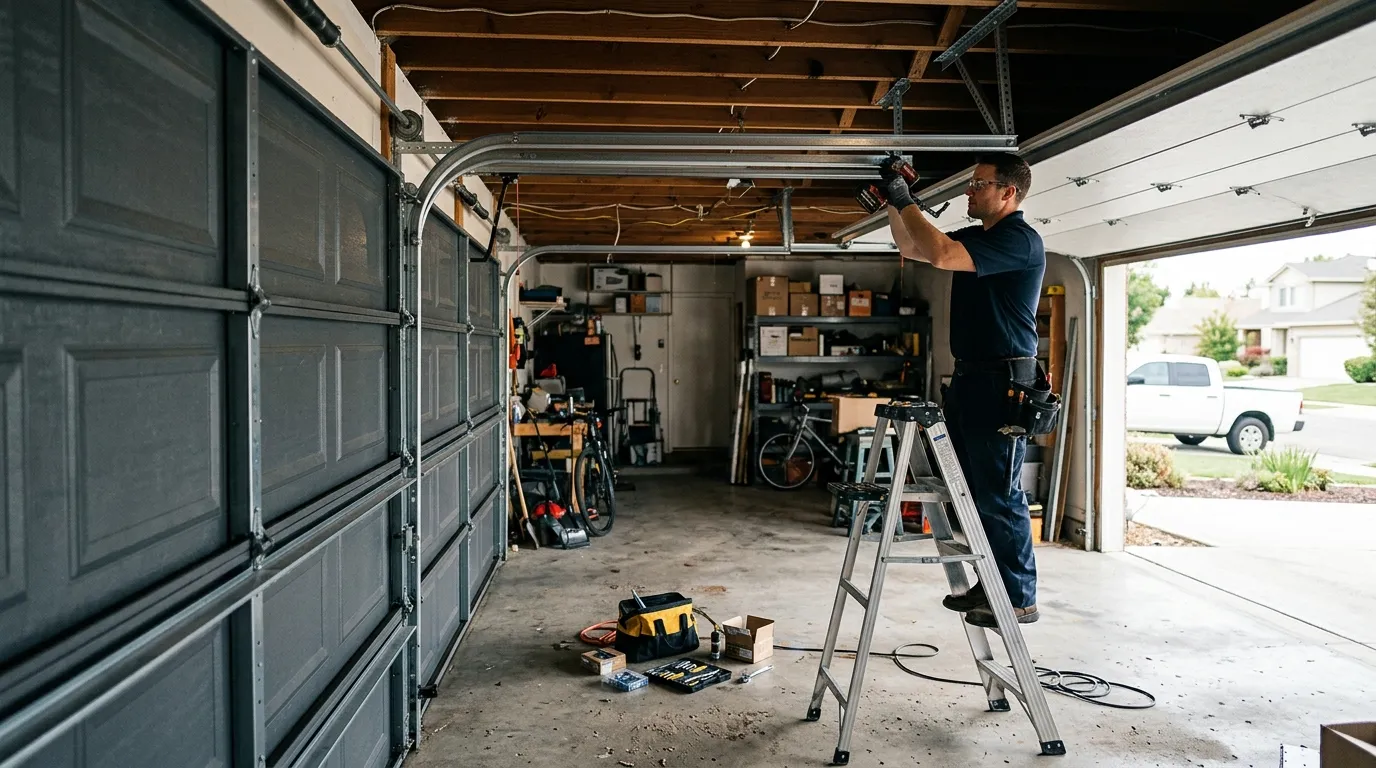
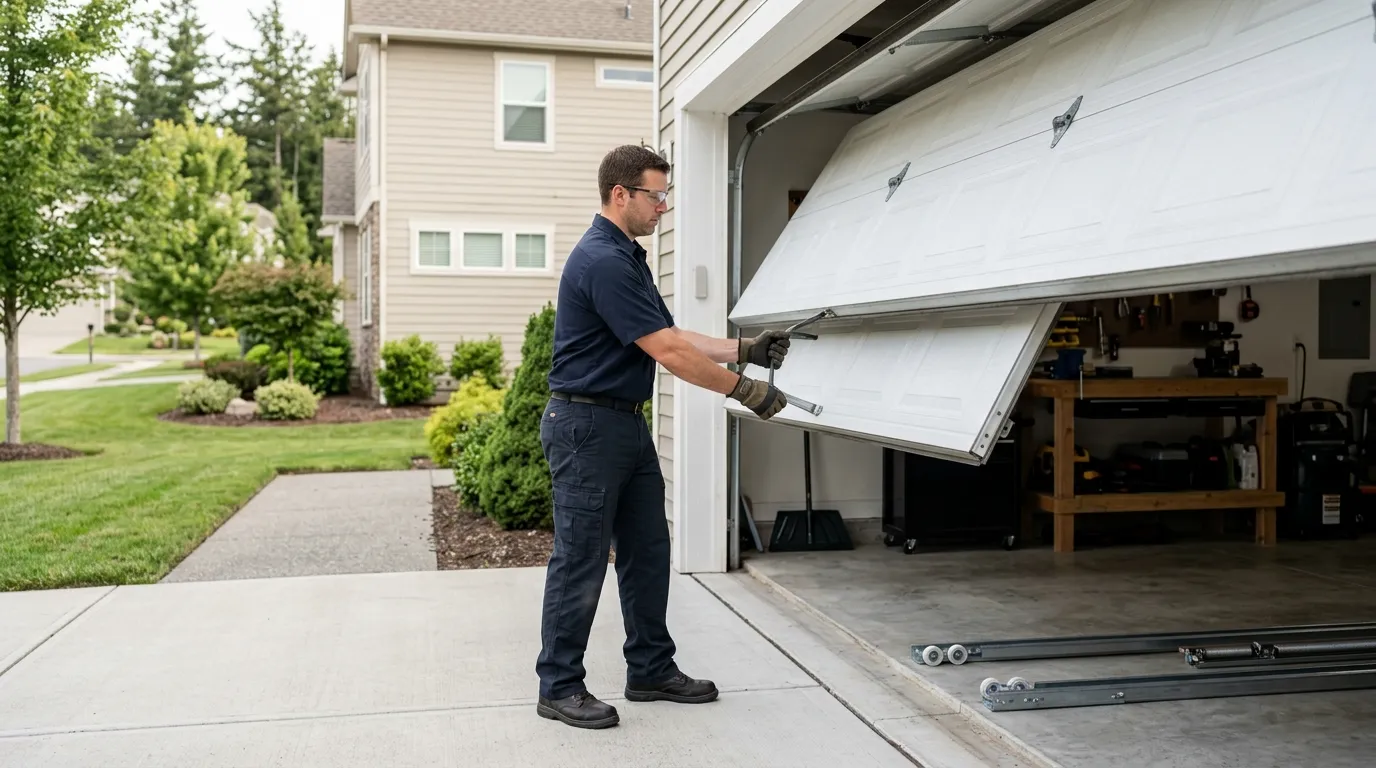
We start by pulling the section size and panel width off the existing door, not off a catalog guess. On a door from this era, that usually means a 24- or 25-gauge steel skin, insulated with polystyrene or polyurethane fill, and a stile pattern that has to match neighboring sections or the door racks unevenly on the track. We disconnect the opener arm, unhook the affected section from its rollers and hinges, and swap the panel without dropping the whole door if the surrounding sections are still sound.
Once the new panel's in, we recheck roller alignment and hinge tension - a mismatched replacement panel, even one that's the right size, can throw the door's balance if the hinge spacing is off by even a bolt hole. We test the full open-close cycle under power before we call the job done, since a panel that looks right sitting still can still bind against the track once it's moving.
What You Are Seeing
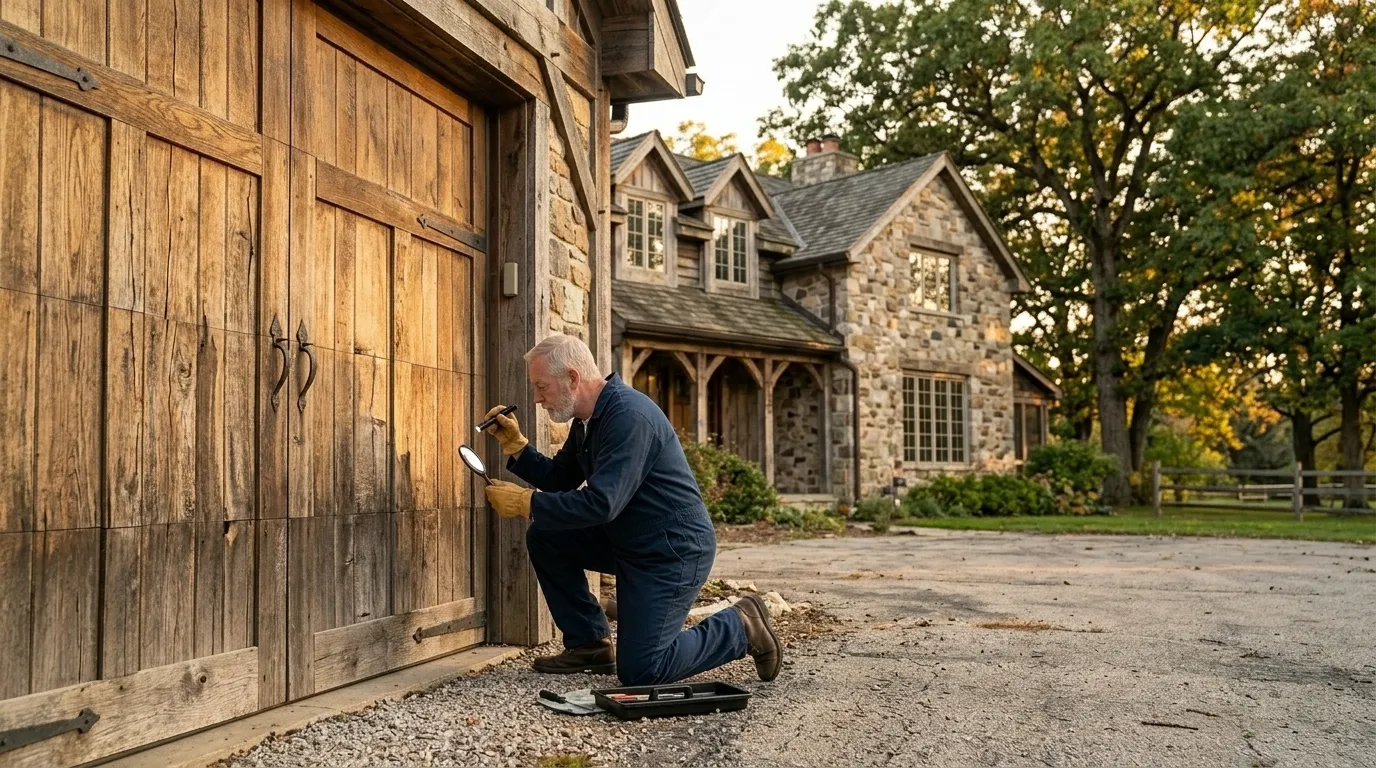
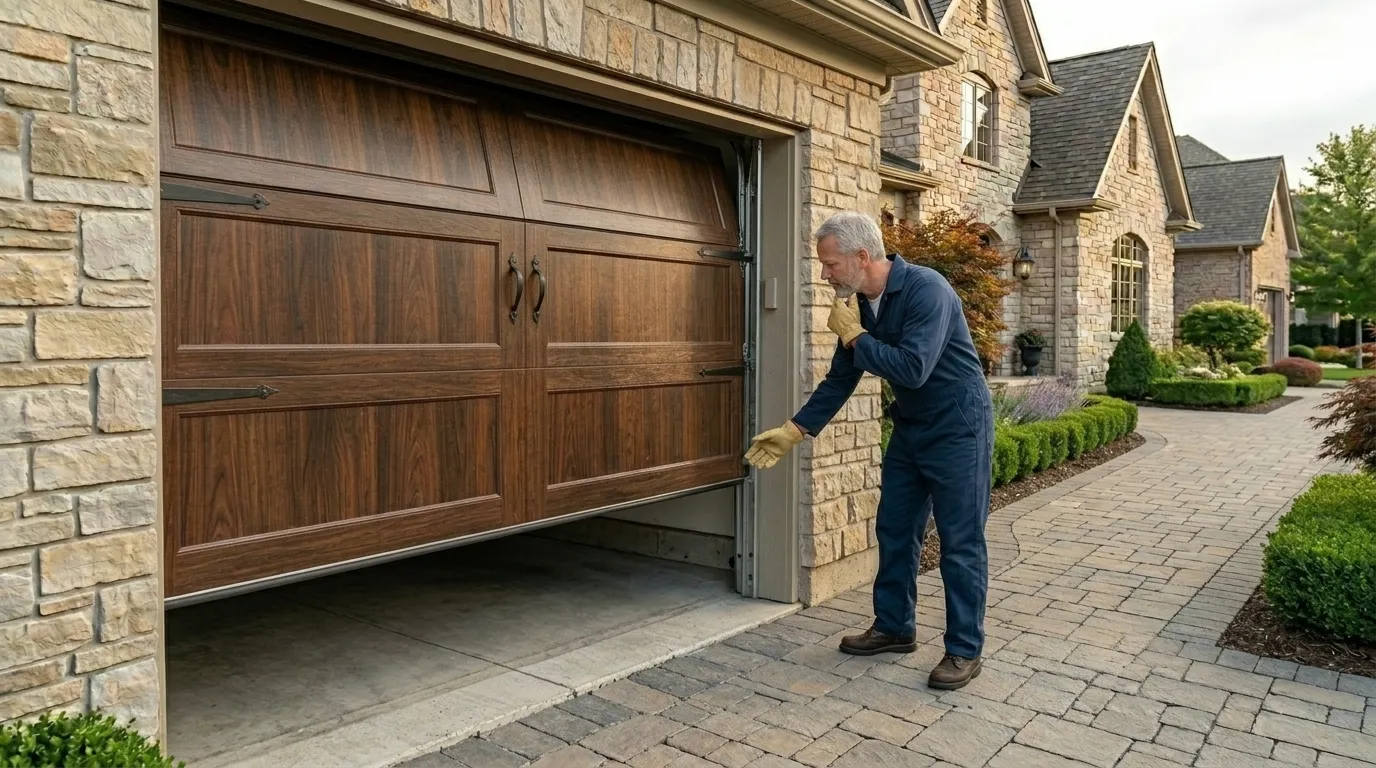
A dented panel on a door this age usually looks worse than it is structurally - steel dents but rarely cracks. What's harder to see is delamination: the foam core separating from the steel skin, which shows up as a hollow sound when you knock on the panel and a slight bow that's more visible from inside the garage than from the driveway. If the bottom section shows a rust line at the seam, or the door hangs a little crooked when it's halfway open, that's usually the panel swelling from trapped moisture rather than the springs going bad. Gaps at the panel joints that let daylight through are a fit problem, not a cosmetic one - they mean the section isn't seated against its neighbor, which stresses the hinges every cycle.
Can You Do This Yourself
Swapping a bottom panel on a door with the torsion spring still under tension is not a DIY job - that's where people get hurt, and we won't talk anyone through doing it themselves over the phone. If you're comfortable working on an open, disconnected door, replacing a middle or top panel with the opener unplugged and the door manually propped is more forgiving, but matching an insulated panel's foam thickness and stile pattern to a 20-plus-year-old door is where most homeowner attempts go sideways - the replacement part looks close enough in the store and doesn't sit flush once it's on the track. Given the income level and home values typical of this area, most owners we talk to would rather have it done right the first time than pay twice.