Booking a Visit
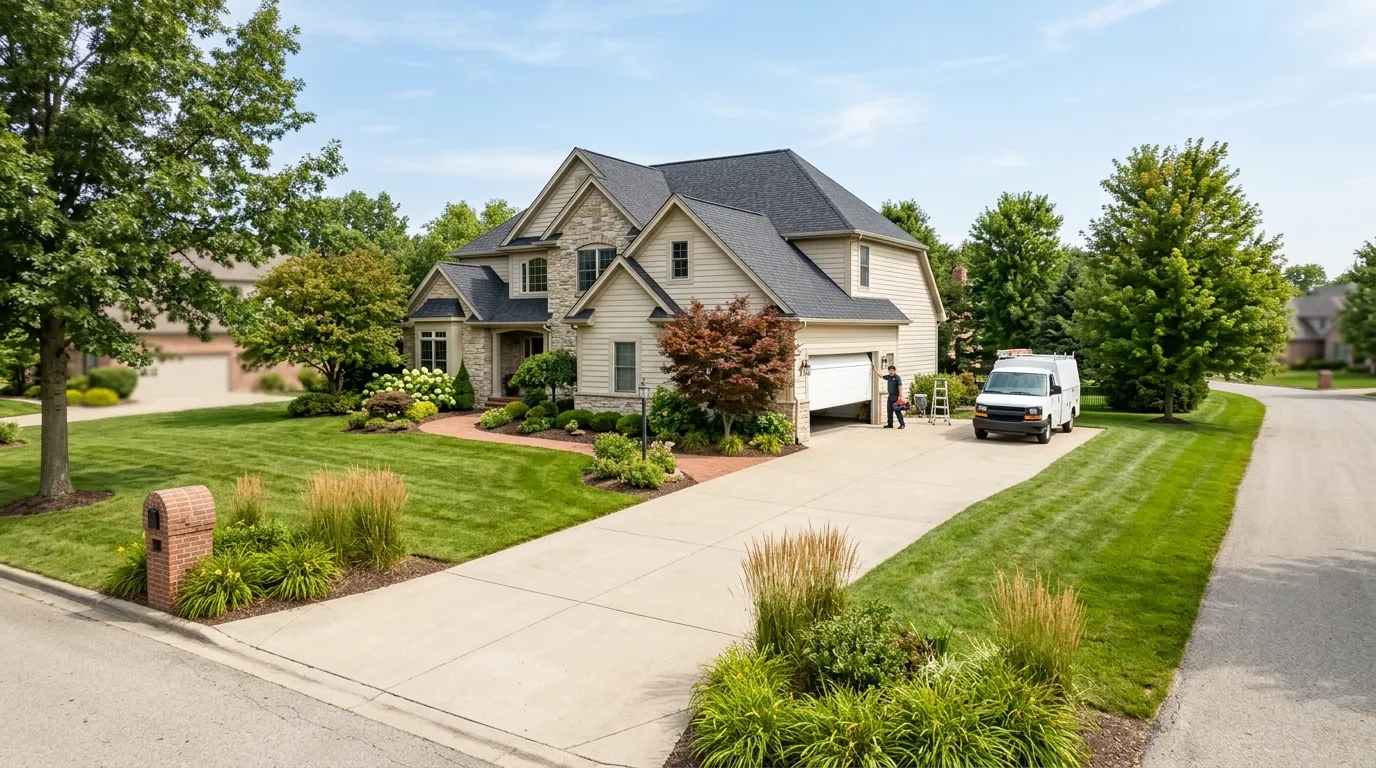
We schedule the visit around two things: what door you want and what's actually on your house now. Because the trip out to Martha Lake runs closer to 17 miles than a local hop, we like to nail down the door model, color, and window layout before the truck leaves Marysville, so the crew isn't guessing on site.
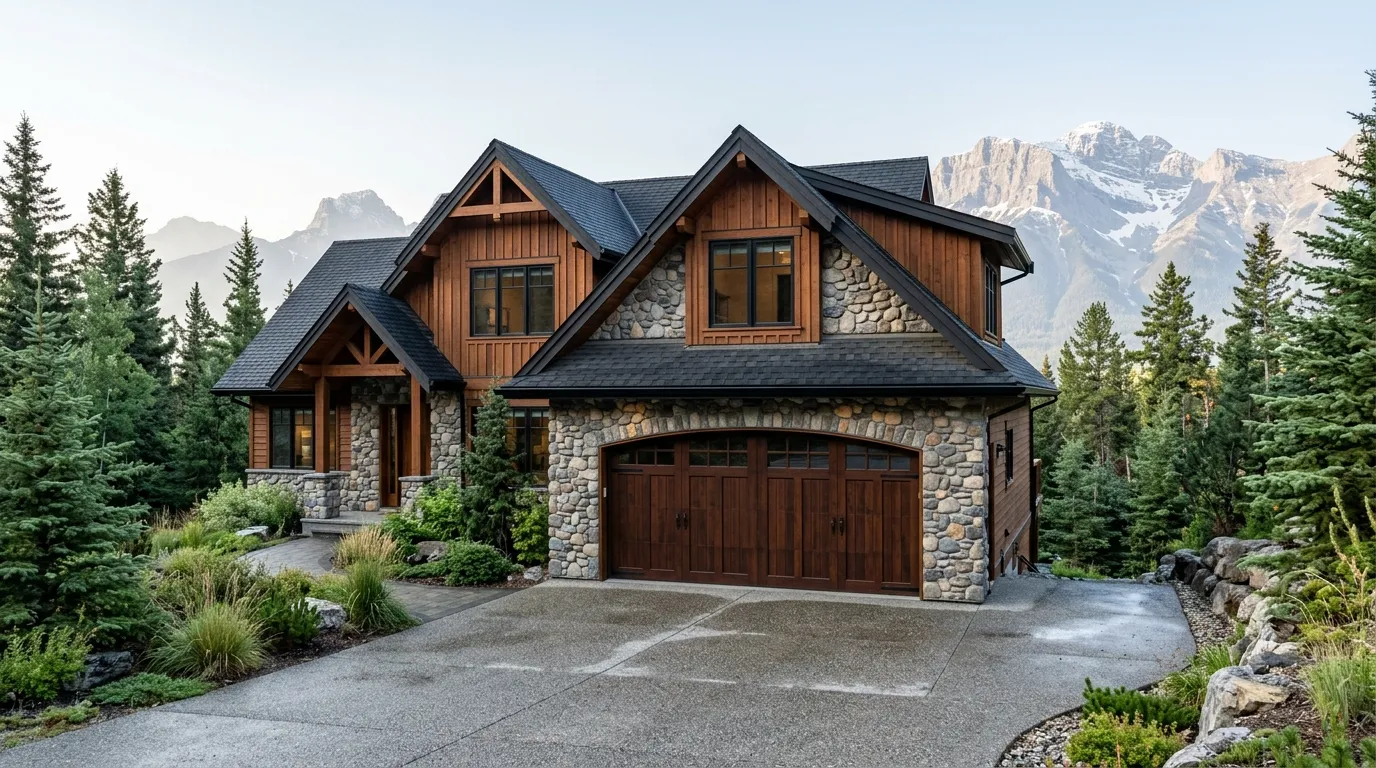
Martha Lake's median household income runs around $132,130, well above the roughly $106,164 median across the wider service area, and that shows up in what people order - more requests for insulated steel or wood-composite doors with real R-value than for the bare, uninsulated panels that were standard when these houses went up. If you already know the door you want, tell us on the call. If you don't, we'll walk the options with you before we quote anything, so the number you get matches the door you'll actually receive.
What the Repair Takes
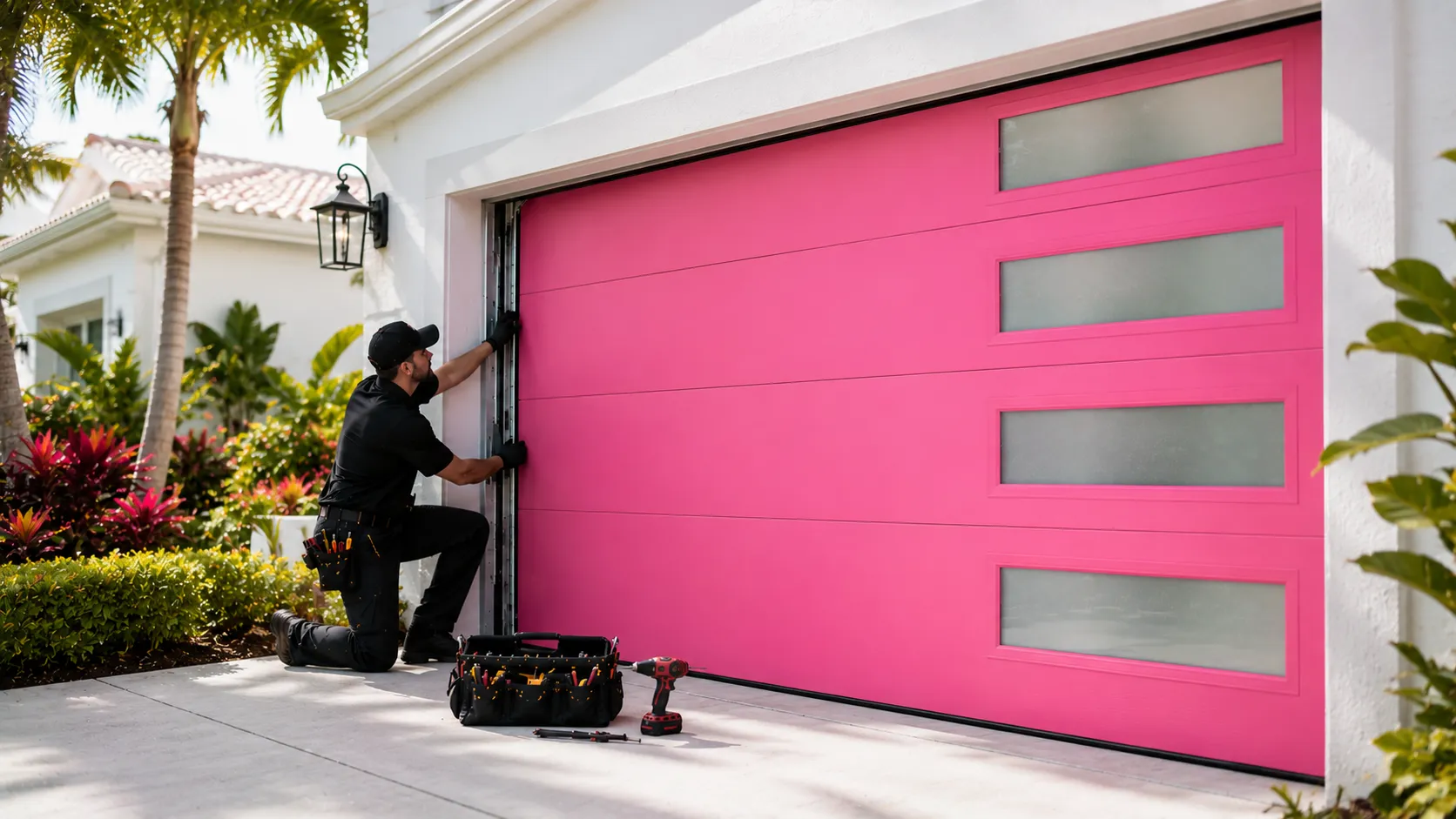
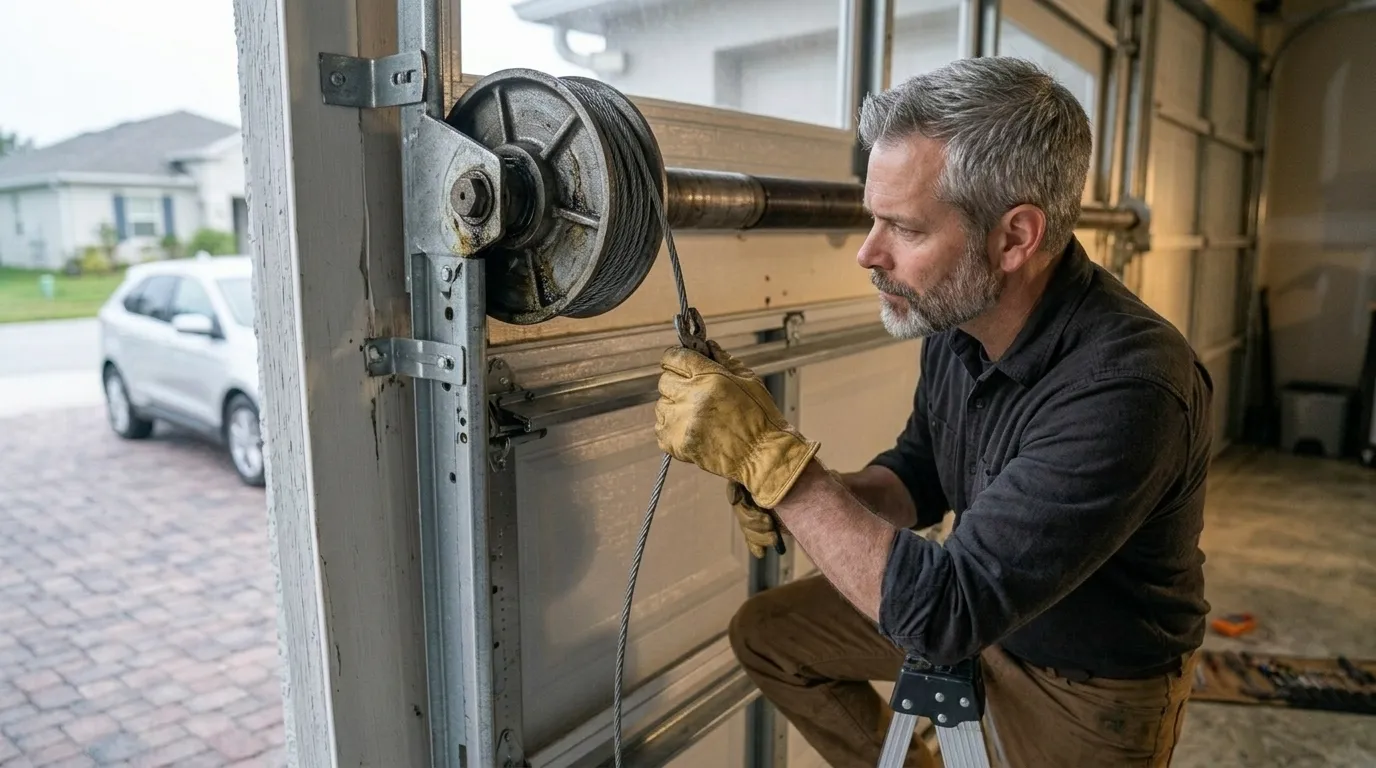
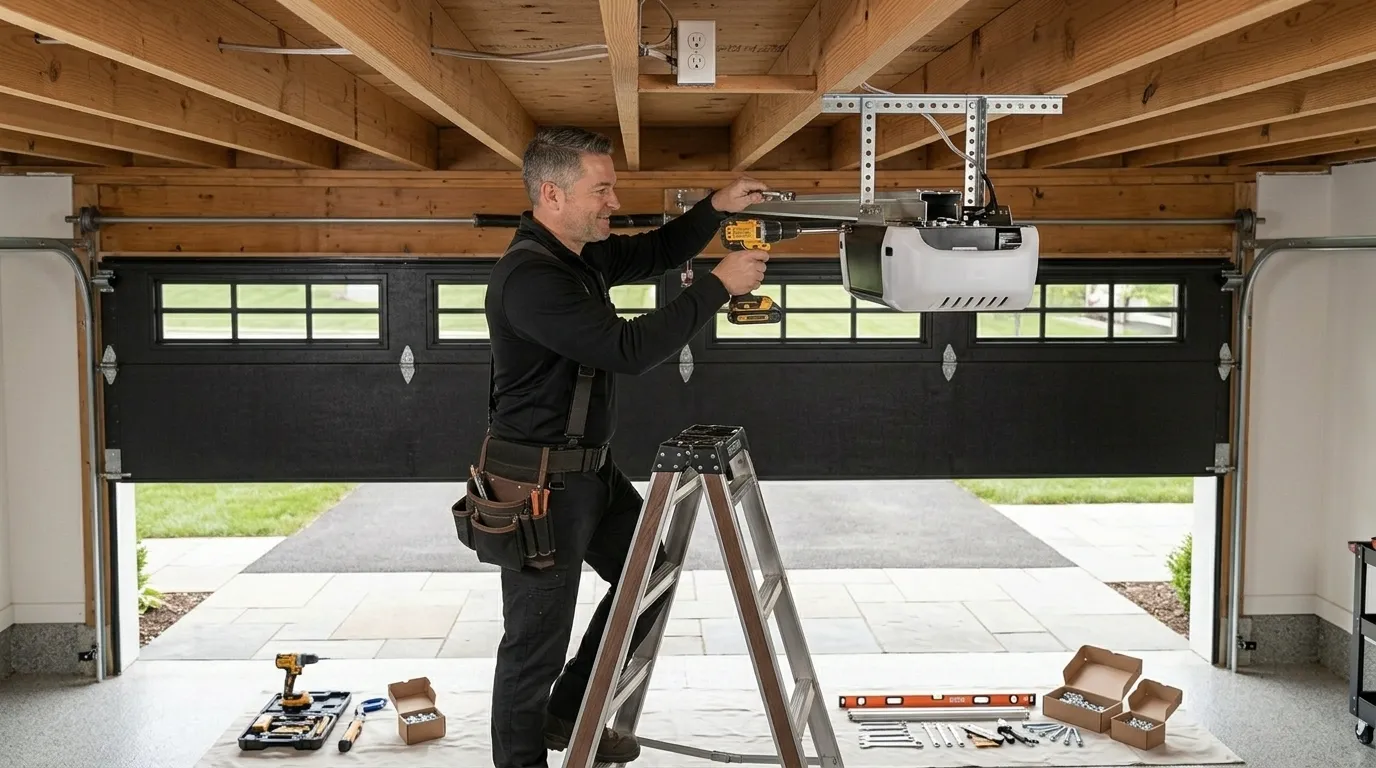
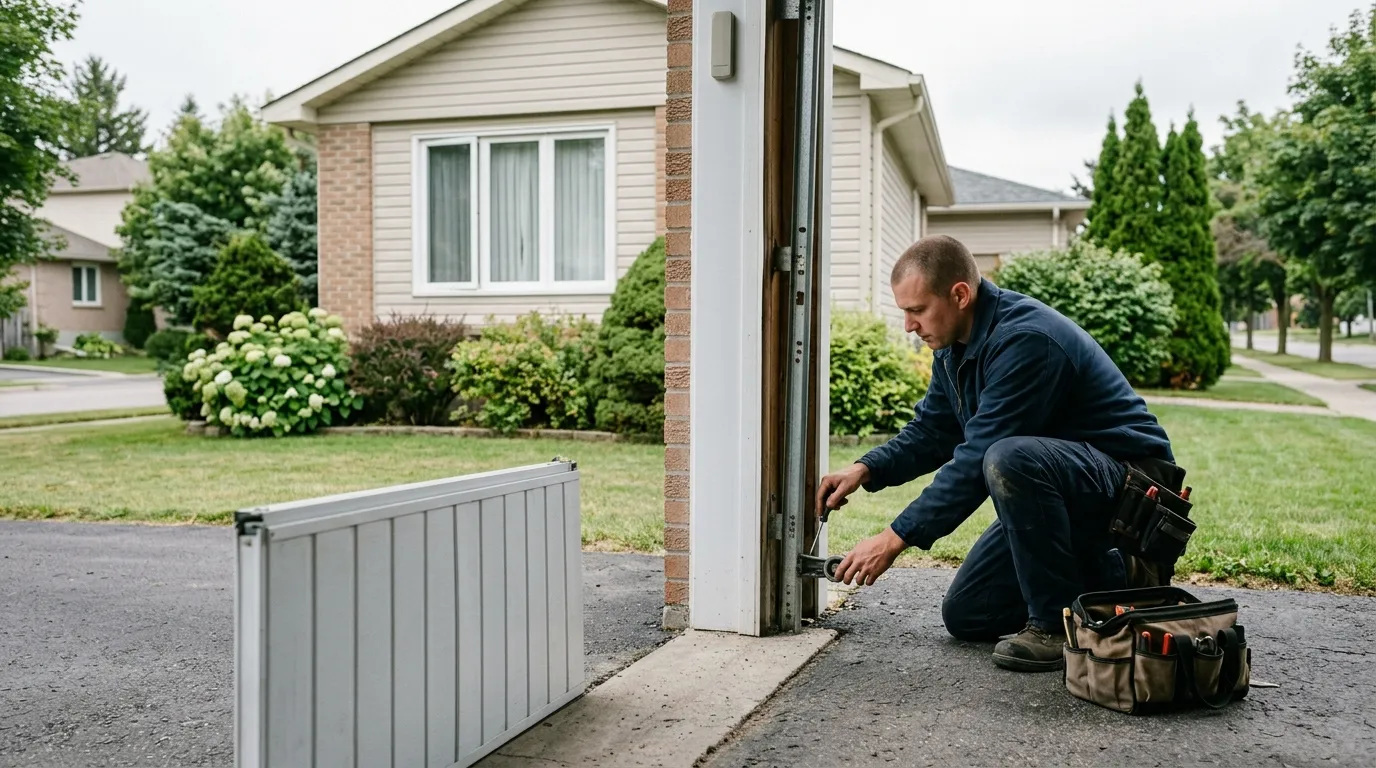
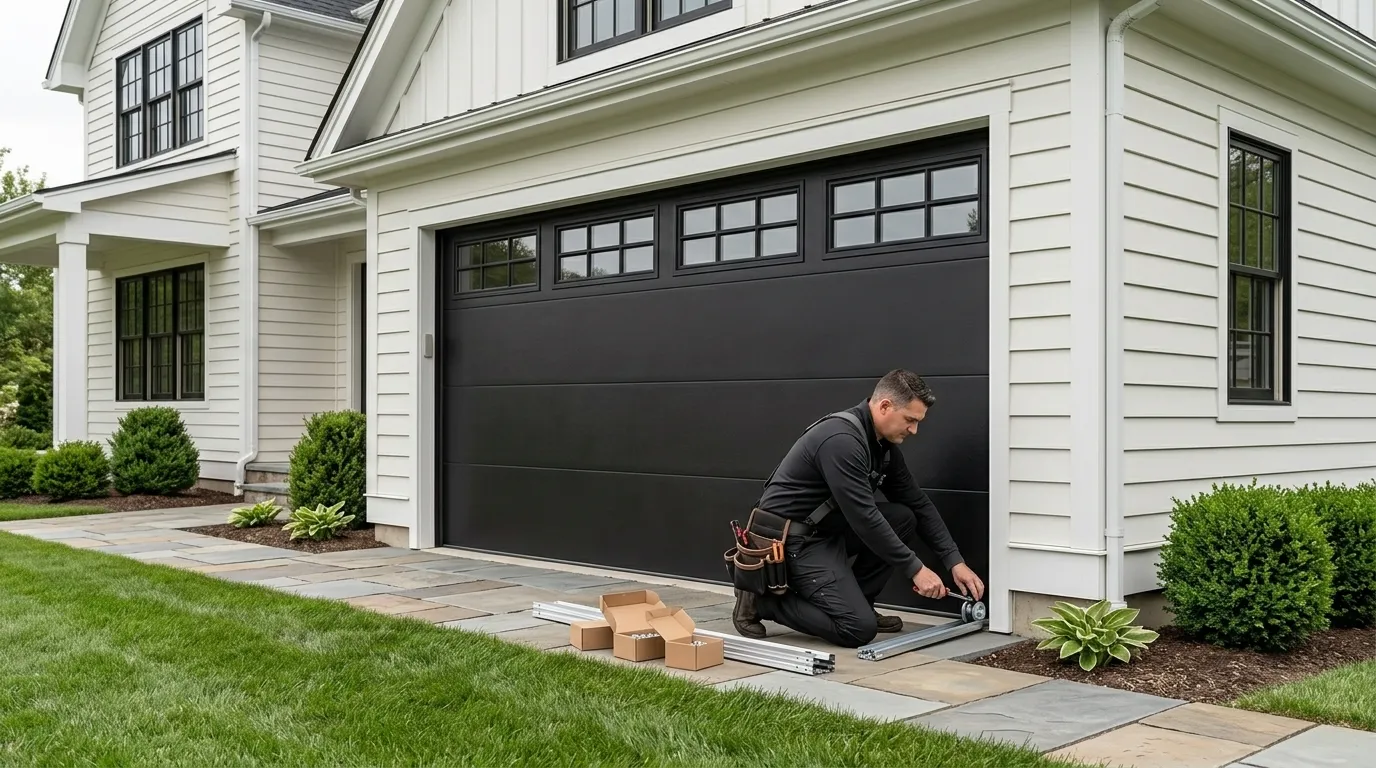
A full new-door install is mechanical work, not guesswork: disconnect and remove the old door and springs under control, take down the old track, check the header for square and the jambs for rot or shift, then set new track, new springs sized to the door's weight, and new rollers. Insulated doors weigh more than the bare steel doors common on 1999-era Martha Lake houses, so torsion springs get resized to match - you can't reuse old spring cable poundage on a heavier door and expect it to lift right.
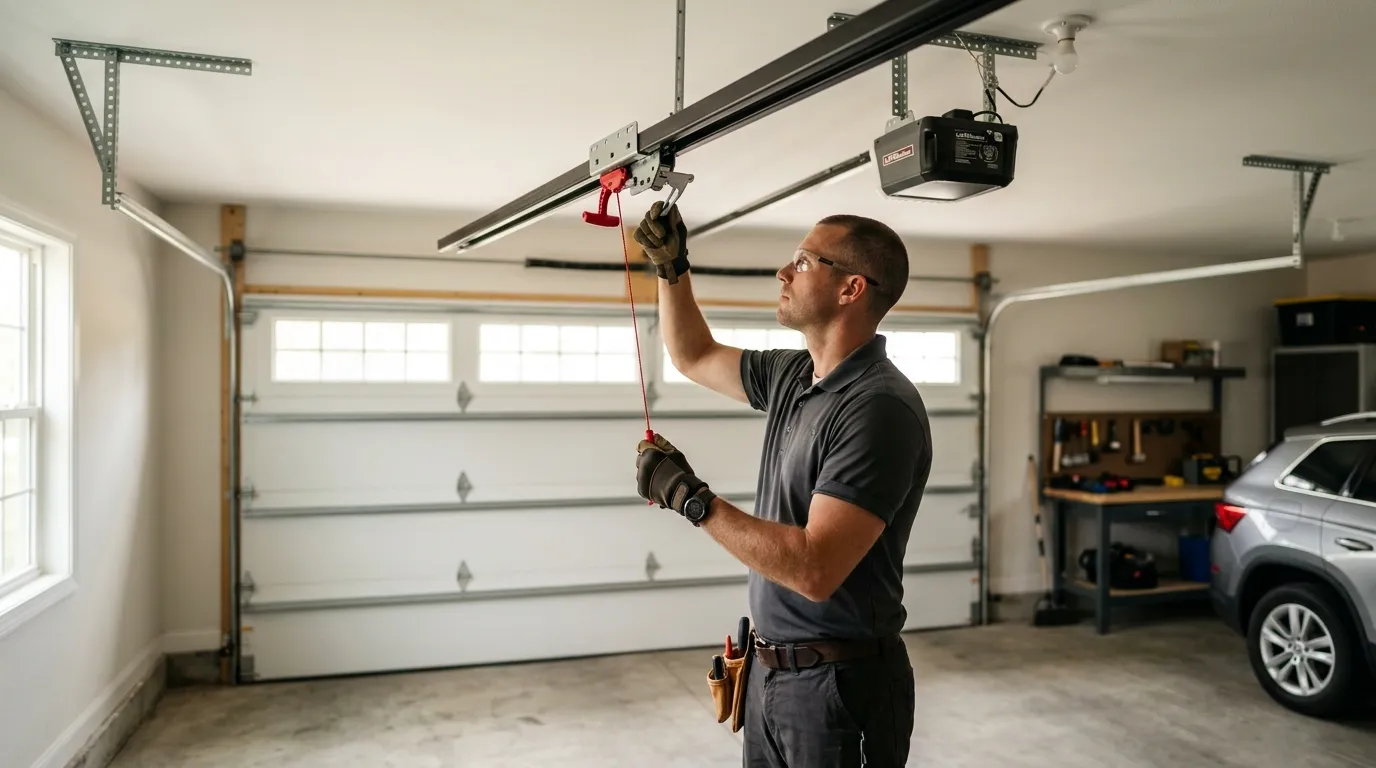
Once the door's hung and leveled, we set the opener travel limits and force settings from scratch, because a heavier or thicker door needs different close-force numbers than what the old one ran. We also check the wall button, sensors, and any smart-opener pairing before we call it done. If the opening itself needs framing work - a rotted jamb or an out-of-square header - that's a separate conversation, since it changes both the timeline and the scope.
What You Are Seeing
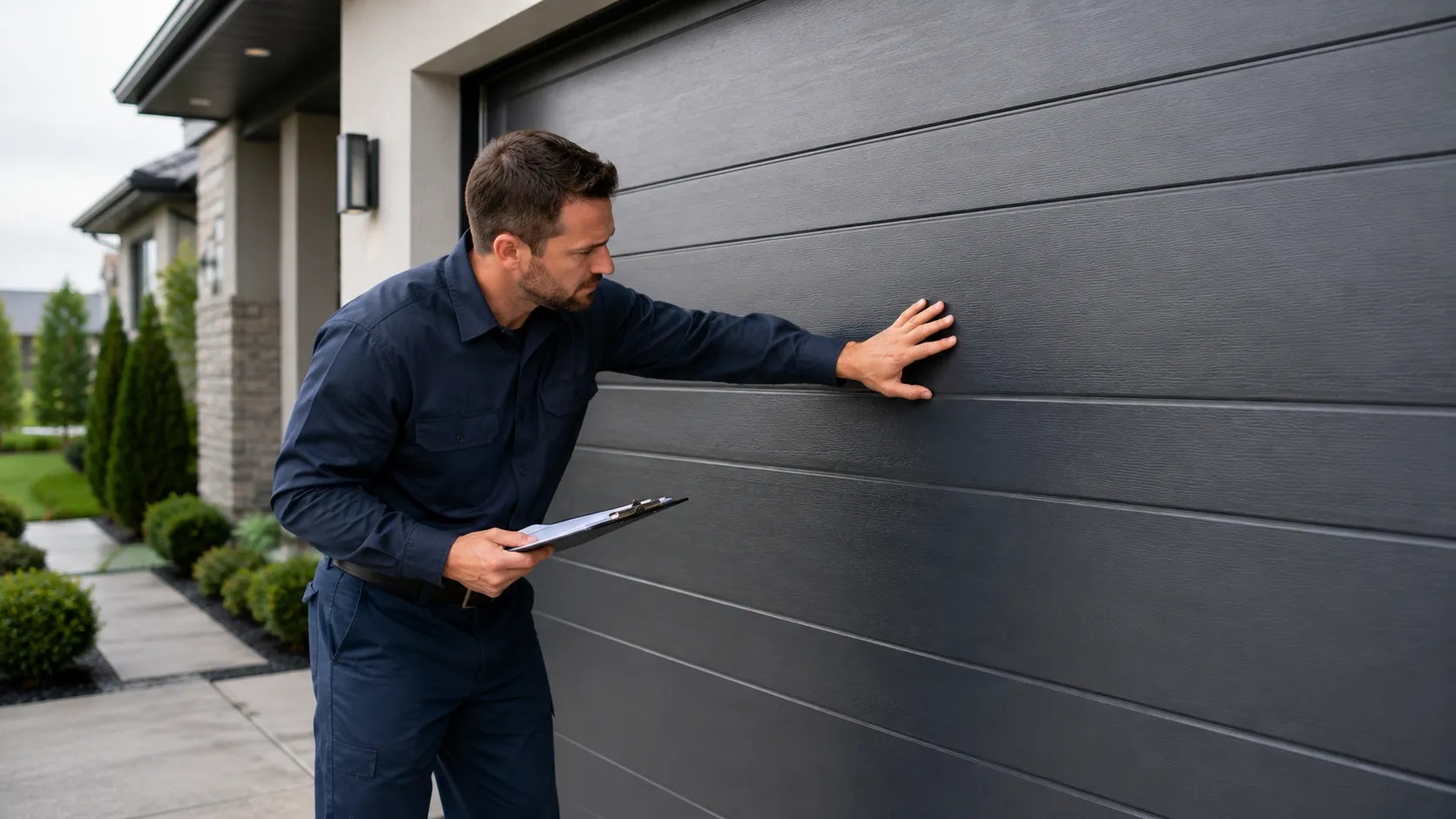
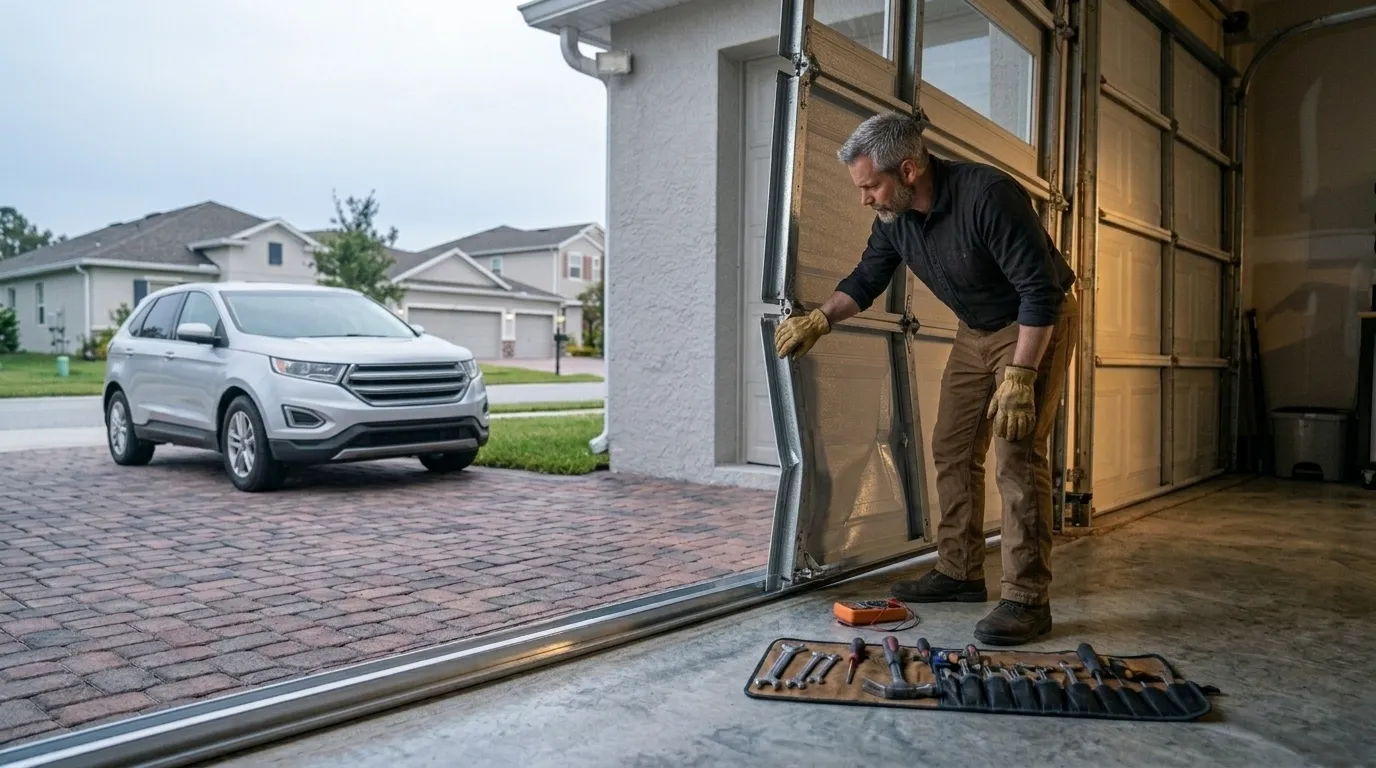
The signs that push a Martha Lake homeowner from repair to replacement are usually visual before they're mechanical. Panels bowing slightly at the horizontal seams, especially near the bottom two sections, is the clearest one - that's the steel itself starting to warp, not just a dent you can pop out. Weatherstripping that's cracked and pulling away from the bottom panel is another, since it's original-run rubber that's had over twenty years of temperature swings.
On the mechanical side, a door that shudders or hesitates partway up, rollers that have gone from smooth to a visible wobble in the track, or an opener that runs louder than it used to are all signs the whole system - not just one part - is at the end of its run. If you're only seeing one of these and the door still opens clean and quiet, that's usually still a repair, not a full swap. We'll tell you straight which one it is rather than upsell a new door onto a fixable problem.
Can You Do This Yourself
Weatherstripping, a new wall button, or lubricating hinges and rollers are reasonable DIY tasks on a door of this age, and there's no reason to call us for those. A full door swap is a different job. Torsion springs on a door heavy enough for an insulated panel store a serious amount of force, and setting spring tension wrong is how people end up in the ER, not just with a crooked door.
We also won't pretend every job is a good candidate for a fast turnaround - if the header or jamb needs framing repair before a new door can go in square, that's extra time and extra cost, and we'll say so up front rather than force a door into an opening that isn't ready for it. If you're set on doing the swap yourself, at minimum have someone else handle the spring work; that's the one part of this job where the margin for error is genuinely small.