What You Pay
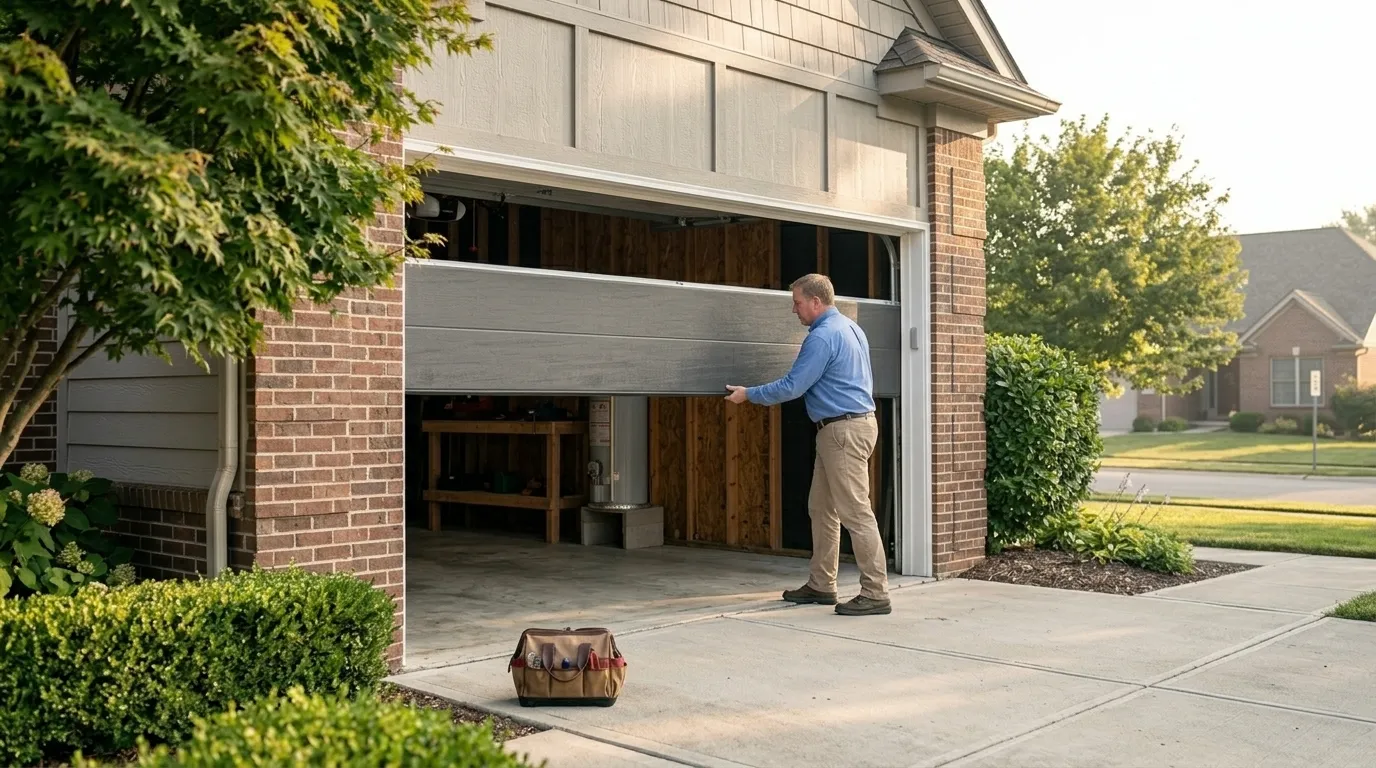
We don't quote a number without seeing the door - a worn roller and a broken spring on the same call price very differently, and we're not going to guess at that here. What we can tell you is how we think about it. If the opener, springs, and hardware are original to a house built in the 1972-2000 window that makes up most of this area, replacing one failed part on a thirty-year-old system often means the next part fails within a year or two anyway, because everything's aged together. At that point spending on a single repair can be money that doesn't carry forward. Median household income in this area runs $106,164, which puts a full replacement door in reach for a lot of owners here, and that's part of why we'll tell you straight when a repair isn't the better spend rather than stack small fixes on an old door. If your door is newer, or the failure is a single part - a cable, a sensor, a roller - repair is usually the right call and the cheaper one. The honest limit here: we can't tell you what your job costs from a description over the phone. Springs, tracks, and panels vary enough that we look at the door first.
What Is Going On
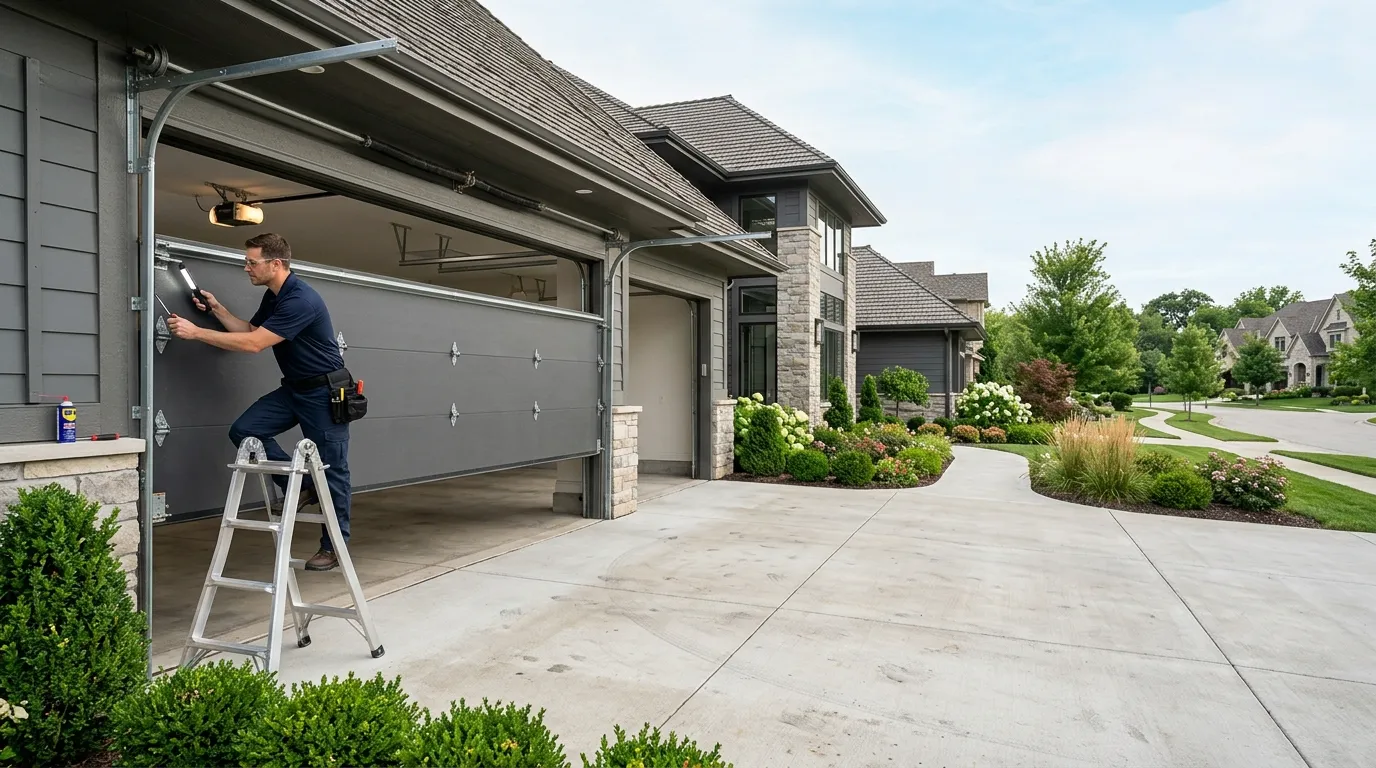
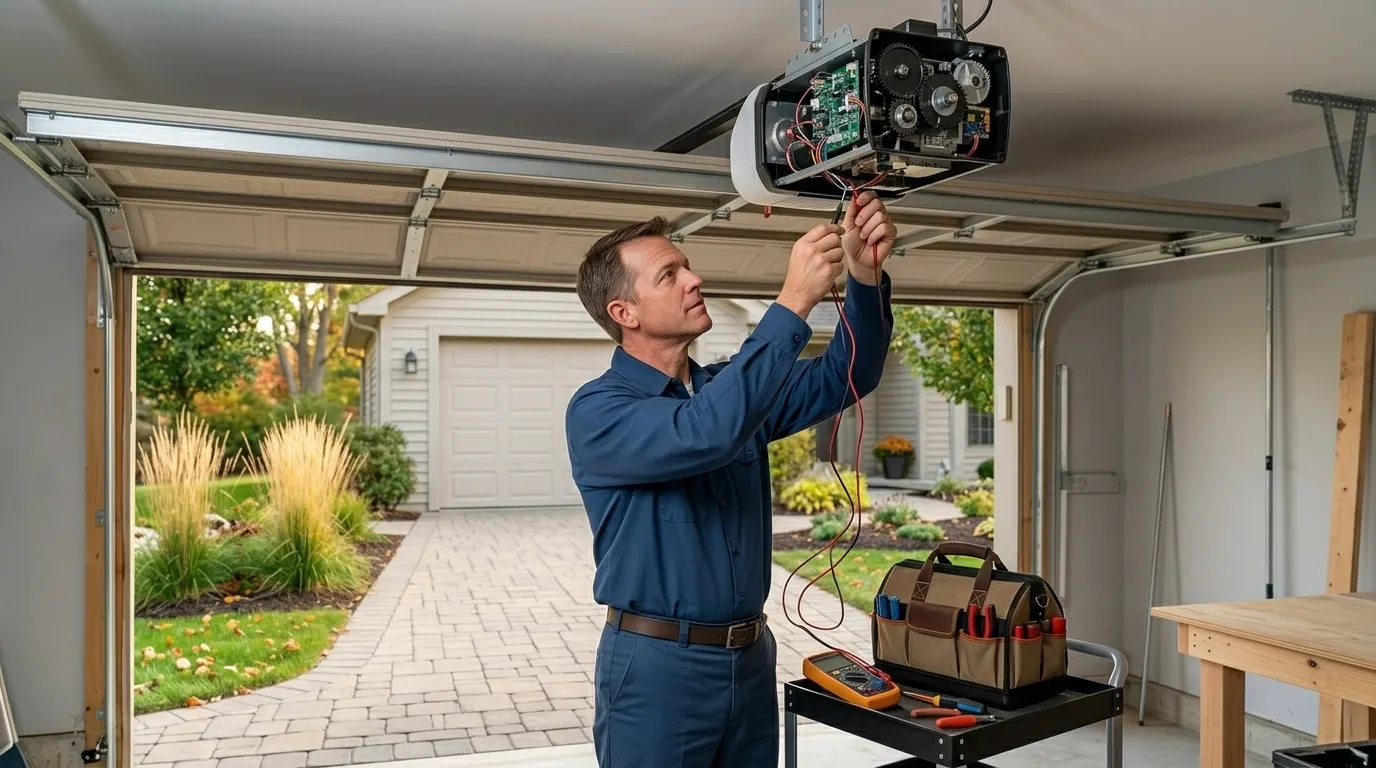
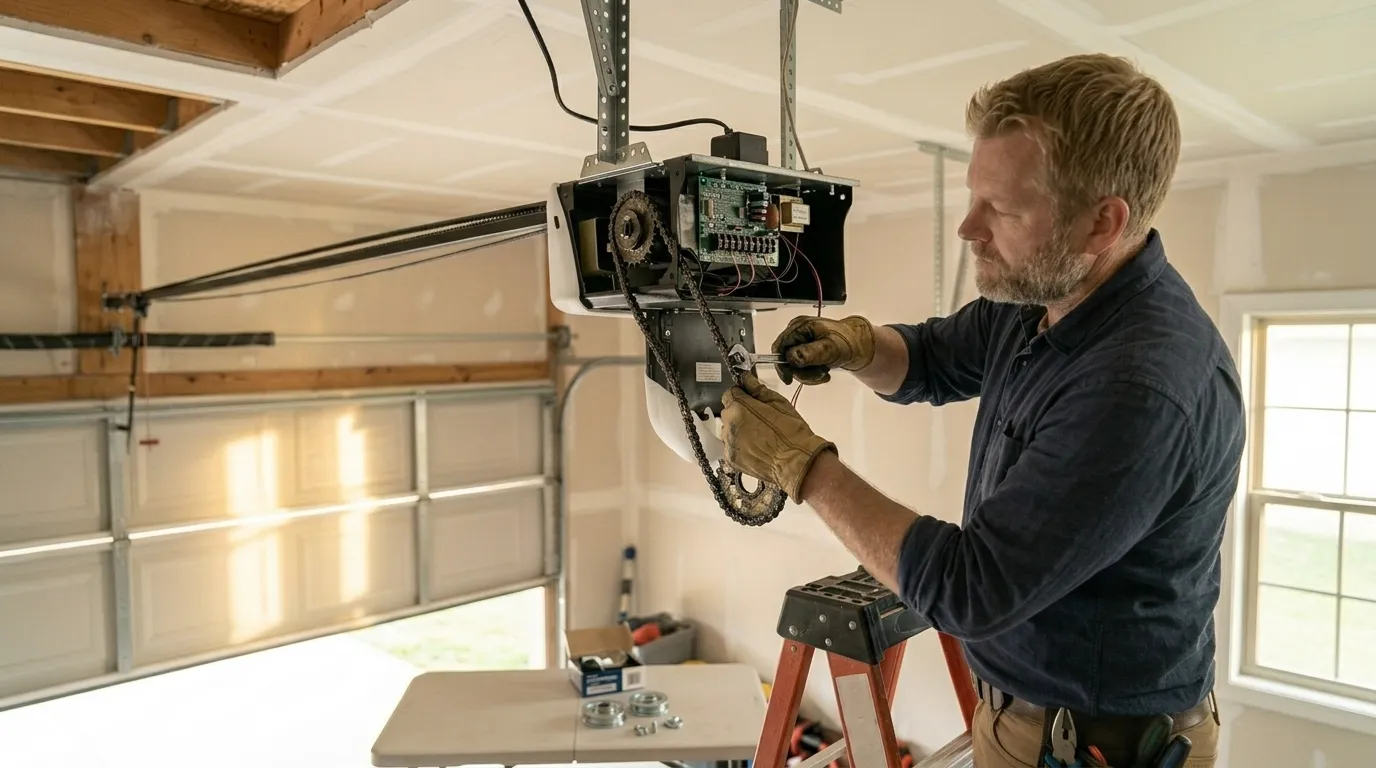
Most of the housing in this service area went up between 1972 and 2000, with the median build year landing around 1991. Across the 28 communities we cover, that stock is heavily 1980s and 90s construction, which means a large share of the garage doors we get called to are original to the house - not a replacement installed ten years ago, but the door and opener that came with the build. A door installed in 1988 is now well past the cycle count its torsion spring was rated for, and openers from that era often have gear-drive units that were never designed to run the number of cycles a household puts on a door over thirty-plus years. That's why so many of the calls we get aren't really about one broken part. They're about a system that's aging out all at once - spring, rollers, and drive gear all near the end of their life on the same door. With 50,164 owner-occupied houses out of roughly 84,687 households in this area, that's a lot of original hardware still in service, and a lot of doors where the question isn't whether something will fail, it's which part goes first.