24/7 Emergency Service Open 7 days · 7am–8pm Serving Marysville, WA & nearby
(360) 743-7932
Marysville, WA

Why Garage Doors Go Off Track in Marysville

In Marysville, most homes were built between 1972 and 2000, and cold winters can pull a door off its track fast. Here's what actually happens and why.

Why Garage Doors Go Off Track in Marysville

What Changes With the Season

Marysville sits in a cold, moderate climate band, and that matters more for a garage door than most people think. Steel track expands a little in summer heat and pulls back tight when temperatures drop. That's normal. What's not normal is when the mounting brackets holding that track to the framing have loosened over a few winters of that cycle, so the track shifts a fraction of an inch every season instead of snapping back to true.

Most houses in this service area went up between 1972 and 2000, with the median build year around 1991. That's fir or spruce framing behind the drywall, not engineered lumber, and after three decades of seasonal movement, the screws holding track brackets can back out just enough that the track leans. A door that's run fine for years can start binding or jumping rollers the first cold snap after that framing finally gives a little.

We don't see ice storms here the way colder inland climates do, so the failure mode is slower and quieter - a bracket a few degrees off, not a sudden crack. That's actually good news: caught early, it's a bracket tightening job, not a full track replacement.

What You Pay

We're not going to put a number here that isn't grounded - a track repair on a single door is a different job than a bent track on a double door with worn rollers, and we can't quote either without seeing the hardware. What we can tell you is what drives the cost either way: whether it's brackets, rollers, cable, or the track itself, and whether the door is original to a house built in that 1972-2000 window this whole area is built out of, which sometimes means non-standard hardware that takes longer to source.

The median household income across this service area is $106,164, and what we see is that most owners here choose to fix a track problem the first time it shows up rather than let it go until the door won't run at all. That's the cheaper path in almost every case - a leaning track caught early is a bracket adjustment, not a torsion spring and track replacement after the door's been forced off the rollers.

One honest limitation: if a track has been bent more than once, or the rollers are the original steel ones from a build in that same era, we'll usually tell you replacement is the better call rather than patching it a third time.

What Is Going On

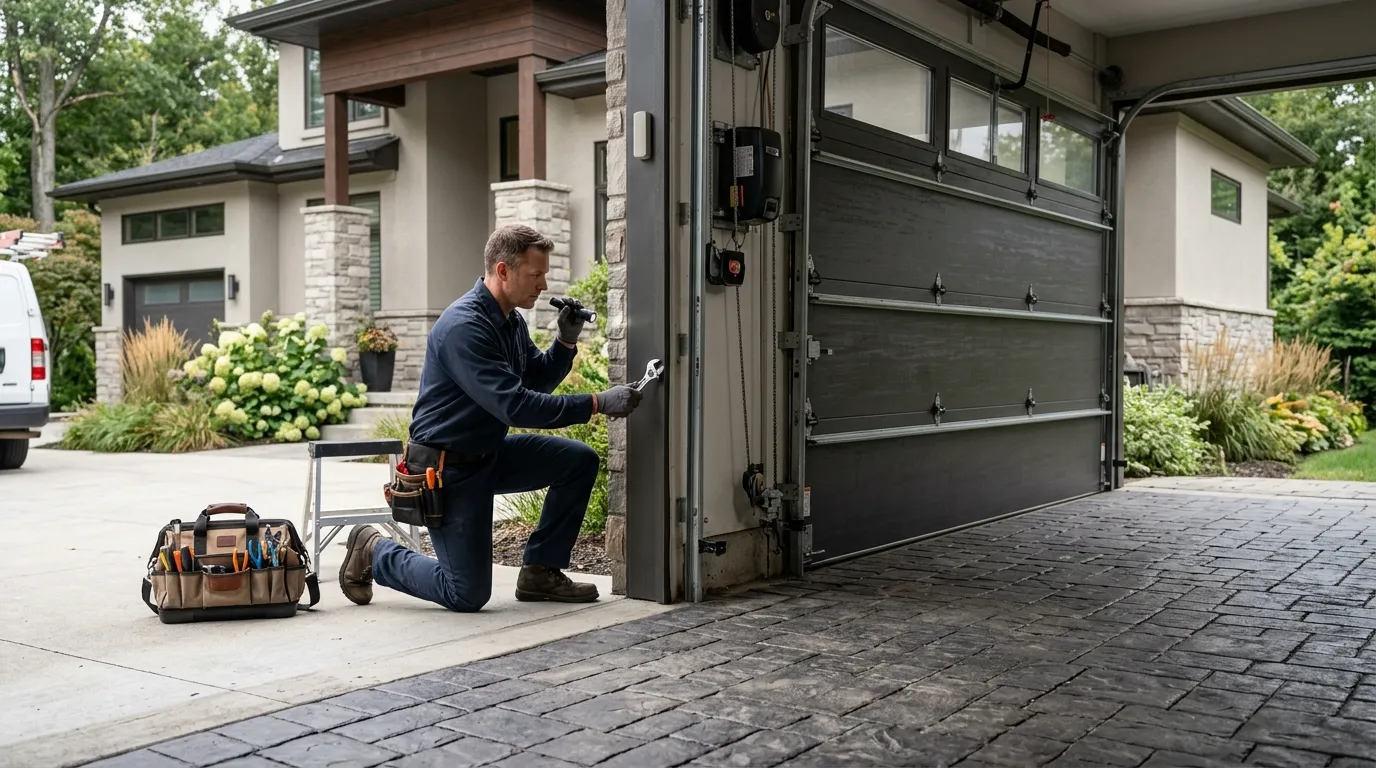
A door goes off track for a small number of reasons, and they're mechanical, not mysterious. A roller wears down or a cable frays and lets one side of the door drop faster than the other, which twists the door against the track. A bracket bolt backs out of the framing, and the track itself tips out of vertical by a degree or two - enough that the rollers start riding the edge of the track instead of the channel. Or something gets forced: a door run into with a car bumper, or run through an obstruction, bends the track outright.

Across the 28 named areas that make up this service area's housing stock - built mostly through the 1980s and 90s - the hardware doing this work is largely original steel, not the sealed, factory-lubricated rollers you'd find on a door installed in the last five years. Original rollers on a house from that era have had thirty-plus years to wear their bearings down, and a worn roller is the single most common cause we run into for a track that's slowly walking out of alignment rather than failing all at once.

When a door comes off track suddenly instead of gradually, that's almost always a cable or a spring, not the track hardware itself - worth knowing before you assume the whole rail needs replacing.
What Local Conditions Do

With 50,164 owner-occupied houses in this area, most framed and finished in that same 1972-2000 stretch, the track hardware on a huge share of these garages has never been replaced since the house was built. That's not a defect - steel track can run for decades - but it does mean the bolts, brackets, and often the rollers are original equipment aging alongside a house that's now thirty to fifty years old.

The cold, moderate climate here doesn't bring the freeze-thaw extremes that crack concrete slabs the way a harsher inland winter would, but it does mean steady seasonal contraction and expansion of both the track and the framing behind it. Over enough winters, that's what walks a bracket loose a sixteenth of an inch at a time until the track is out of plumb enough to cause trouble.

From Lochsloy five miles out to areas like Silvana and Arlington Heights, the housing built in that same 1980s-90s window shares this same basic hardware profile, which is part of why the track issues we see tend to repeat themselves house to house rather than being one-off surprises.

How it works

From “it’s stuck” to “it’s fixed”

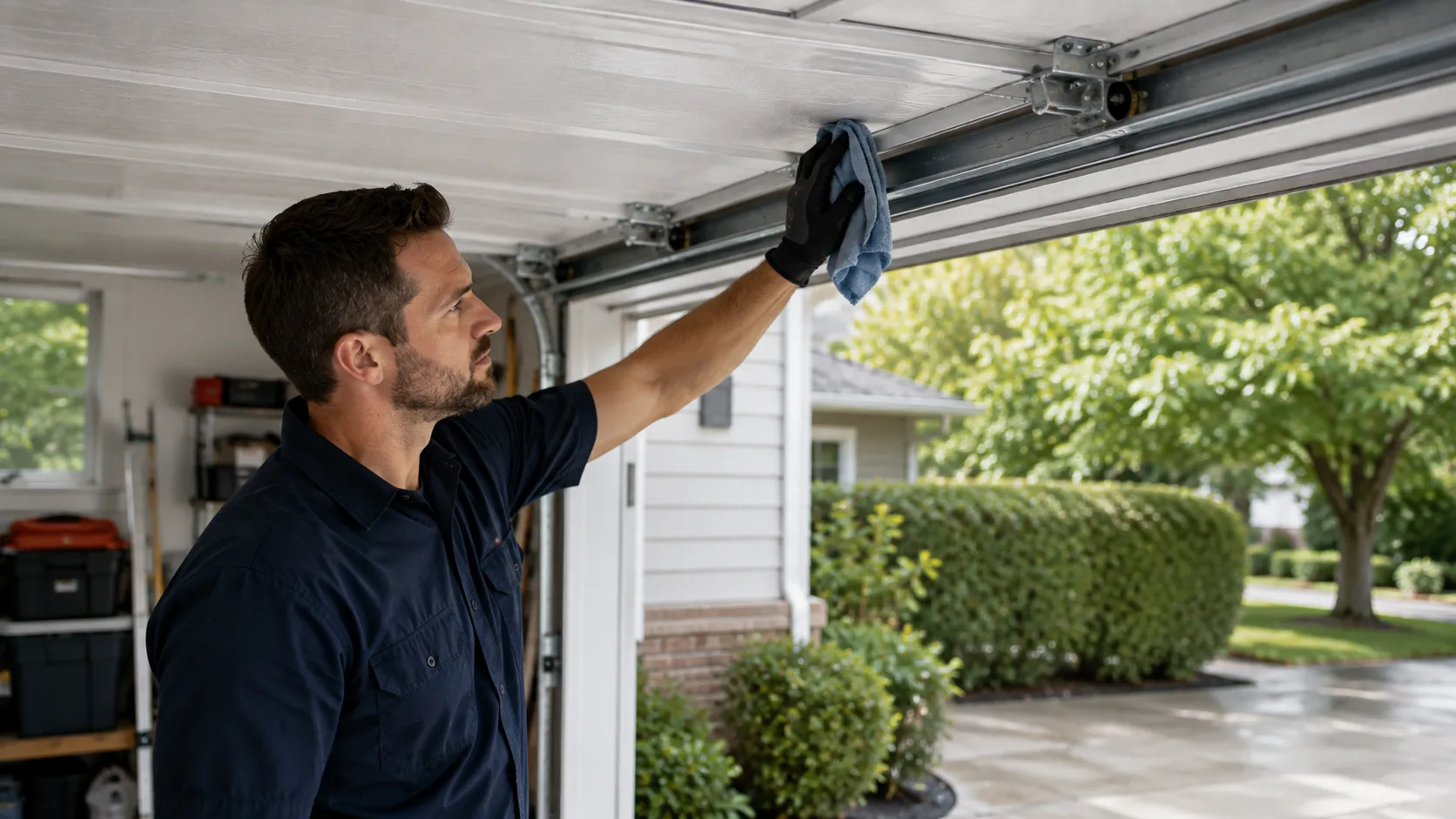
Tell us what’s wrong - Marysville garage door service

Tell us what’s wrong

Describe the symptom - won’t open, loud bang, opener runs but the door won’t move.

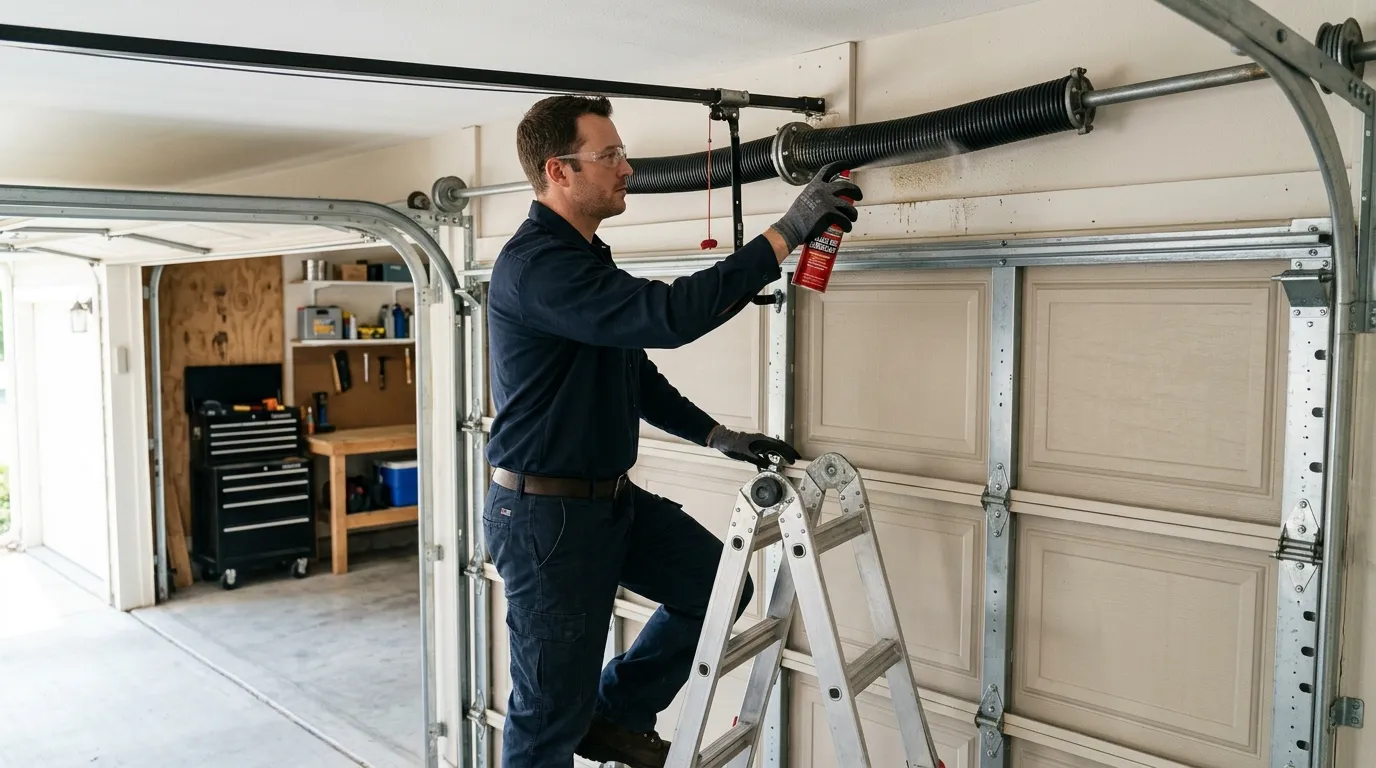
On-site diagnosis - Marysville garage door service

On-site diagnosis

A technician tests the door under power and by hand and finds what actually failed.

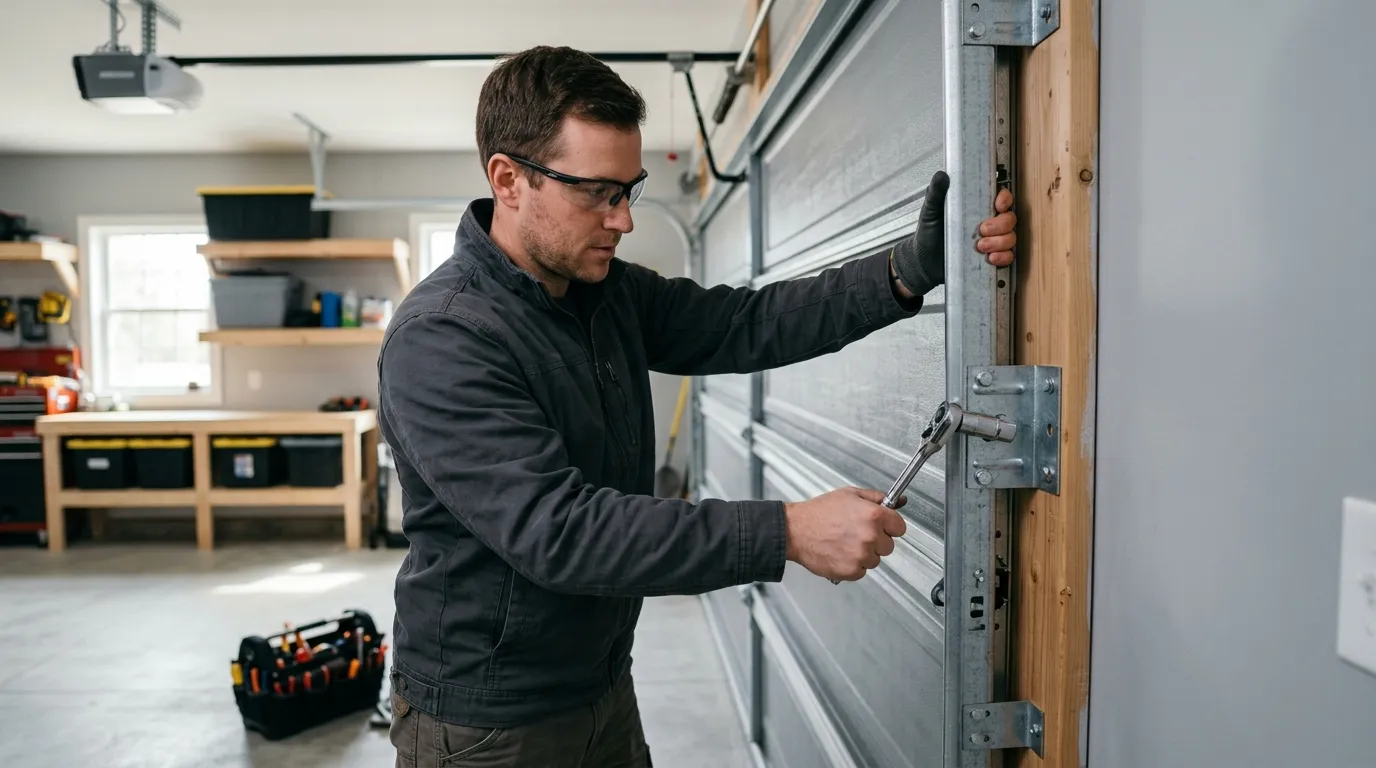
Clear, up-front plan - Marysville garage door service

Clear, up-front plan

You get the fix that’s needed and what drives the cost - before any work starts.

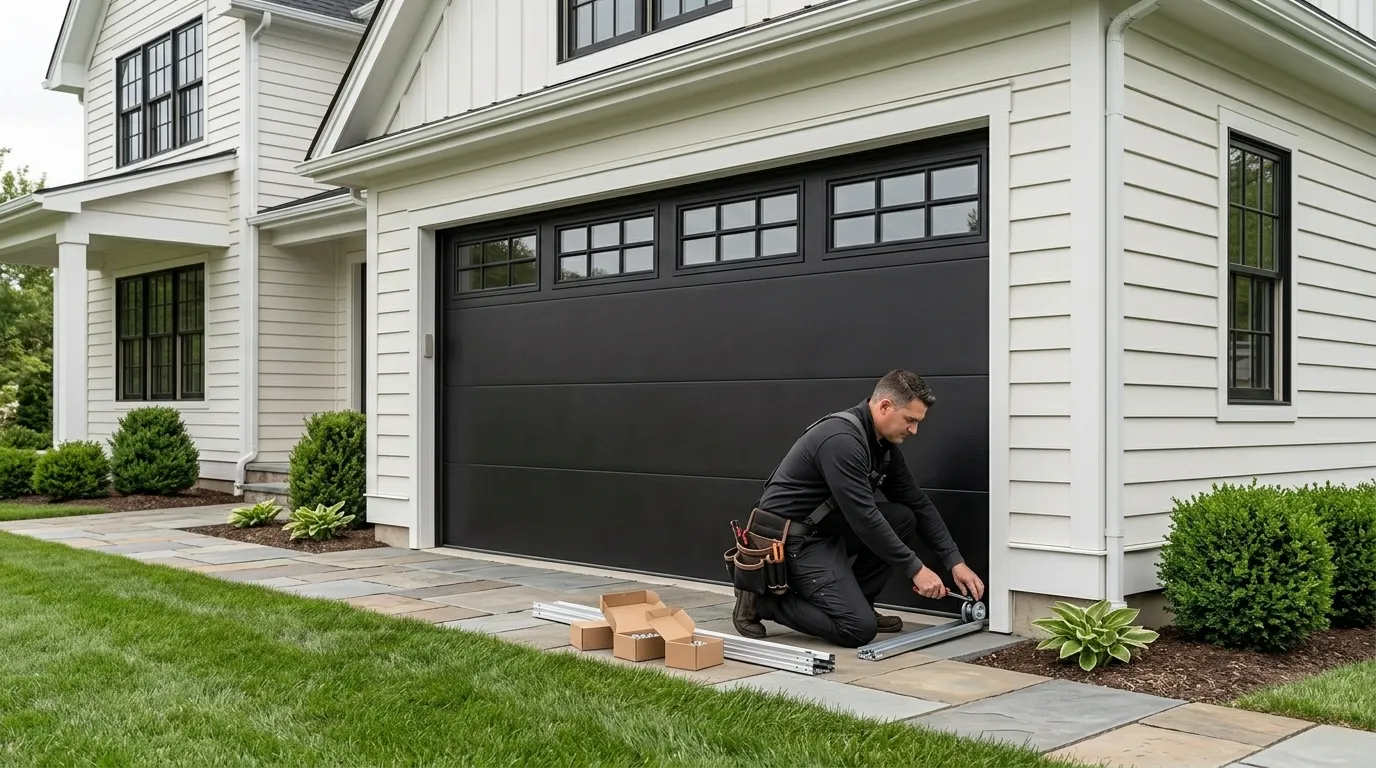
Repaired & tested - Marysville garage door service

Repaired & tested

The repair is done, the door is set true and tested, and the work area left clean.

Serving Marysville, WA - tell us what your door’s doing and we’ll take it from there.

28areas covered
How we work

What to expect

Diagnosis firstEvery visit starts by finding what actually failed - not a pre-written parts list.
The right part for the doorSprings and openers matched to the door’s weight and age, so the fix holds up.
Straight answersWhen a repair makes more sense than a replacement - or the reverse - you hear it plainly.
Clean, careful workTension released safely, hardware set true, the door tested under power before we leave.
Questions

Frequently asked

Straight answers about garage door repair in Marysville. Still unsure? Ask us directly.

Why did my garage door suddenly come off the track?

A sudden derailment is almost always a snapped cable or a broken spring, not the track itself. One side of the door drops when the cable lets go, and the door twists hard enough to pop the rollers out of the channel. If it happened gradually over weeks instead of all at once, that points to a worn roller or a loosening bracket instead.

Is a bent track always a full replacement?

Not always. A track that's leaned out of vertical because a bracket bolt backed out can often be reset and re-secured to the framing. A track that's physically kinked or dented - usually from an impact - is a different story and almost always needs the section replaced, since a bent rail keeps re-bending under the door's weight.

My house was built in the 1980s - does that matter?

It does. Most of this area's housing went up between 1972 and 2000, and a lot of those doors are still running original rollers and track hardware from the build. That hardware has had thirty-plus years of seasonal movement working on it, which is why older houses here tend to see track alignment issues sooner than newer construction.

Can I just push the door back onto the track myself?

We wouldn't recommend it. A door under spring tension that's off track can drop suddenly once you disturb it, and that's a real injury risk. It's also easy to bend the track further trying to force rollers back into the channel. Worth a call before you touch it.

Ready to get your garage door sorted?

Tell us what it’s doing and where you are in Marysville - we’ll take it from there.

Request a QuoteCall