The Houses Here
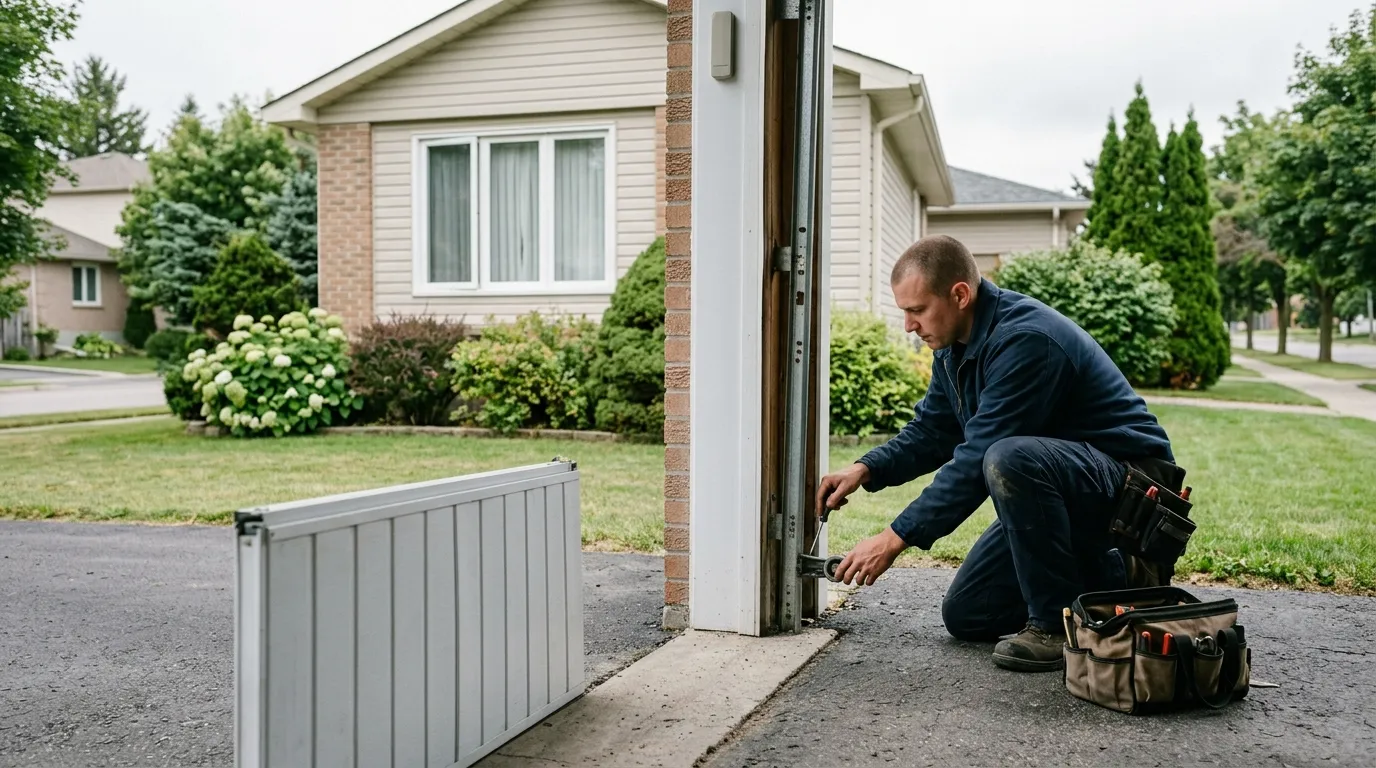
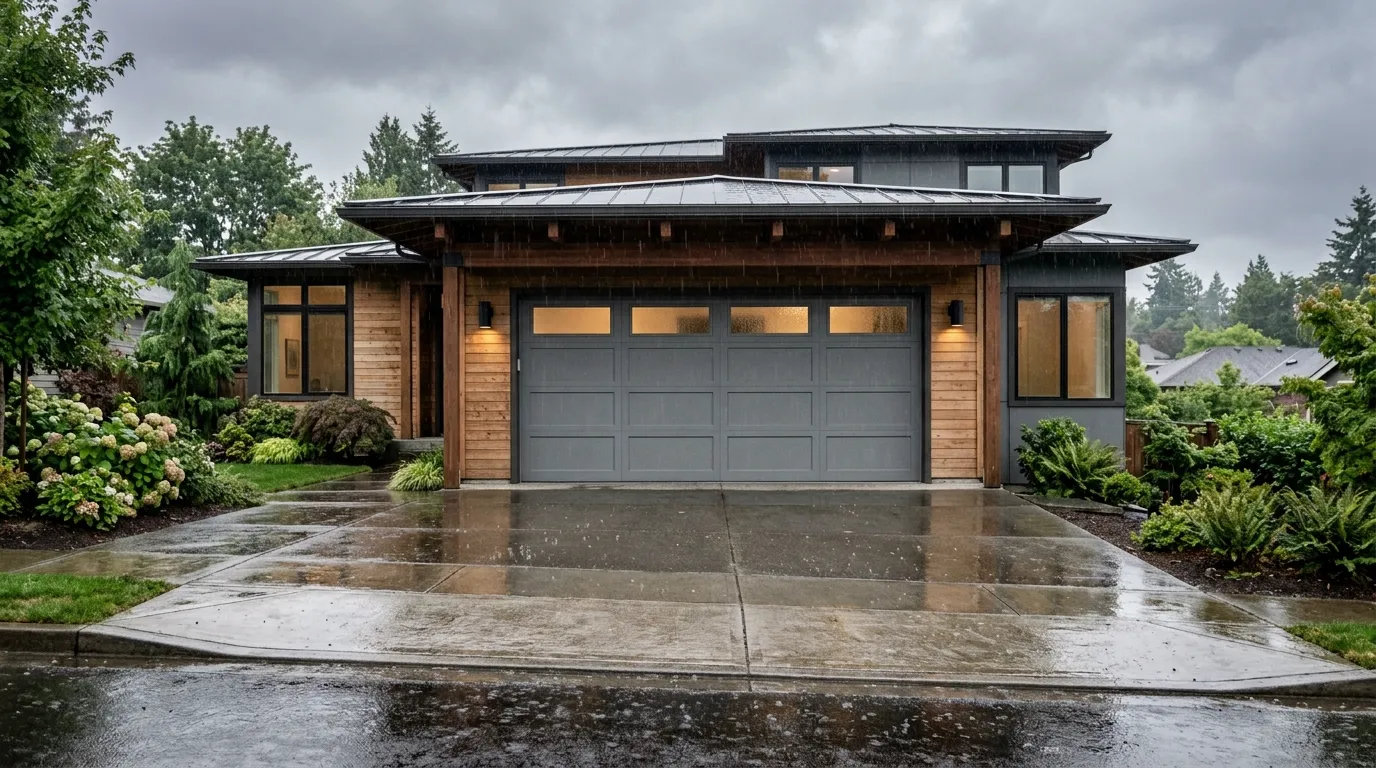
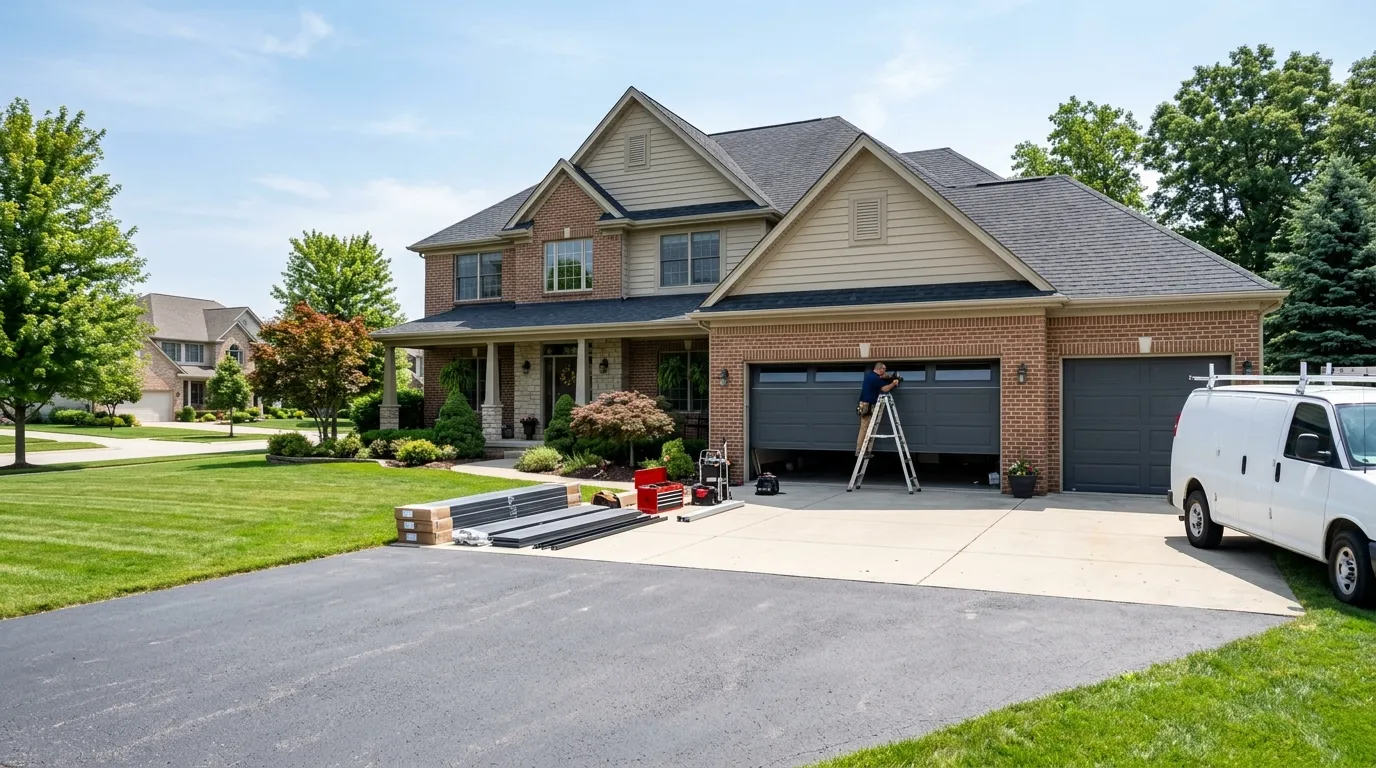
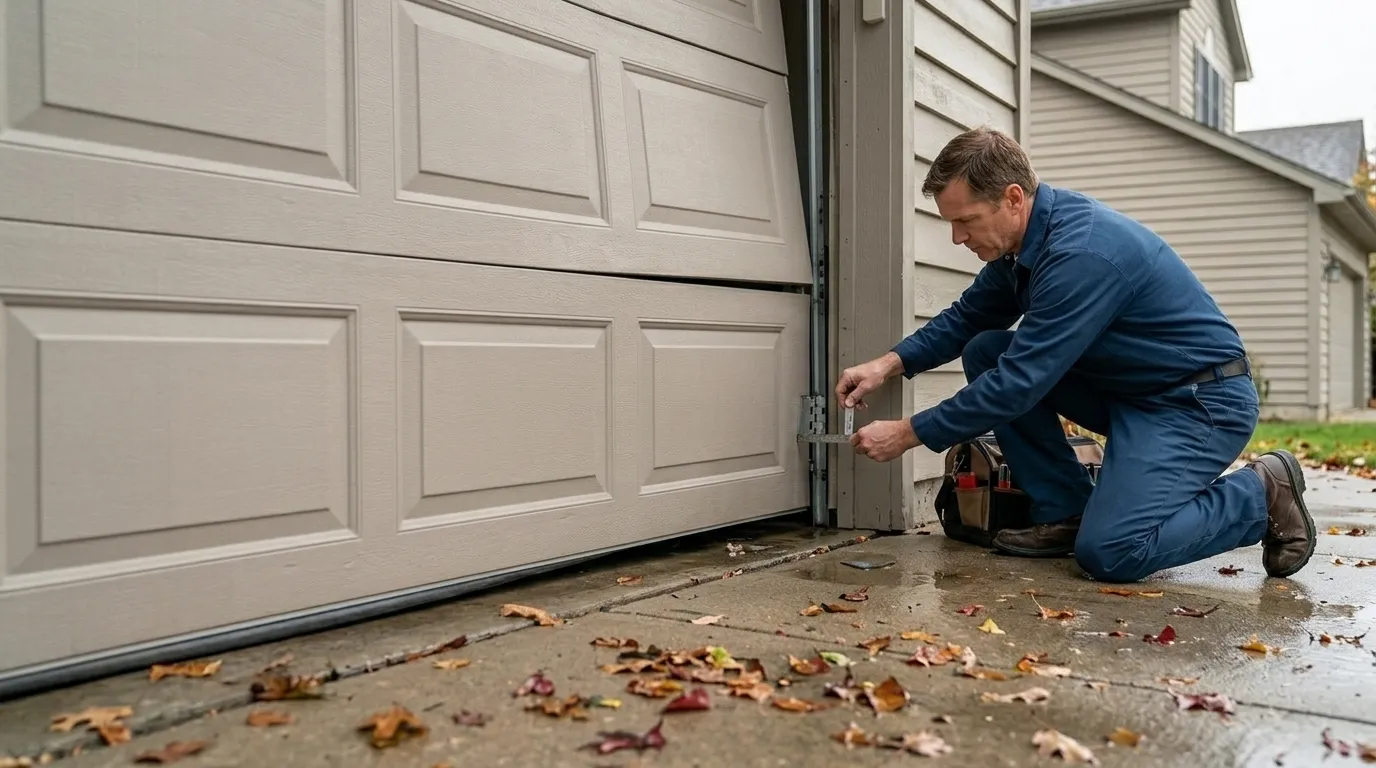
With 7,426 households in the Camano area and a median household income of $100,124, this isn't a market of stripped-down builder-grade doors, but it also isn't uniformly upgraded. What we see reflects that 1972-2000 build window: a mix of single-panel steel doors from the earlier end, and heavier insulated sectional doors from homes built closer to 2000. Owners here tend to hang onto a door until it actually fails rather than replace it on a schedule, which is normal and not a criticism - a working door doesn't need attention just because it's old. The practical effect is that when something does go wrong, it's often original hardware, meaning parts that match the house's age rather than off-the-shelf stock from the last few years. That's not a problem, it just means the fix takes a little more diagnosis before we quote anything.
What the Housing Means for Your Door
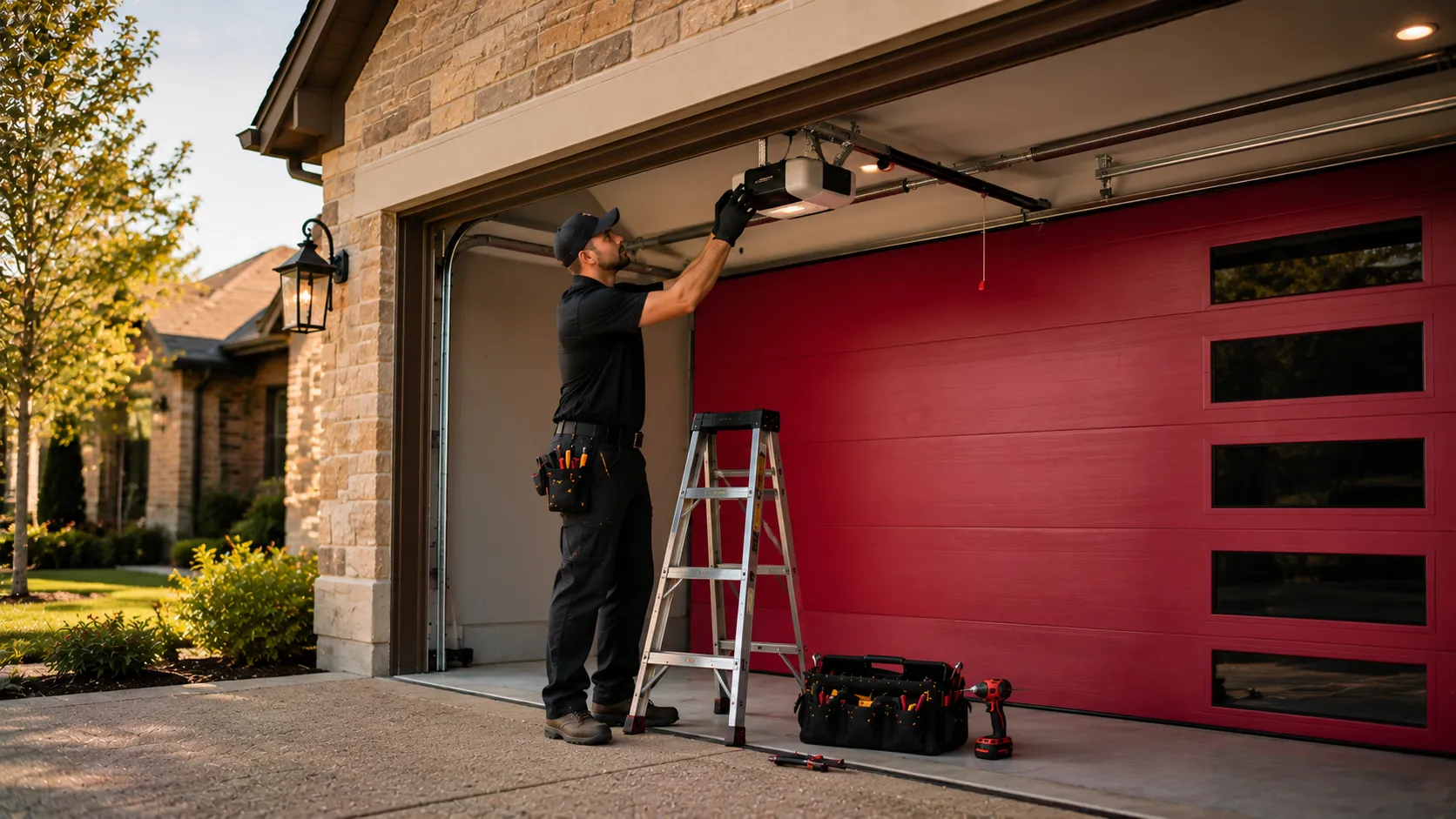
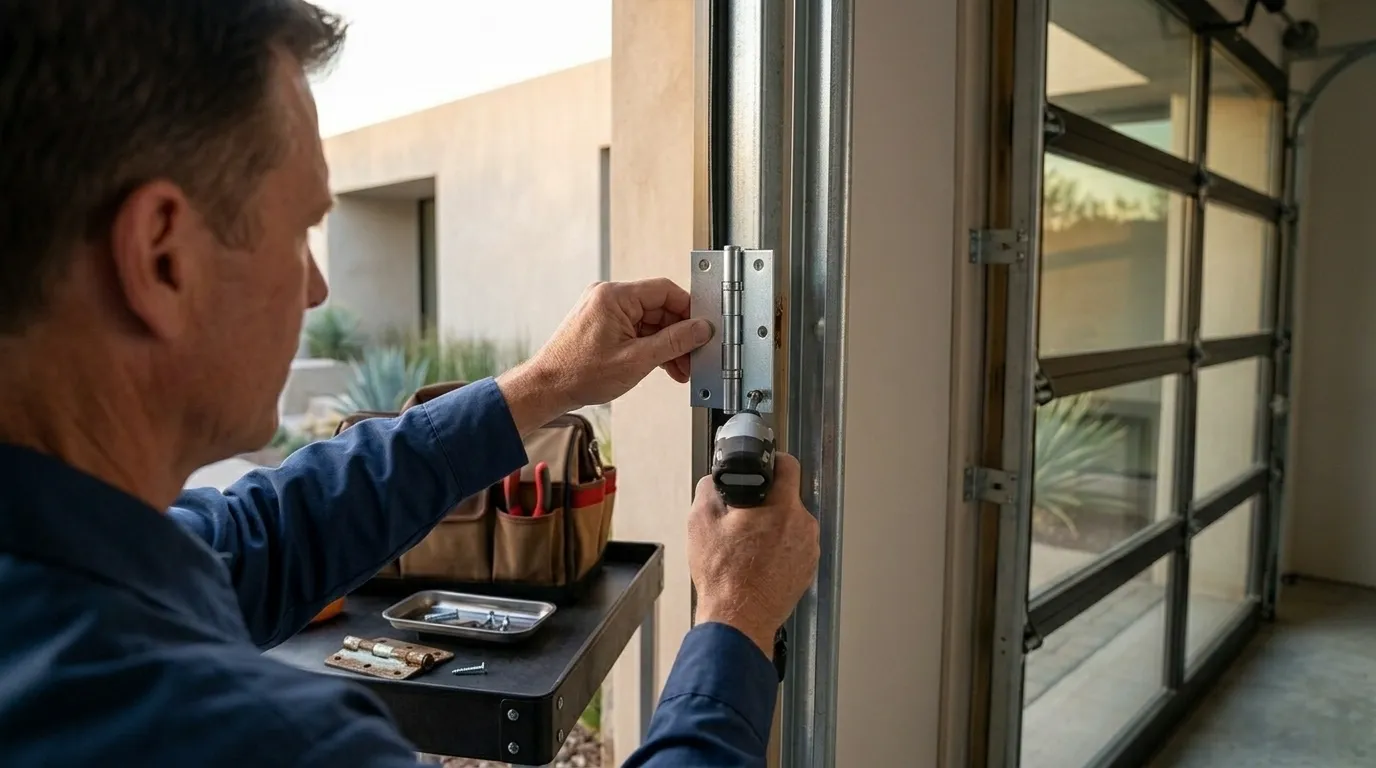
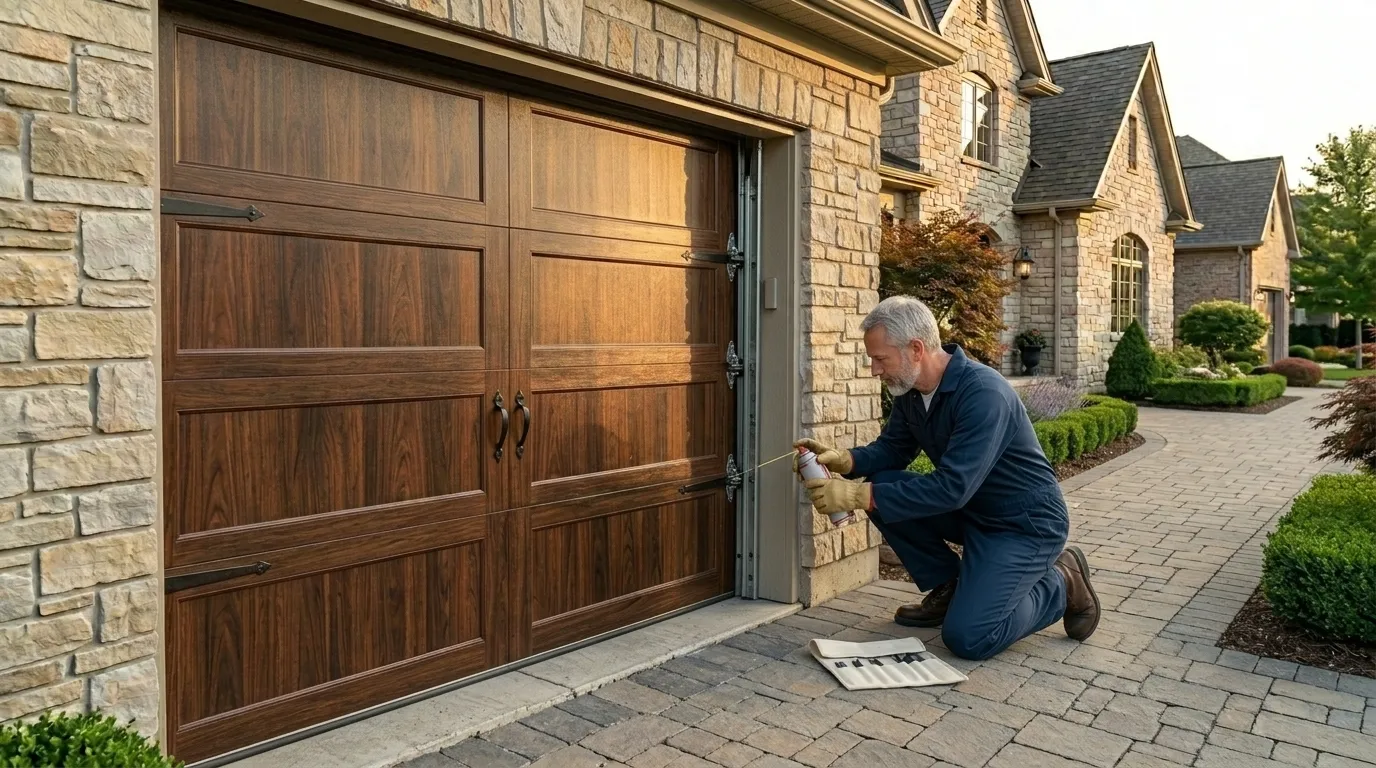
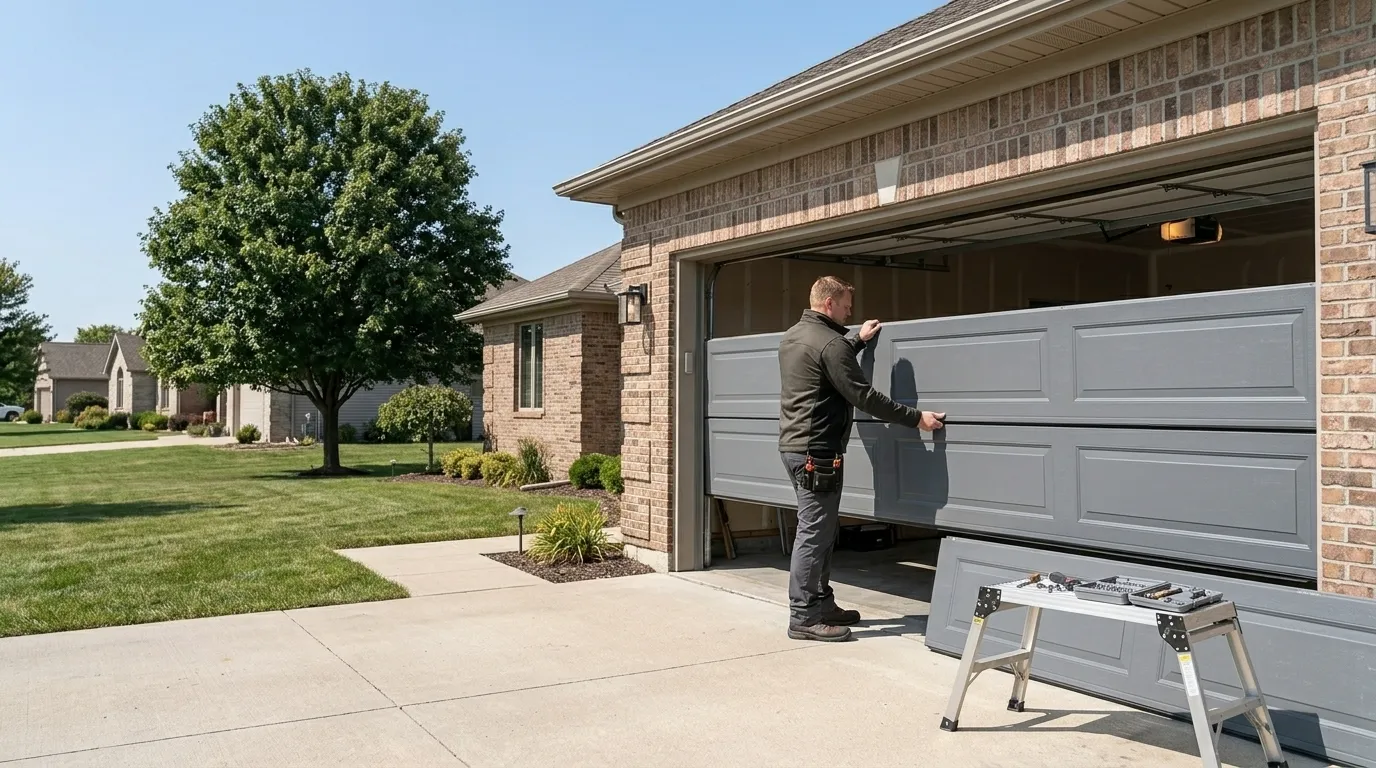
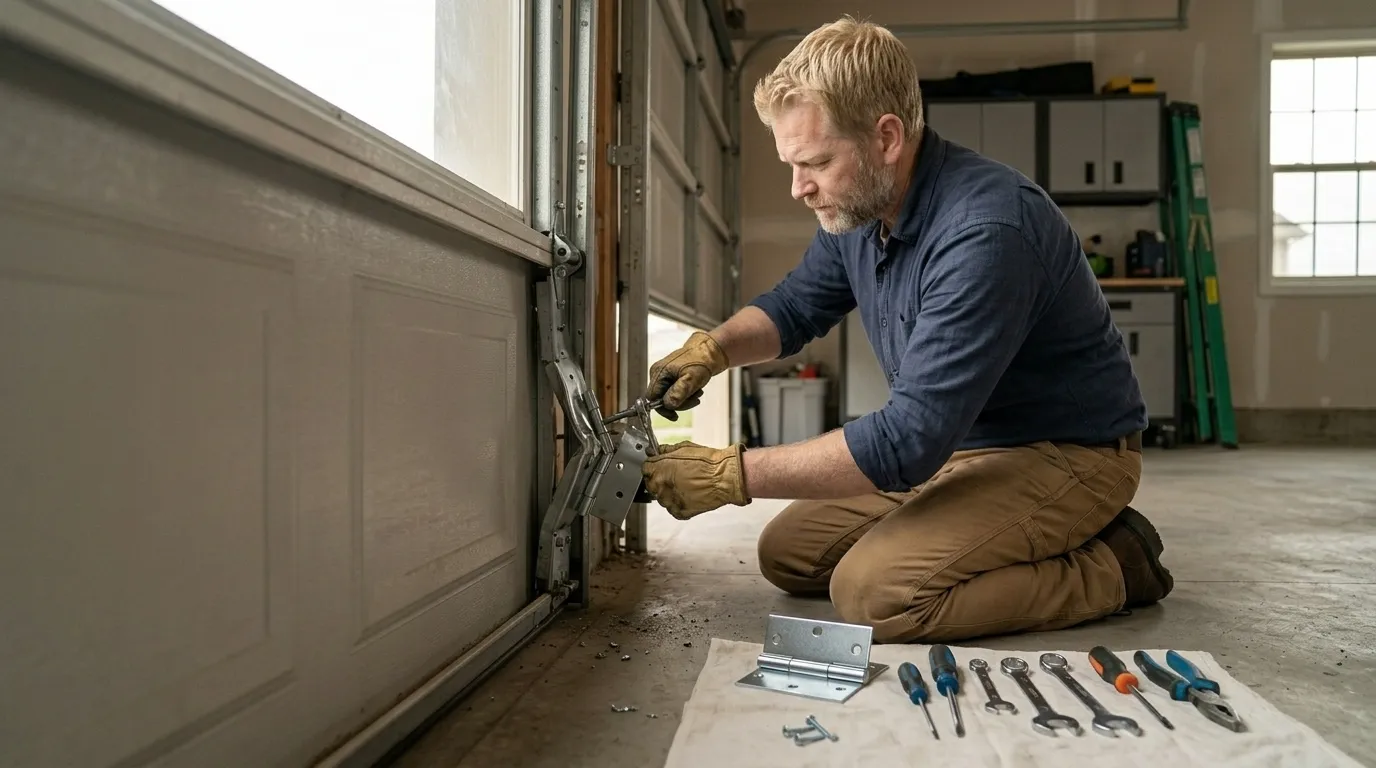
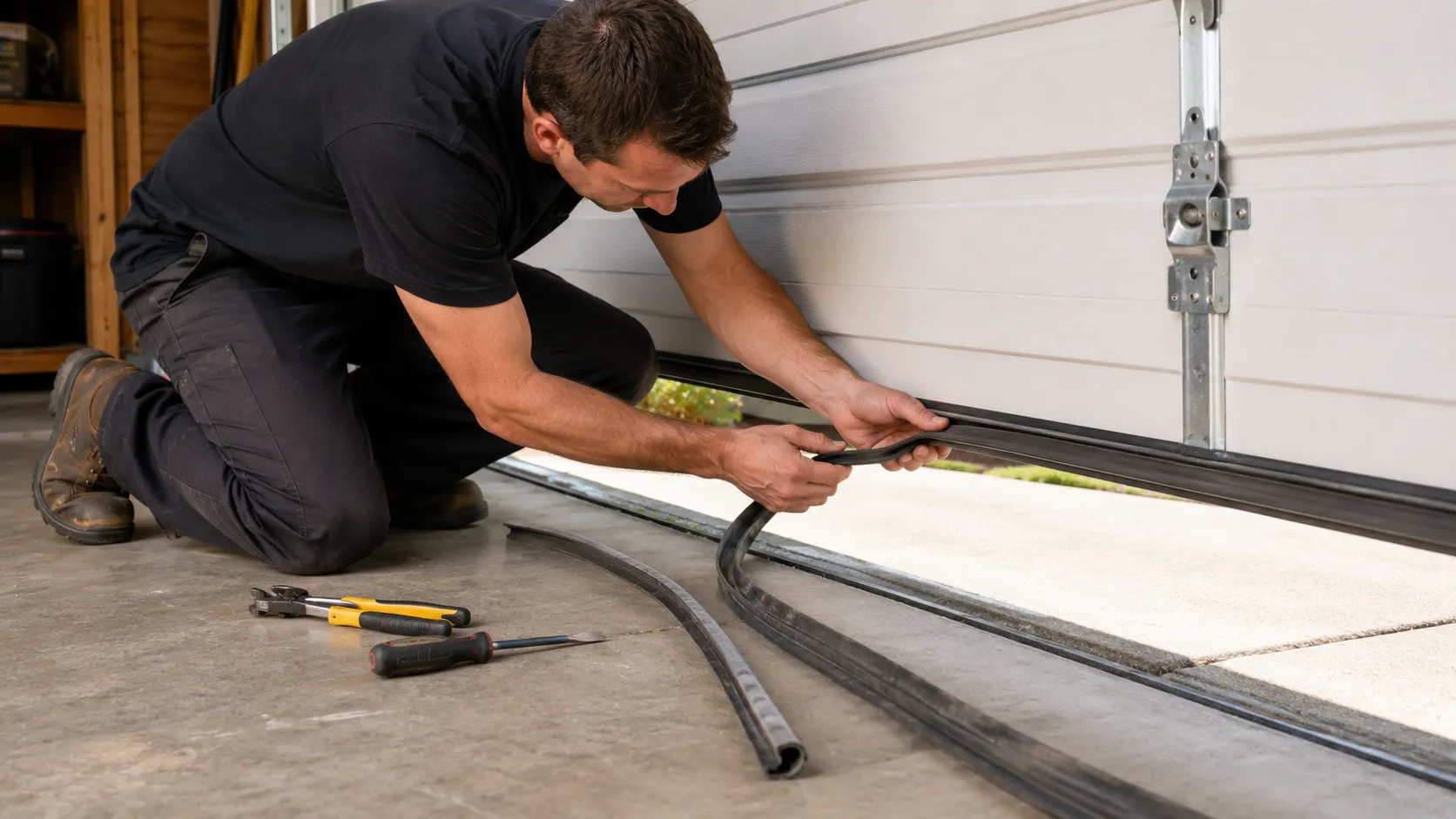
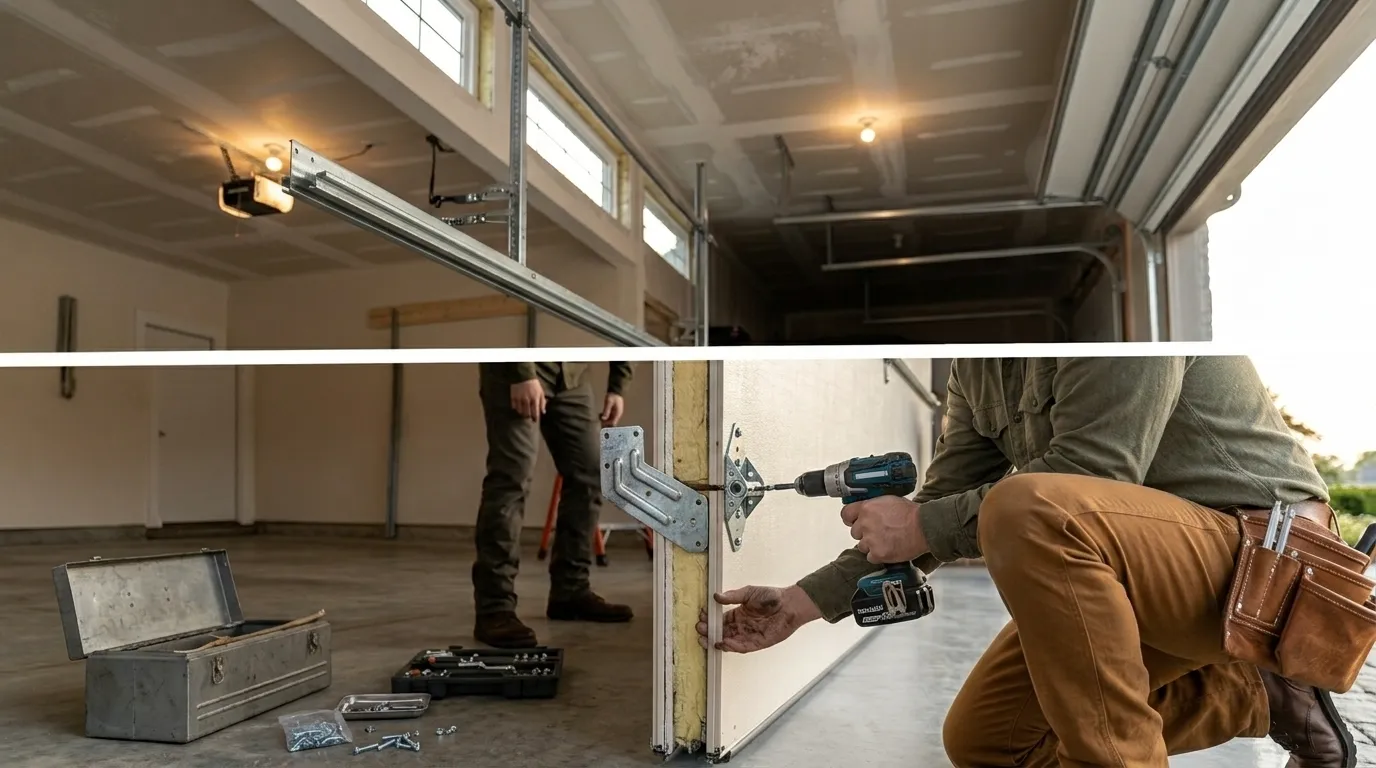
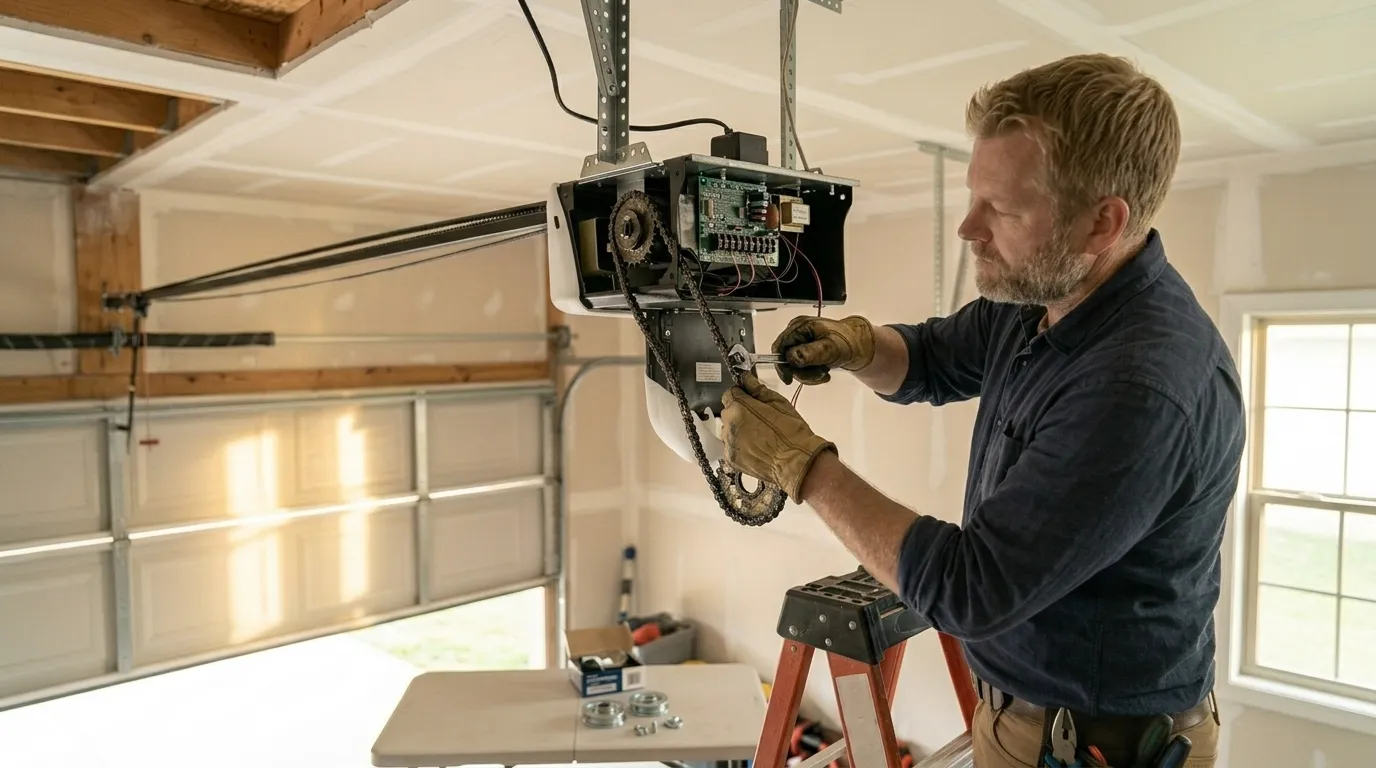
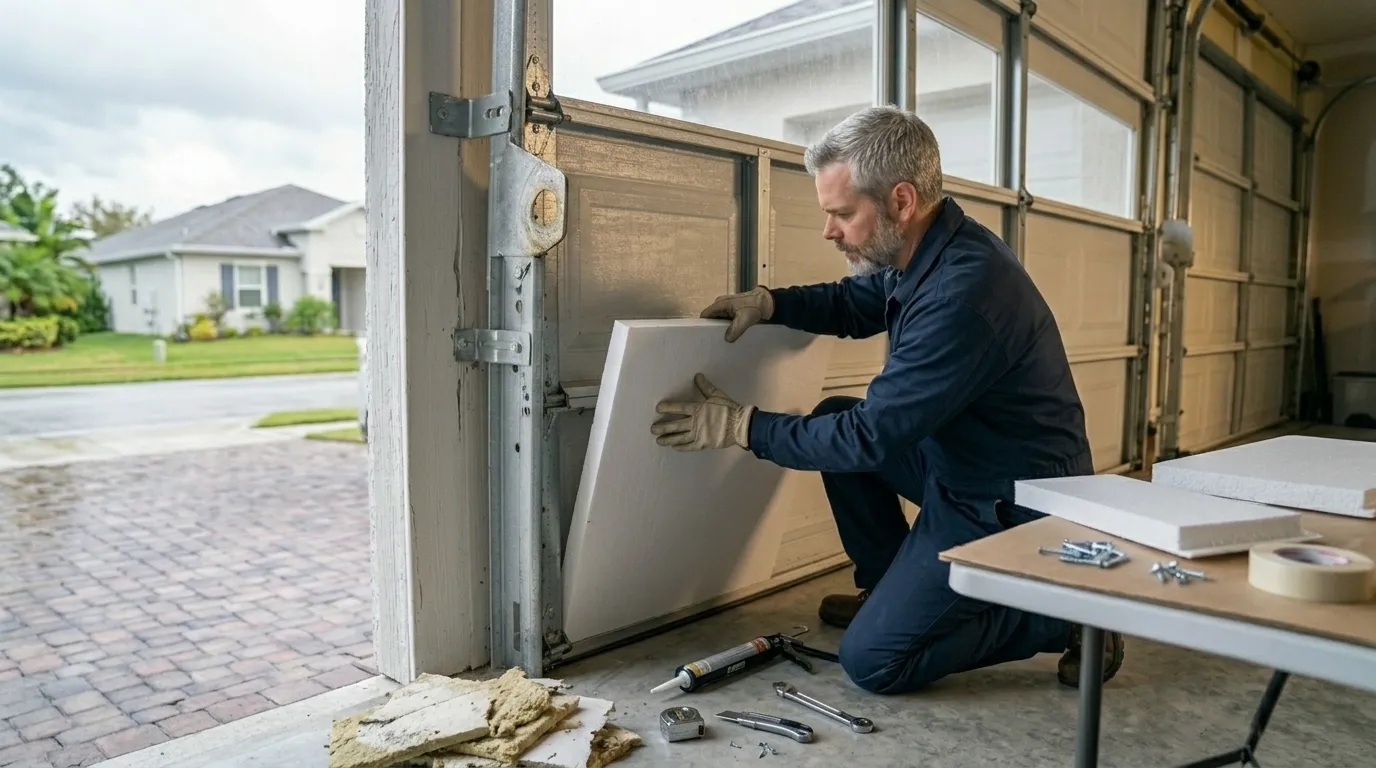
The region sits in a cold-moderate climate band, and over 30-plus years that shows up as stiff or corroded rollers, hardened lubricant on tracks, and torsion springs that have lost tension gradually rather than snapping outright. On the older end of Camano's build range, we also see doors without any insulation layer at all, which in a cold-moderate climate means a garage that runs noticeably colder than the rest of the house - not a safety issue, but a comfort one owners sometimes don't connect to the door itself. On newer builds from the late '90s, the more common call is an opener that's simply reached the end of its working life, since electronics age faster than steel. One limitation worth being upfront about: if a spring or opener is old enough that the part is no longer made, we may need to source a compatible replacement rather than an exact match, and that can add a day or two versus a same-day parts swap.