Straight Answers
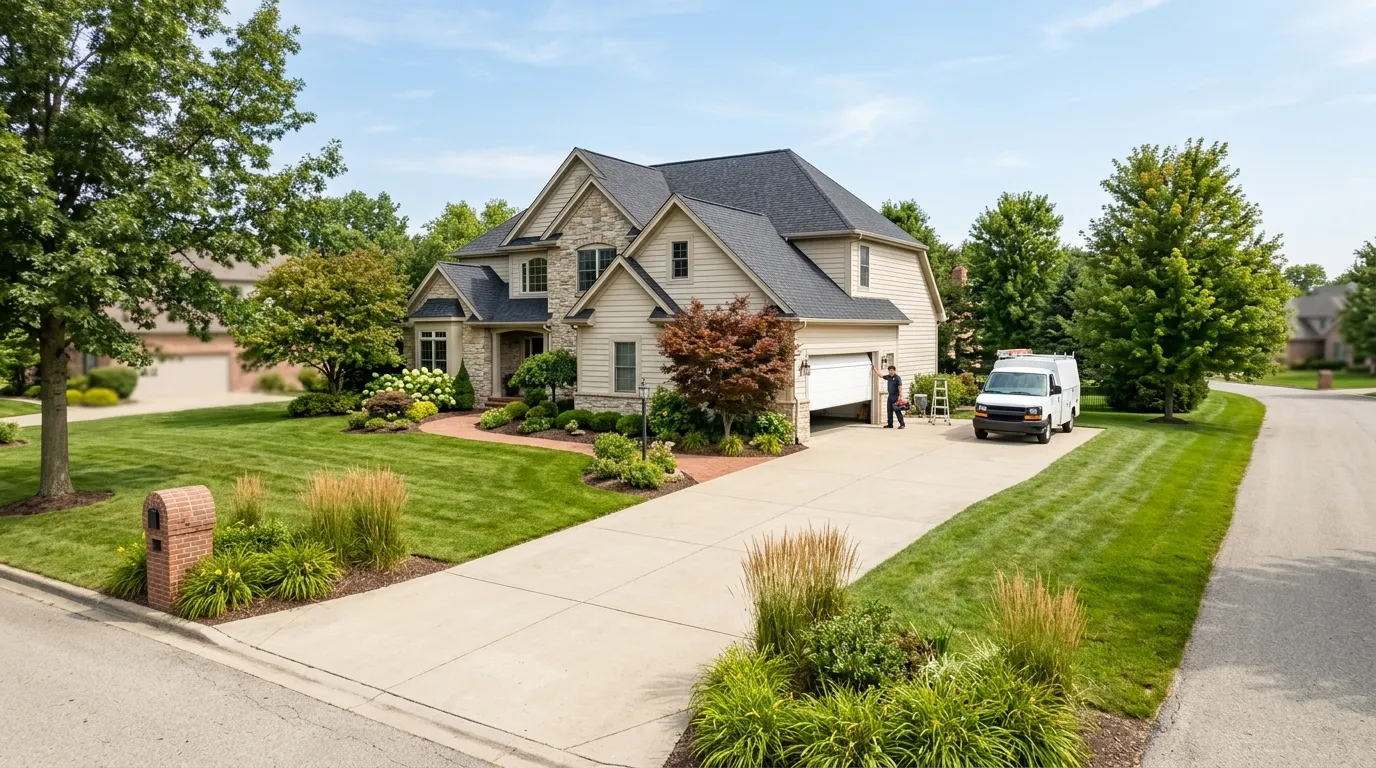
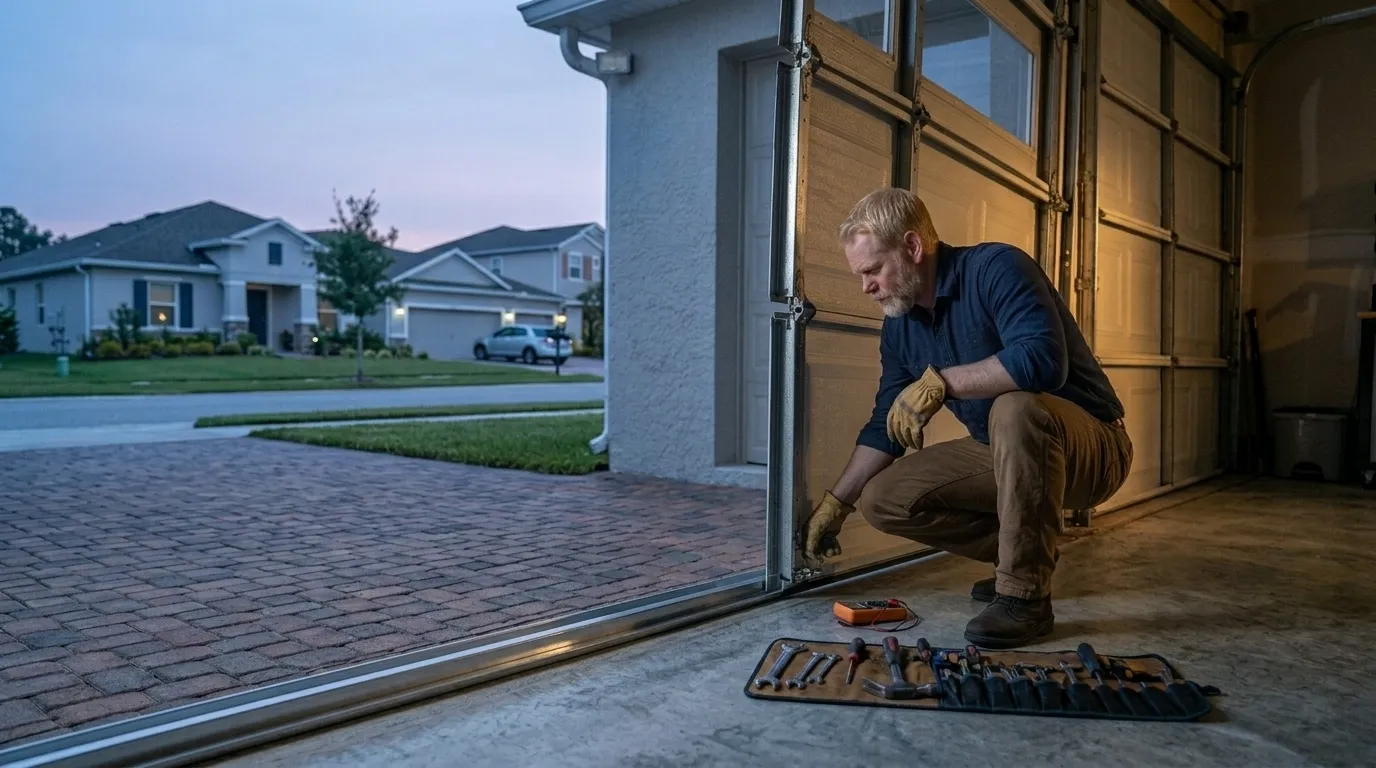
Houses from the 1980s and 90s around North Lakewood mostly shipped with steel sectional doors on extension or early torsion spring setups, single-inch tracks, and openers that predate anything with a keypad you'd trust. Two decades of use in a cold-moderate climate band is the real story here - not dramatic weather events, just repeated freeze-thaw cycling that stiffens grease, shrinks seals, and works cable strands loose one winter at a time. A door that's fine in July and grinds in January isn't broken from January's cold; it's been drying out for years and January just showed you. We don't stock every obsolete roller size or bracket from that build era on the truck - some parts have to be ordered, and we'll tell you that up front rather than promise a same-visit fix we can't deliver. If your opener or spring is original to a house built in the 1980s or 90s, replacement is usually the honest answer over another patch repair.
What We Get Called For
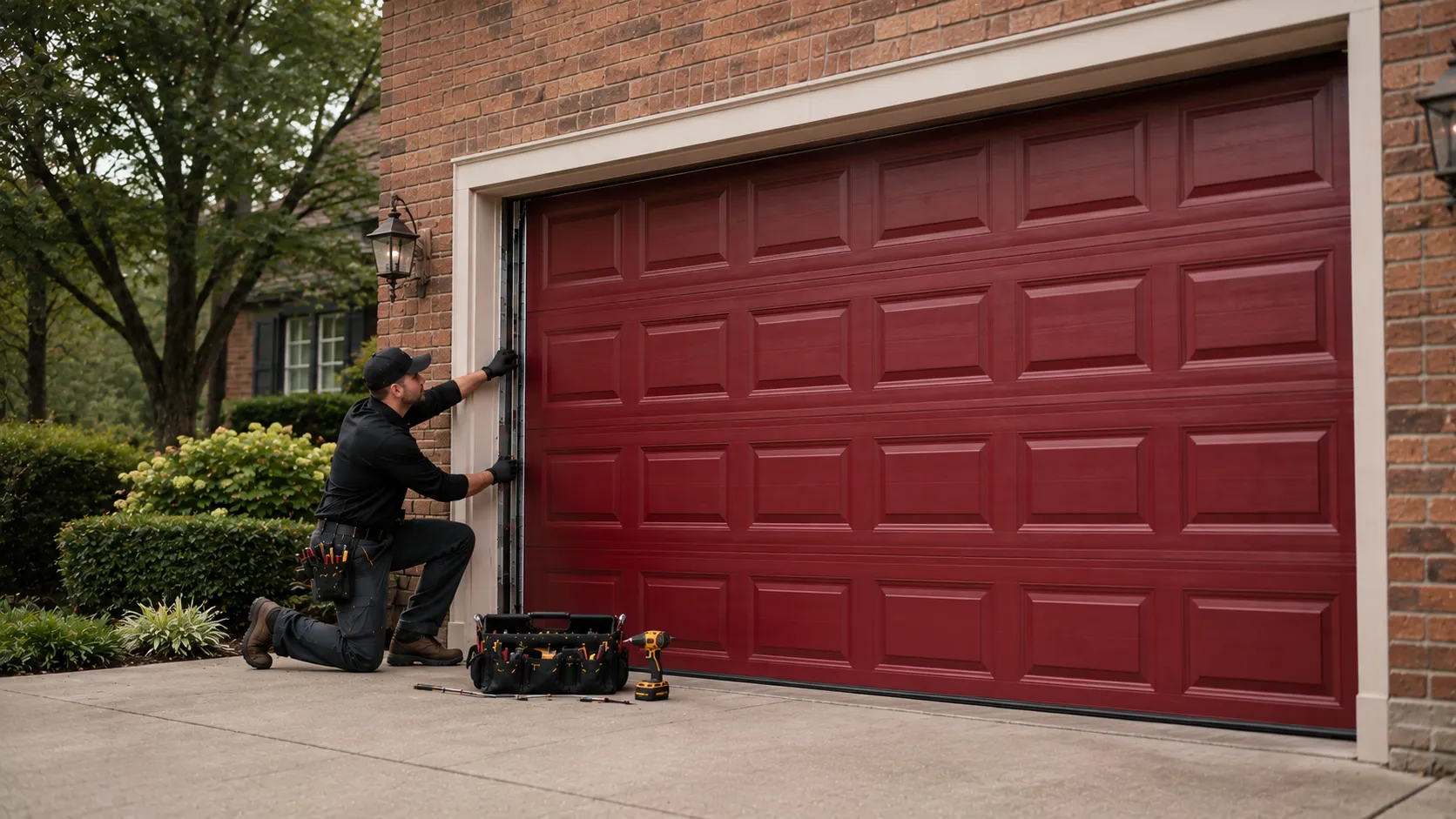
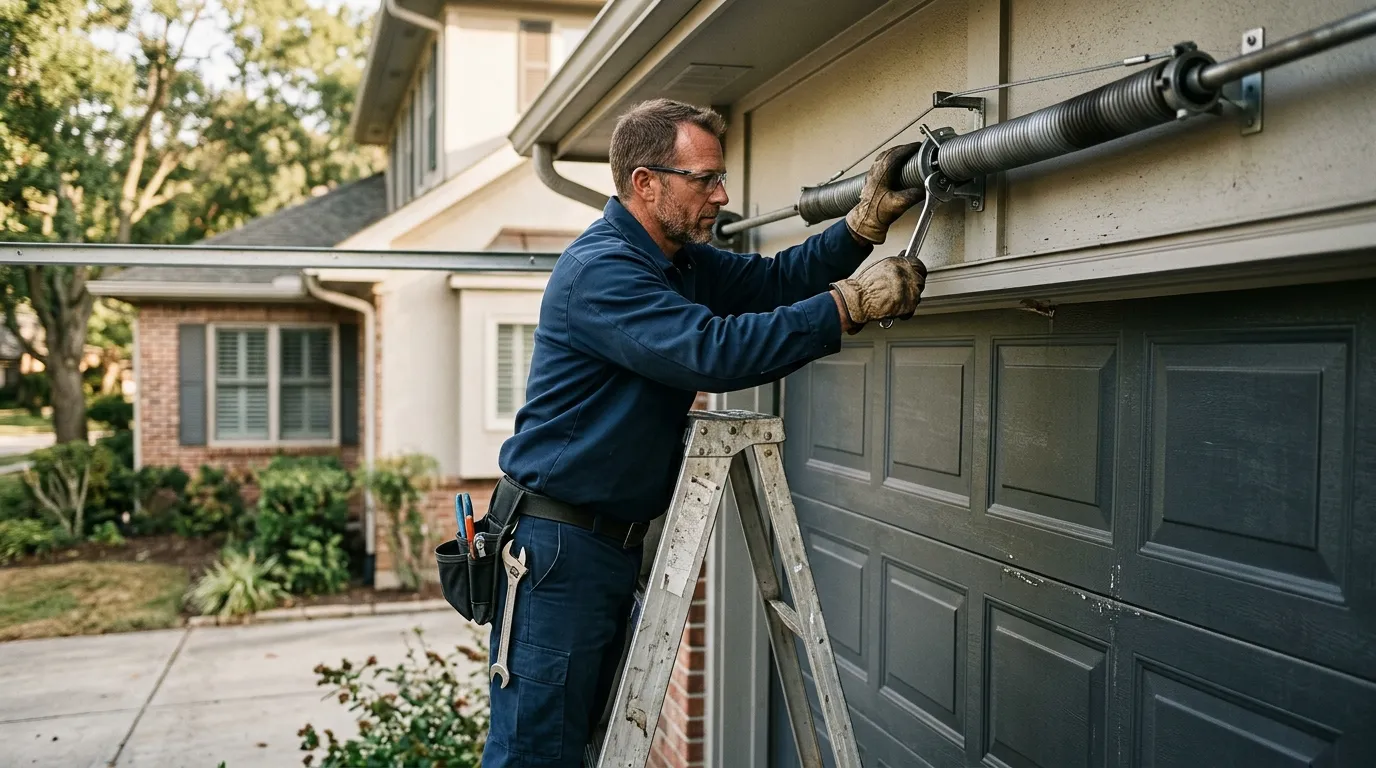
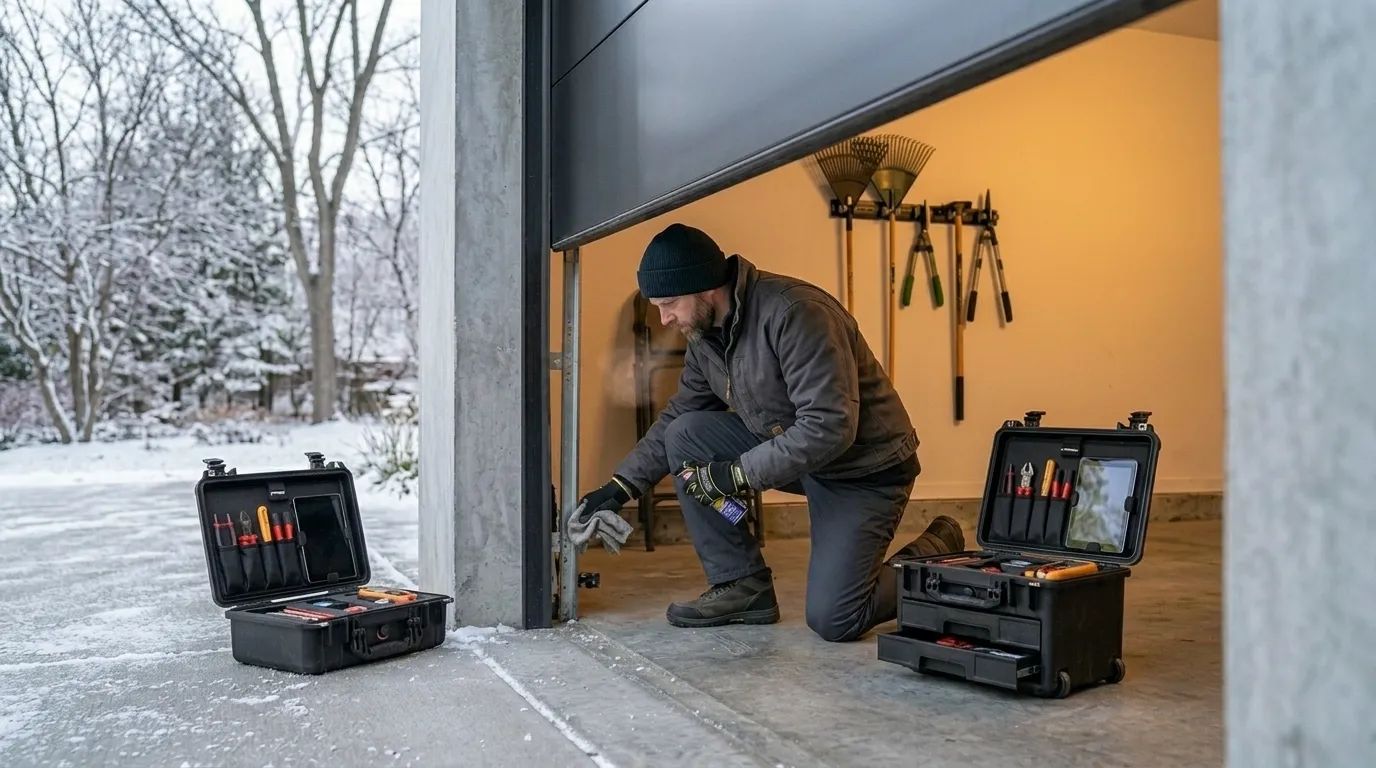
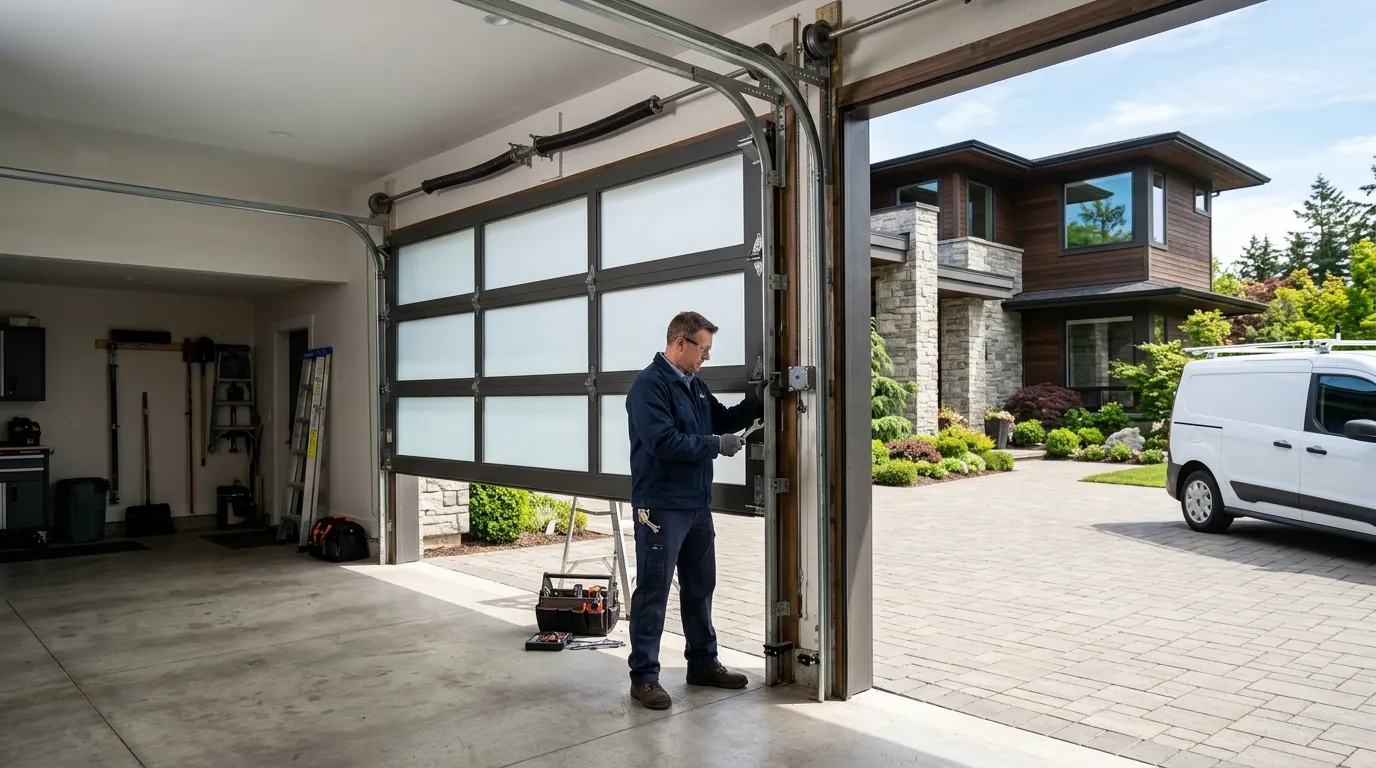
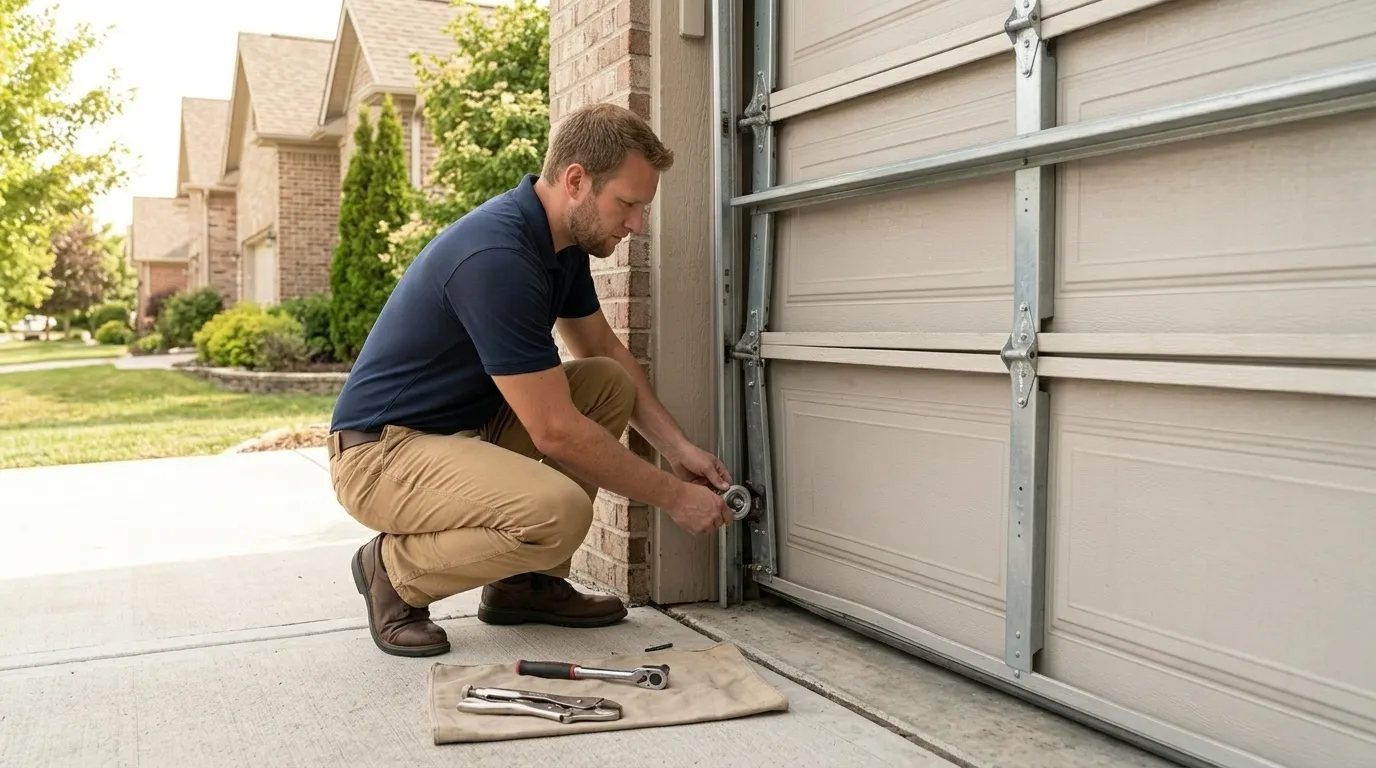
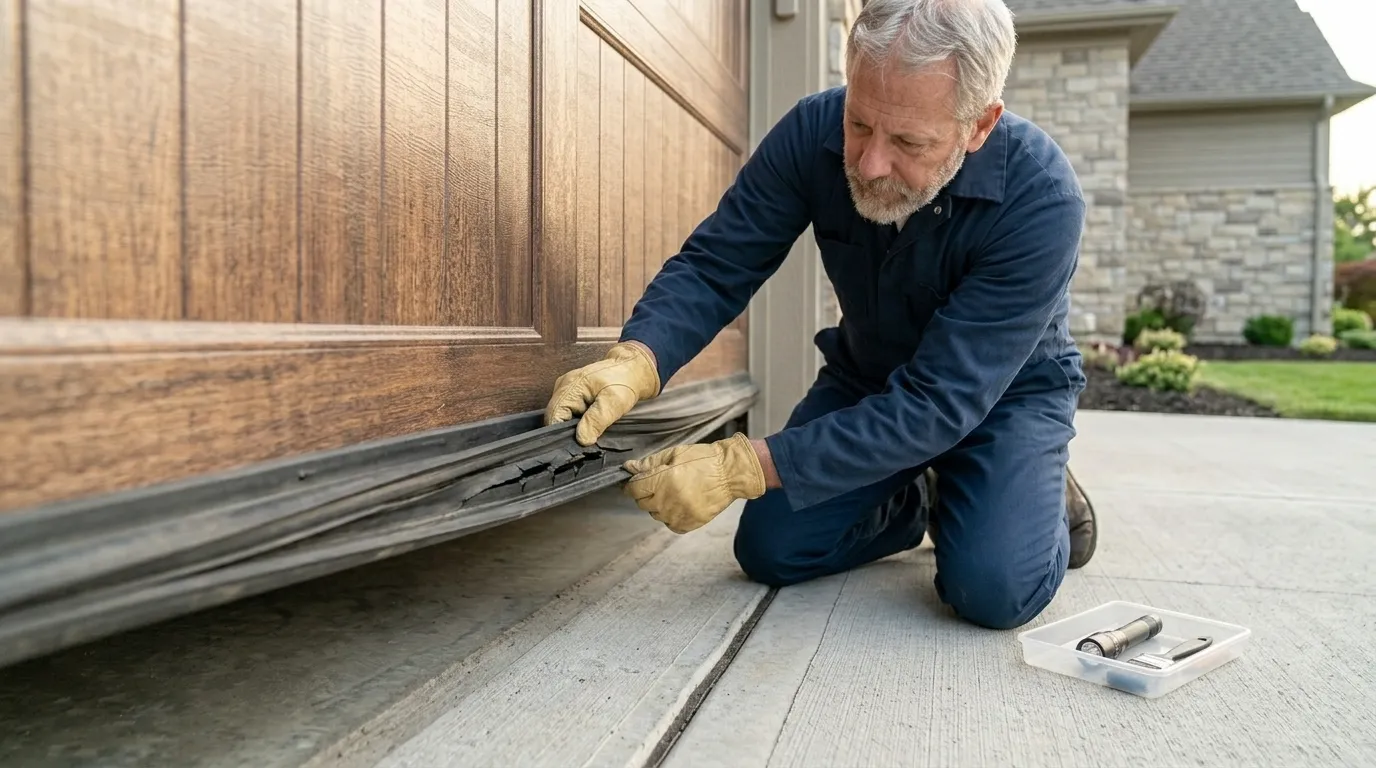
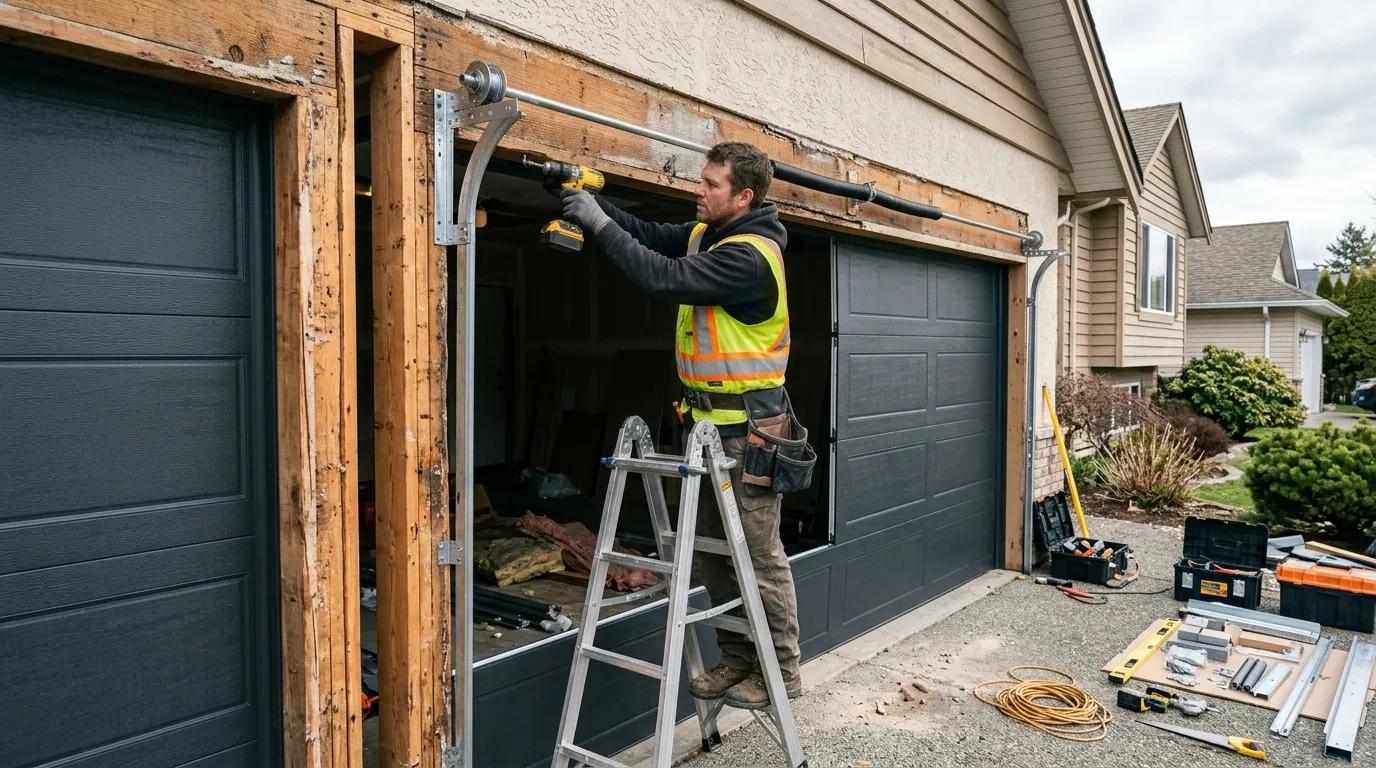
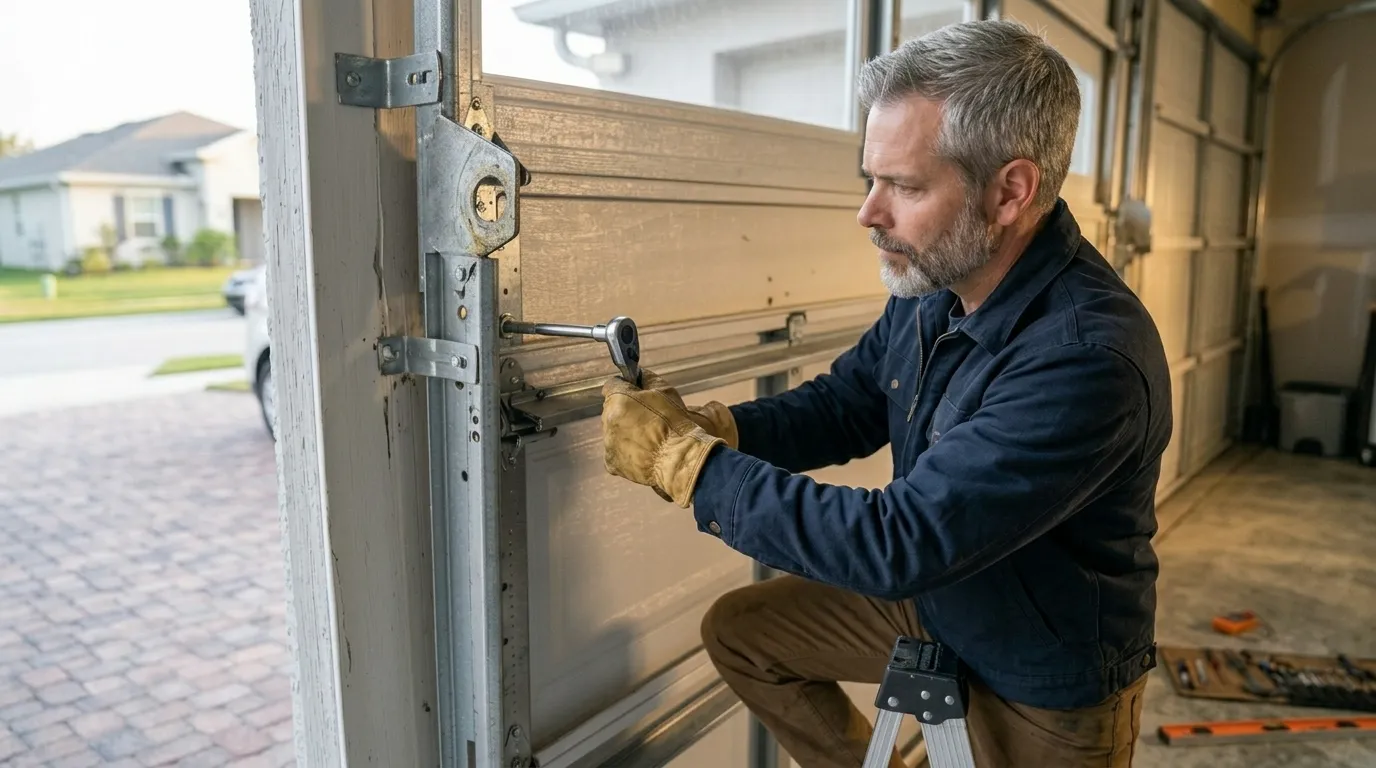
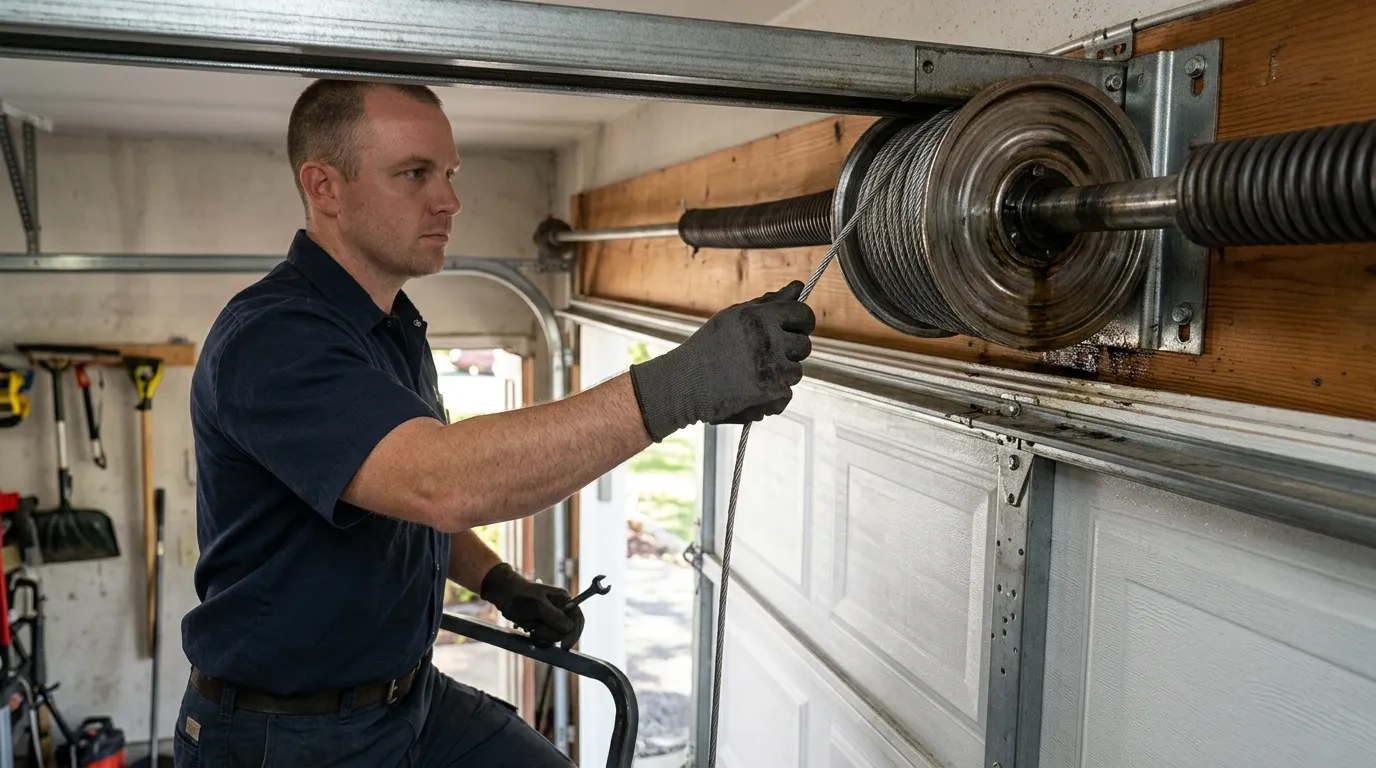
The calls out of this stretch run predictable: torsion springs that let go after 20-plus winters of flexing, extension spring doors from the earlier end of that 1970s-2000 build window that never got upgraded to torsion at all, and openers original to the house that finally strip a gear or stop reversing safely. Rollers on the original track wear down to bare steel and start binding, especially on doors that haven't had a tune-up since the Clinton administration. We also see weatherseal failure - cold-moderate winters harden the bottom seal until it cracks and lets water and cold air track in under the door, which shows up as a draft complaint before anyone thinks to check the rubber. None of this is unique to North Lakewood streets specifically, since we don't have addresses to point to, but it's what the 1980s-90s housing stock in this part of the service area consistently needs, and it's what we show up prepared for.