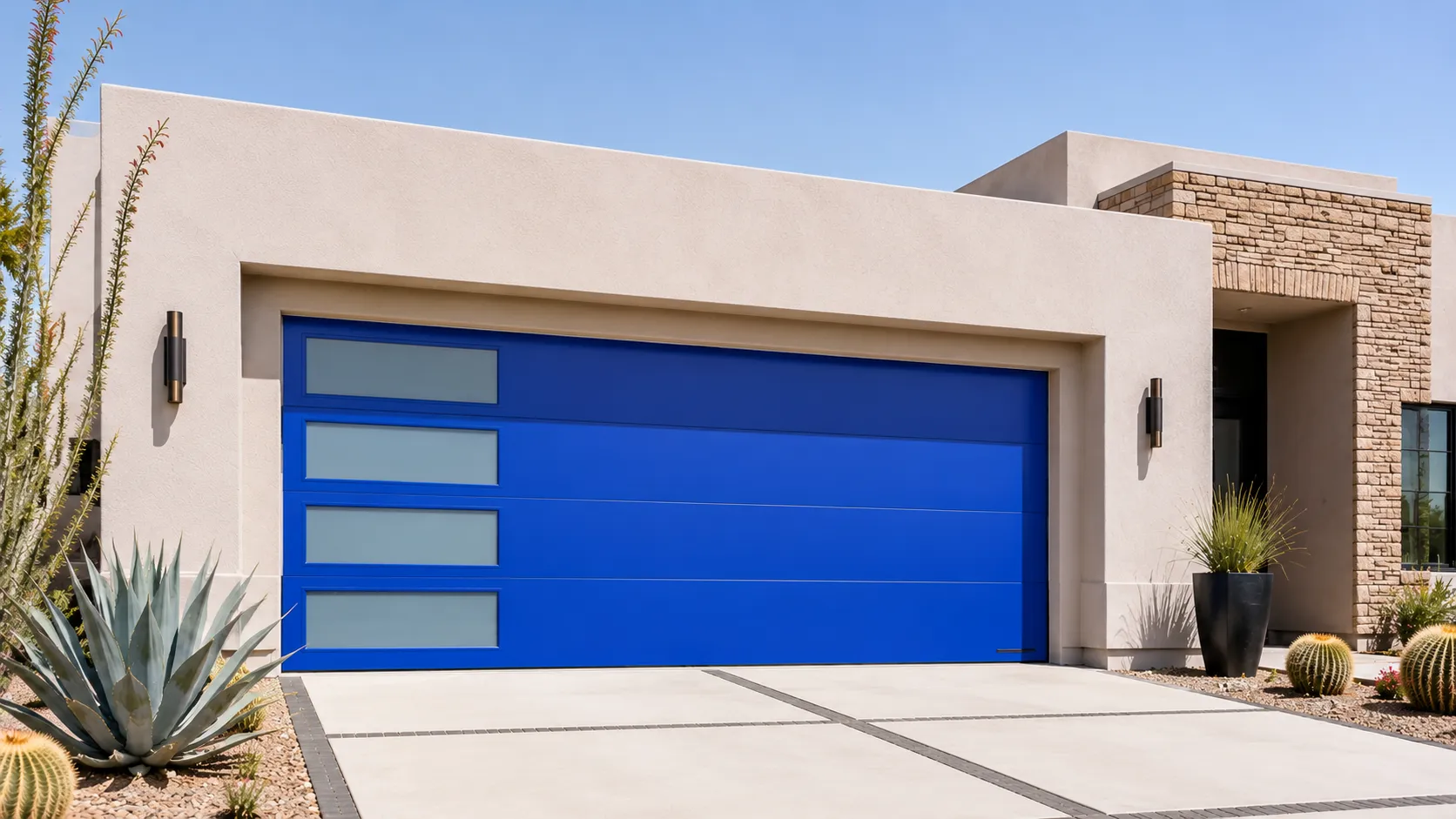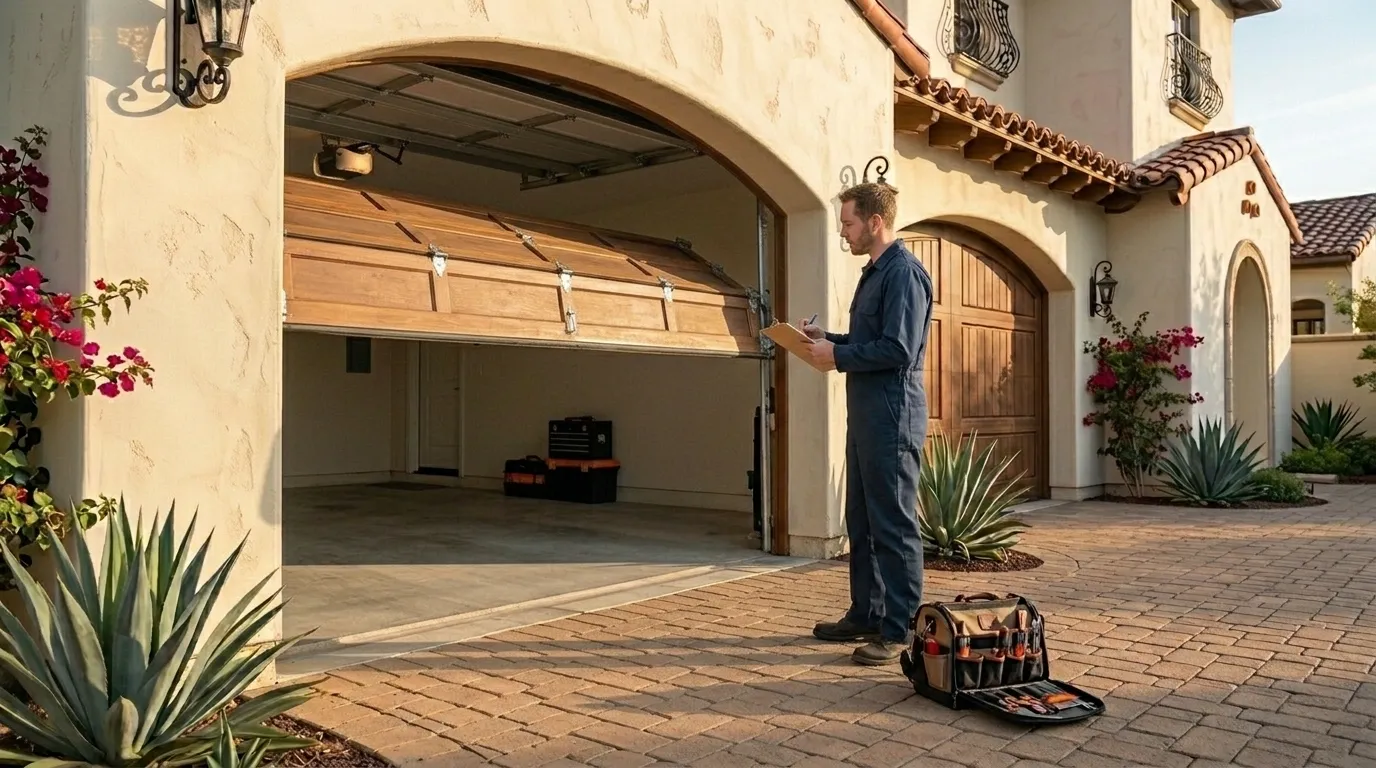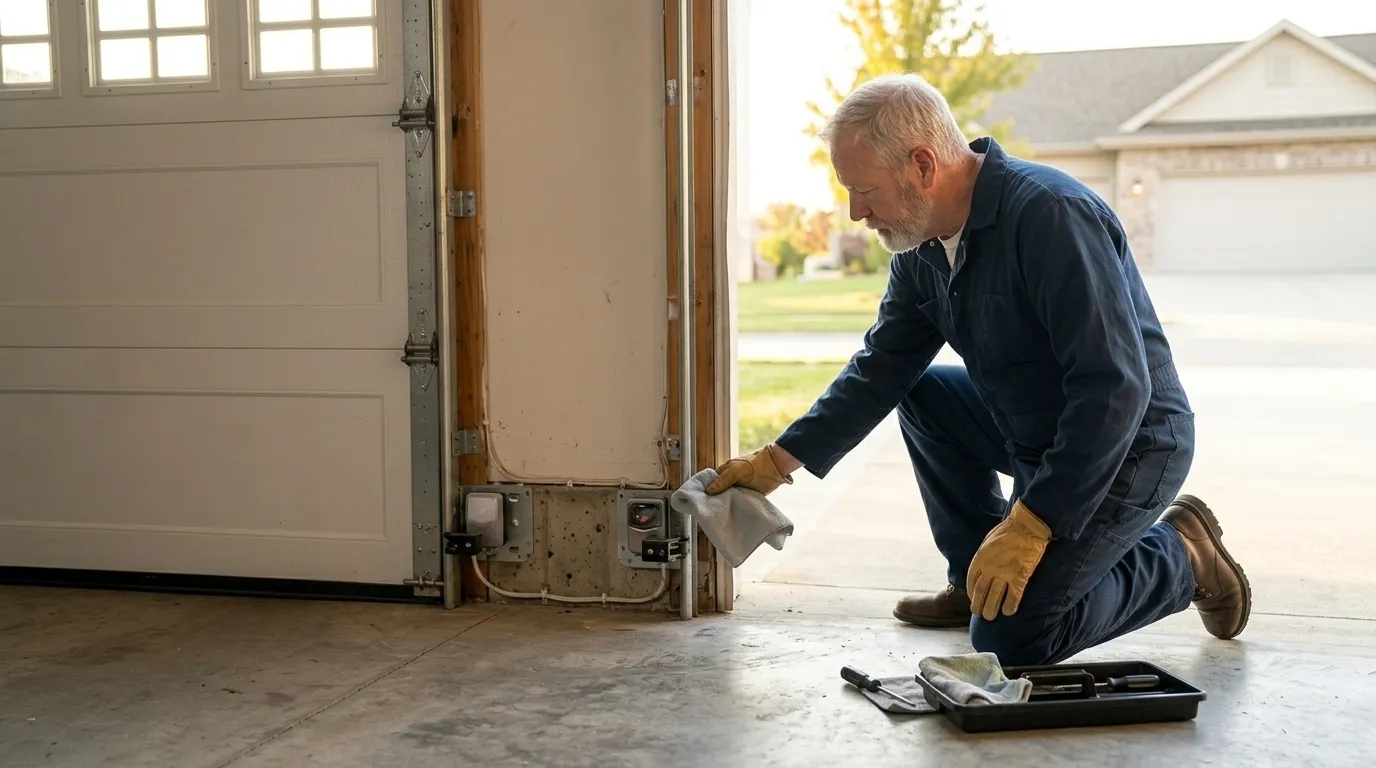
The Houses Here
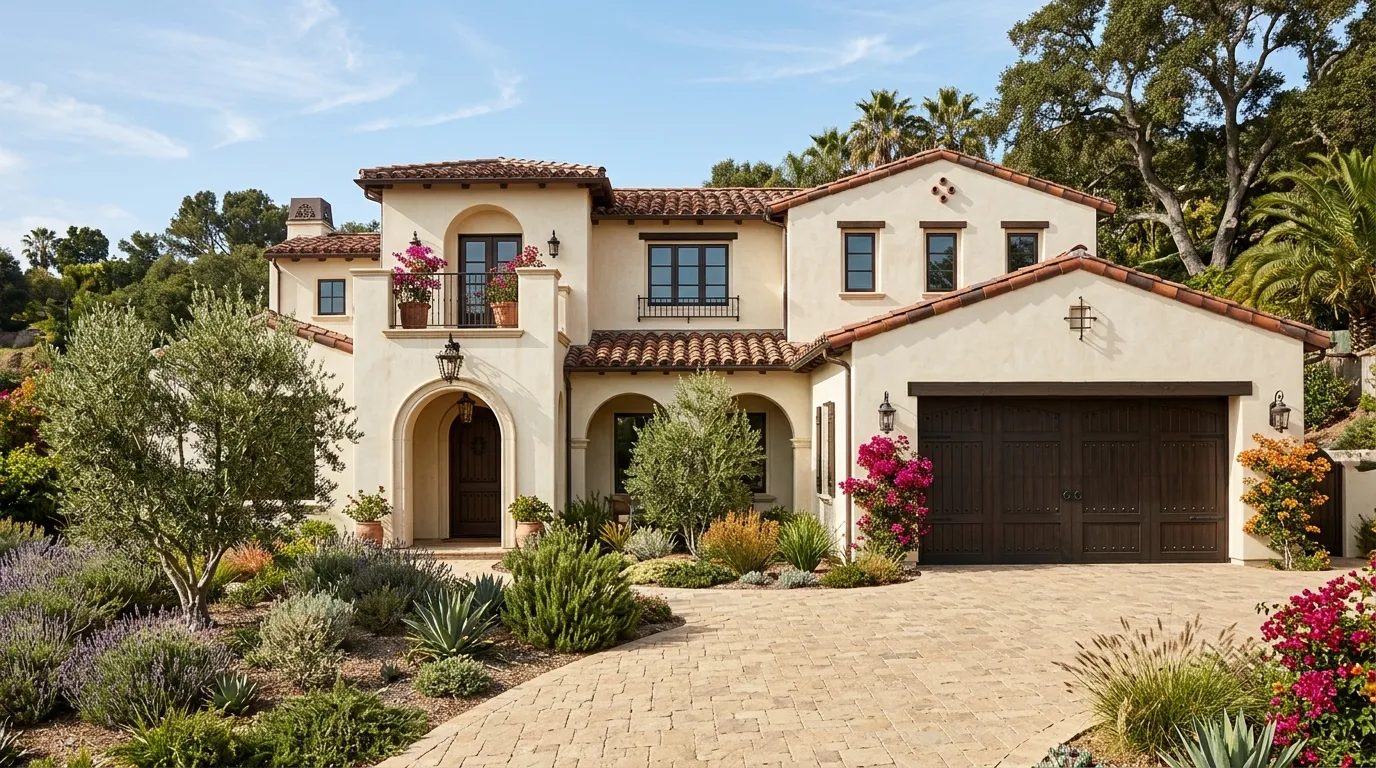
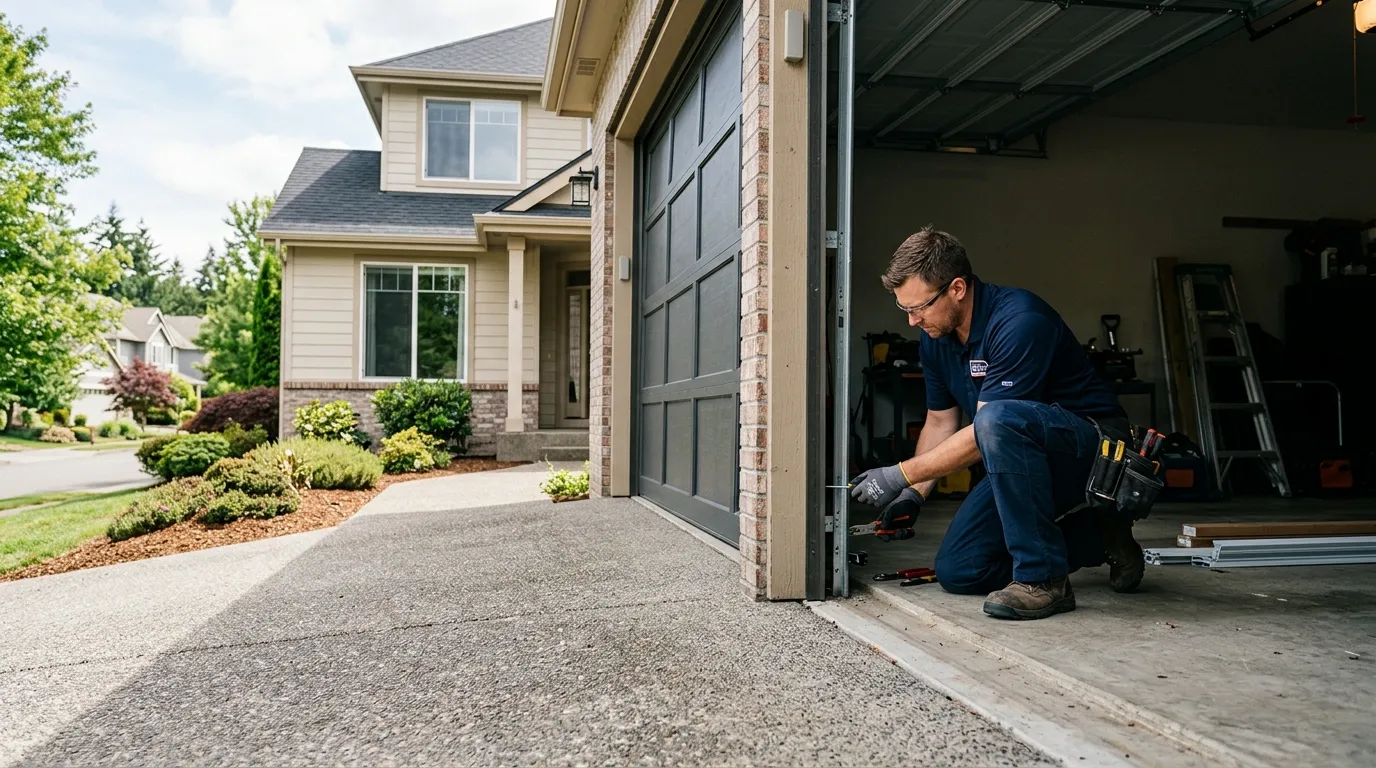
With roughly 7,565 households in Arlington and a median household income near $84,919, this is a mid-size residential pocket rather than a dense subdivision or a scattered rural stretch. That income figure runs below the wider area's median of $106,164, which we mention only because it tends to line up with what people ask us to do: more targeted spring or opener repairs, fewer full-door replacements on the first call. Housing built in the 1990s across the region generally used steel sectional doors with galvanized torsion springs, and Arlington's stock fits that pattern squarely. It's colder-climate construction - insulated cores are common but not universal, and older openers from that build era are starting to hit the end of their service life. None of this is unique to Arlington by itself, but paired with the build year, it tells us what to expect before we even open the garage.
What the Housing Means for Your Door
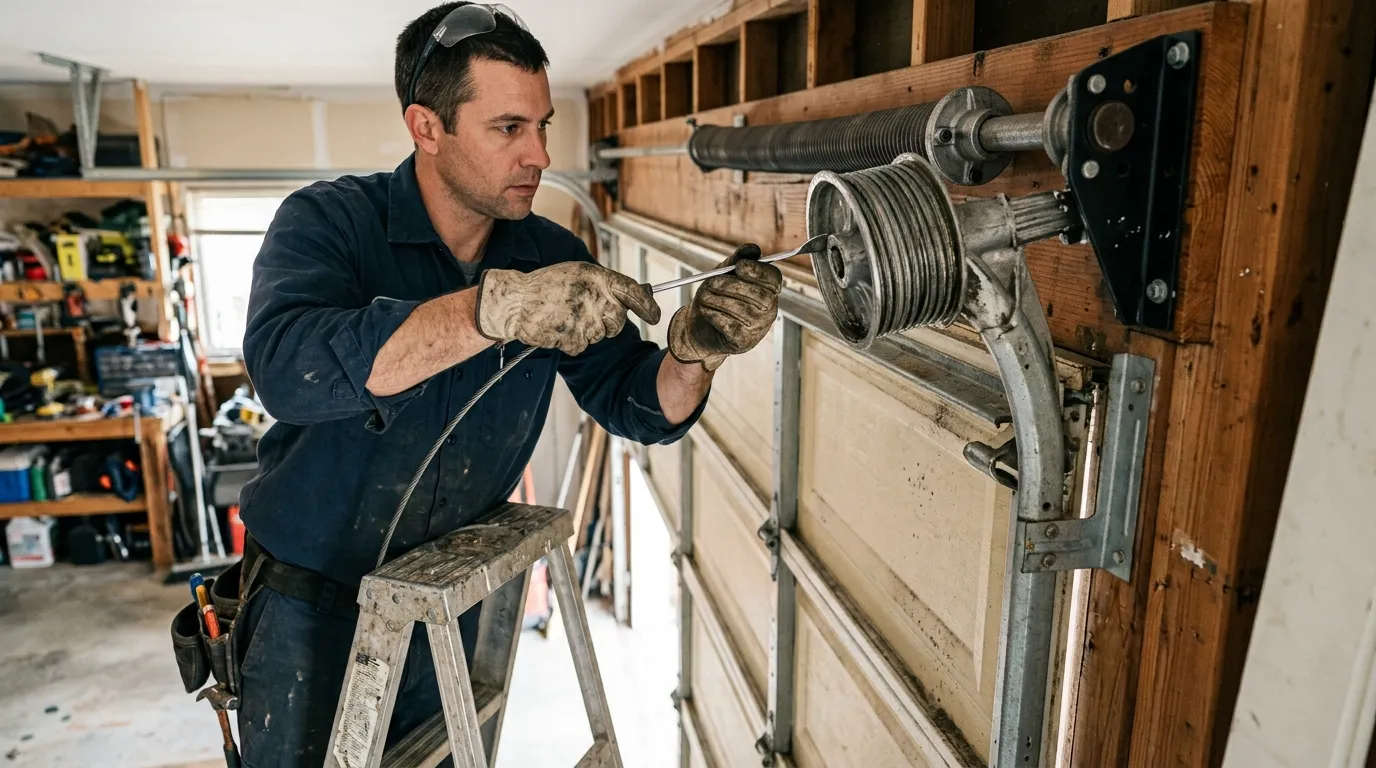
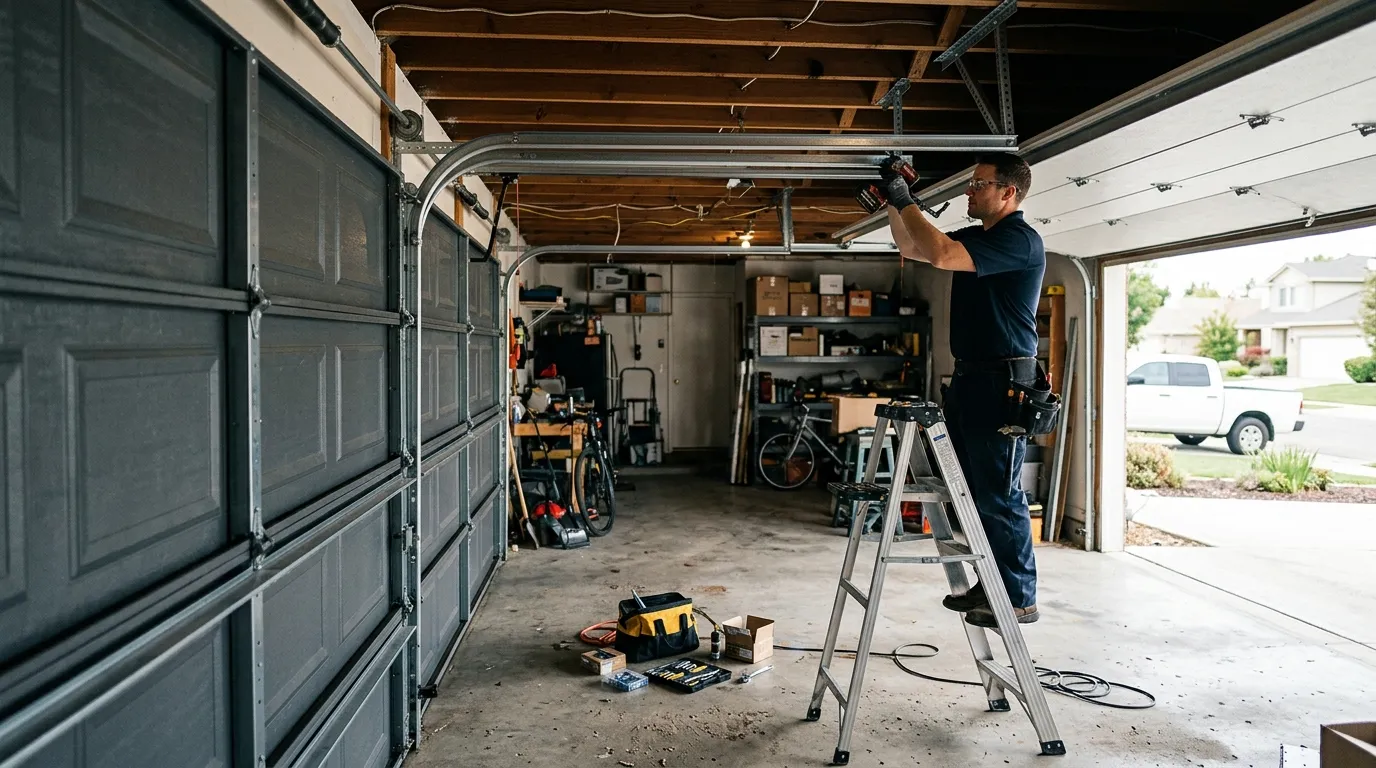
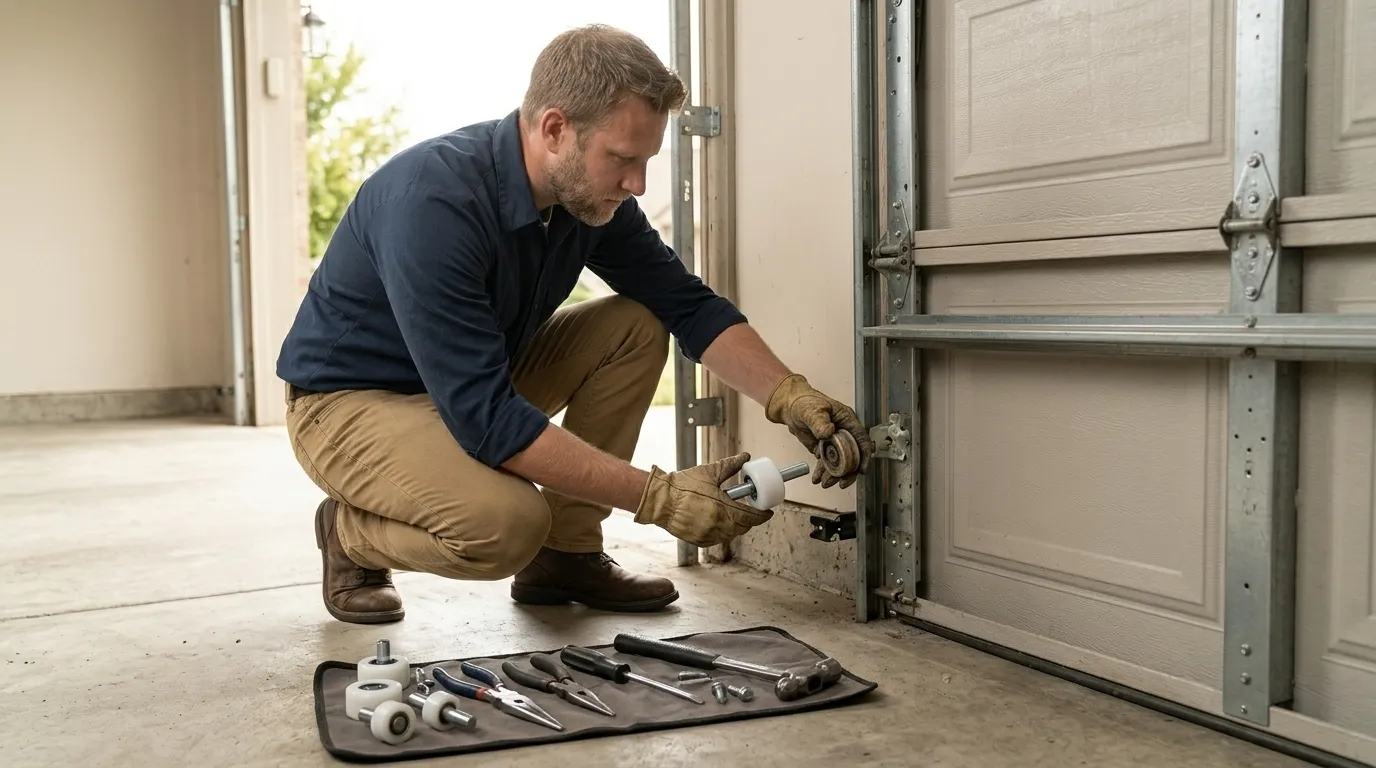
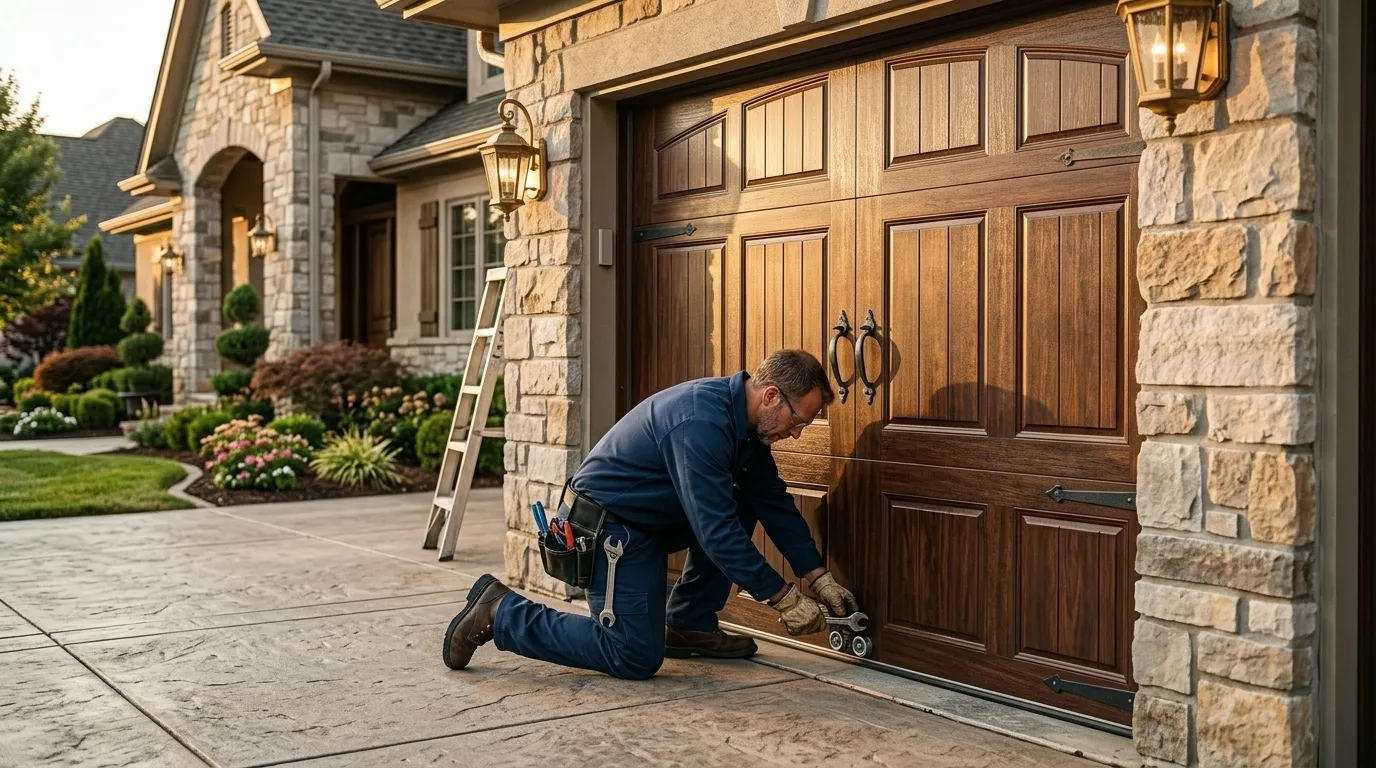
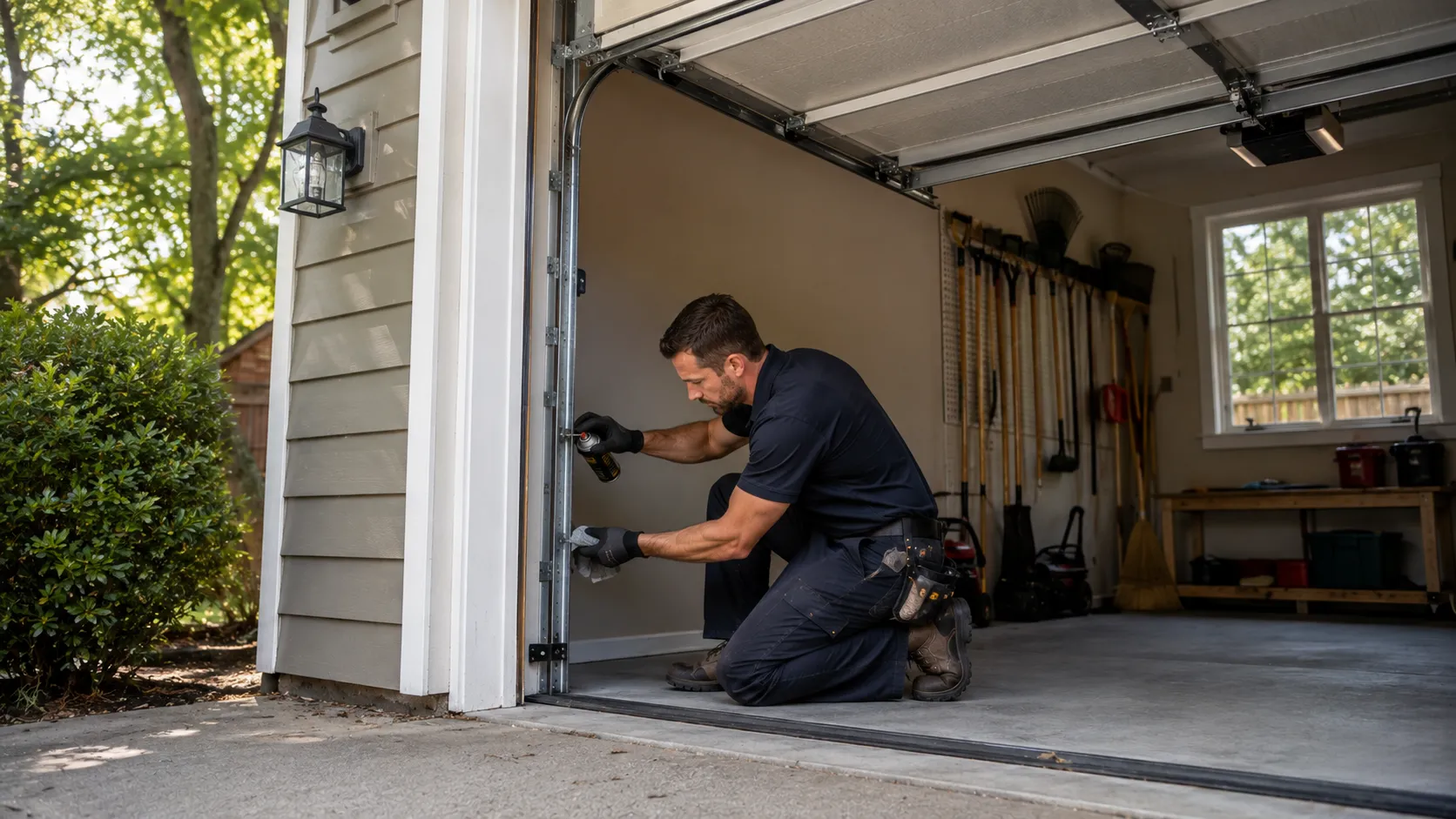
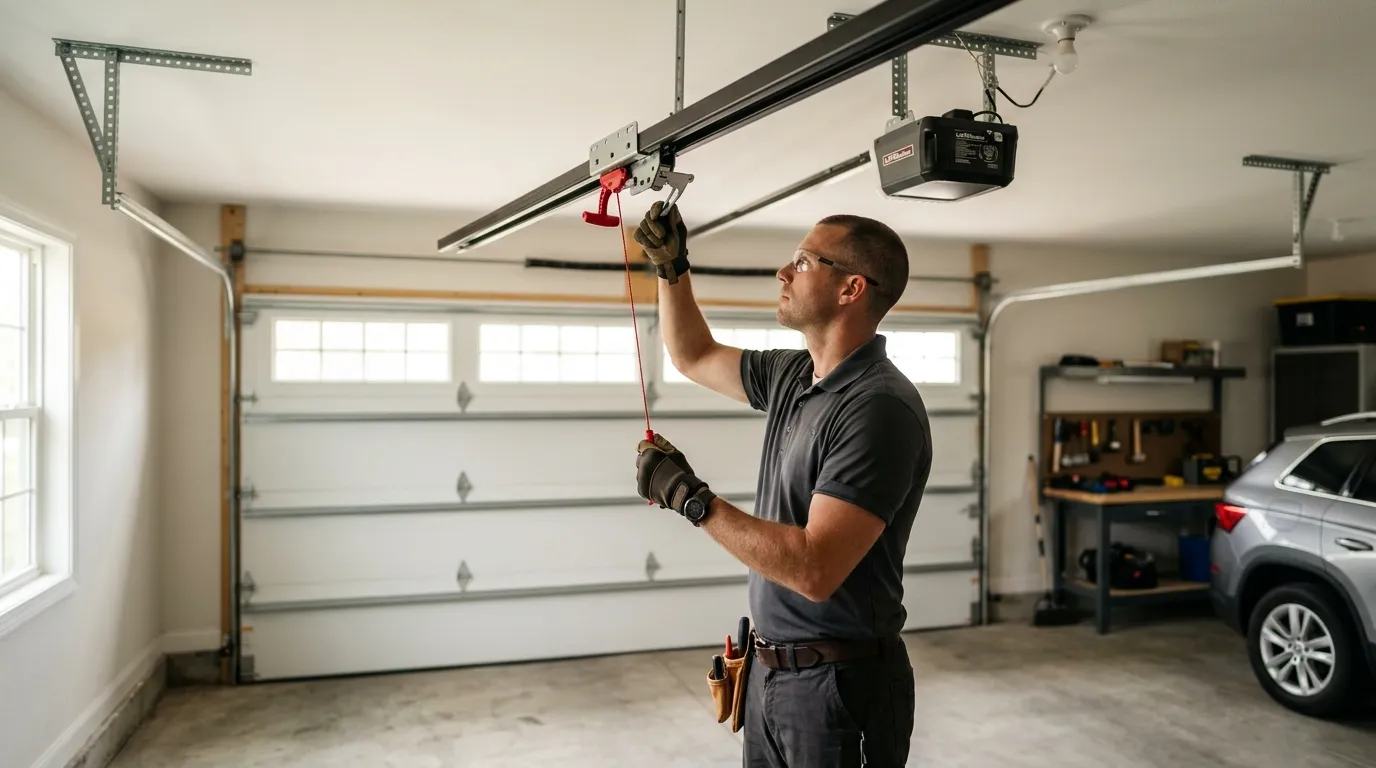
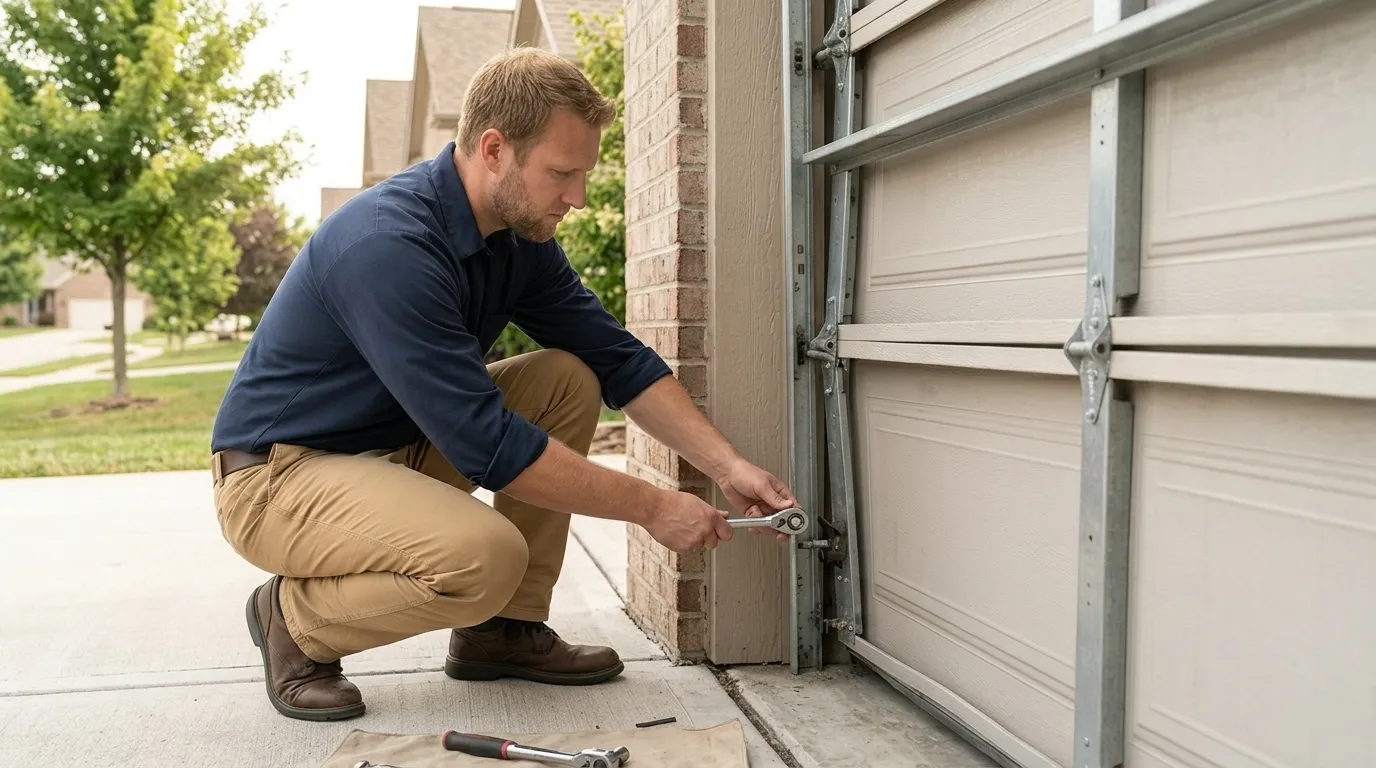
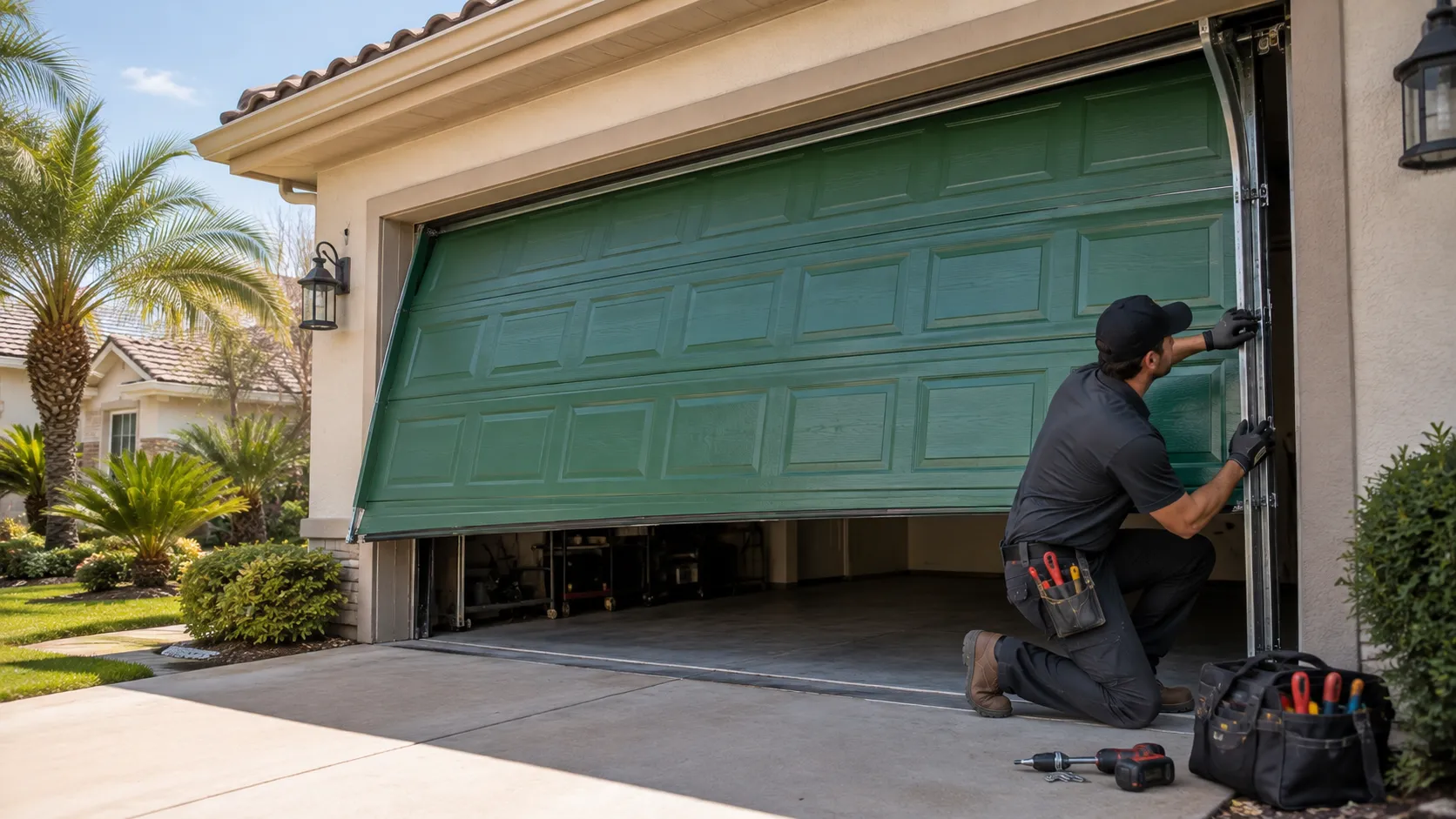
A door hung around 1995 is old enough that its original torsion spring has likely cycled tens of thousands of times, which is the range where springs start breaking rather than just squeaking. If your opener is original to the house, it's a chain or belt-drive unit from the 90s or early 2000s, and replacement circuit boards for those get harder to source every year - that's a real limitation, not a sales pitch, and sometimes the honest answer is a new opener rather than a repair. The region sits in a cold-moderate climate band, which means winter condensation and freeze-thaw cycling on tracks and rollers, especially on north-facing garages that don't get much sun. Nylon rollers from that era tend to crack before they seize, so a door that's gotten loud over a winter is worth a look before a cable or bearing goes with it.