The Houses Here
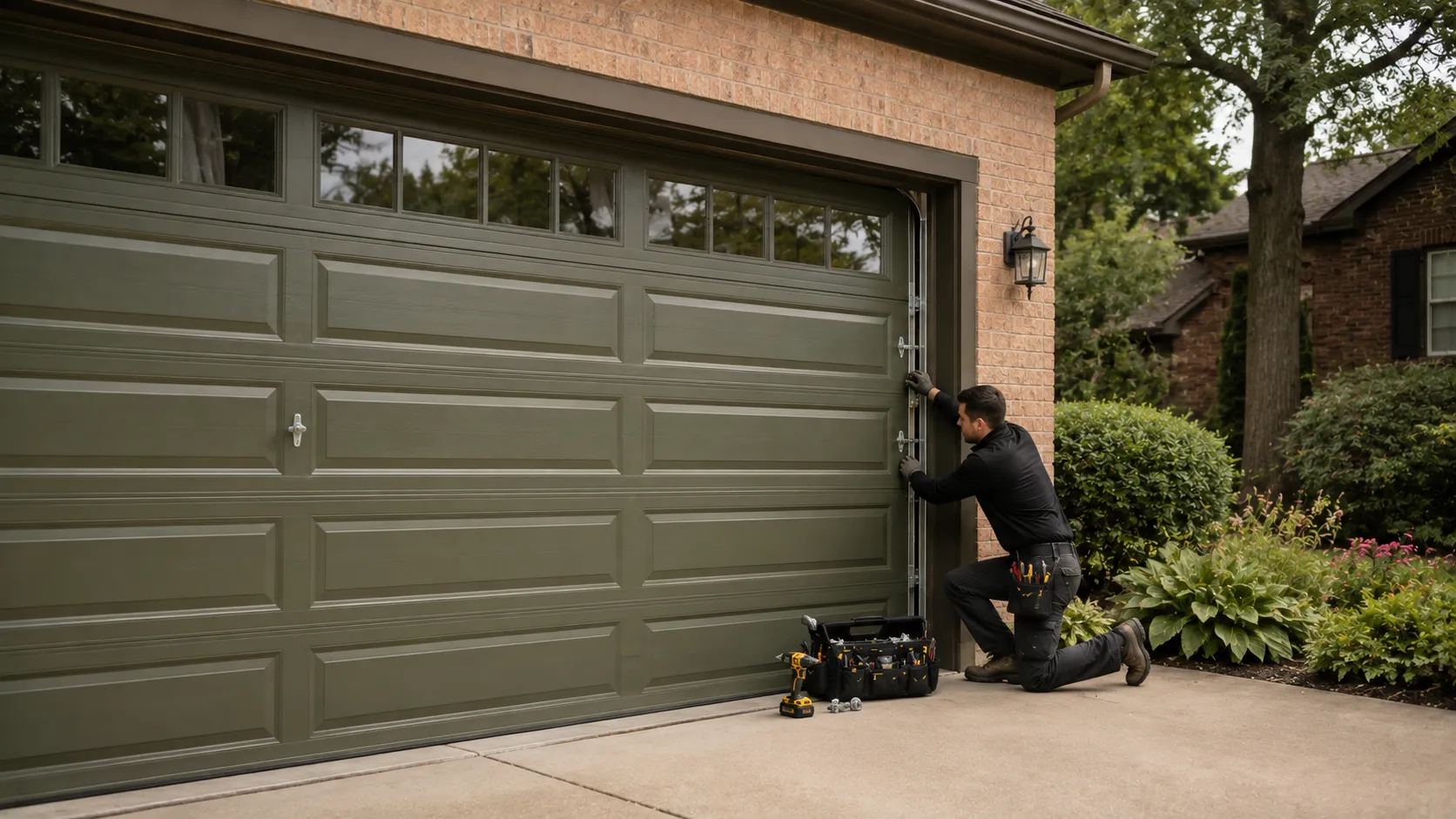
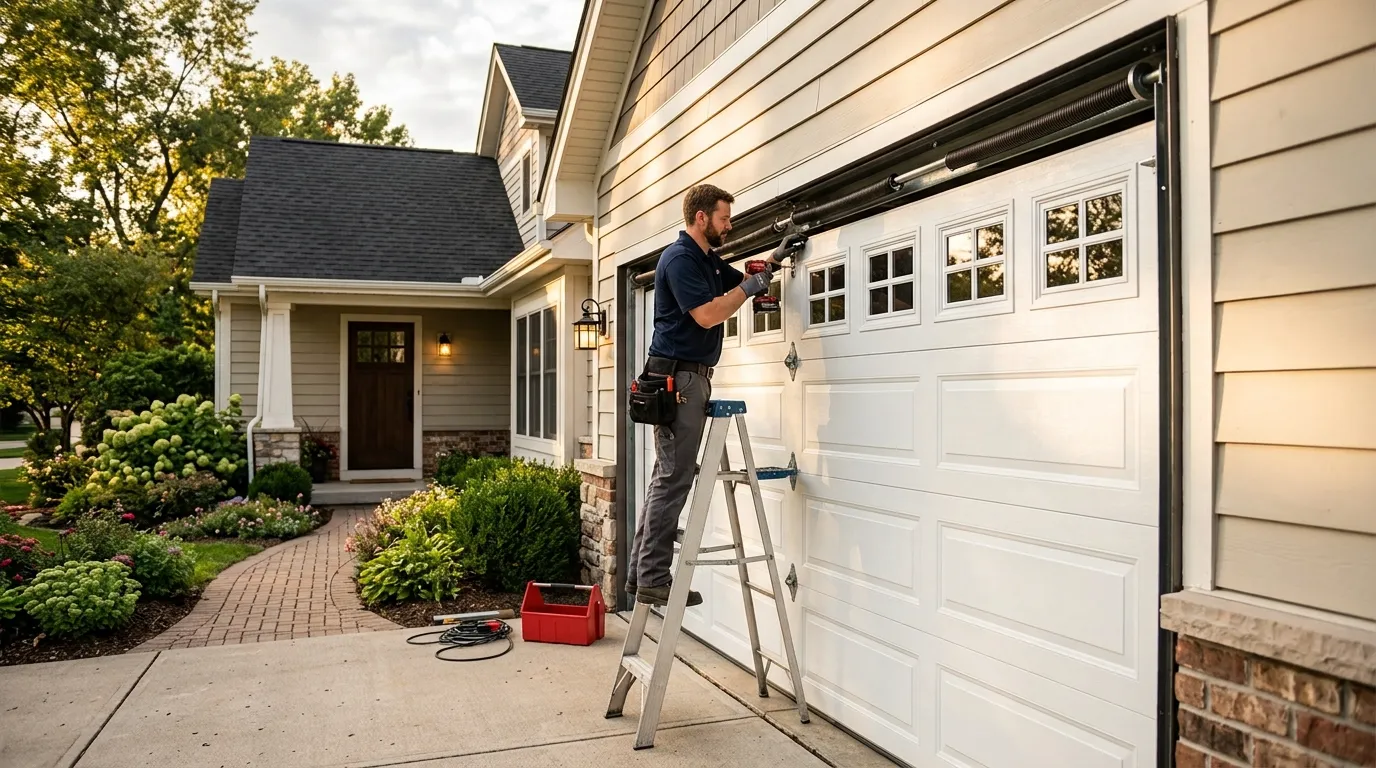
With around 1,074 households in Arlington Heights and a median income of $118,529, this is a tighter, more consistent neighborhood than the wider service area average - and the housing stock reflects that consistency. Most garages here were built to the same code cycle, with the same rough opening widths and similar opener mounting. That's different from the broader area we cover, where houses span 1972 to 2000 and hardware varies block to block. Here, if one door on a street needs a new torsion spring, the neighbor's door two lots down is very likely running the identical spring size and cycle life, just installed a few years apart. It's a small thing, but it means we can usually tell you the spring count and cable gauge over the phone before we ever see the garage, because the houses were built close enough together in time that the variation is small.
What the Housing Means for Your Door
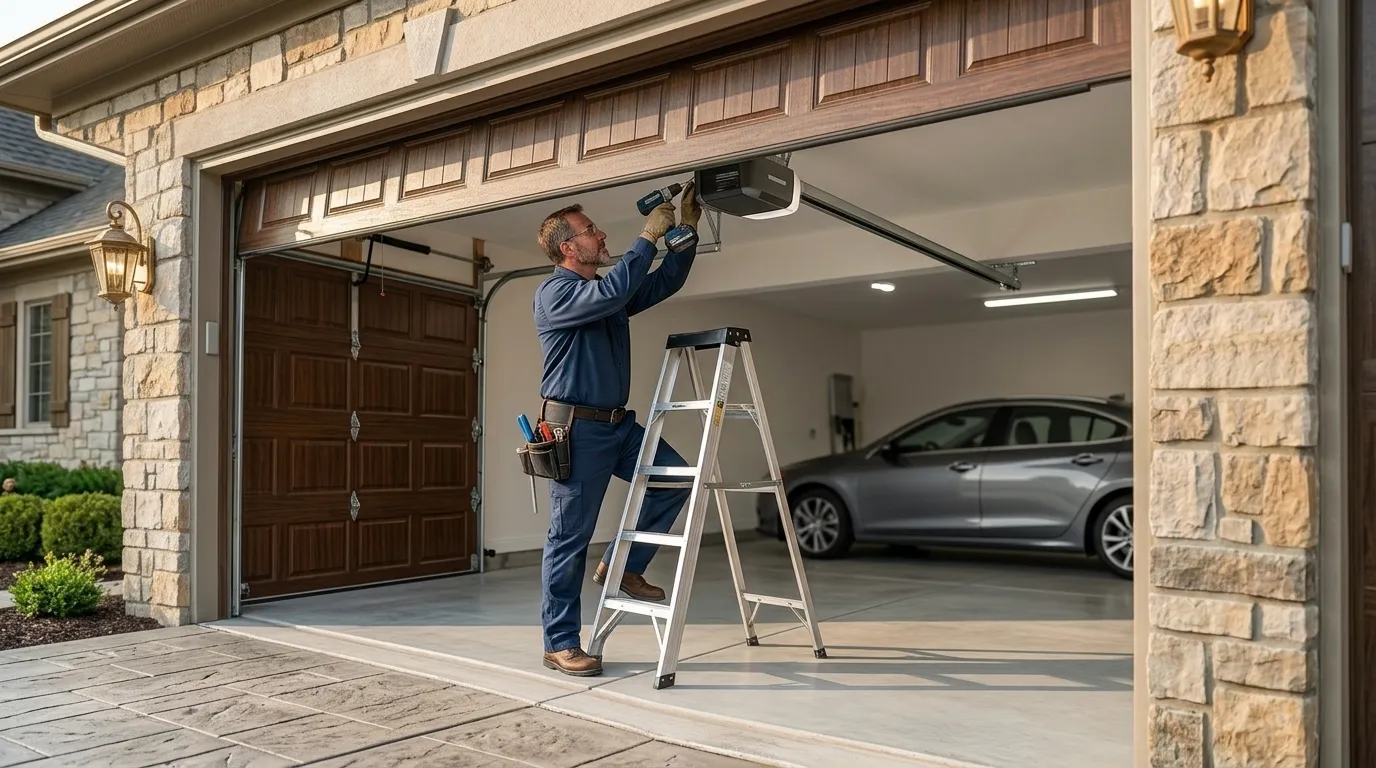
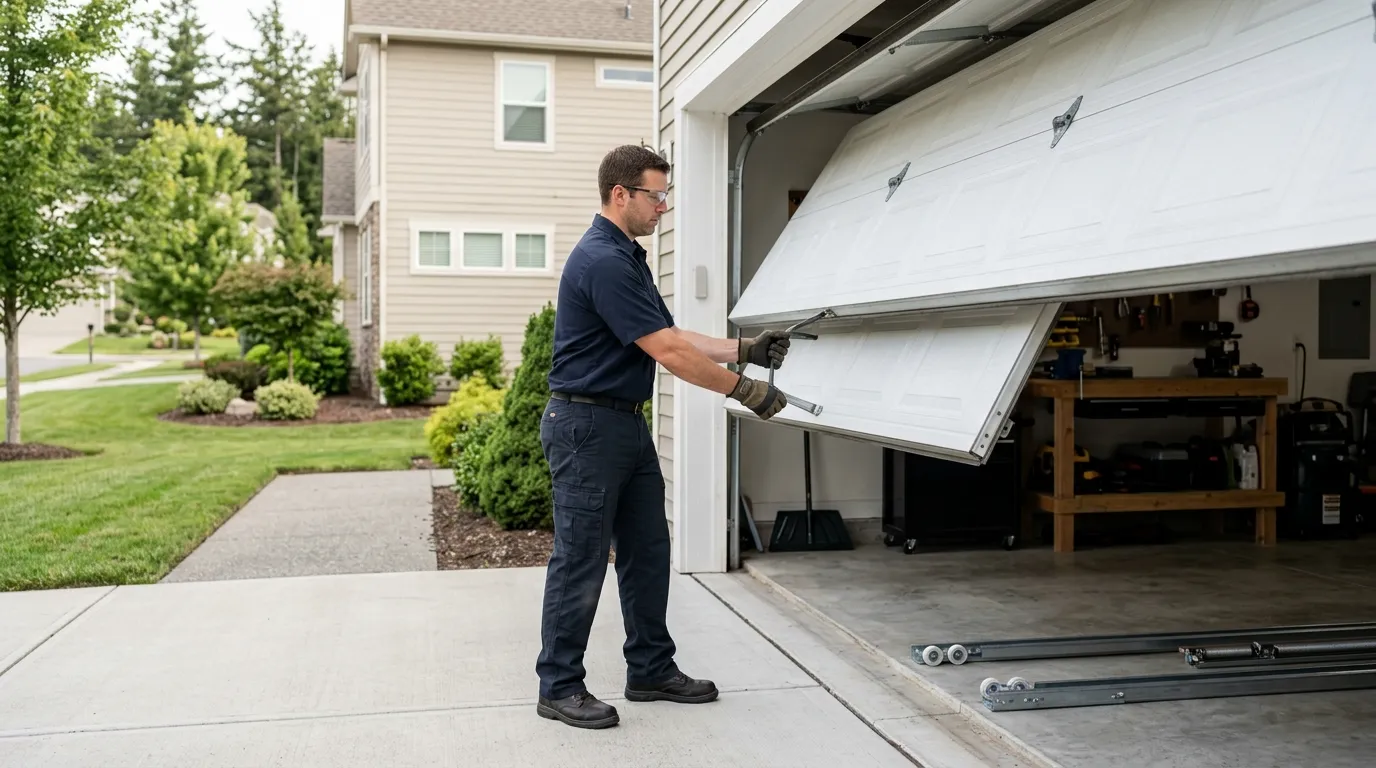
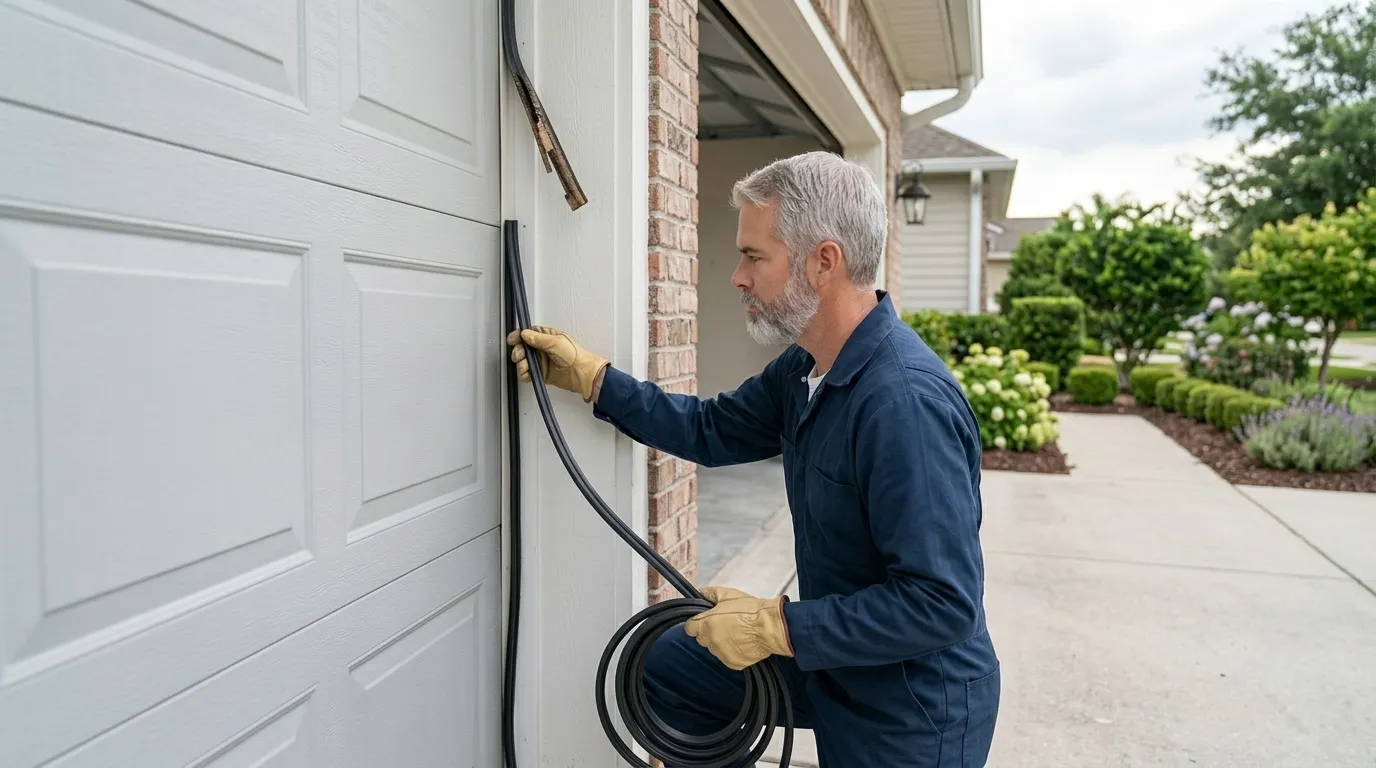
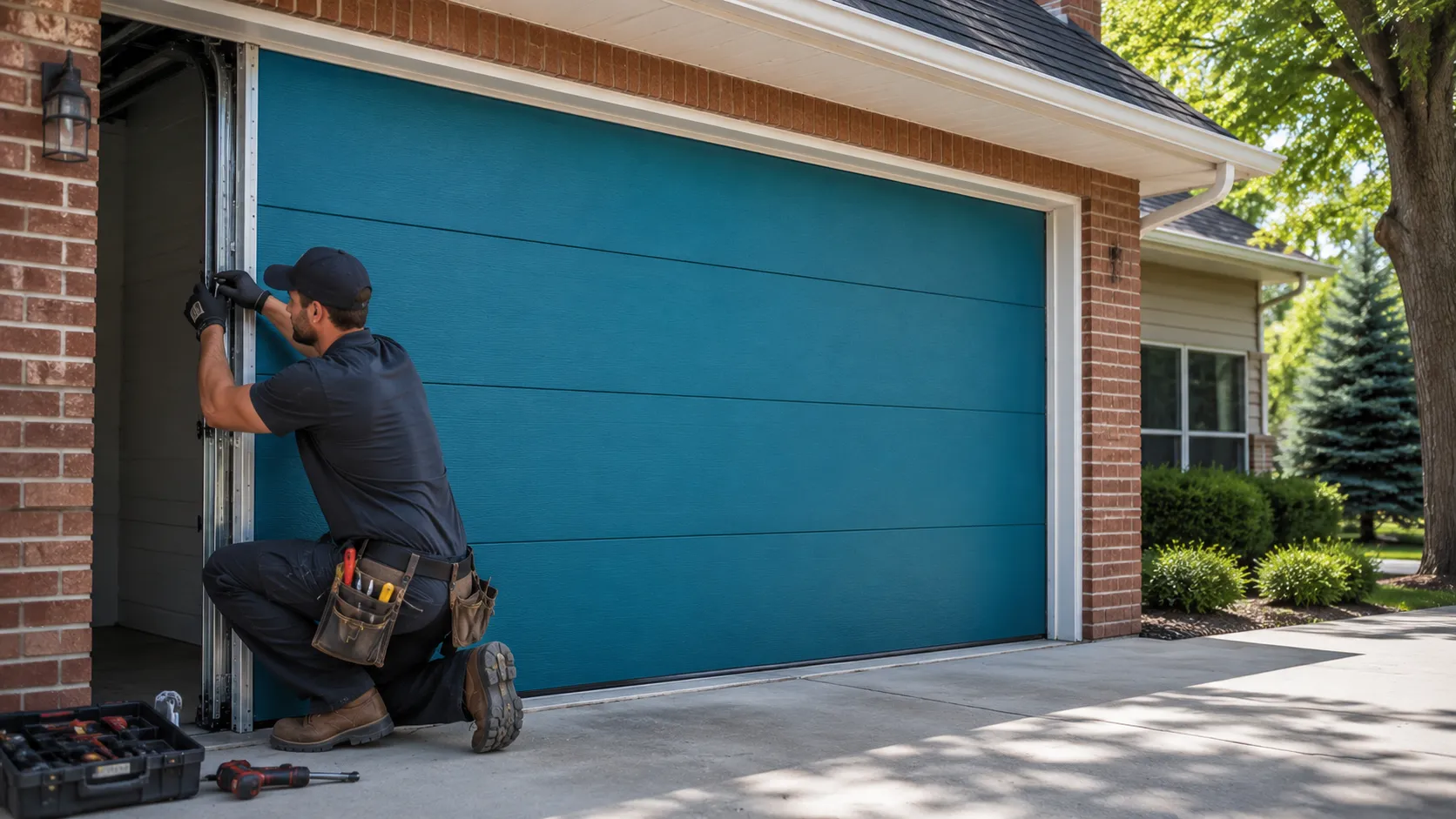
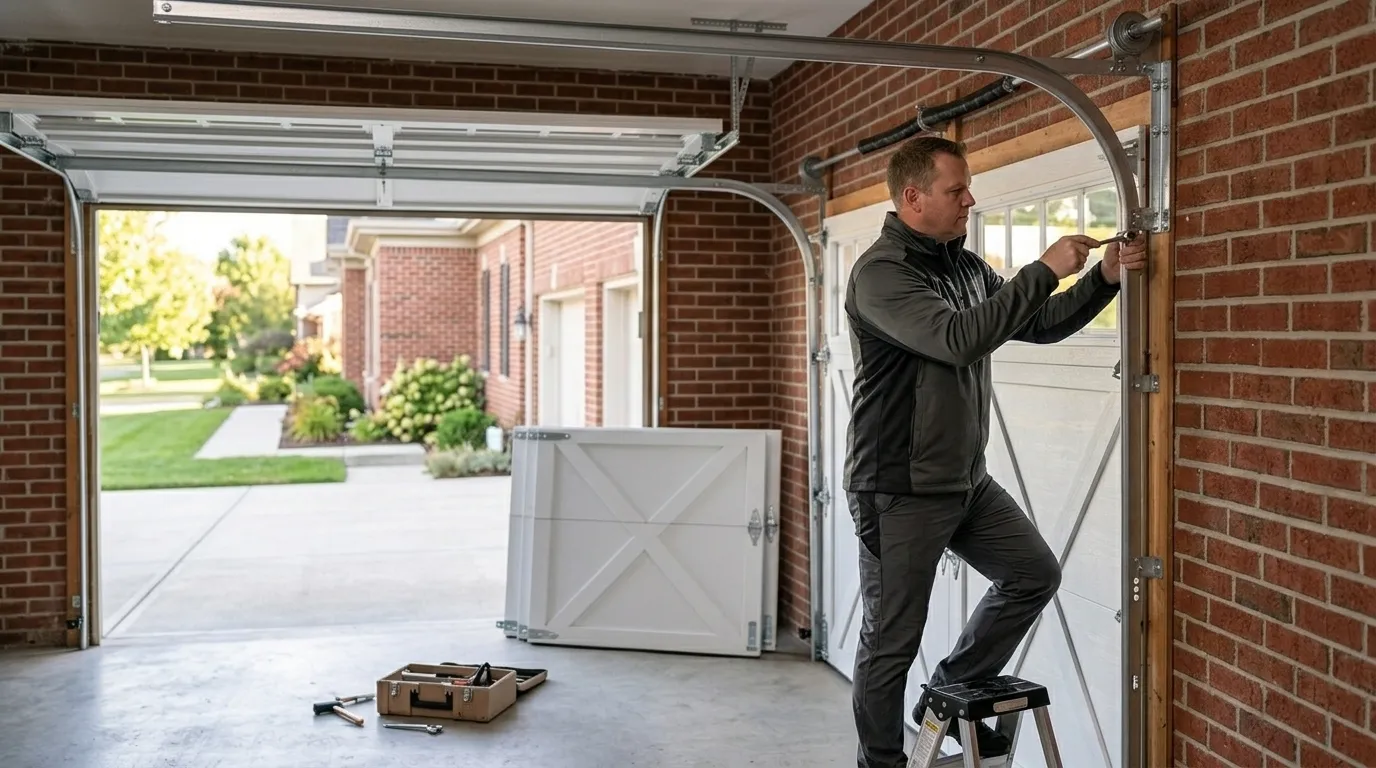
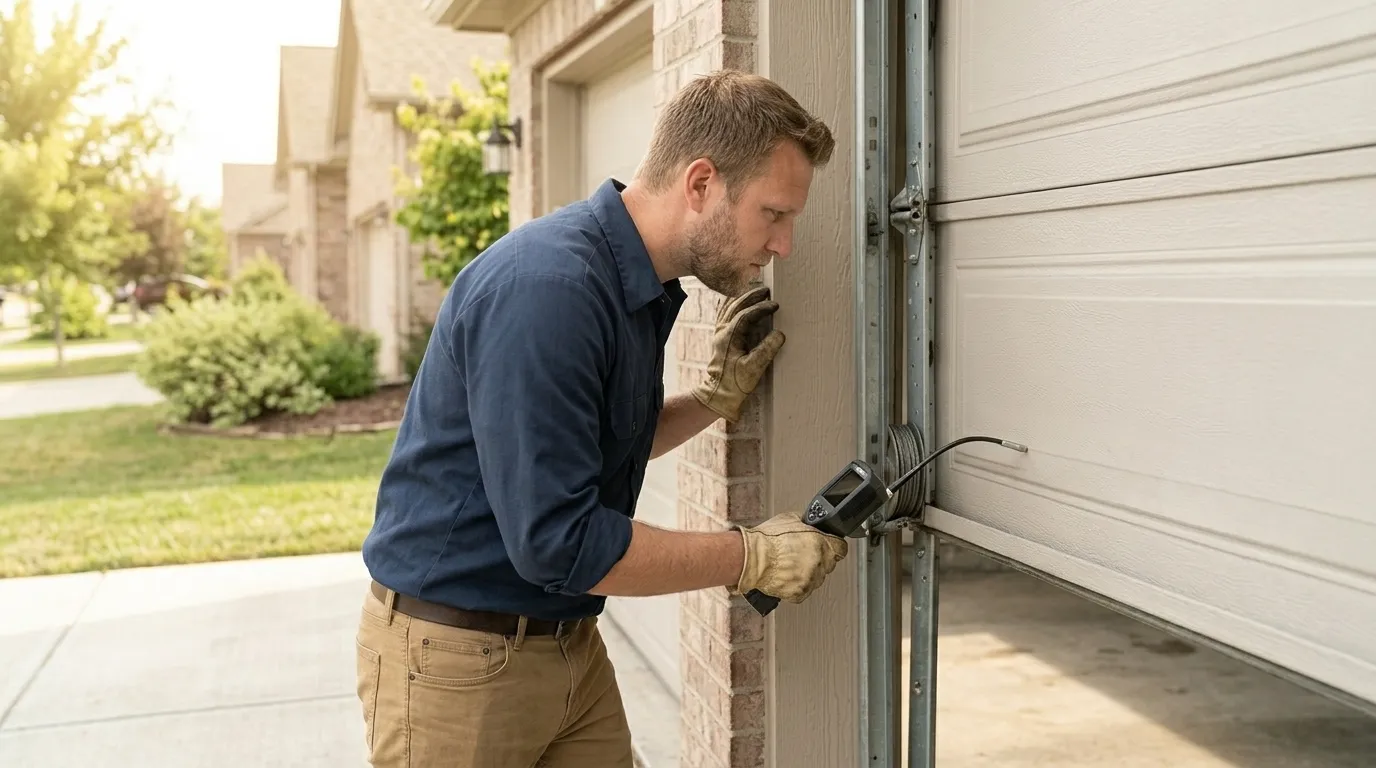
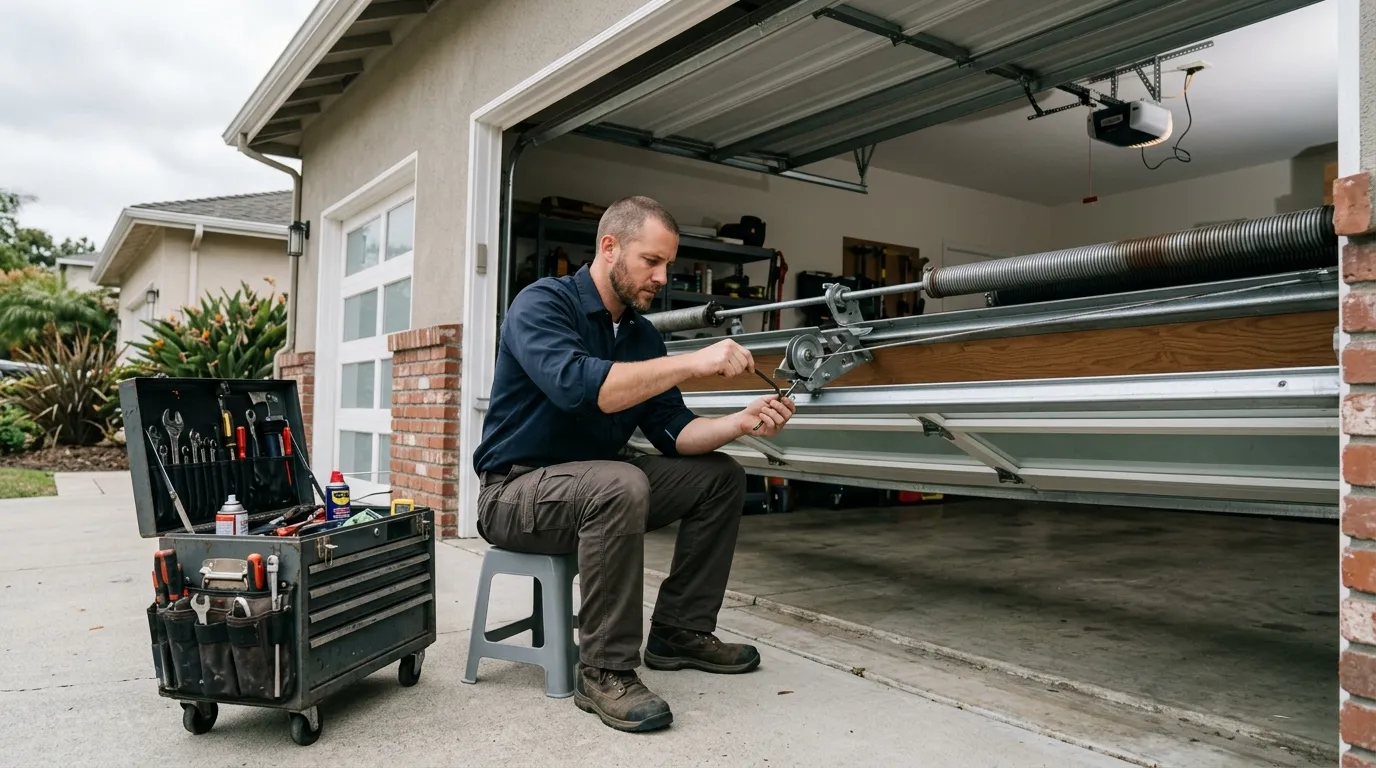
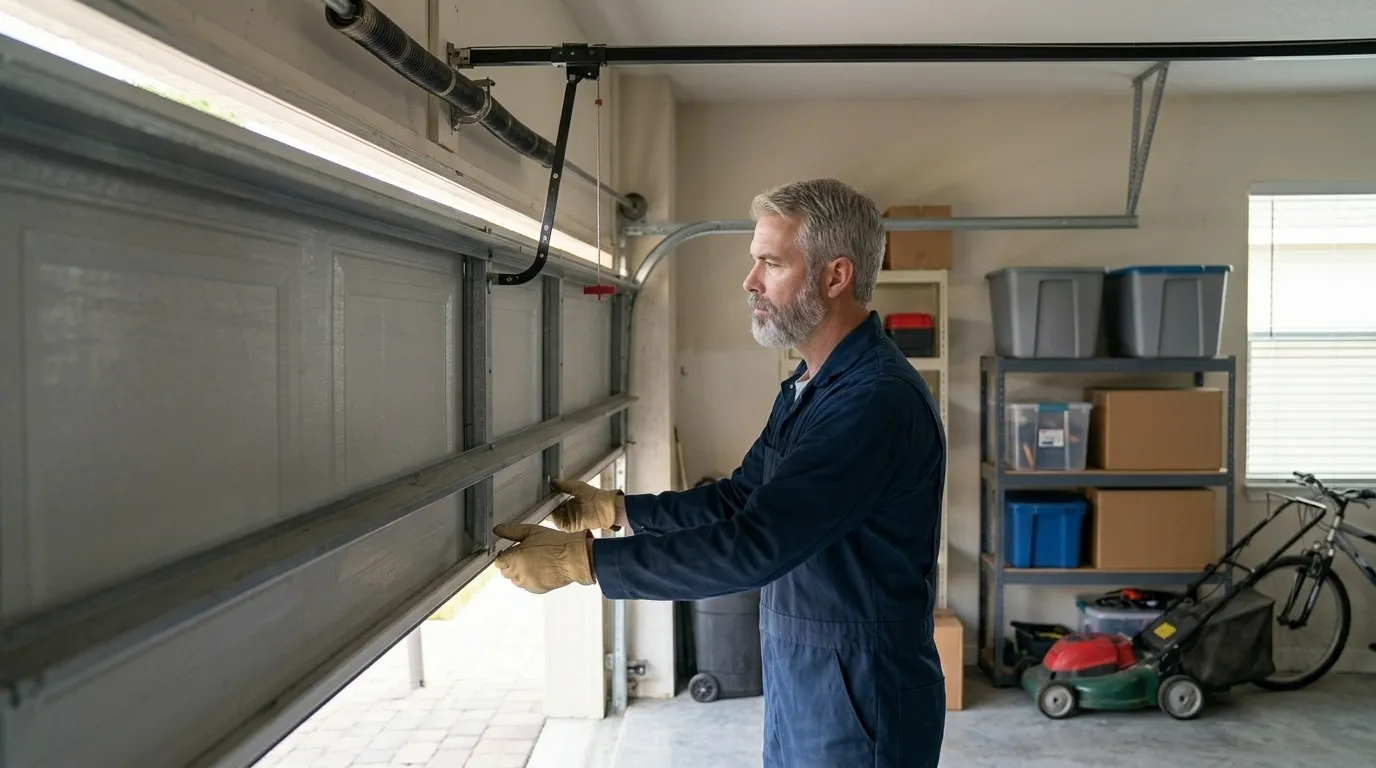
A door installed around 1991 is now past the point where most torsion springs are rated to last - a standard spring is good for somewhere around 10,000 cycles, and a door that age has usually seen that many open-and-close cycles more than once over. So the common call from Arlington Heights isn't a dead opener, it's a spring that's fatigued and finally let go, or a cable that's frayed at the drum from years of a spring that was already weakening. The cold-moderate winters here don't help - steel contracts, lubricant thickens, and a spring that's already near the end of its life is more likely to snap on a January morning than a July afternoon. One limitation worth being honest about: if the opener itself is original to the house, parts for some of those early-90s models aren't made anymore, and replacement is usually the better call than hunting for a discontinued gear kit.