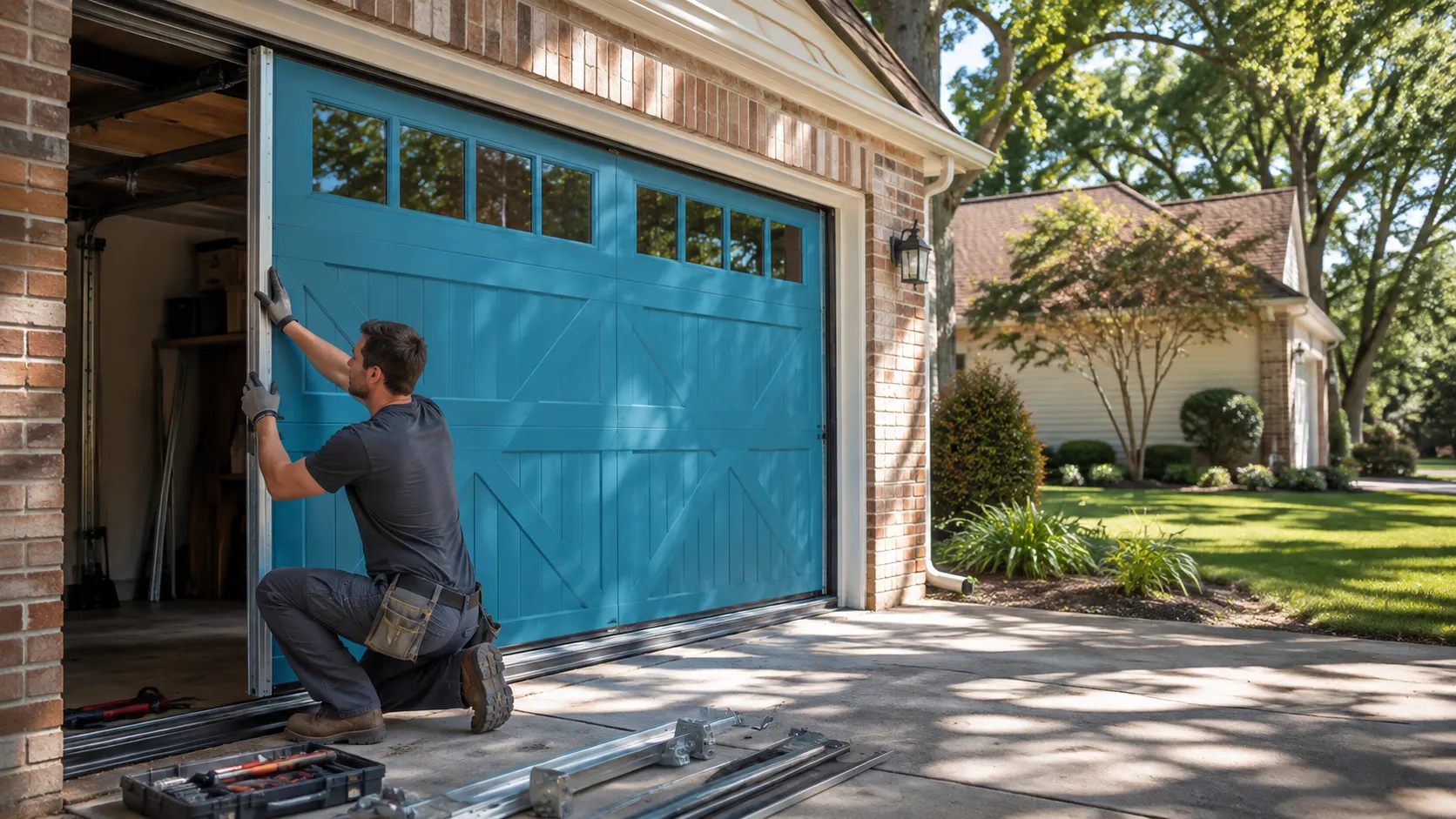
The Houses Here
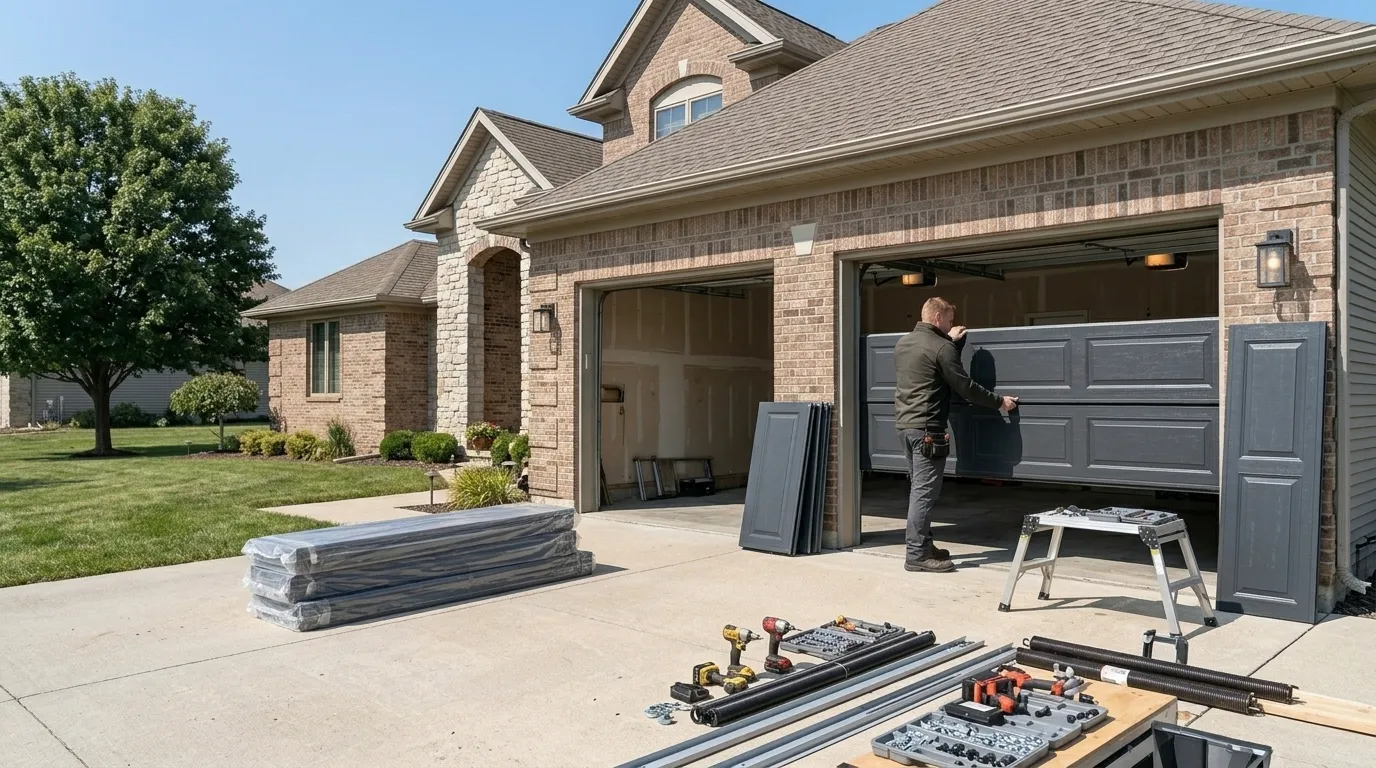
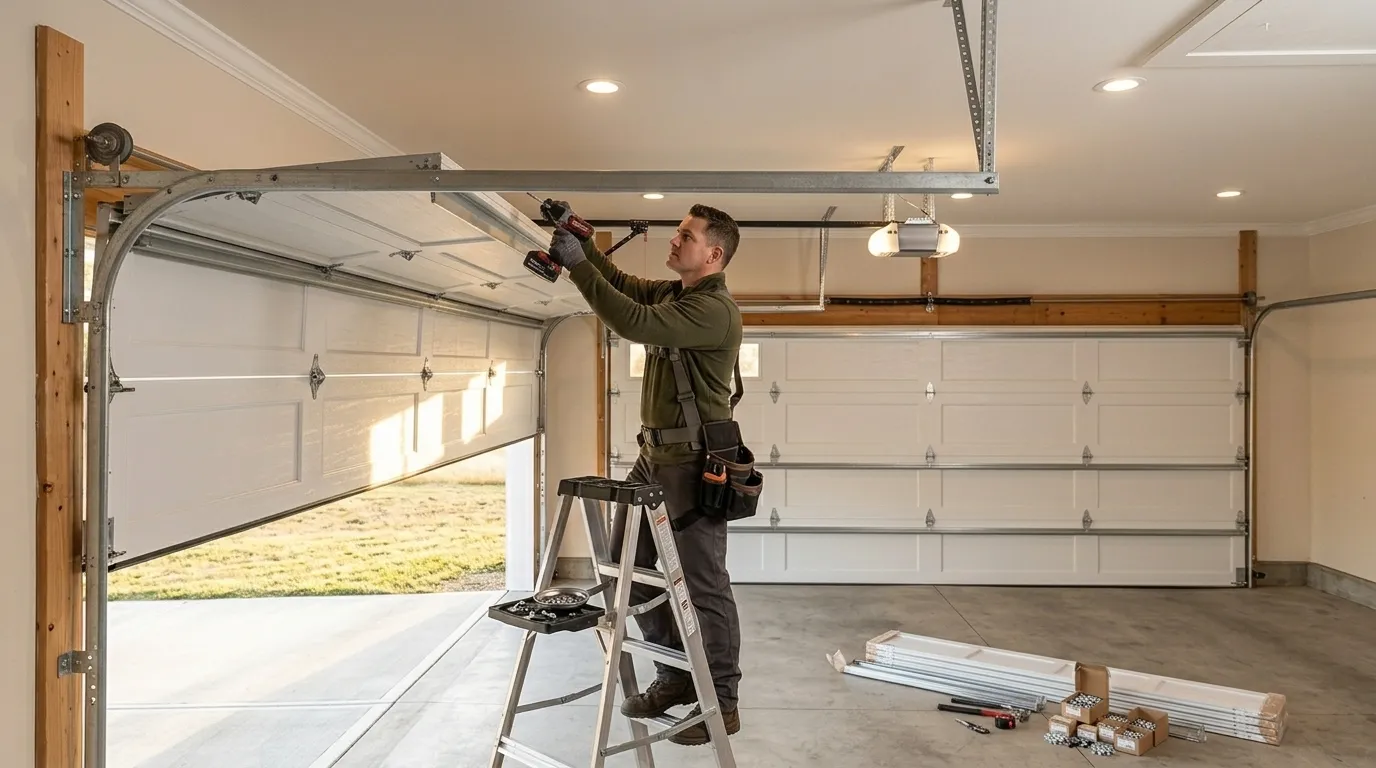
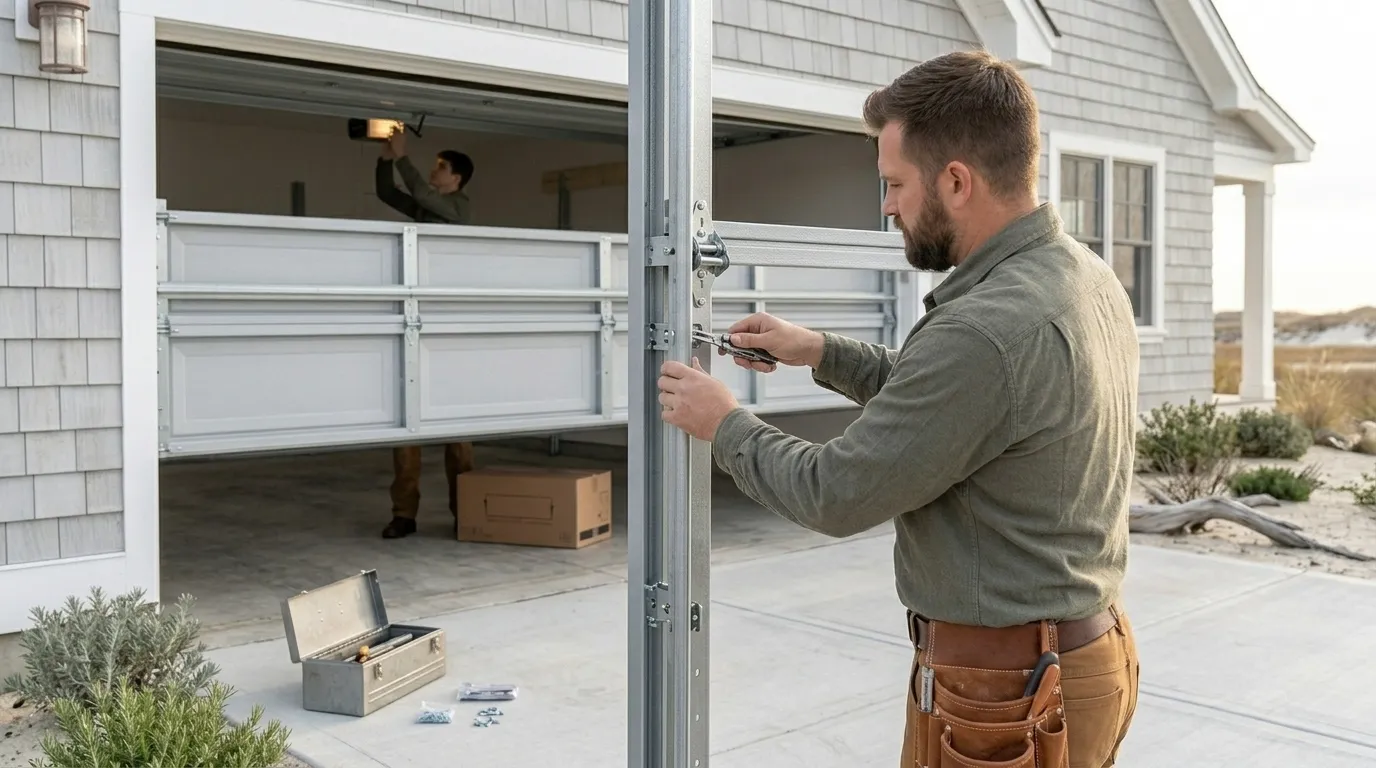
With roughly 600 households in the immediate area, Clinton is smaller and more residential than the denser parts of our coverage zone. A 1980-era house here typically has a single-car or two-car garage built to the code and door widths of that period, which run narrower than what's standard on new construction. If a homeowner replaces an old door with a modern off-the-shelf panel without checking the opening, they can end up with gaps at the jamb or a header that wasn't sized for the new door's weight. Household income in Clinton runs around $72,135, noticeably below the wider area's median, which tells us something too: fewer of these homes have had a full garage remodel, and more are running original or near-original hardware. That's useful information before we even pull up - it means the torsion spring on the truck should be sized for an older door, not a new lightweight steel one.
What the Housing Means for Your Door
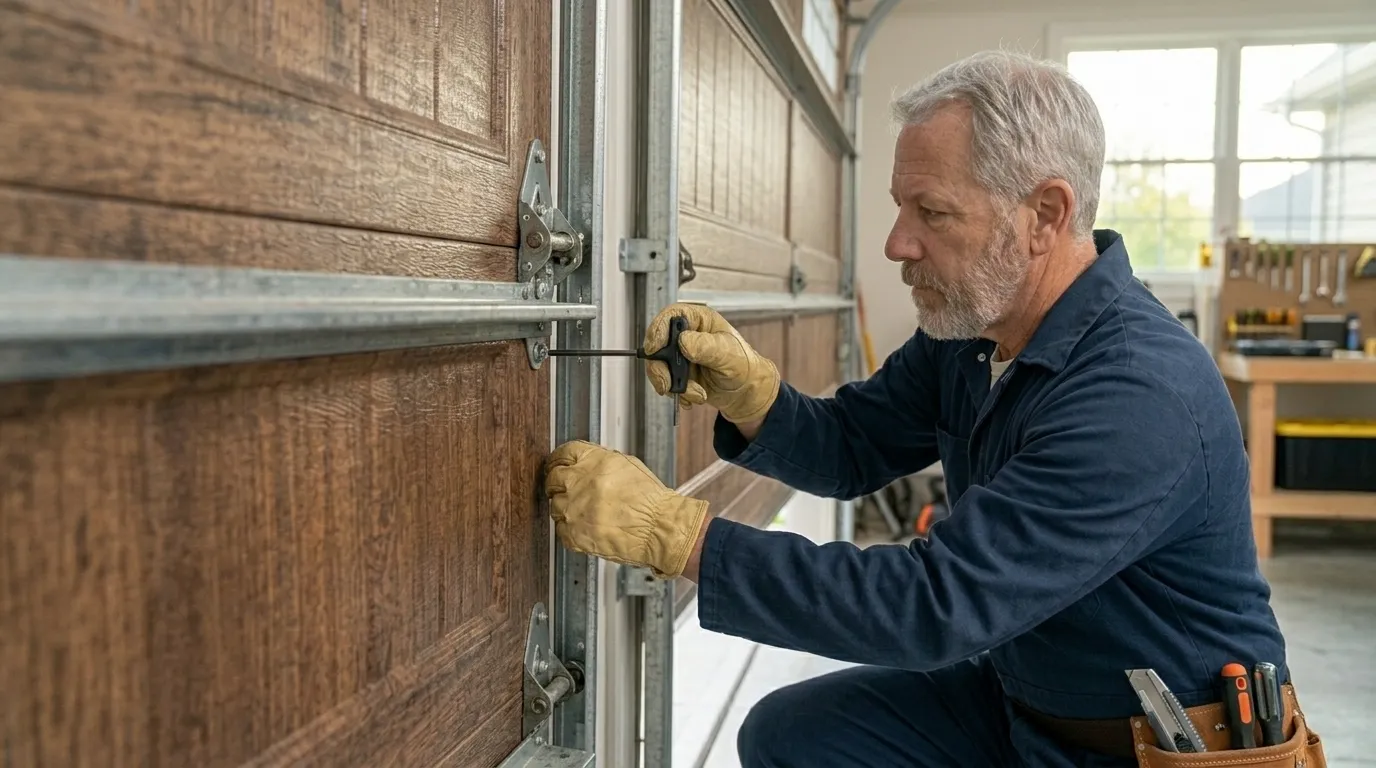
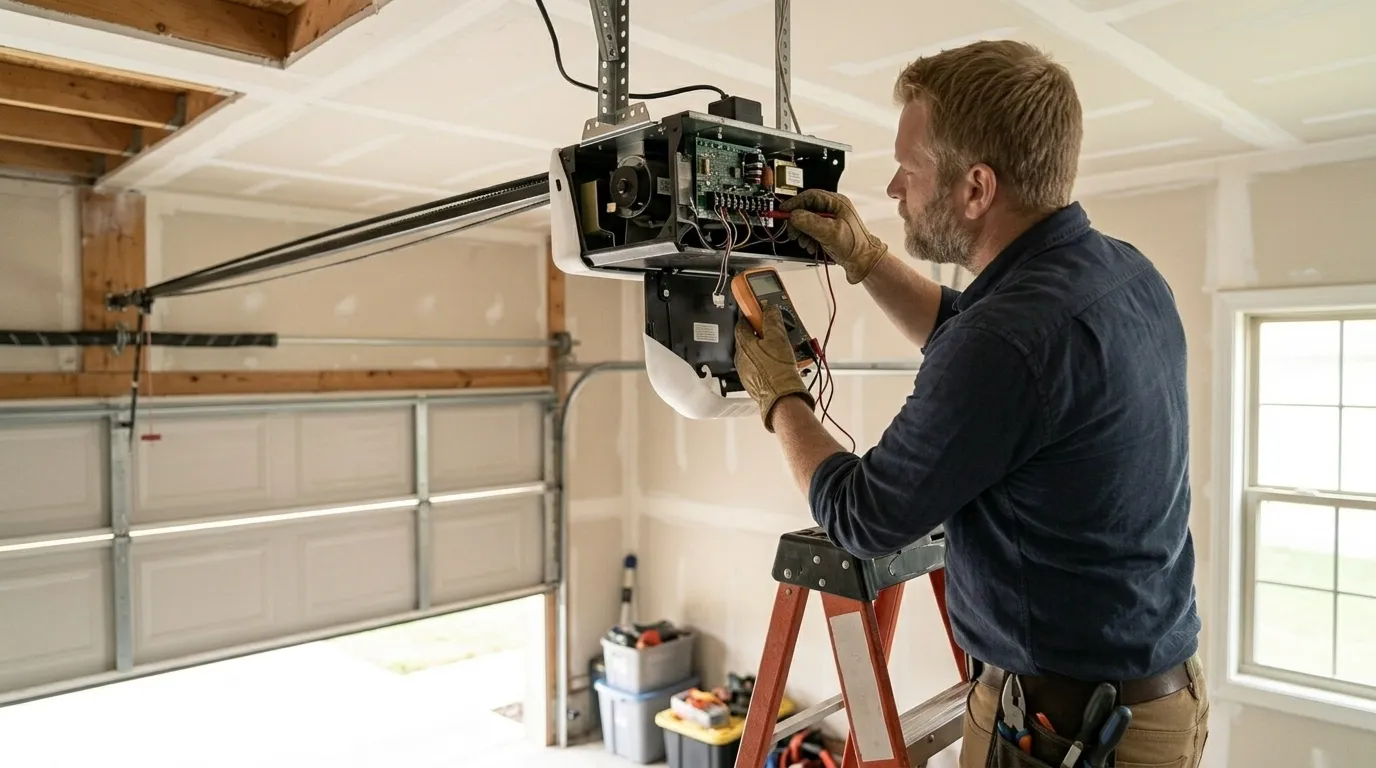
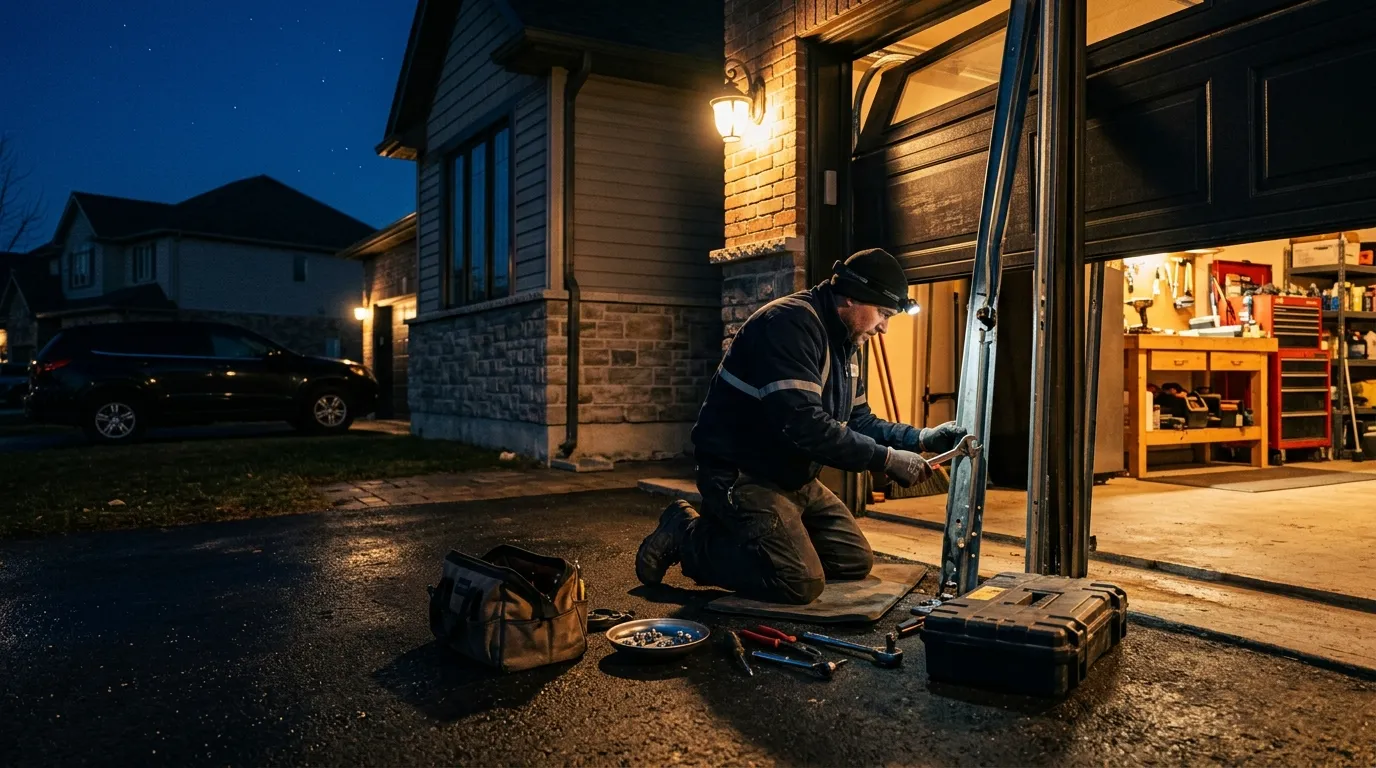
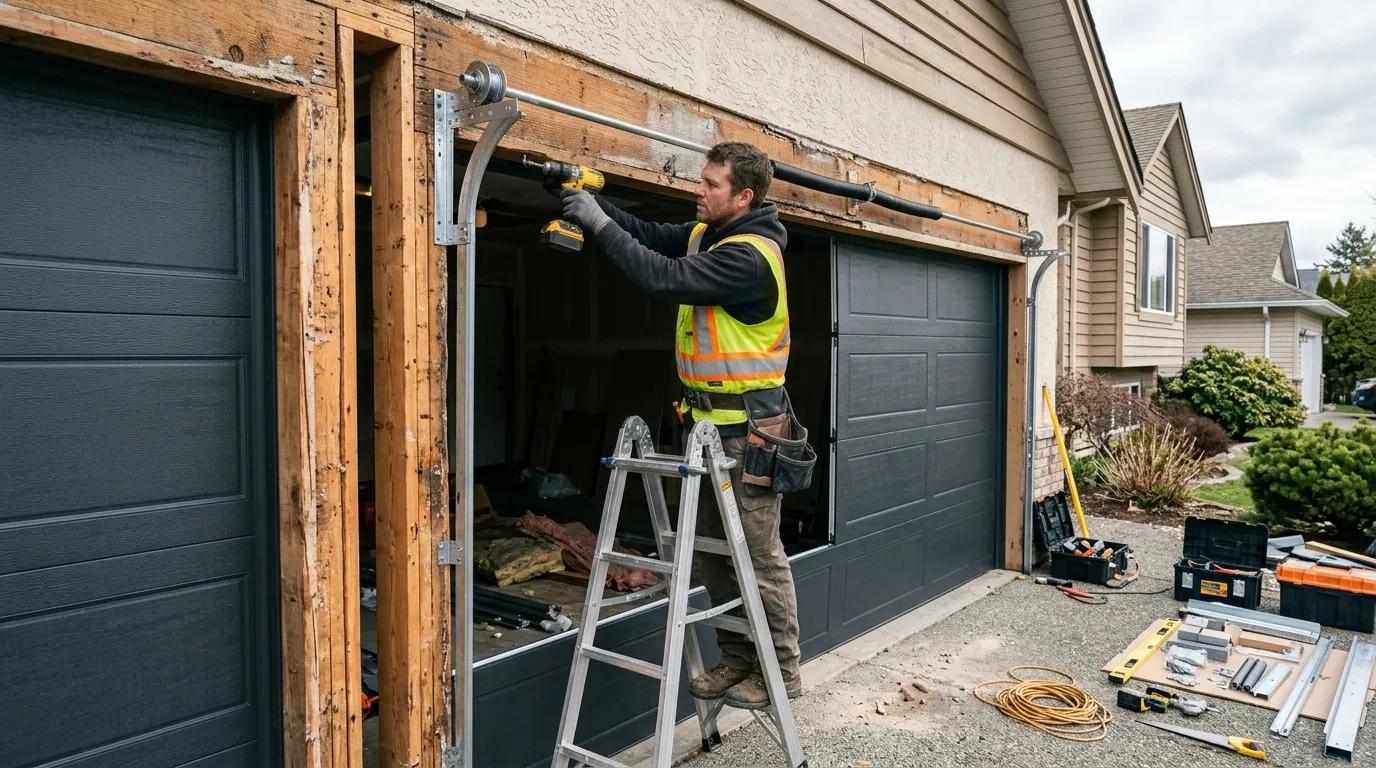
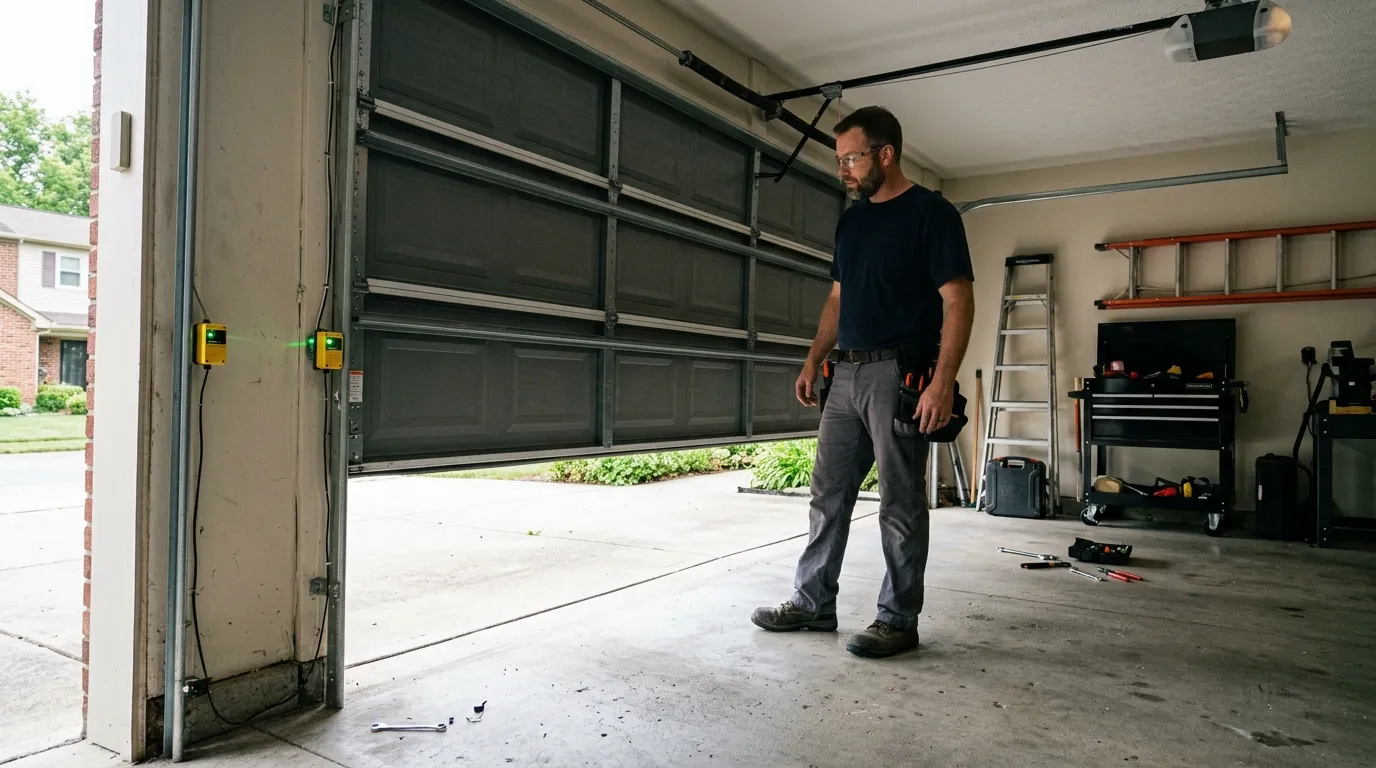
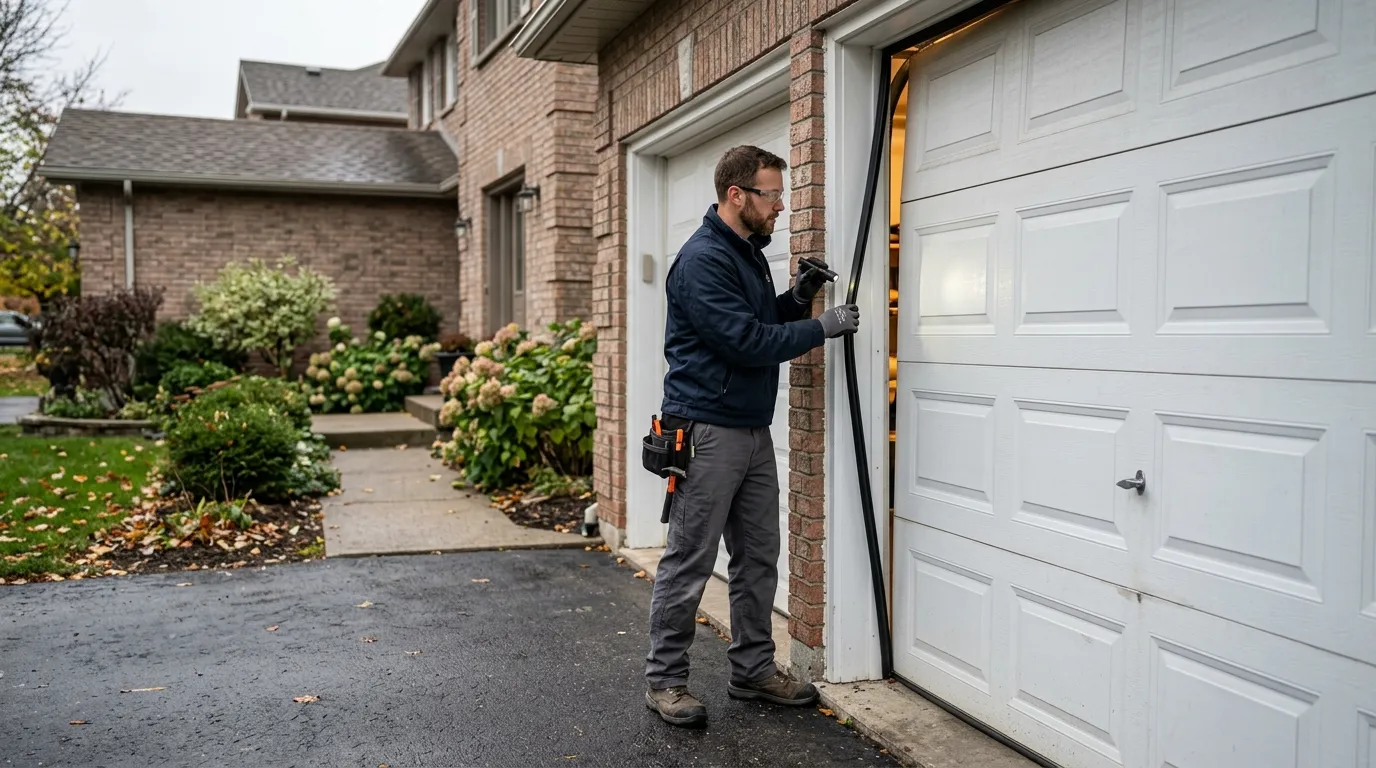
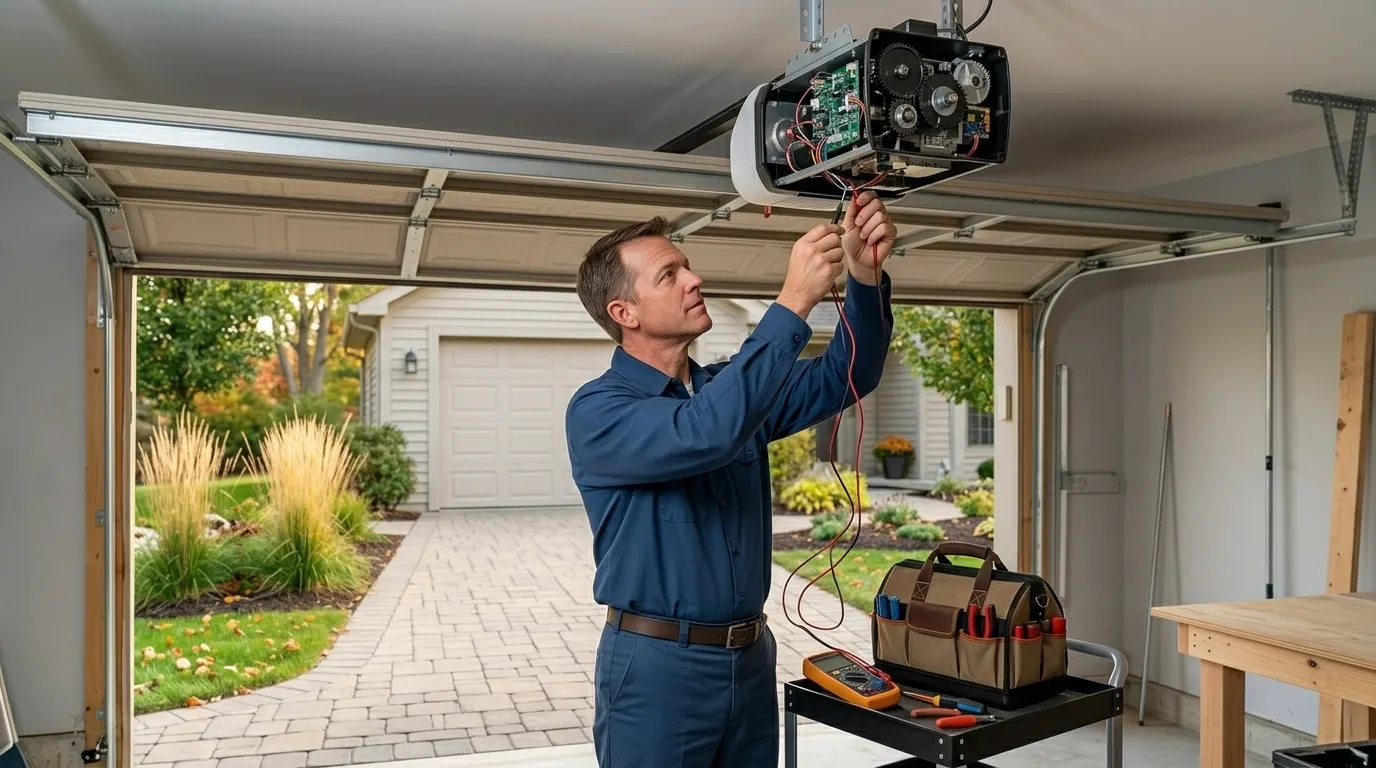
On a door installed around 1980, the parts most likely to fail are the ones that have simply outlived their rated cycle count: torsion springs, worn rollers, and cables that have seen forty-plus years of temperature swings. This is a cold-moderate climate zone, and steel springs and hinges here go through real seasonal contraction and expansion - that shortens the working life of hardware that's already old. We don't push replacement on a door that's still tracking straight and sealing well; a worn spring or a bent roller is often a repair, not a teardown. But when the track is rusted through, or the header framing has sagged from decades of an undersized door pulling on it, replacement usually costs less over time than another round of patch repairs. One limitation worth saying plainly: we can't diagnose an opener's control board issue over the phone on a unit this old - some parts for openers from this era are backordered or discontinued, and we'll tell you that up front rather than guess.