The Houses Here
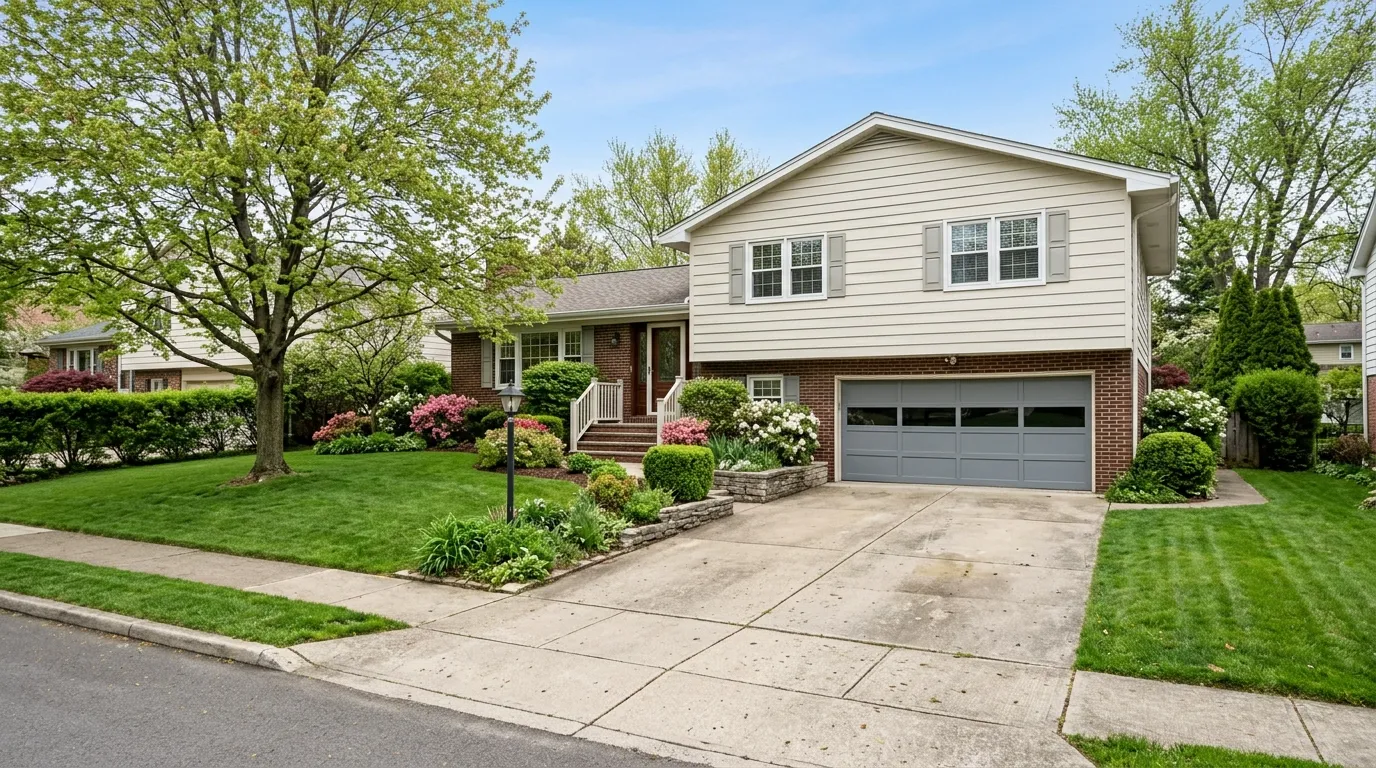
With 377 households, Lake Ketchum is a small pocket compared to the roughly 84,687 households and 50,164 owner-occupied houses spread across the whole service area. Median household income here runs $132,716, well above the area-wide median of $106,164. That income gap shows up in the calls we get - more owners here choose to replace a failing door outright rather than patch it repeatedly, and more ask about insulated or upgraded openers instead of the cheapest fix. It doesn't change what breaks on a 1972-era door, but it does change what people decide to do about it once we've told them what's wrong.
What the Housing Means for Your Door
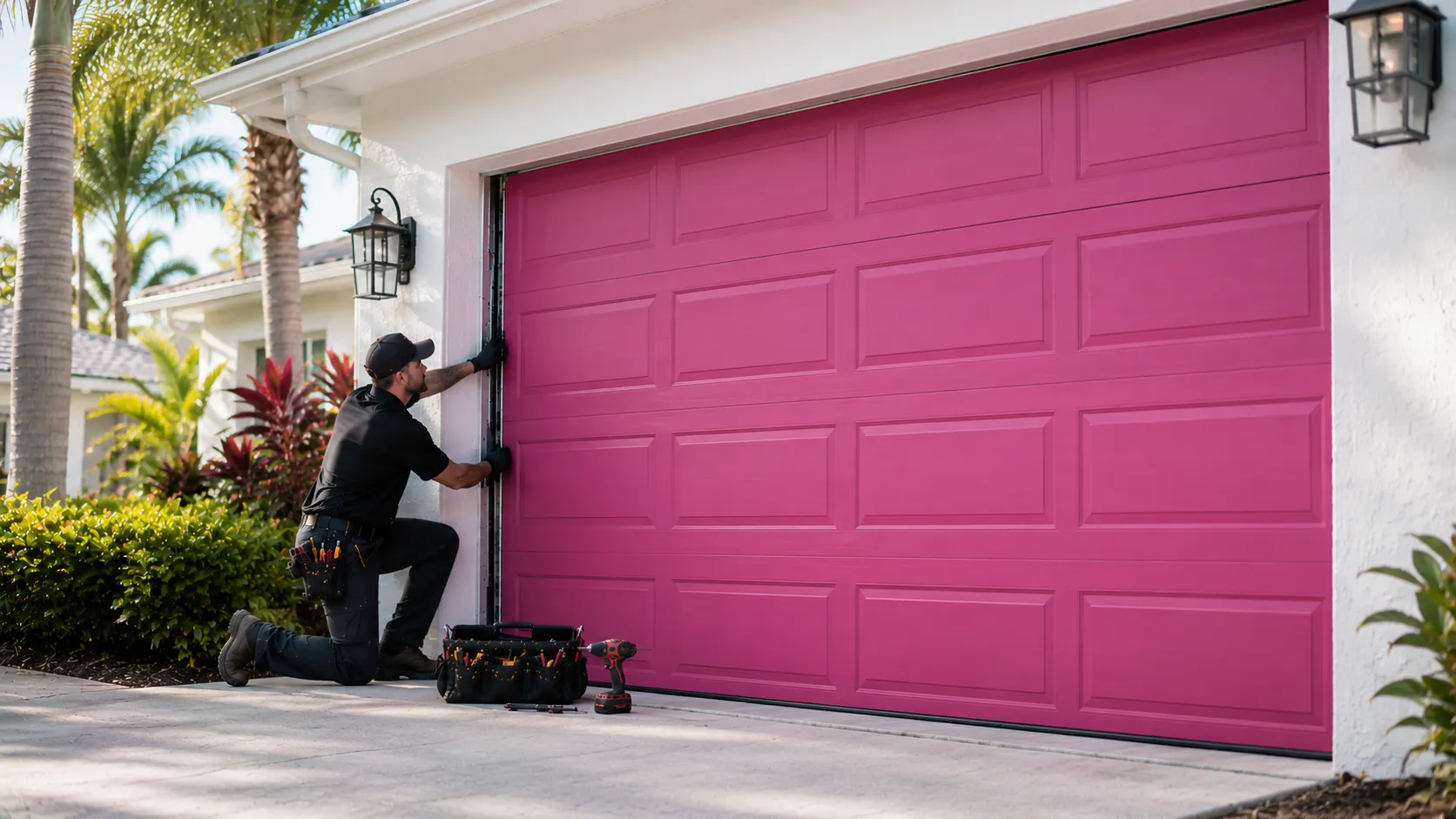
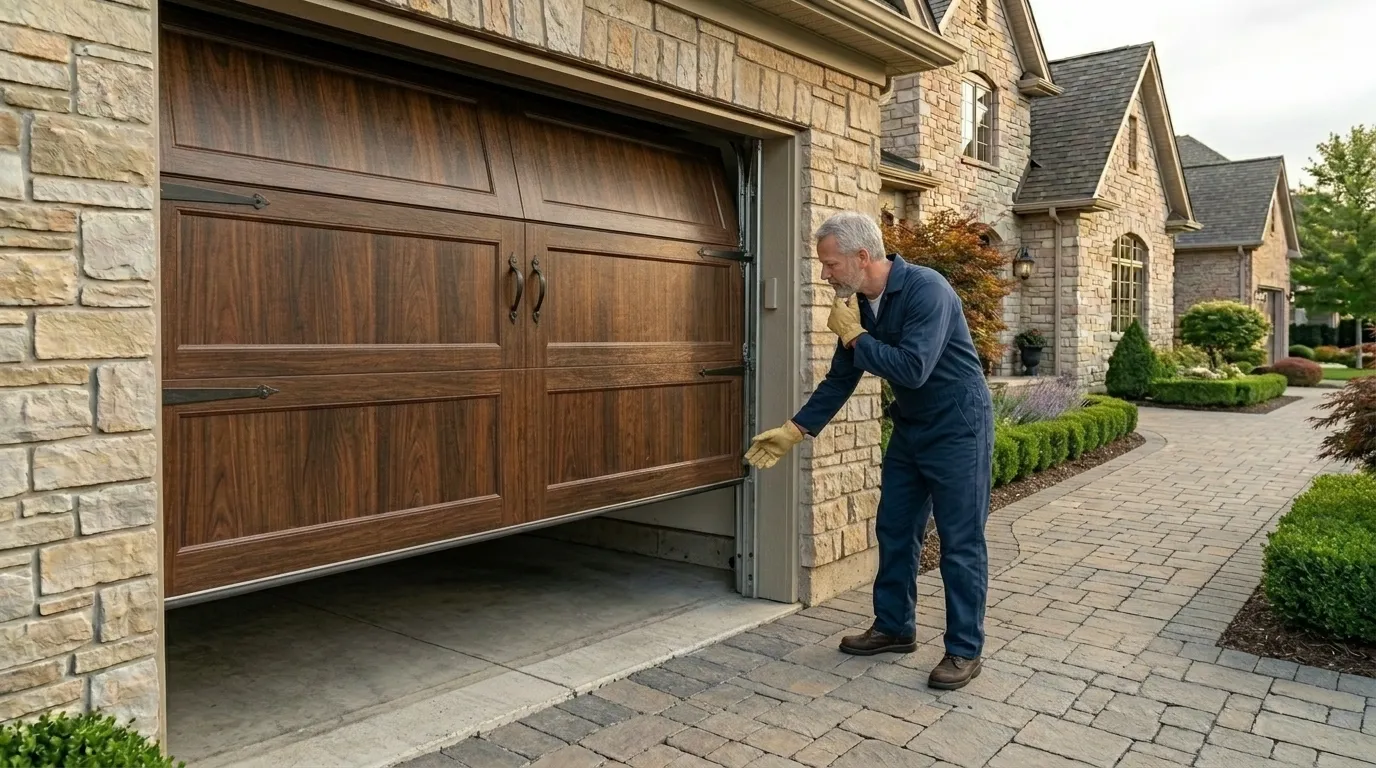
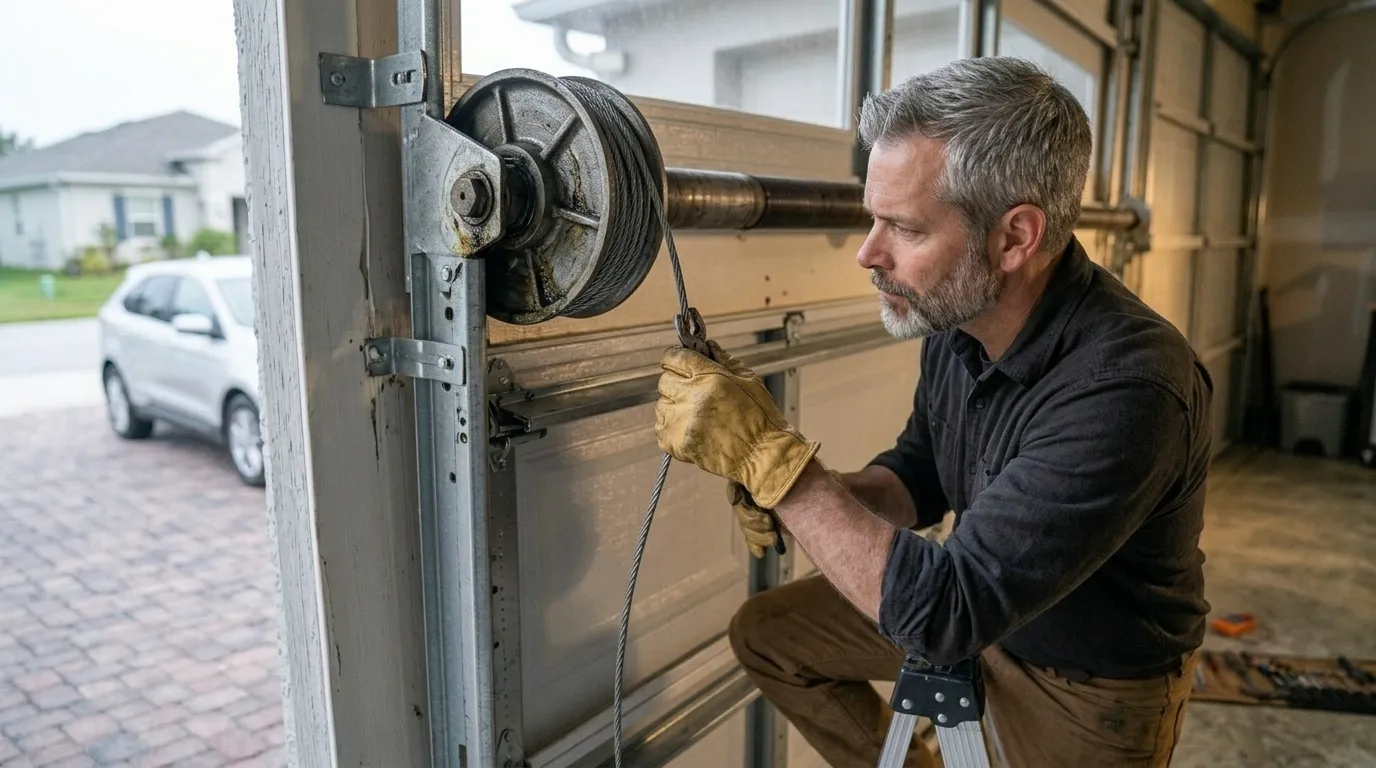
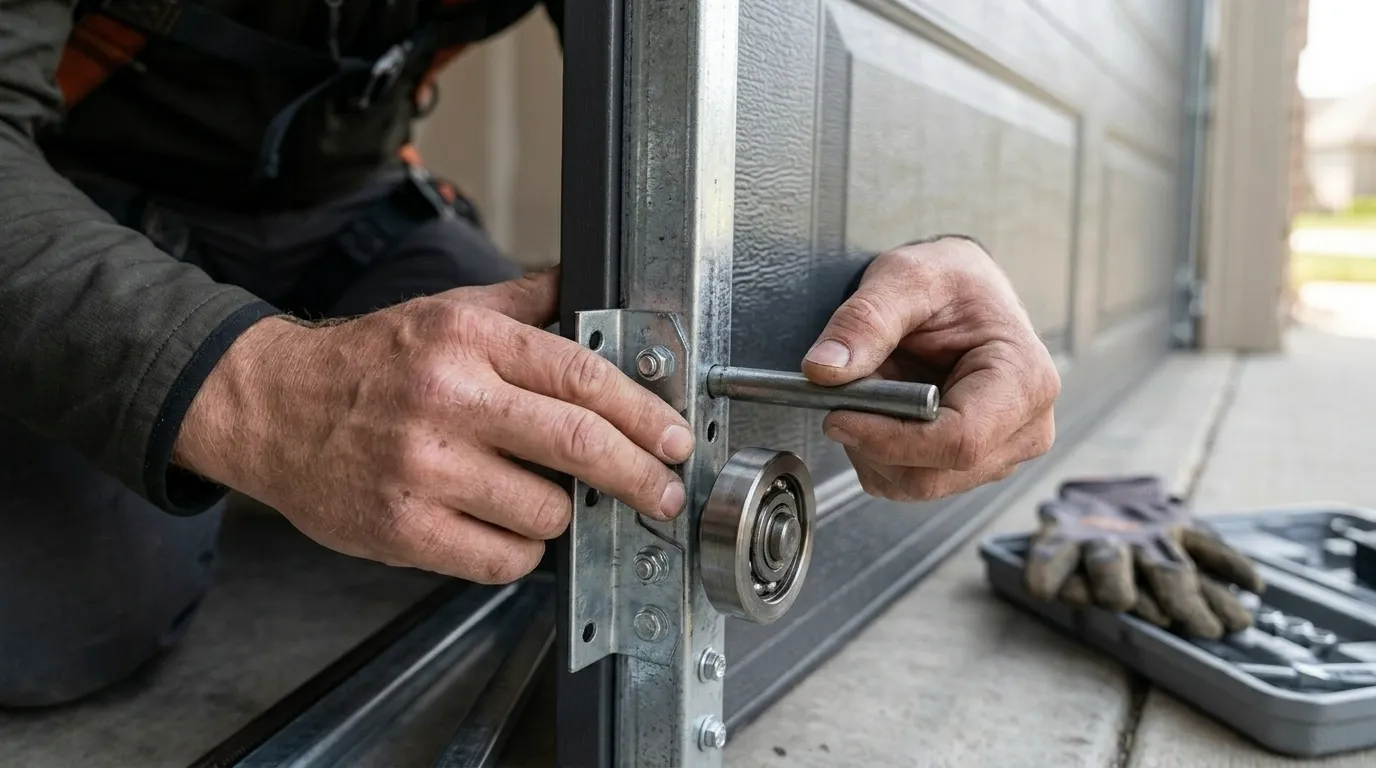
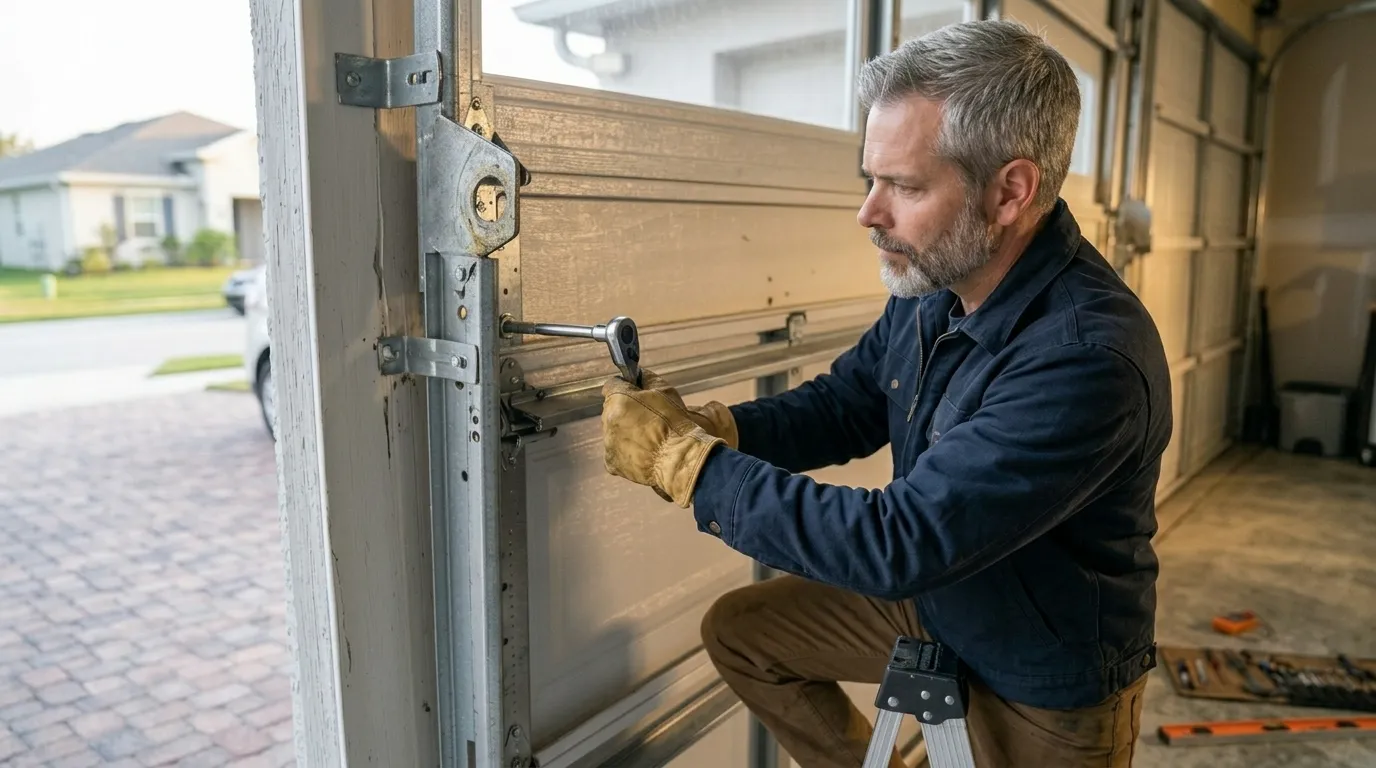
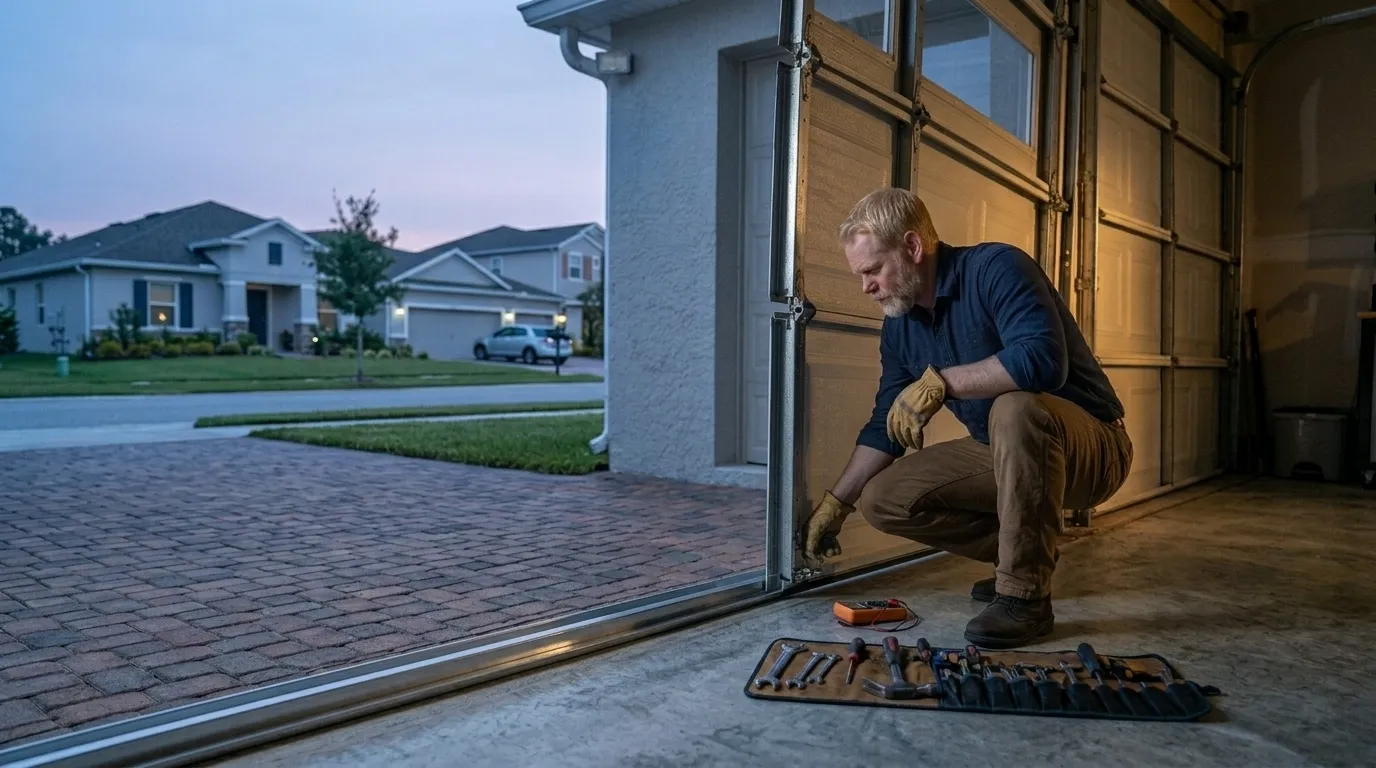
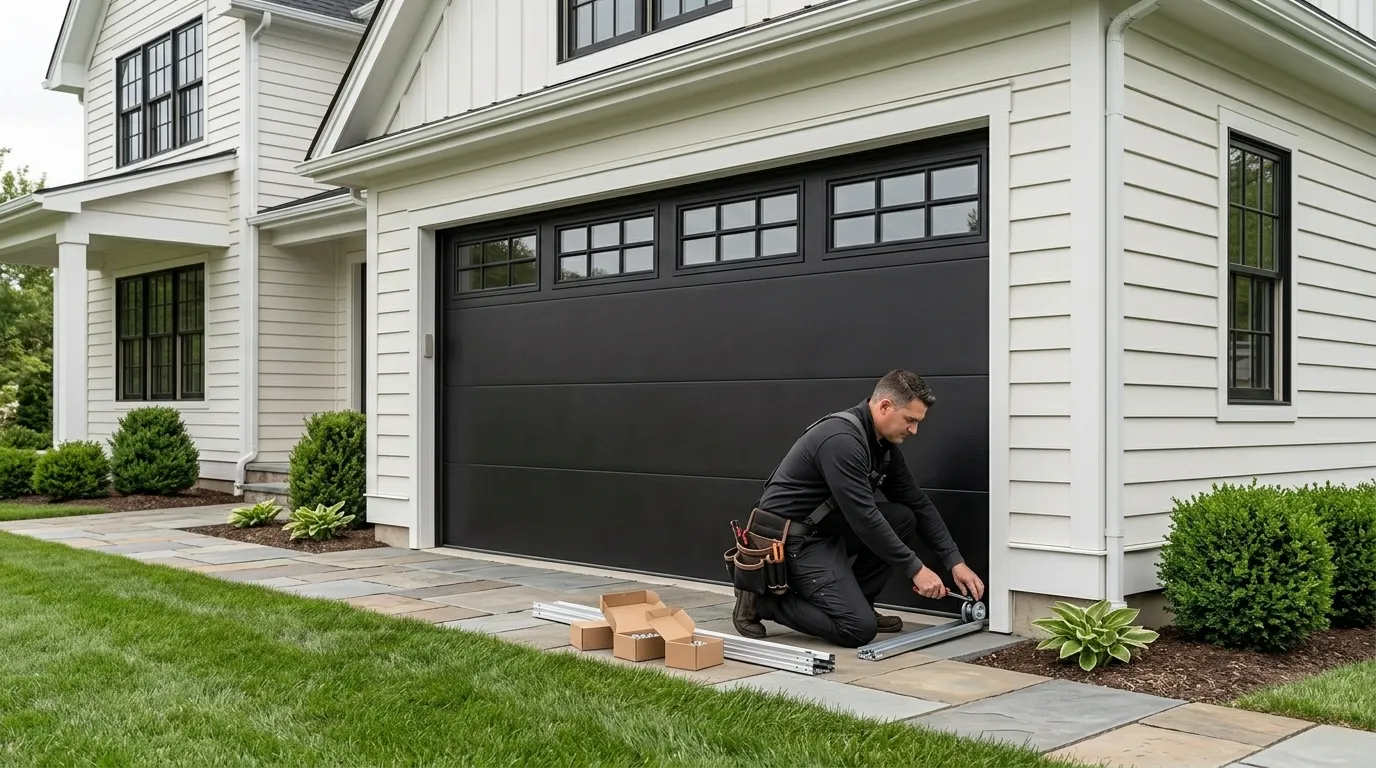
A door original to a 1972 build is usually a single-layer steel or wood panel door on a torsion or extension spring setup that predates the safety-cable standards common today. On these, the most frequent failures we see are cracked or rotted wood panels, worn extension springs without containment cables, and openers that have been replaced once already but are still bolted to original, undersized track. The service area sits in a cold-moderate climate band, which over 50 years means repeated freeze-thaw cycling on hardware and fasteners - lag screws back out, hinges loosen, rollers flatten. None of that is dramatic, but it adds up faster on original hardware than on anything installed in the last fifteen years. One honest limit: if a door's track and jamb hardware are original to a 1972 install, we may not be able to source an exact replacement part on the truck. Some of those components are long out of production, and a same-day fix sometimes means a full hardware swap rather than a single part.