The Houses Here
Machias is a small pocket - 471 households, with a median income of $127,043. That income level tends to track with steady maintenance rather than deferred repairs, which we see reflected in the calls we get: more opener upgrades and spring replacements on schedule, fewer full-blown emergency failures from doors run into the ground.
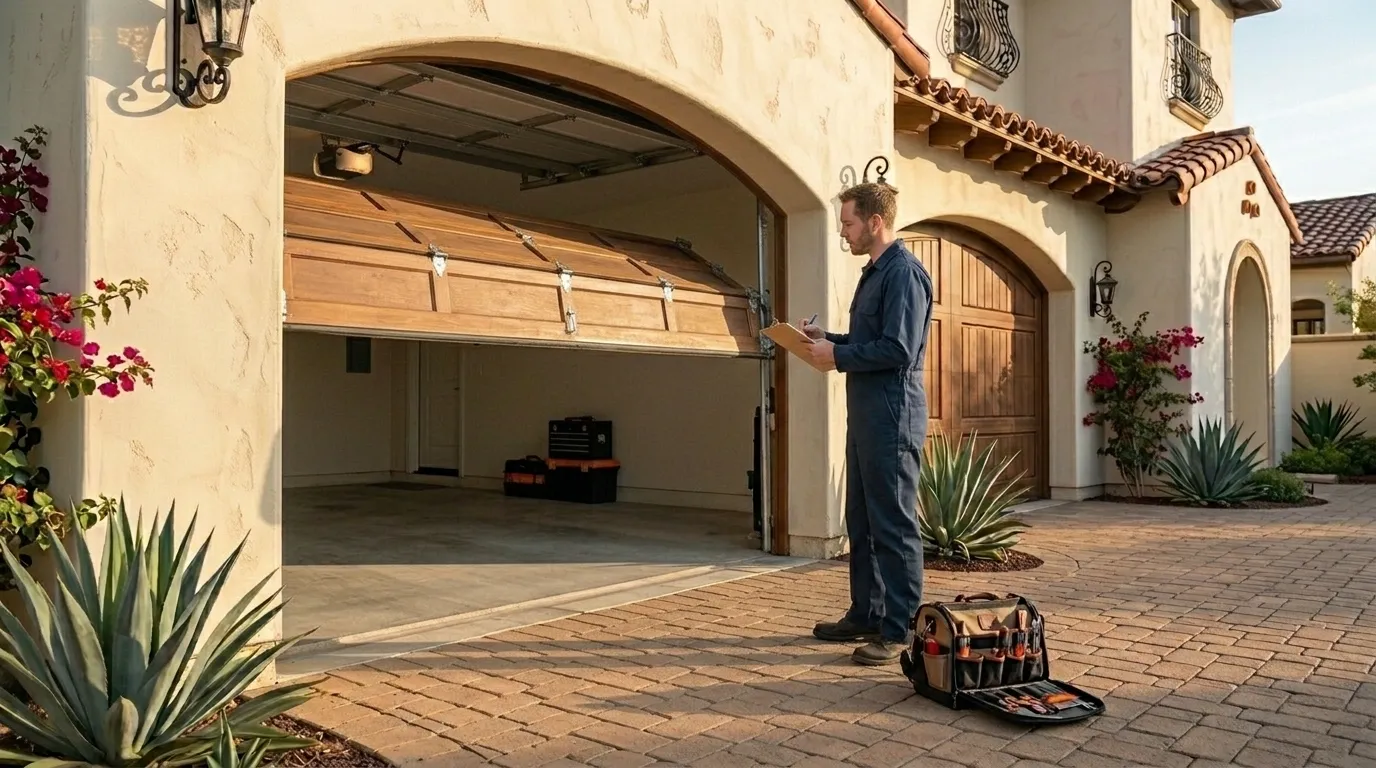
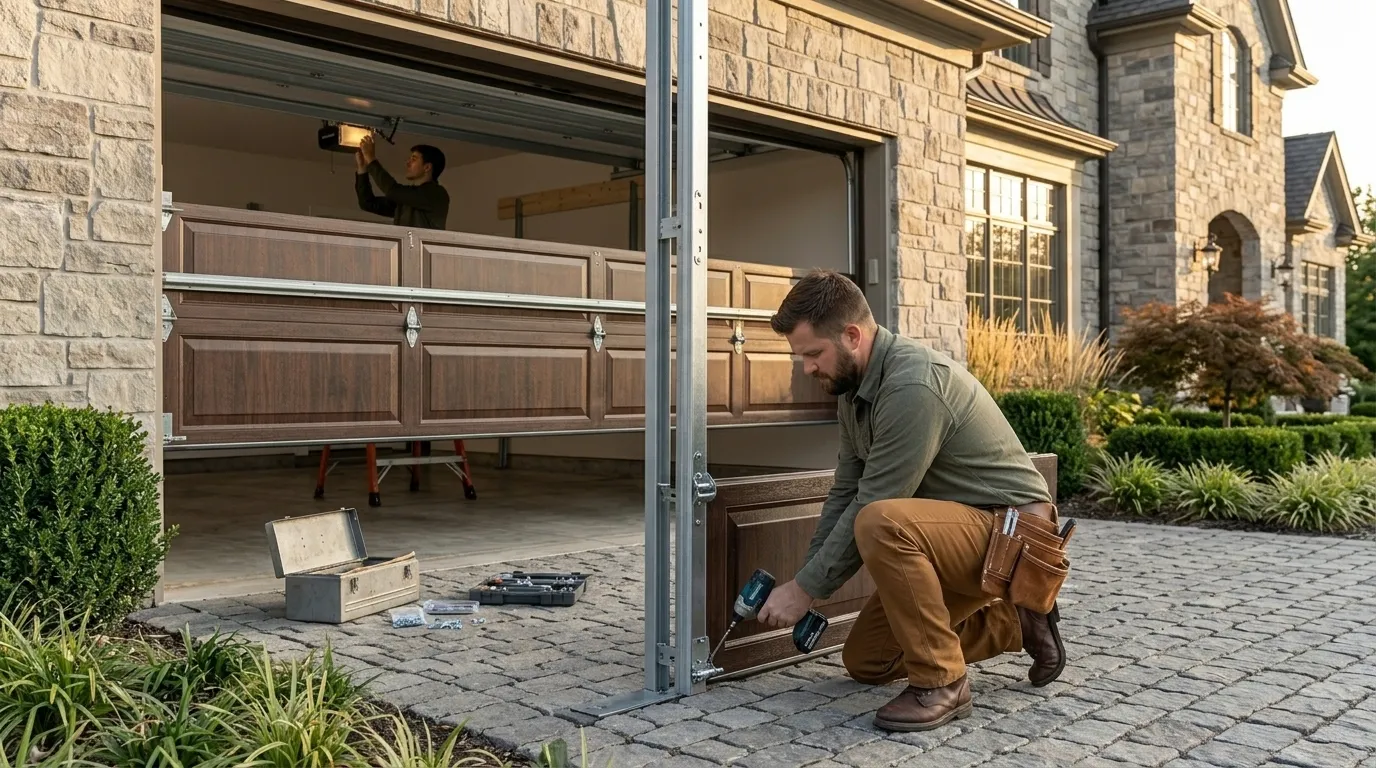
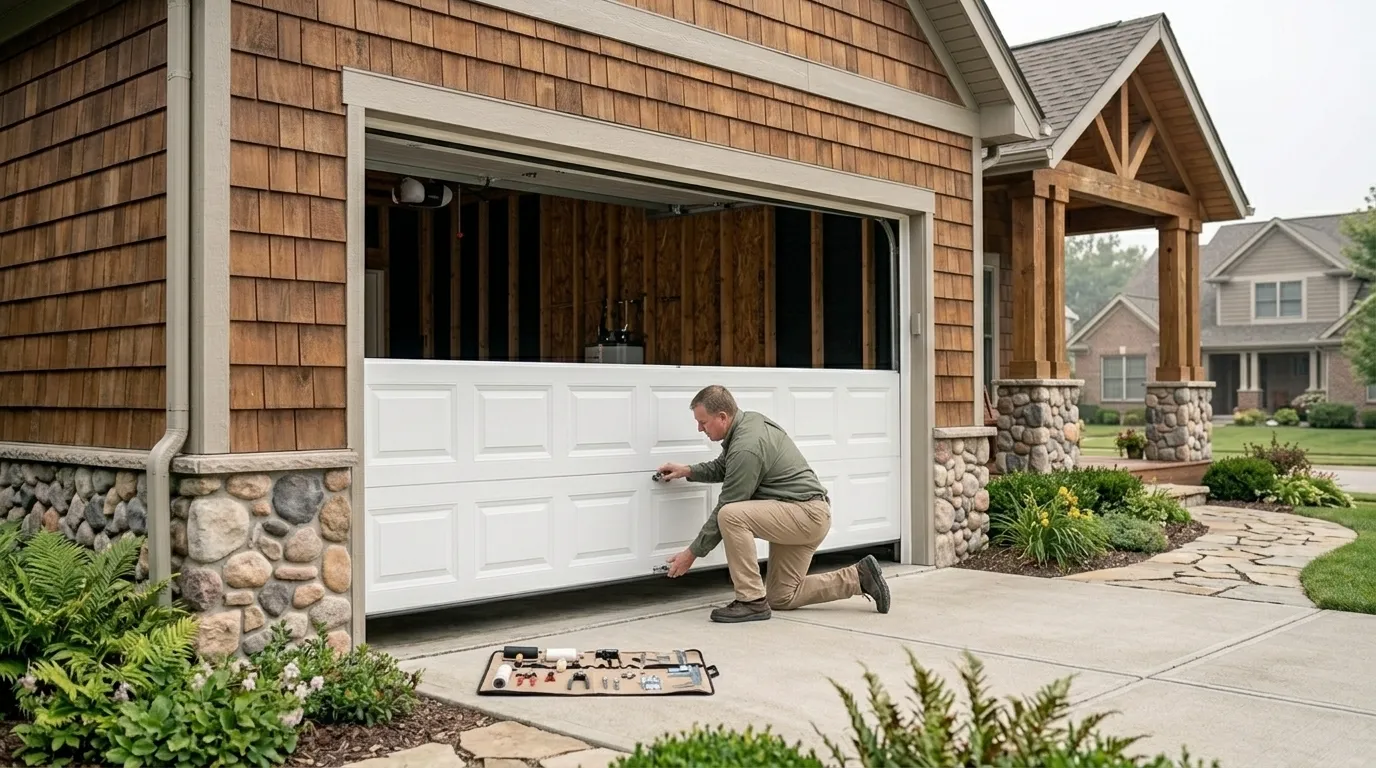
The housing itself, going by that 1983 median build year, is largely single-family stock from a period when garage doors were still commonly wood-panel or early steel, often with lighter-gauge tracks than what's installed today. Compare that to the broader service area's 1972-2000 range and 1991 median, and you can see Machias skews toward the older half of that window rather than the newer. It's not a huge town, but it's consistent - which makes it easier to know what we're likely dealing with before we get eyes on the door.
What the Housing Means for Your Door
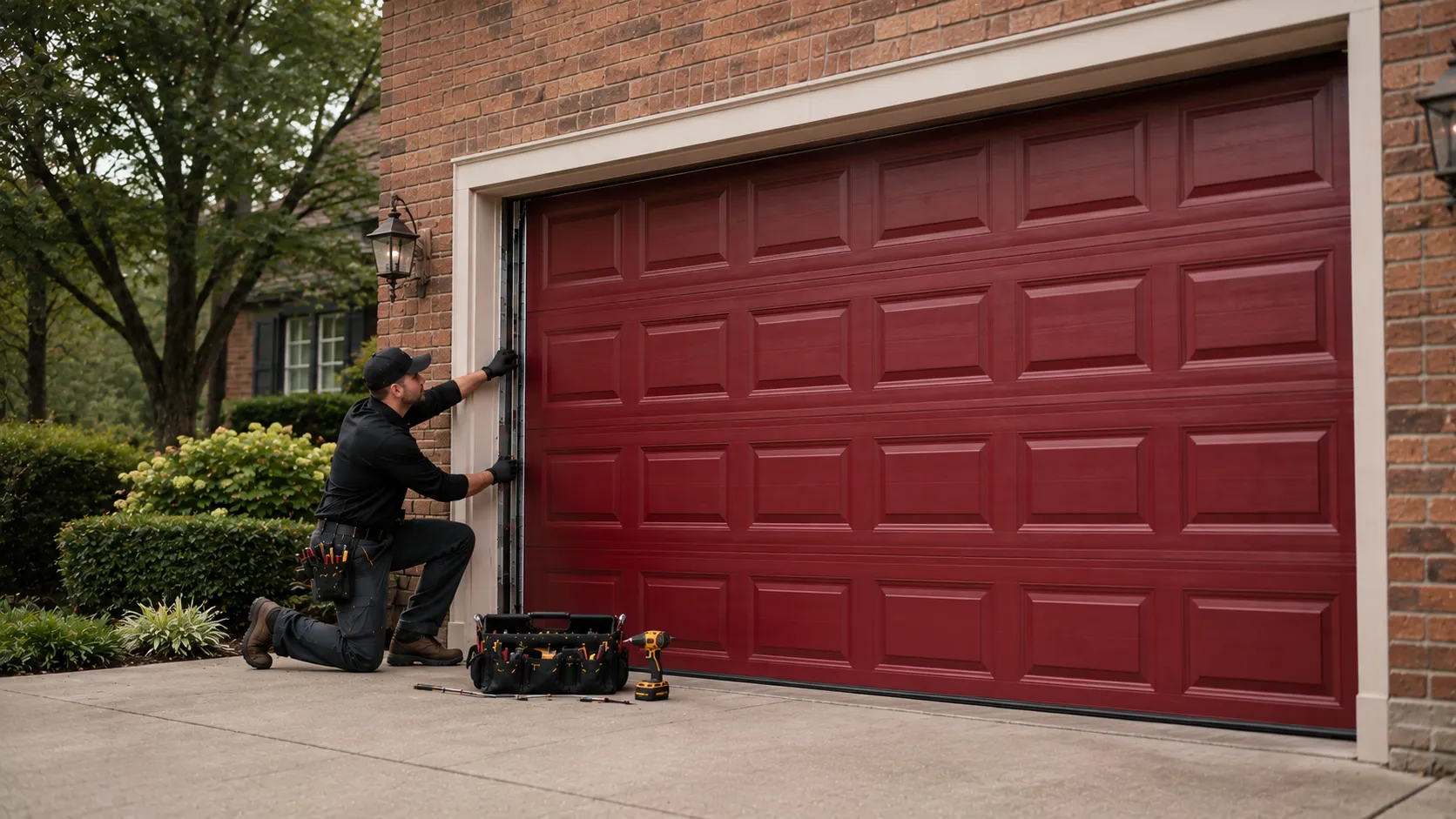
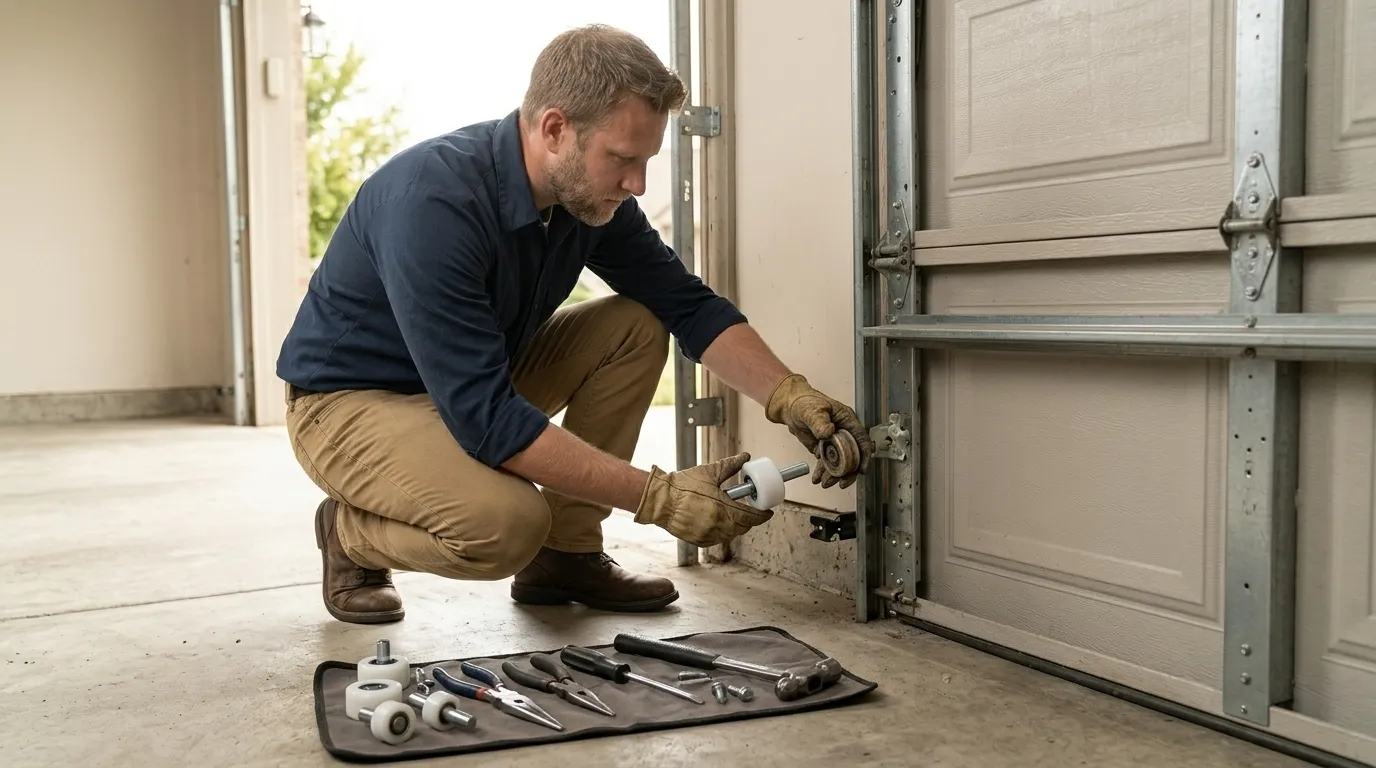
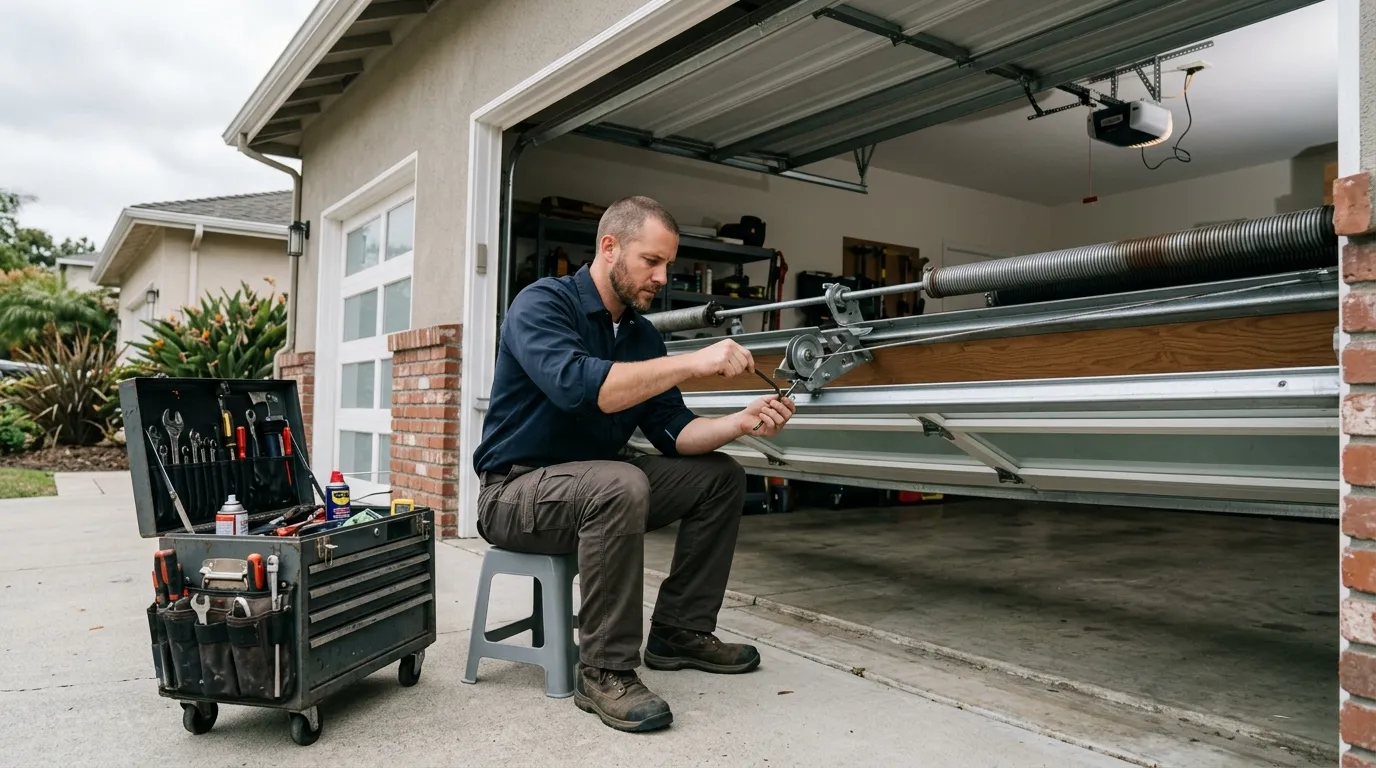
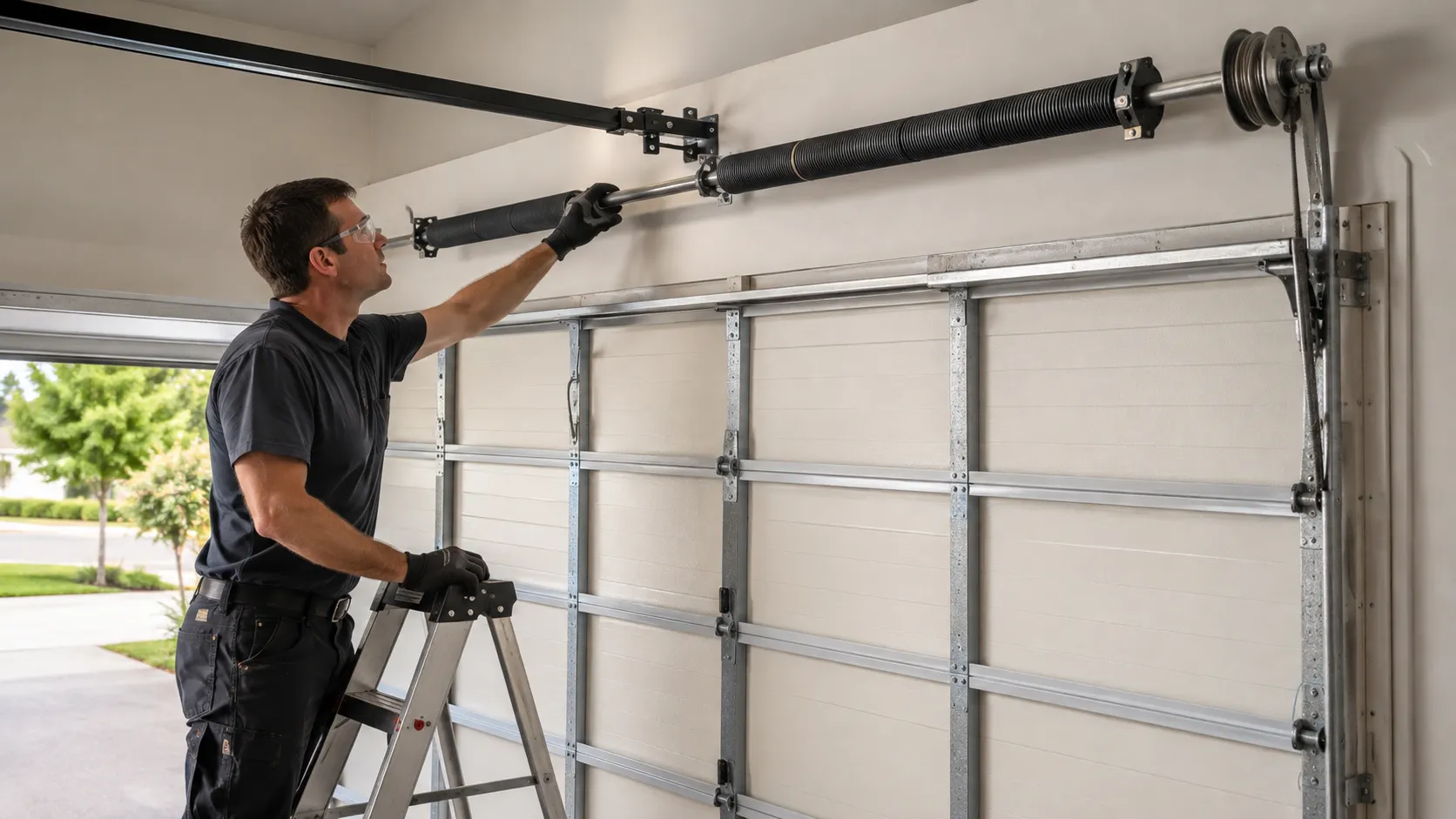
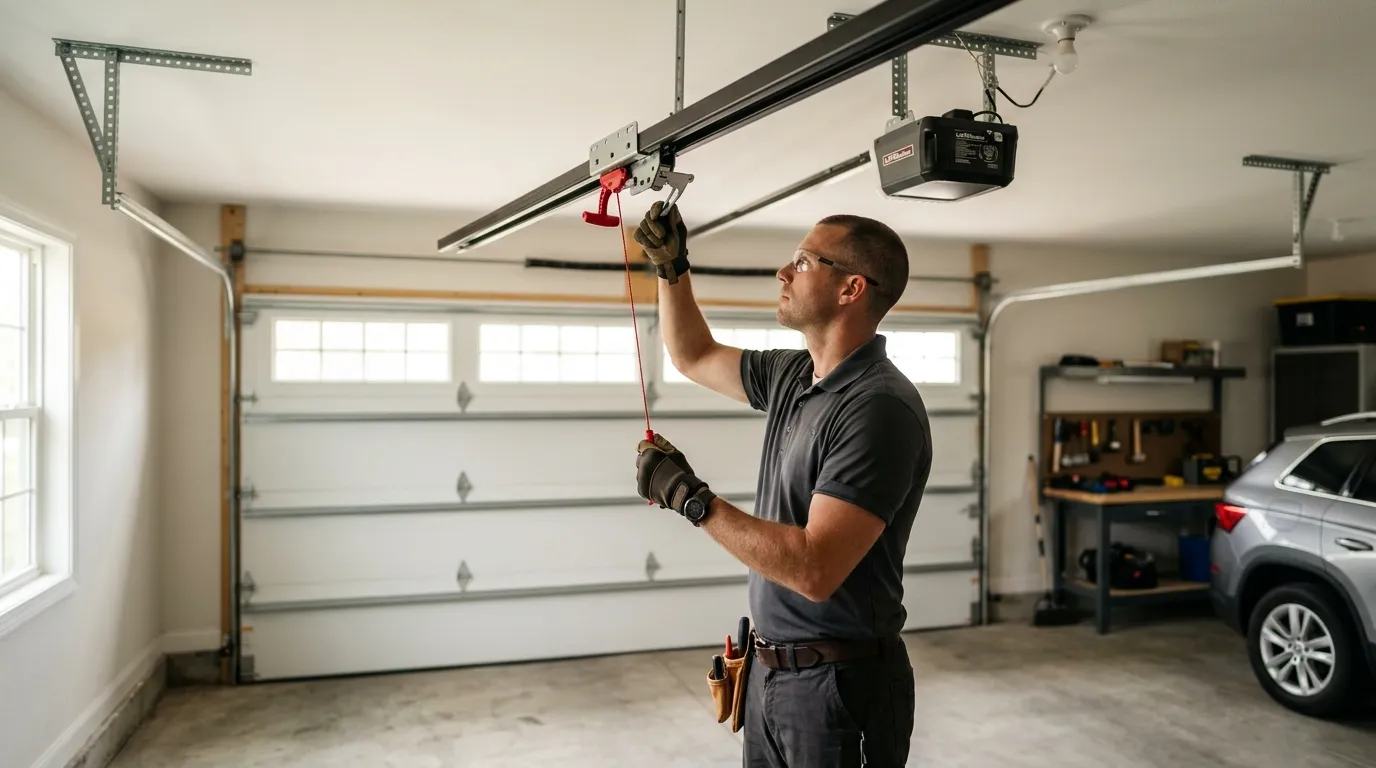
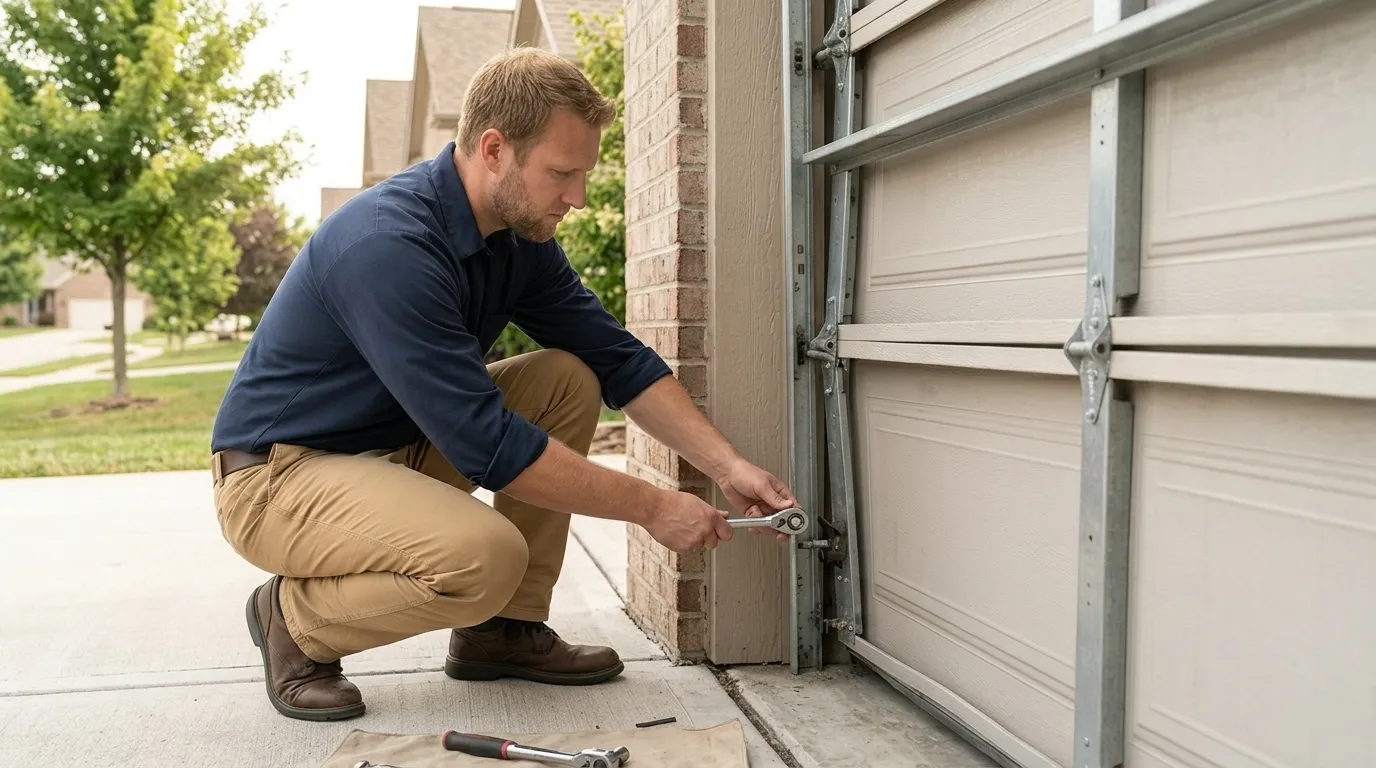
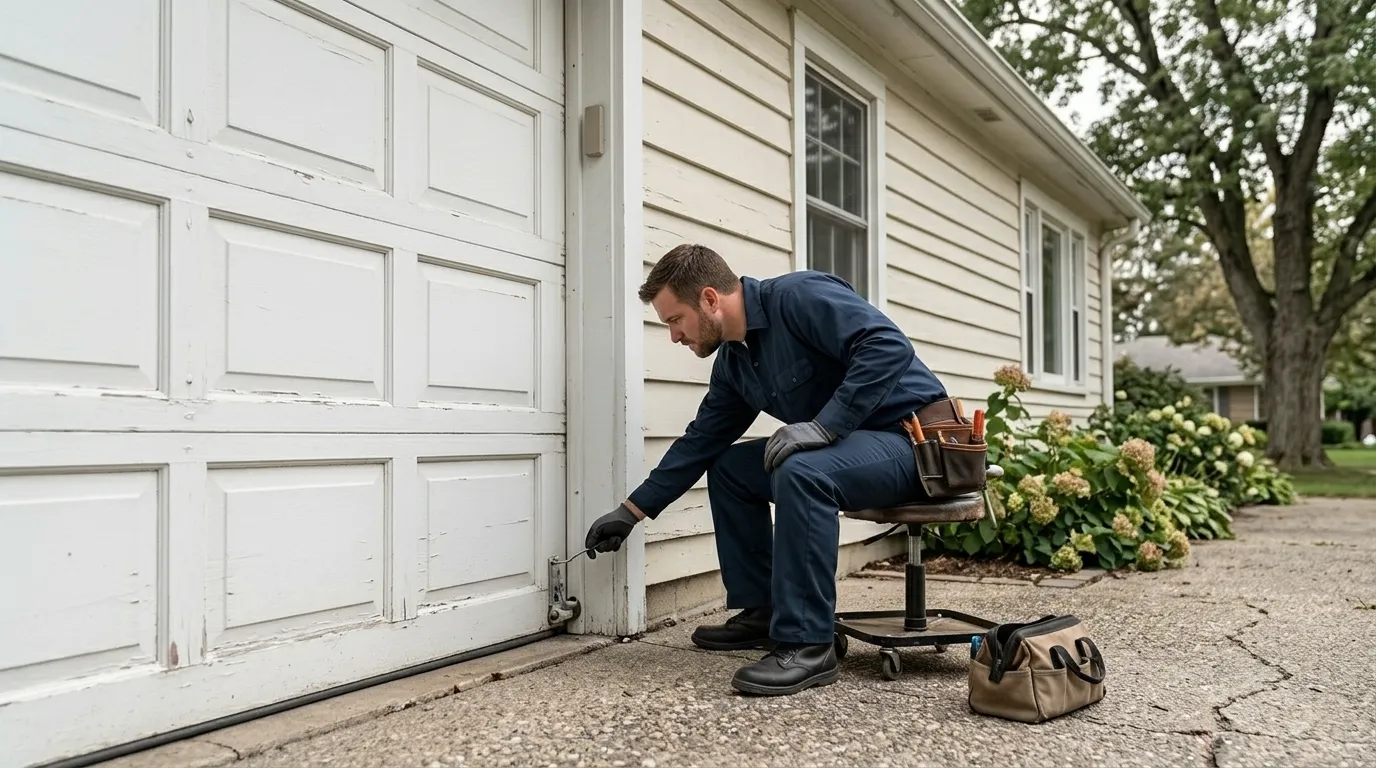
A door installed in 1983 has almost certainly been through at least one spring replacement already, sometimes two, depending on cycle count. What we watch for on these houses is original track alignment that's shifted over four decades of seasonal wood movement, plus openers that are on their second or third motor but still riding the original rail.
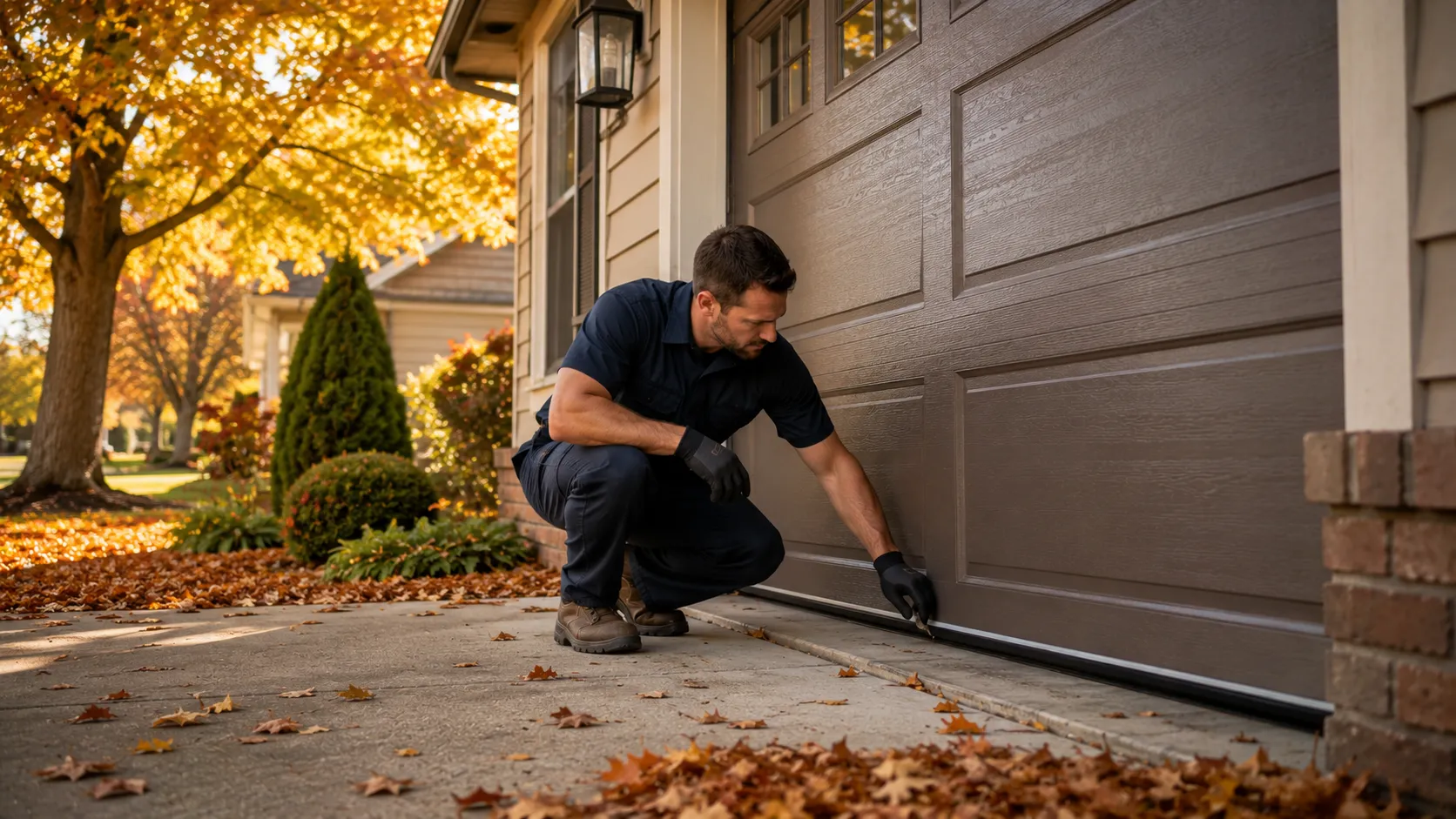
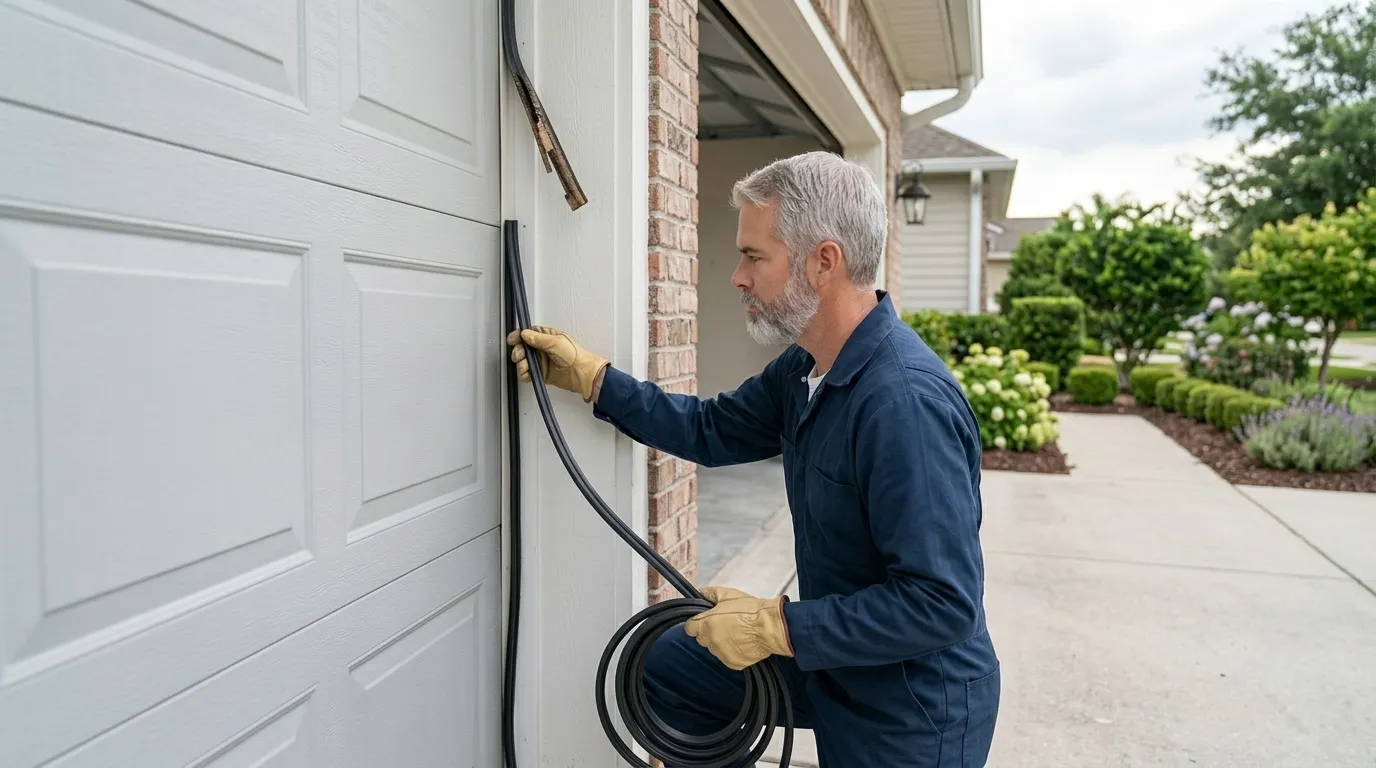
Our region falls into a cold-moderate climate band, and on a door this age, that means the weatherstripping and bottom seal have usually hardened past the point of doing much good - not a dramatic failure, just a slow one. We'll tell you straight if a repair on a door this old is worth doing or if you're better off replacing the whole unit; patching a 1980s door with parts that don't quite match its hardware sometimes costs more over two years than a new door would.