The Houses Here
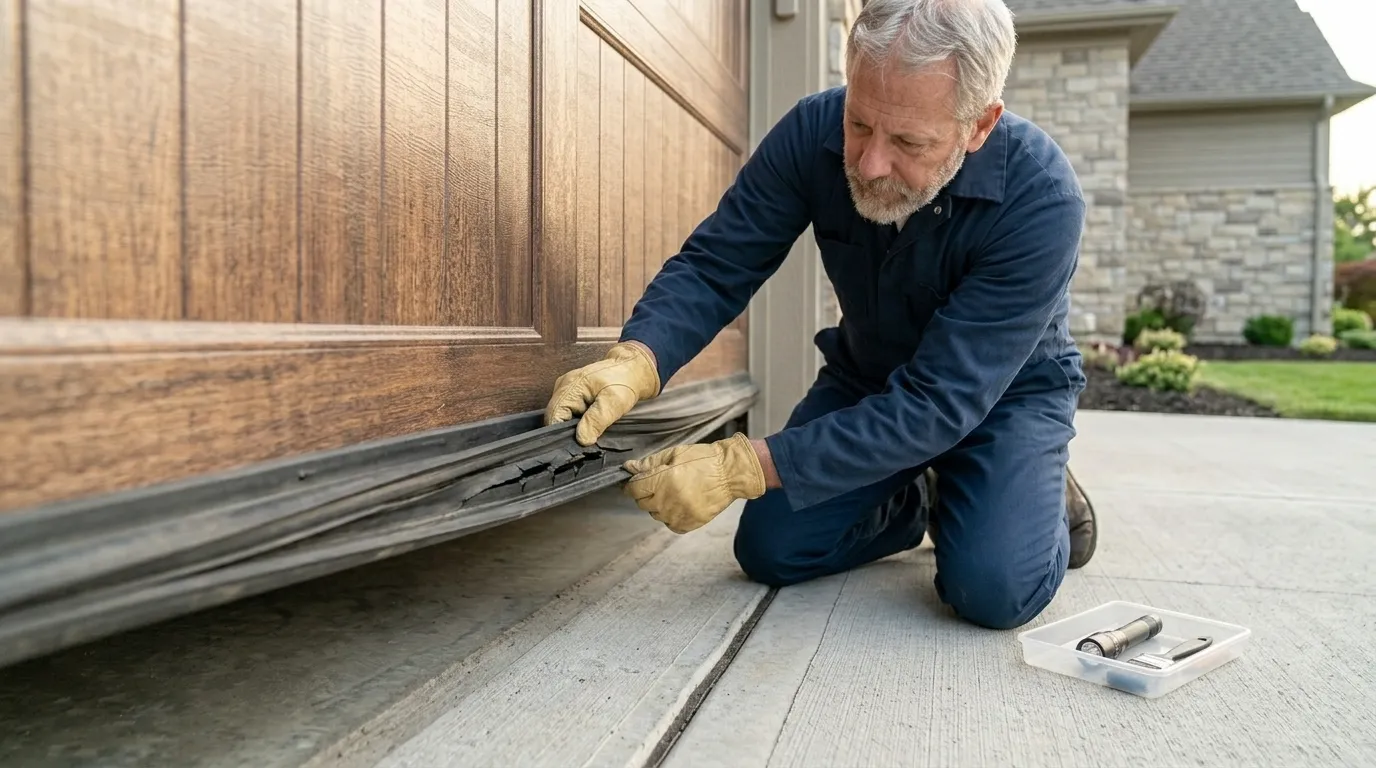
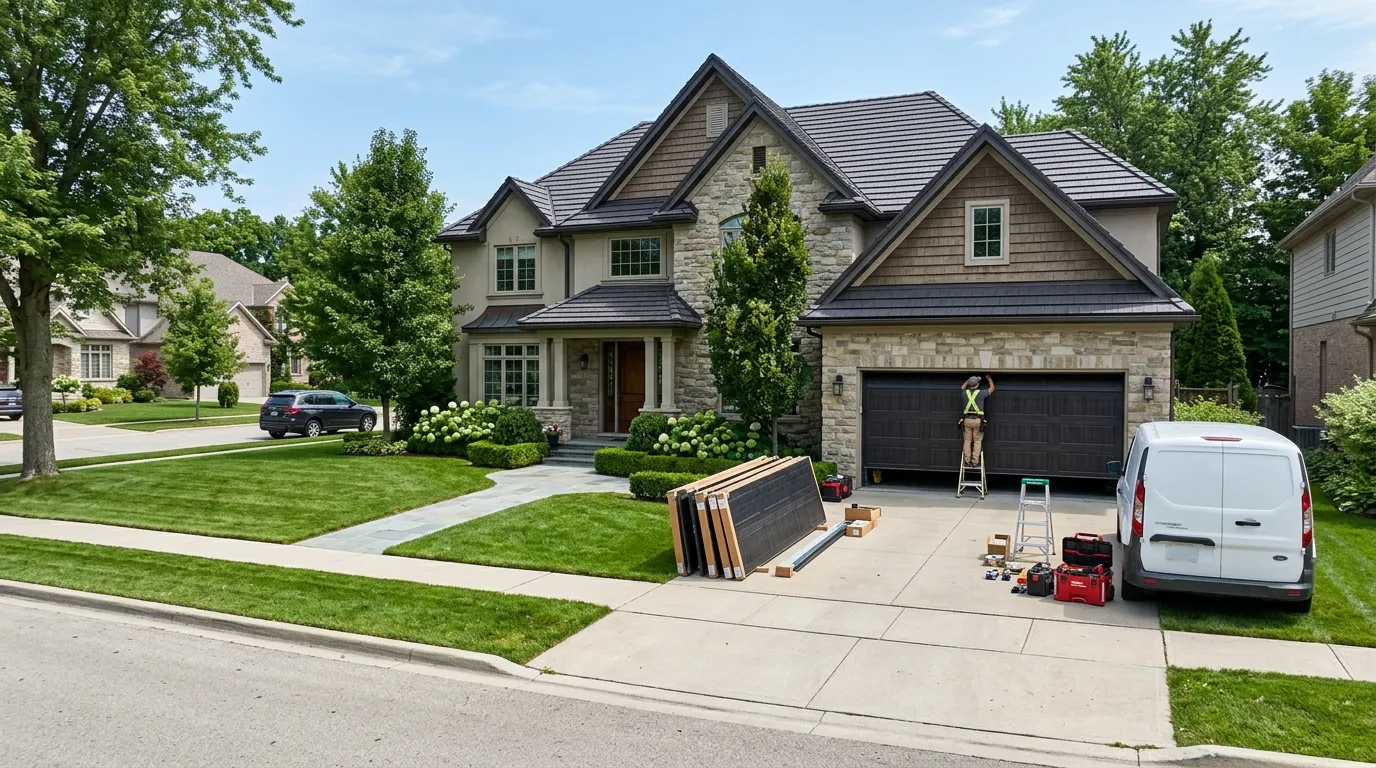
With roughly 6,113 households in the Monroe area and median household income near $107,556, this isn't a neighborhood of custom-built garages - it's mostly production housing from a single building wave. That matters for parts. A door hung in 1996 uses different spring wind and drum sizing than one from 1985, and opener brands popular in that window aren't always the same ones still on shelves today. The upside of a tighter build era is consistency: once we've matched the spring cycle rating and drum size on one house in a development, the next call on the same street usually goes faster. The area sits in the cold-moderate climate band, so insulation and weatherstripping wear at a normal Pacific Northwest pace - not the fast degradation you'd get somewhere with real freeze-thaw swings, but steady enough that seals from the original install are usually done by now.
What the Housing Means for Your Door
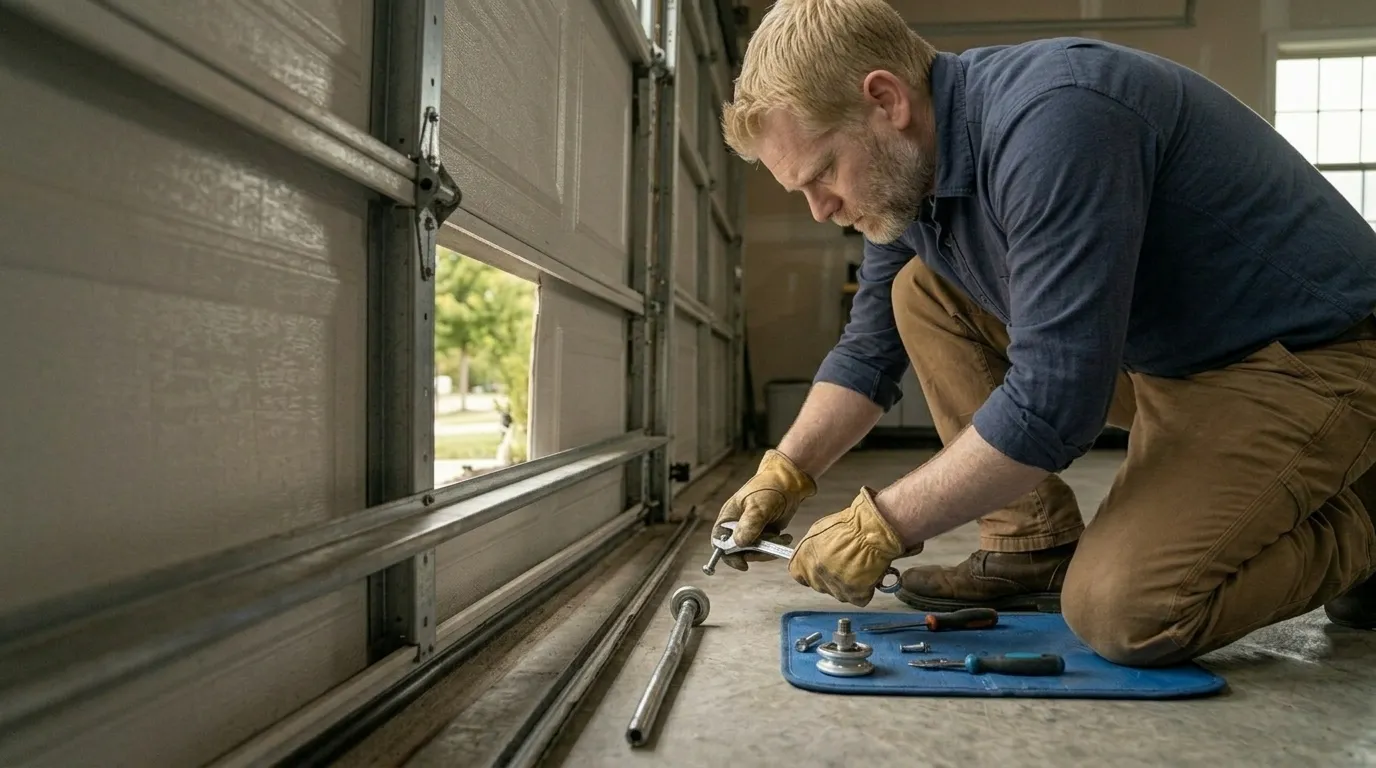
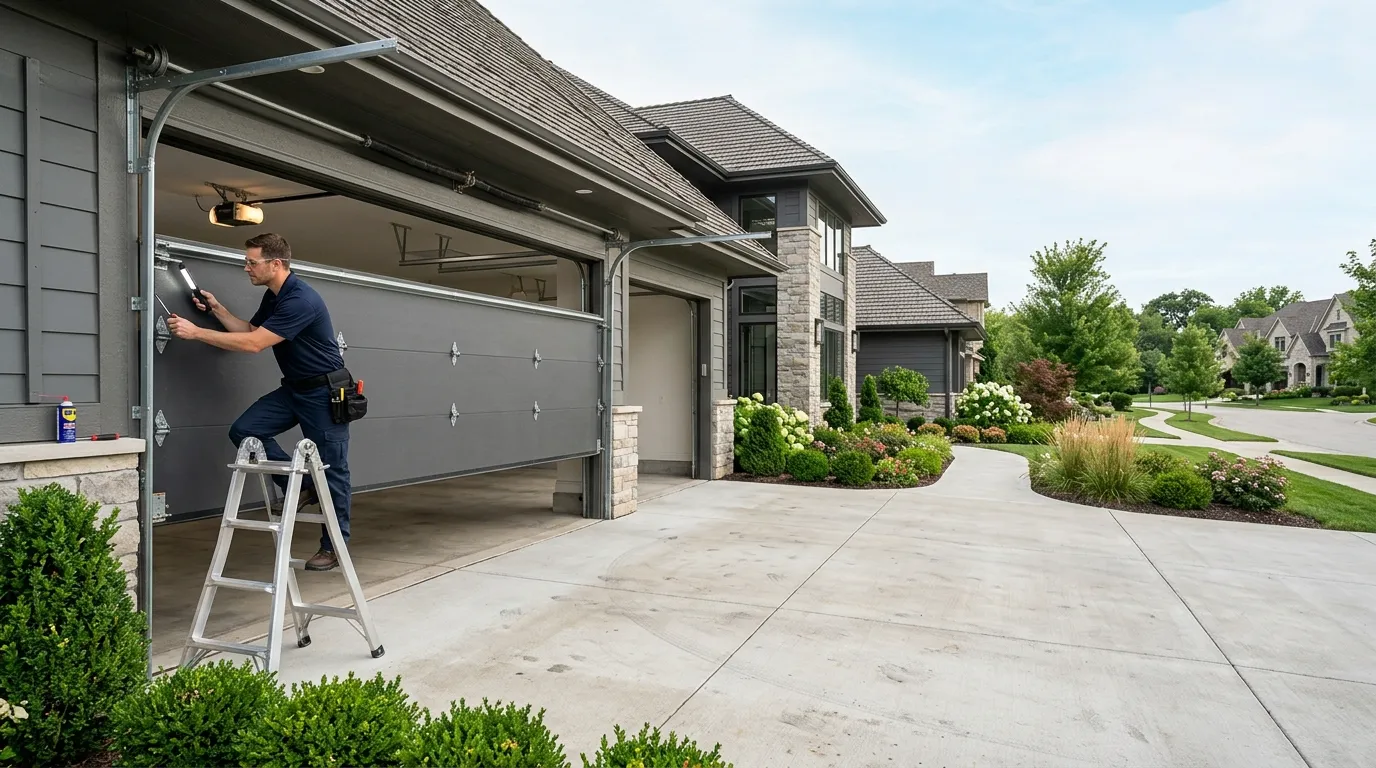
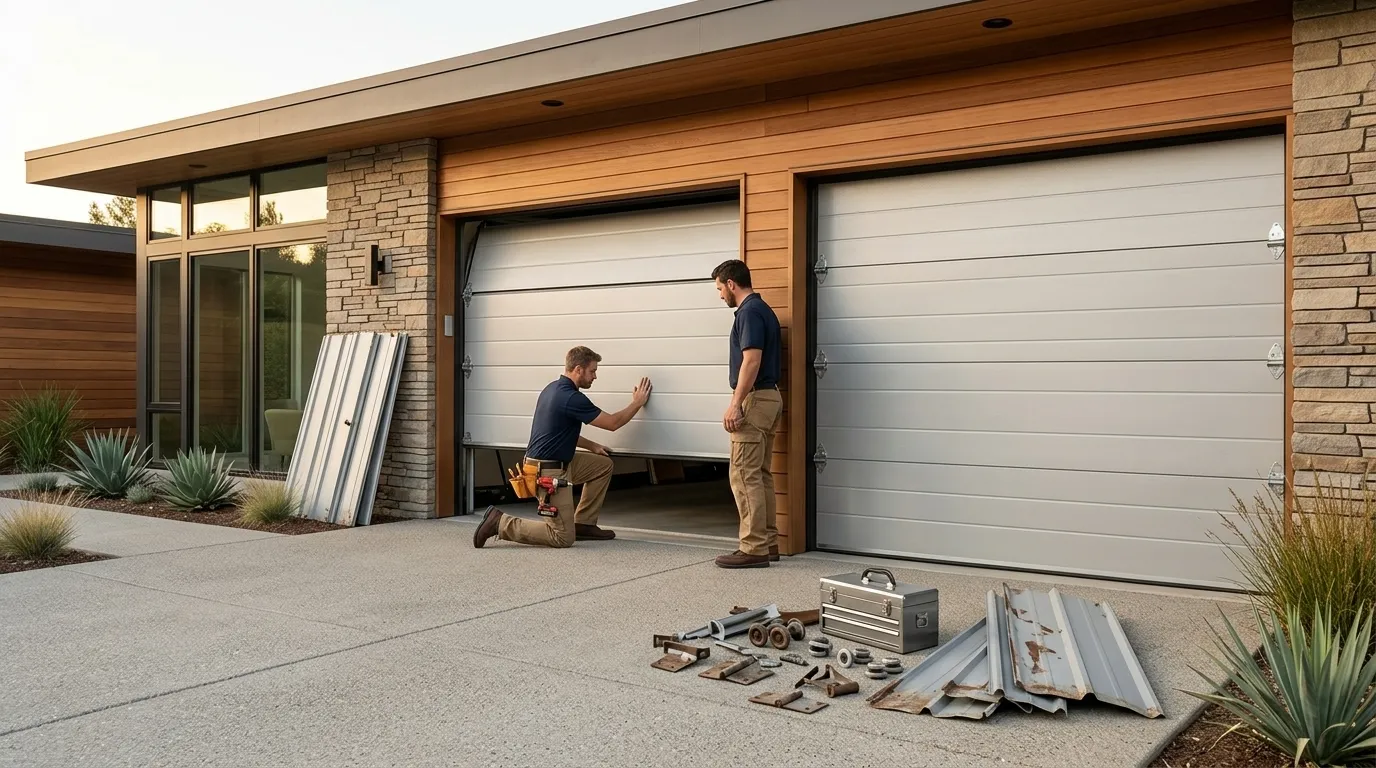
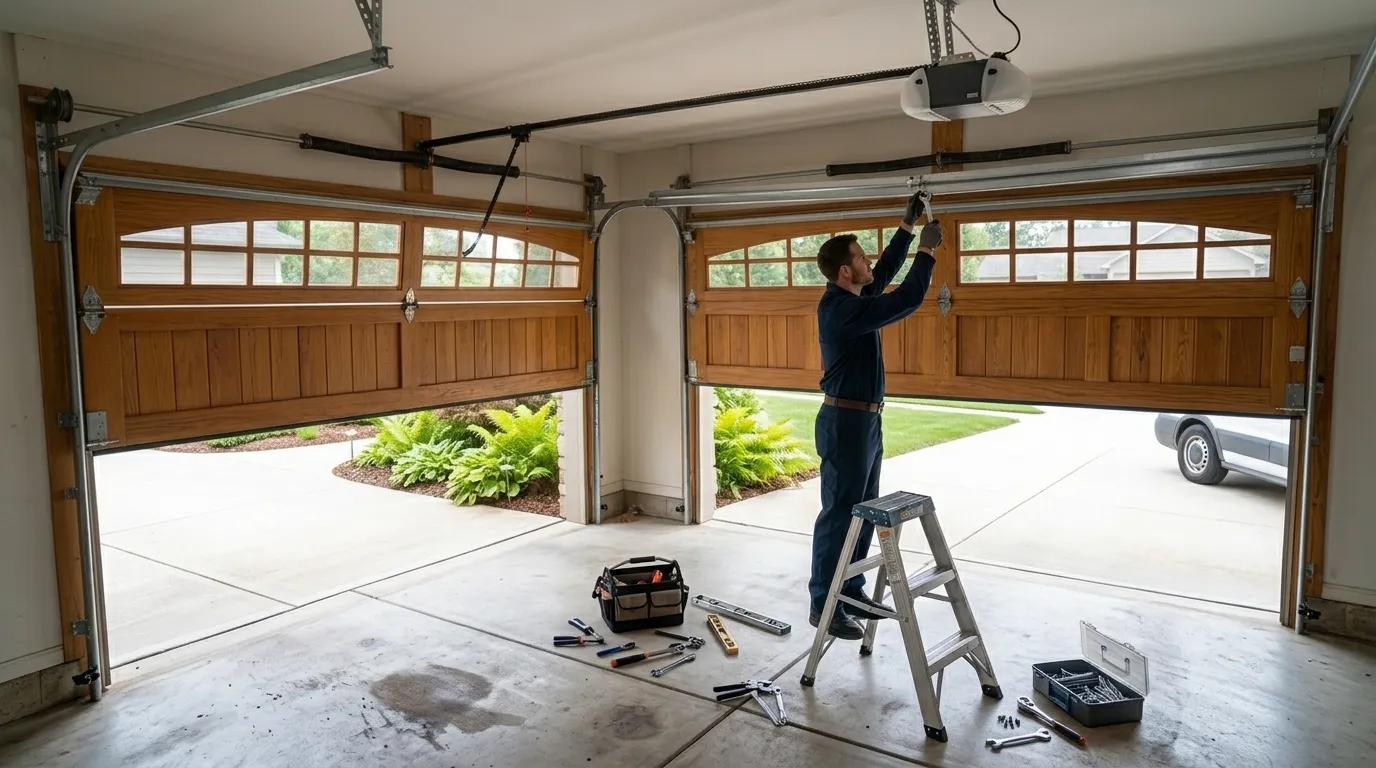
A door from a 1996 build is old enough that its torsion spring has likely gone through several thousand cycles and is due, but young enough that we're not fighting obsolete track hardware or non-standard opener rail lengths. Expect broken torsion springs, worn rollers, and openers with dying circuit boards or stripped gears rather than the exotic failures you get on much older doors. One honest limitation: if your house is one of the older outliers built before that mid-90s wave, we may need to order a spring or drum that isn't a stock size - that can add a day or two versus the standard parts we carry for the typical Monroe-era door. We'd rather tell you that up front than promise a same-visit fix we can't back up.