The Houses Here
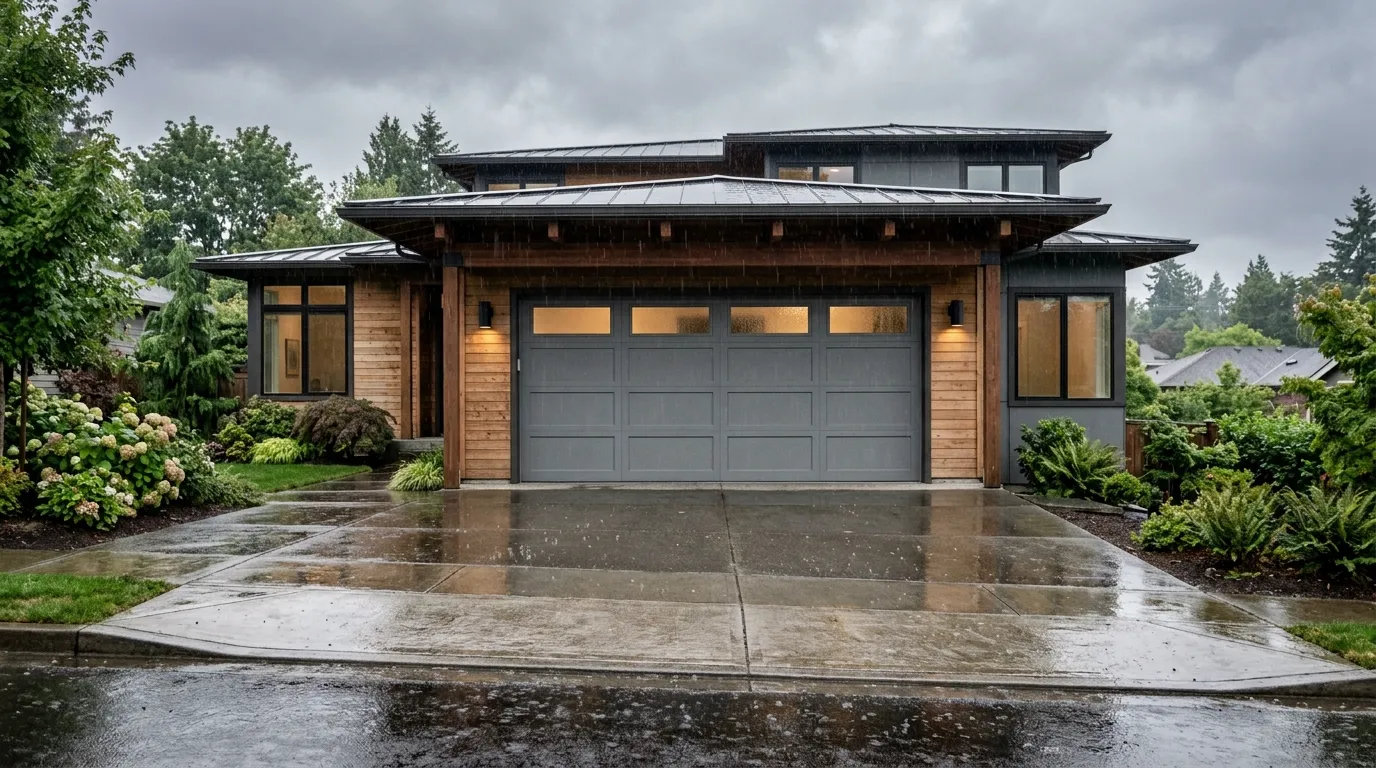
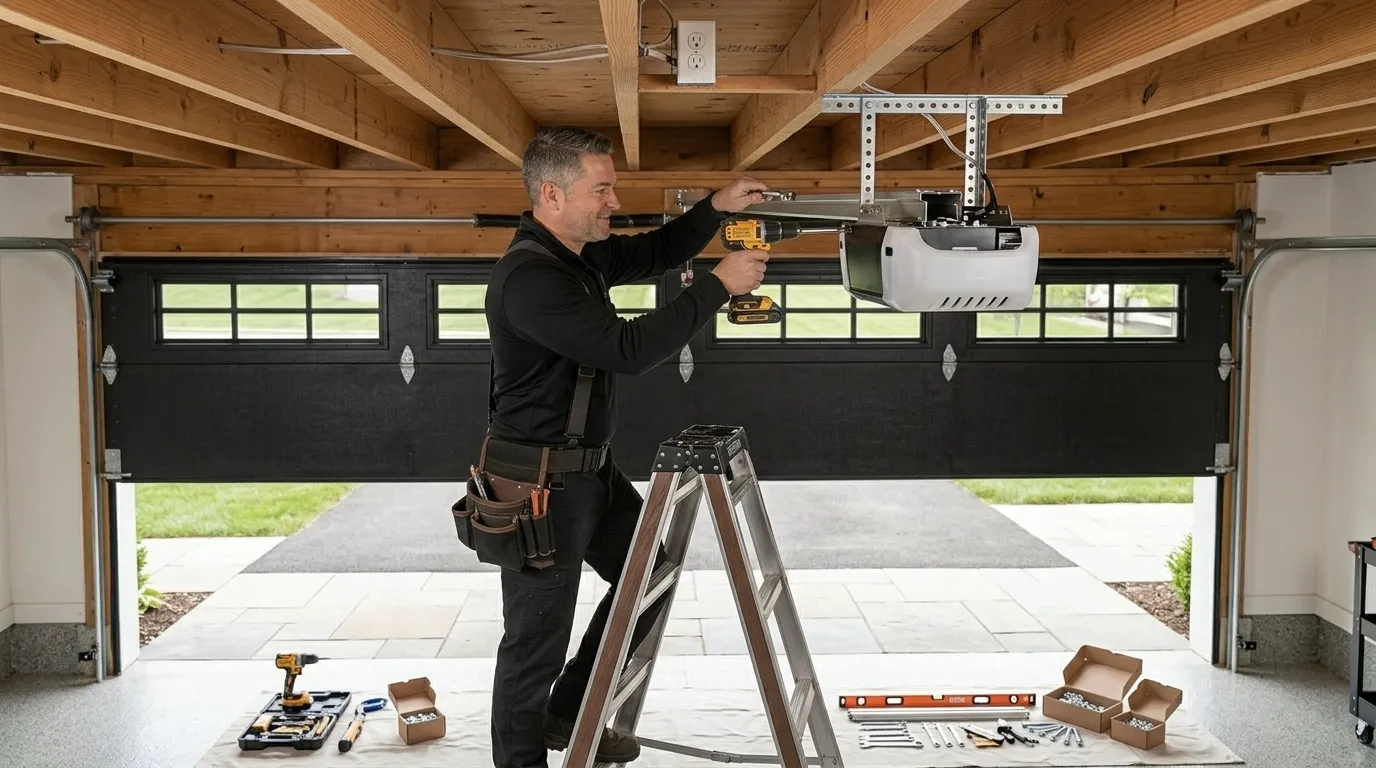
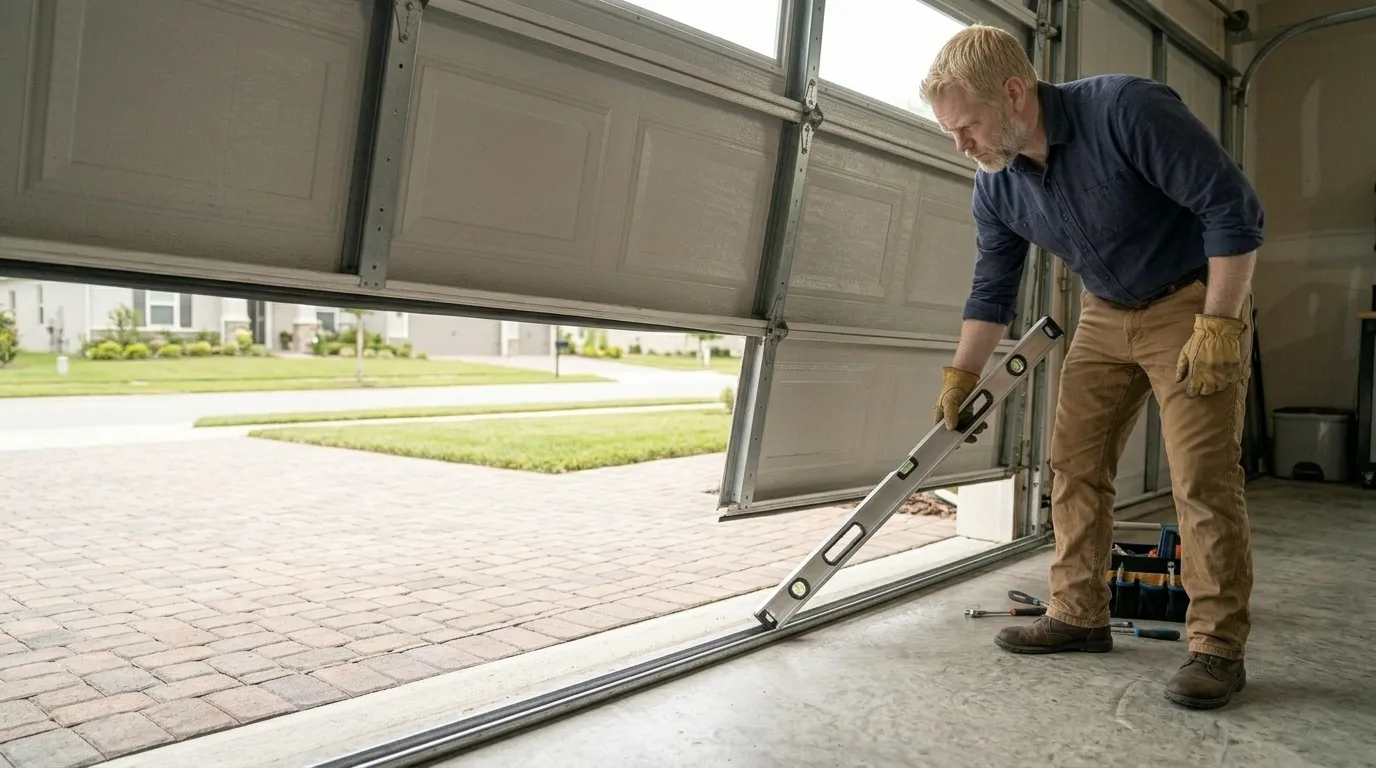
A house built around 1980 usually shipped with a single-layer steel door, no foam core, and a pair of stretched extension springs mounted along the horizontal track rather than a torsion bar over the header. Openers from that era were chain-drive units with simple limit switches, and a lot of them have been replaced once or twice since. What tends to survive longest is the track and the door slab itself, especially if it's been kept painted and out of standing water. Compare that to houses built in the late 1990s elsewhere in the service area, which more often came with torsion springs and insulated sandwich-panel doors from the factory. Picnic Point sits closer to the older end of that spread, so repair calls here skew toward spring and track work rather than opener-board electronics.
What the Housing Means for Your Door
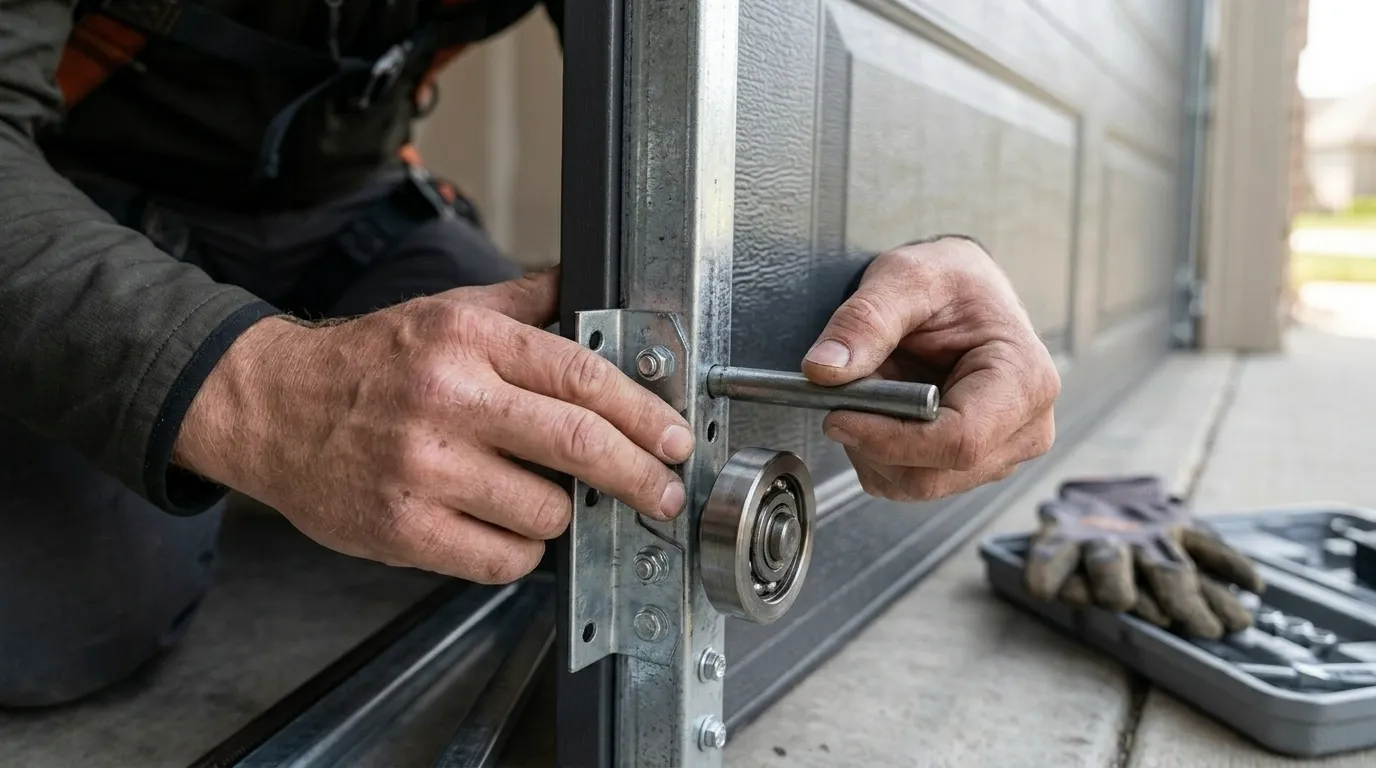
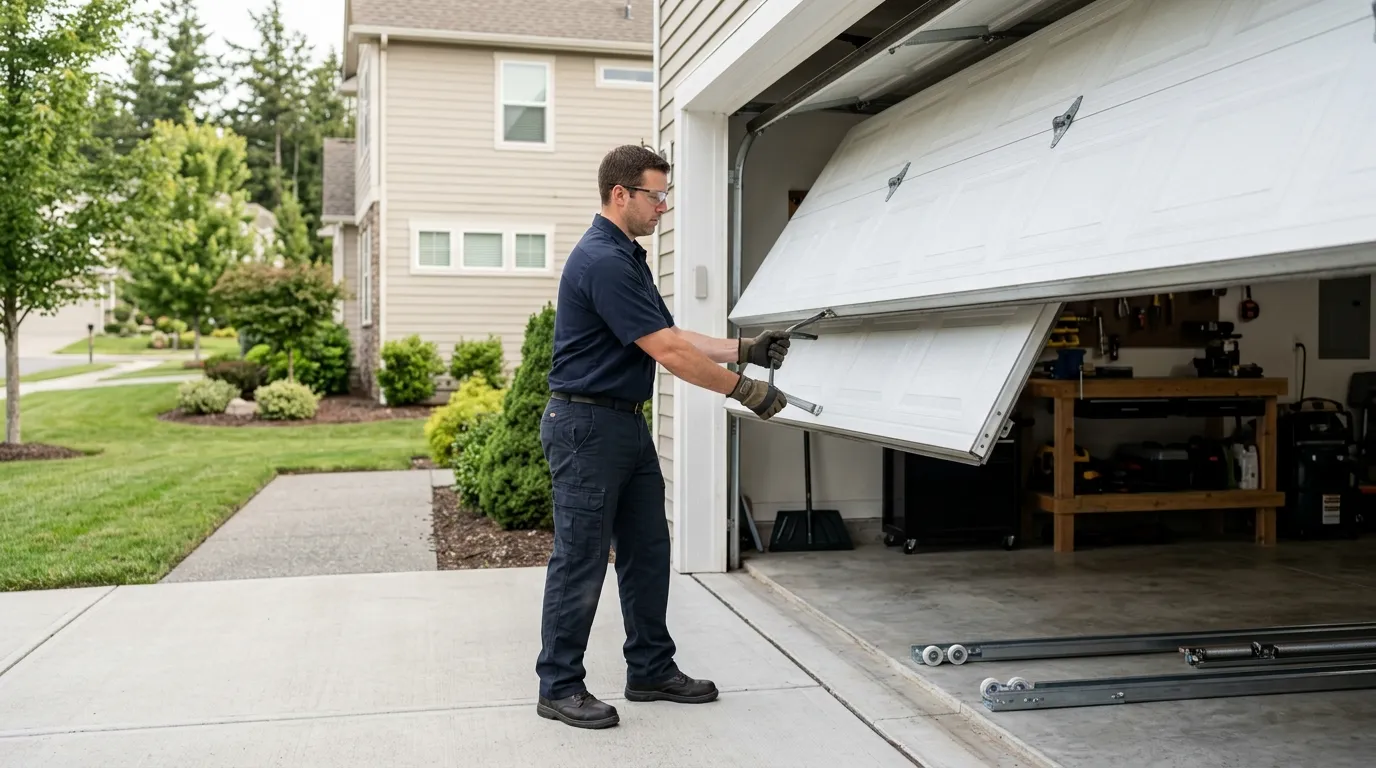
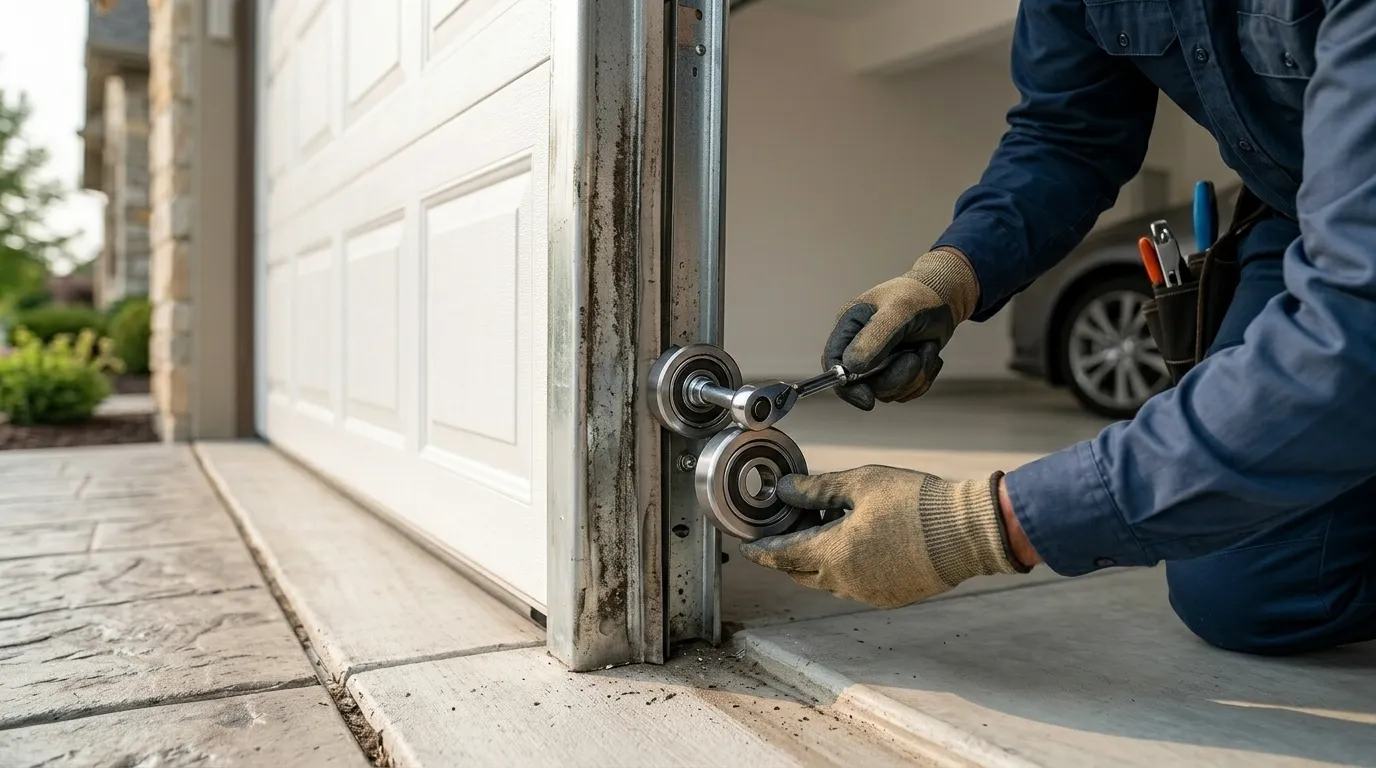
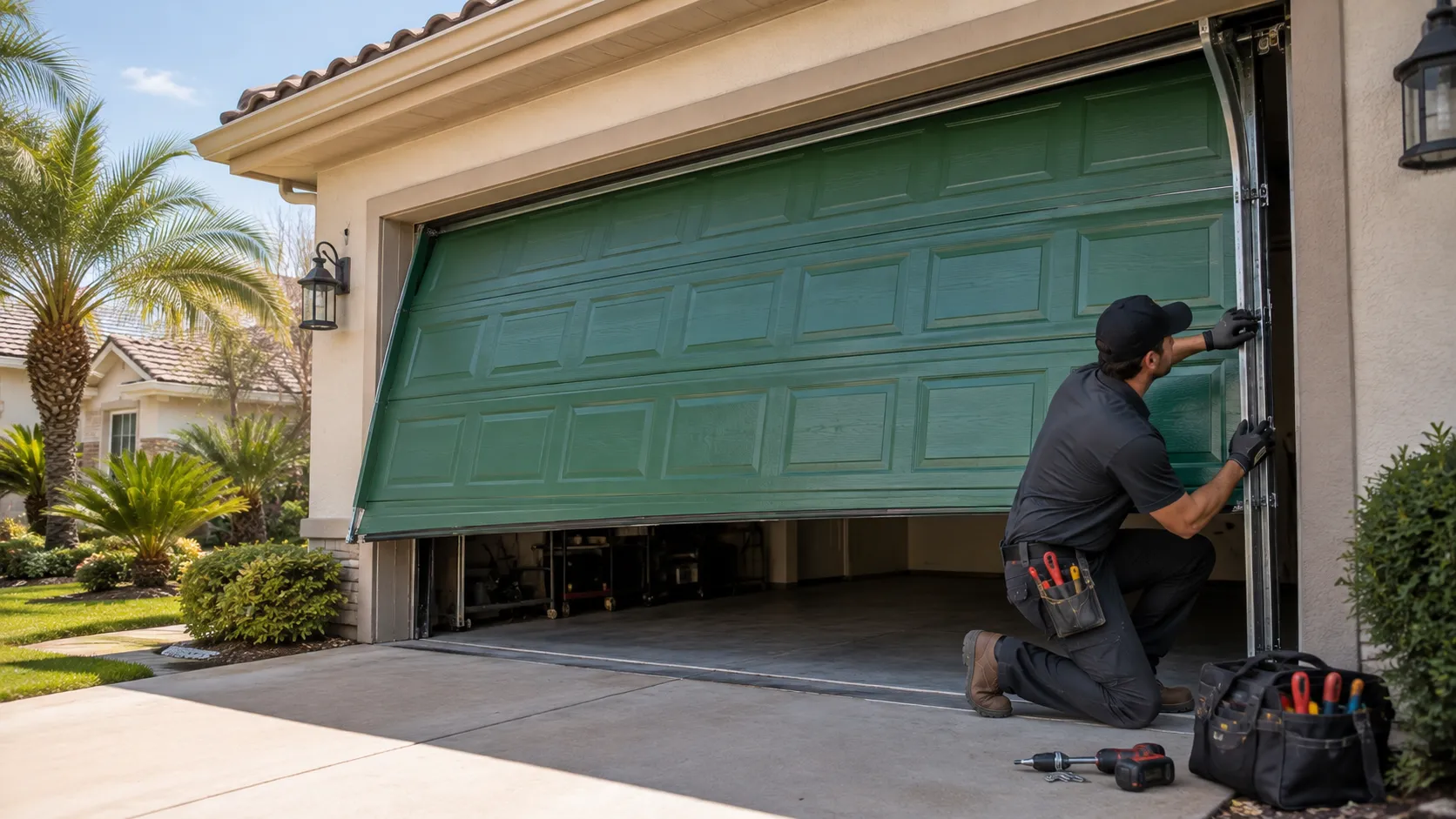
This is a cold-moderate climate area, and forty-plus years of damp winters is hard on exposed hardware. Extension springs on a 1980-vintage door are past their expected cycle count by now in most cases, and the galvanized coating on original rollers and hinges is often worn through to bare metal. That combination is why broken springs and seized rollers are the calls we get most from this part of the coverage area. One honest limitation: if the door panel itself is the original steel slab from 1980, replacement parts for that specific profile are frequently discontinued, and a spring or roller swap on a door that's otherwise failing at the seams isn't always worth doing. In that situation we'll tell you straight that a full door replacement costs less over five years than another round of patch repairs.