The Houses Here
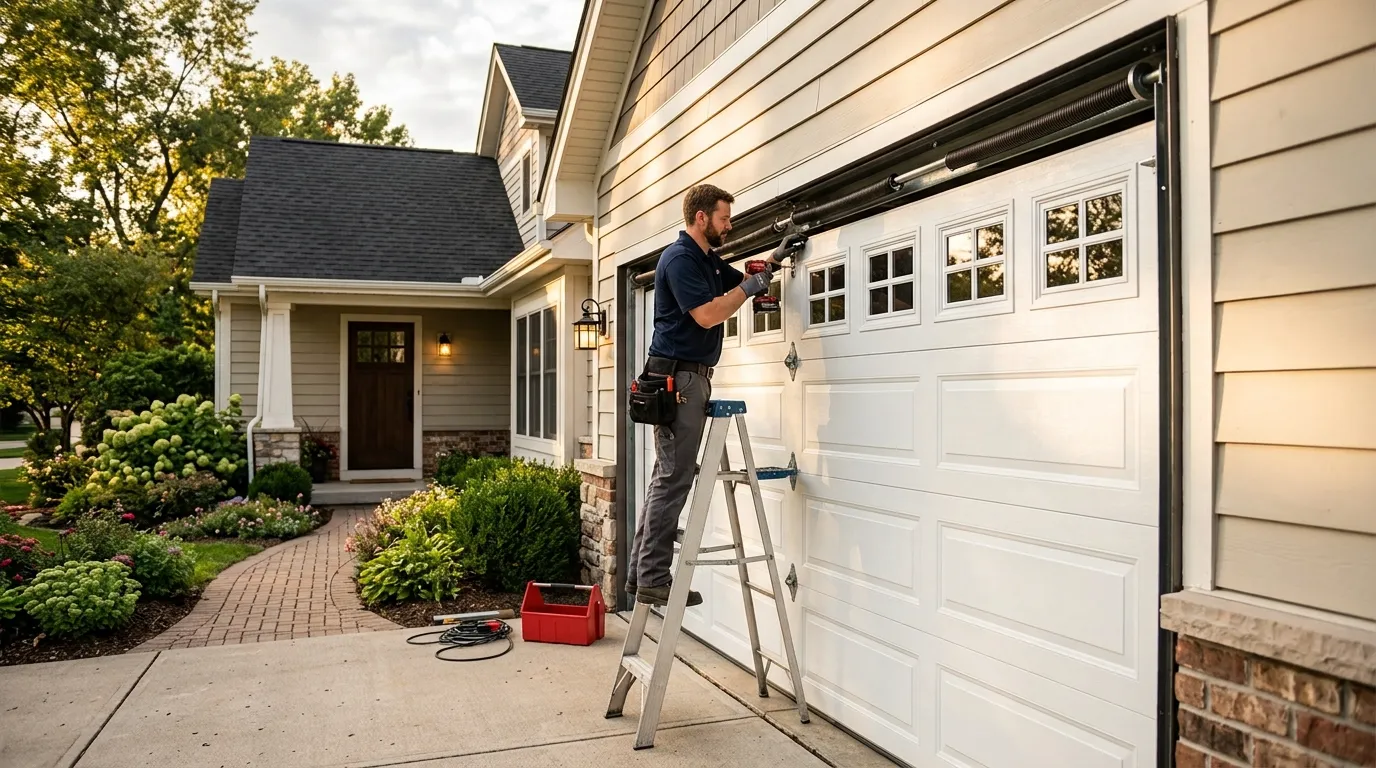
With roughly 7,538 households in Silver Firs, this is a good-sized pocket of similar-era construction rather than a patchwork of decades. Median household income here runs about $153,026, noticeably higher than the roughly $106,164 median across the broader 28-area service territory. That income level tends to show up in the doors themselves - more insulated steel doors, more owners who've already upgraded to belt-drive openers with battery backup, fewer bare single-layer panels than you'd find in older, lower-cost housing stock nearby. It doesn't mean nothing breaks. Springs still wear out on a schedule tied to cycle count, not income, and a 1997-built double door is now old enough that its original torsion springs are past or near end of life regardless of what the house is worth.
What the Housing Means for Your Door
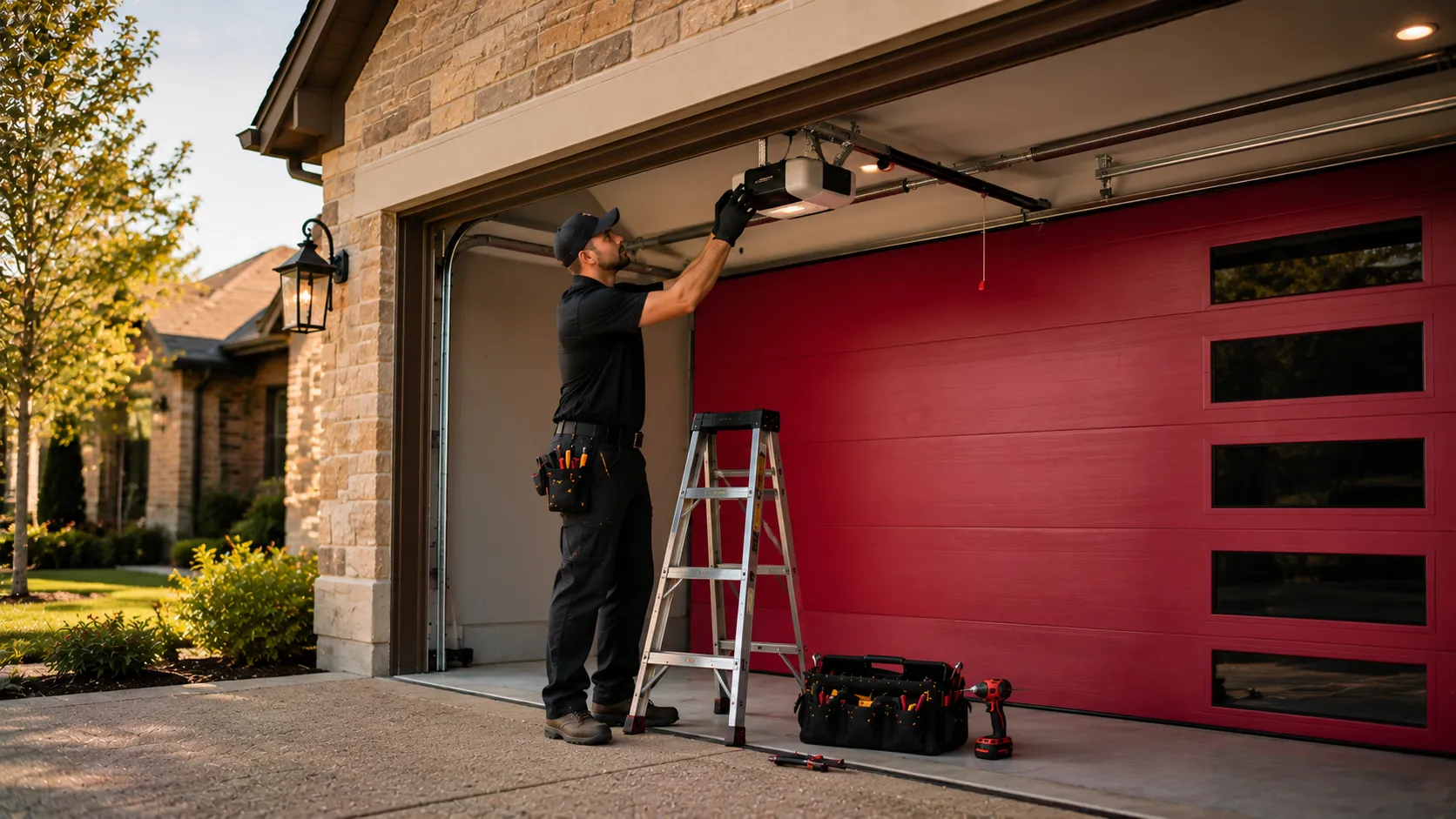
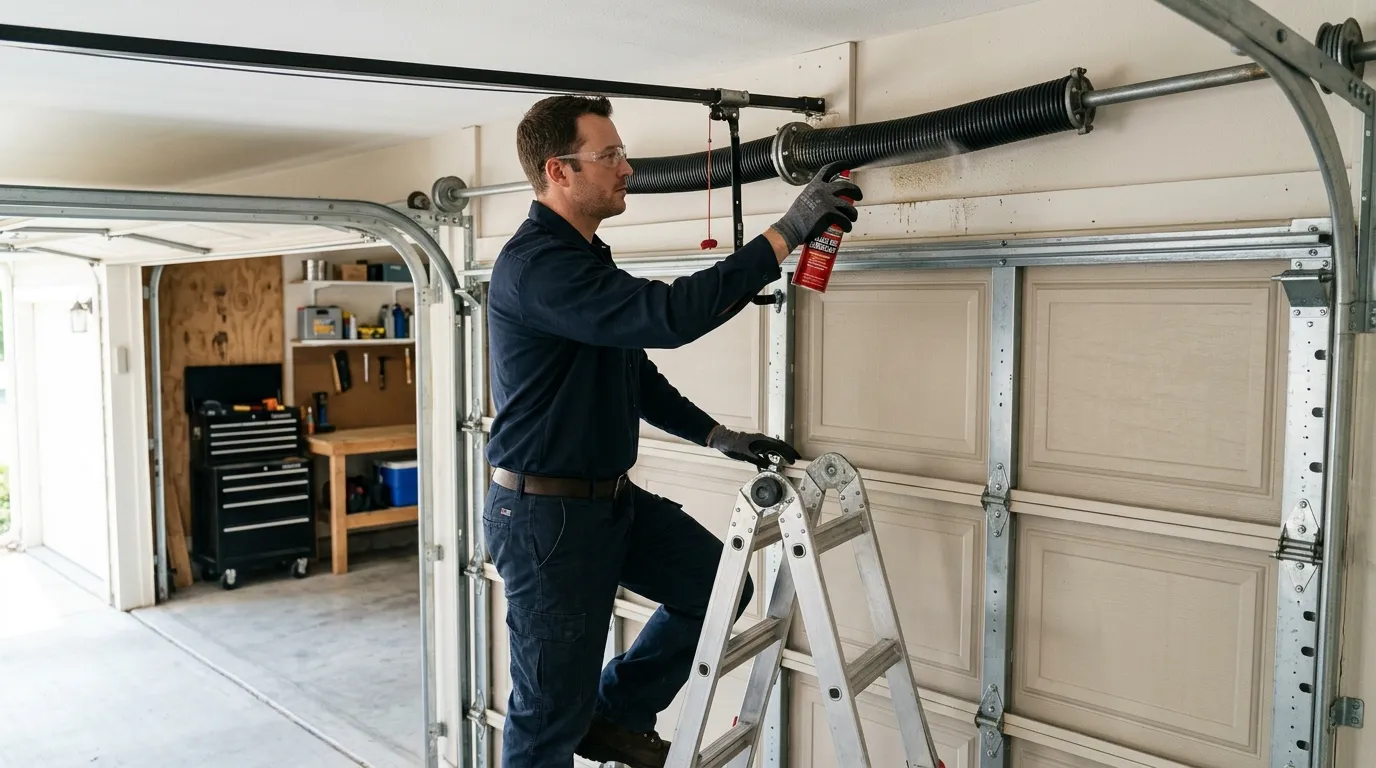
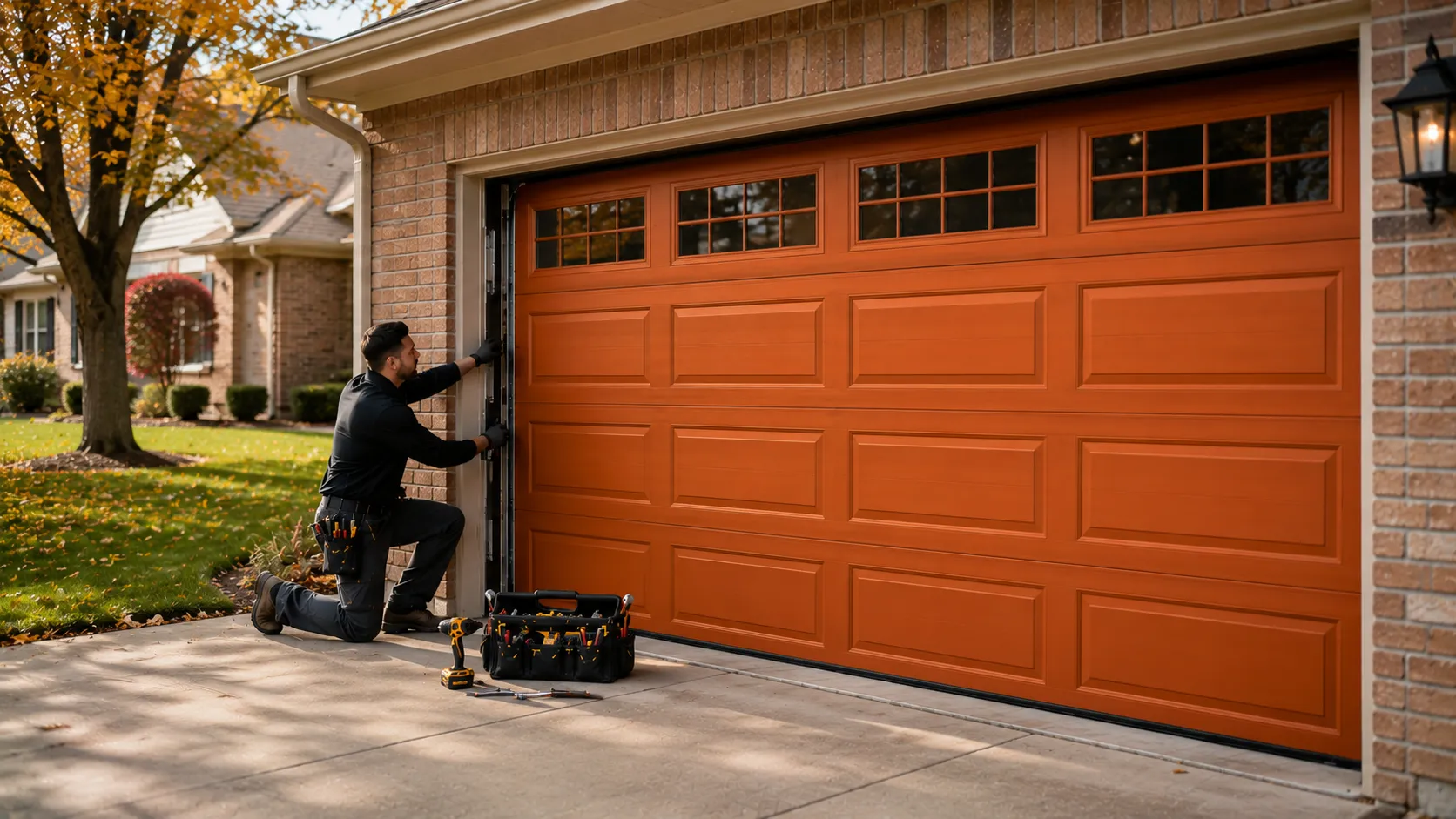
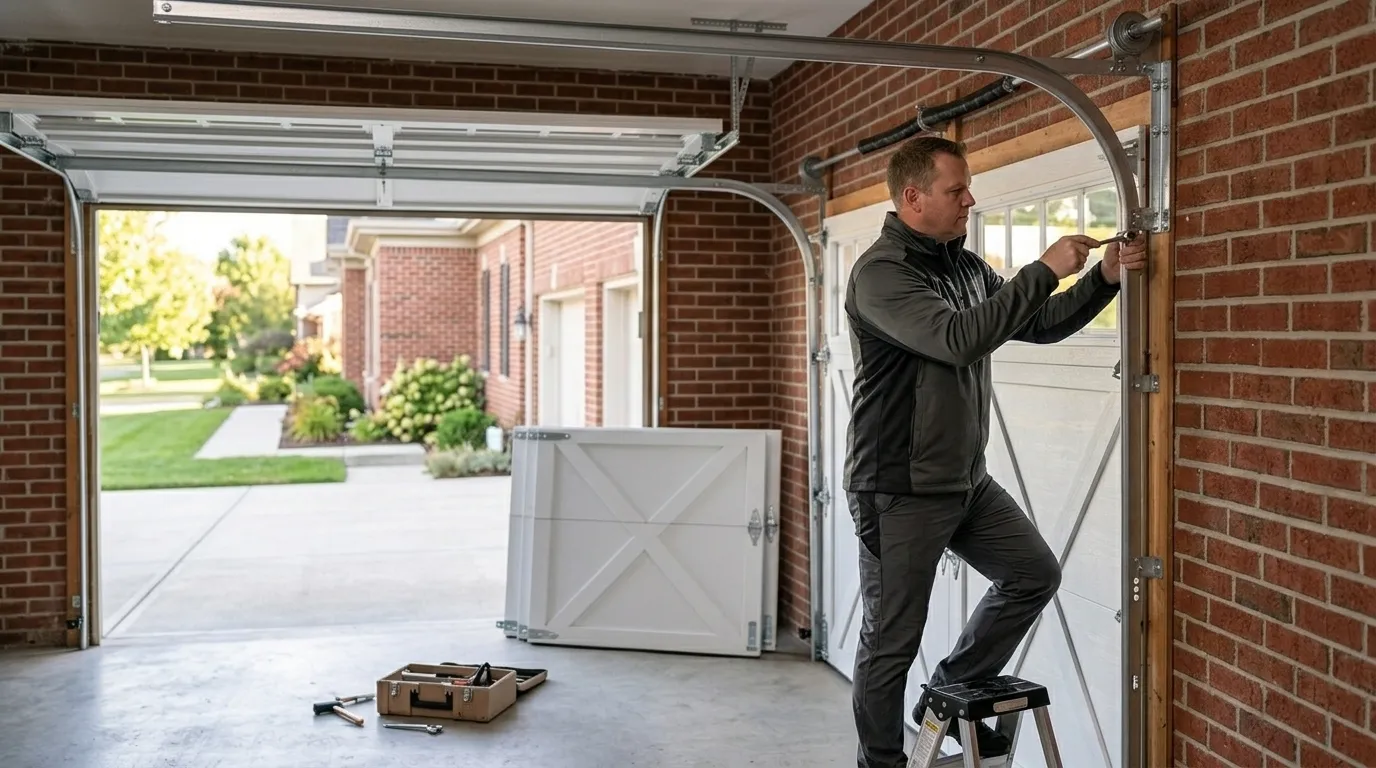
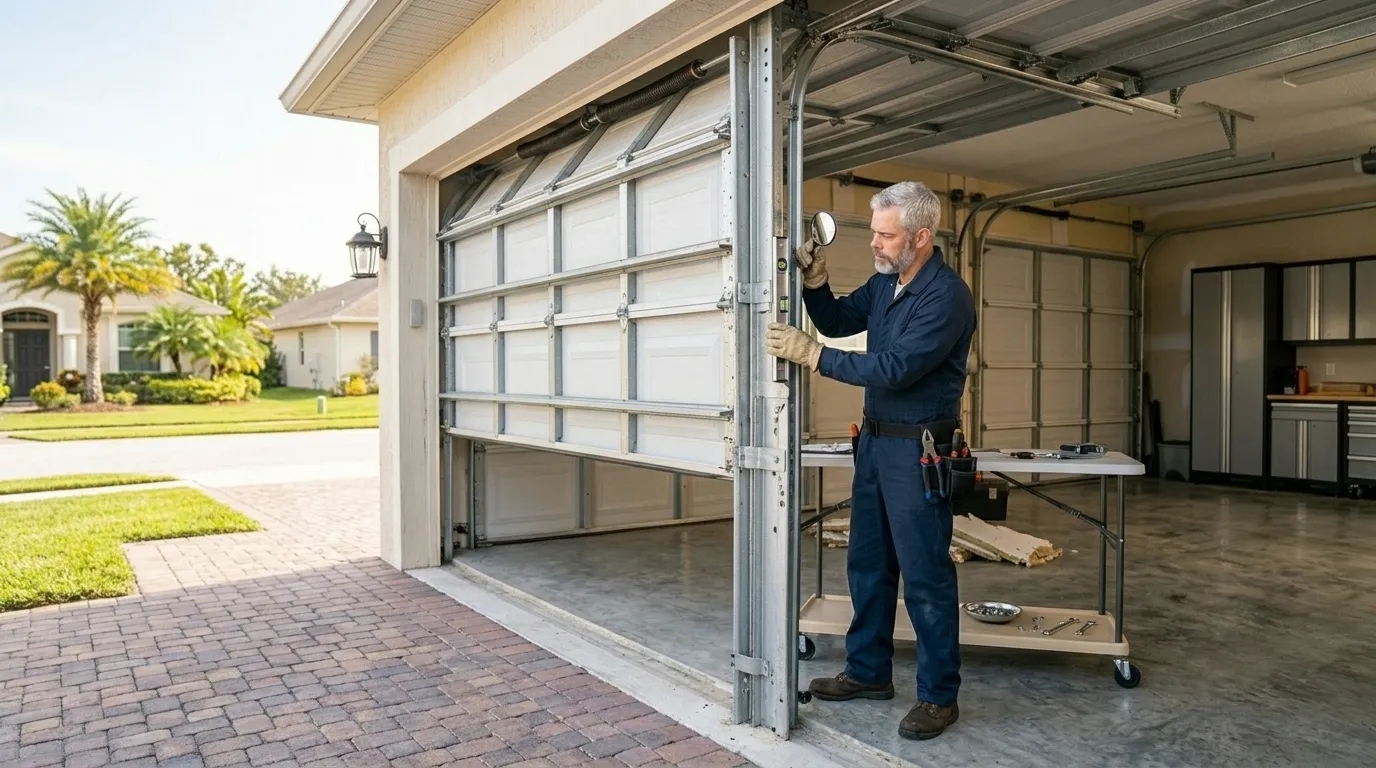
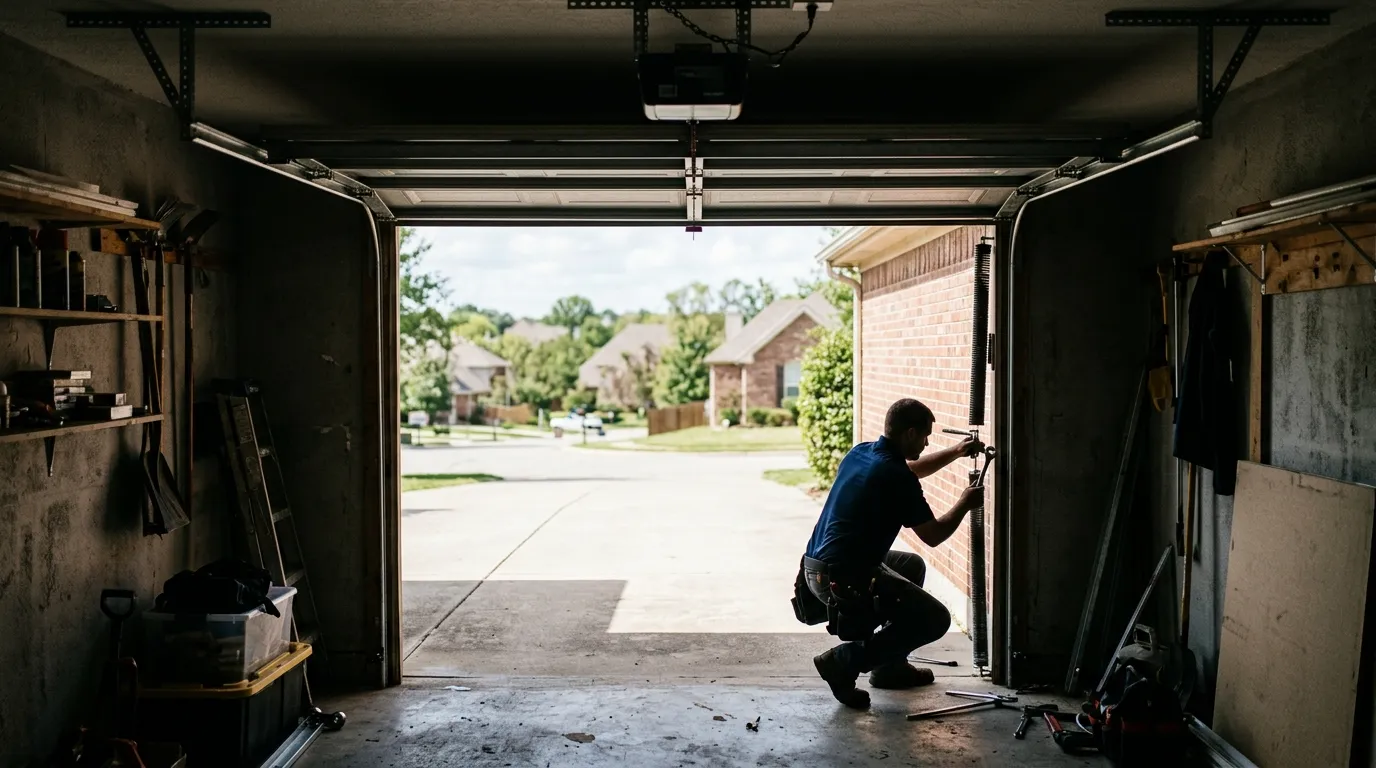
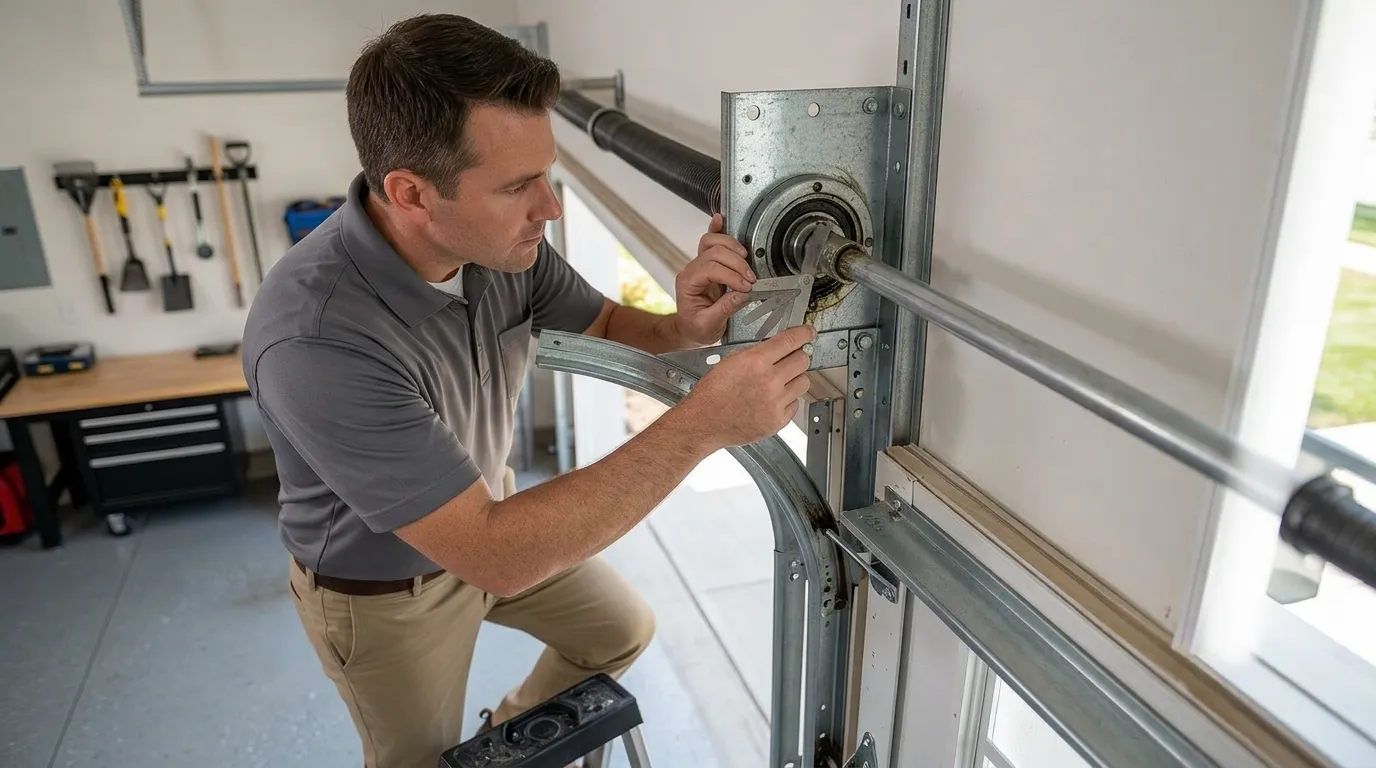
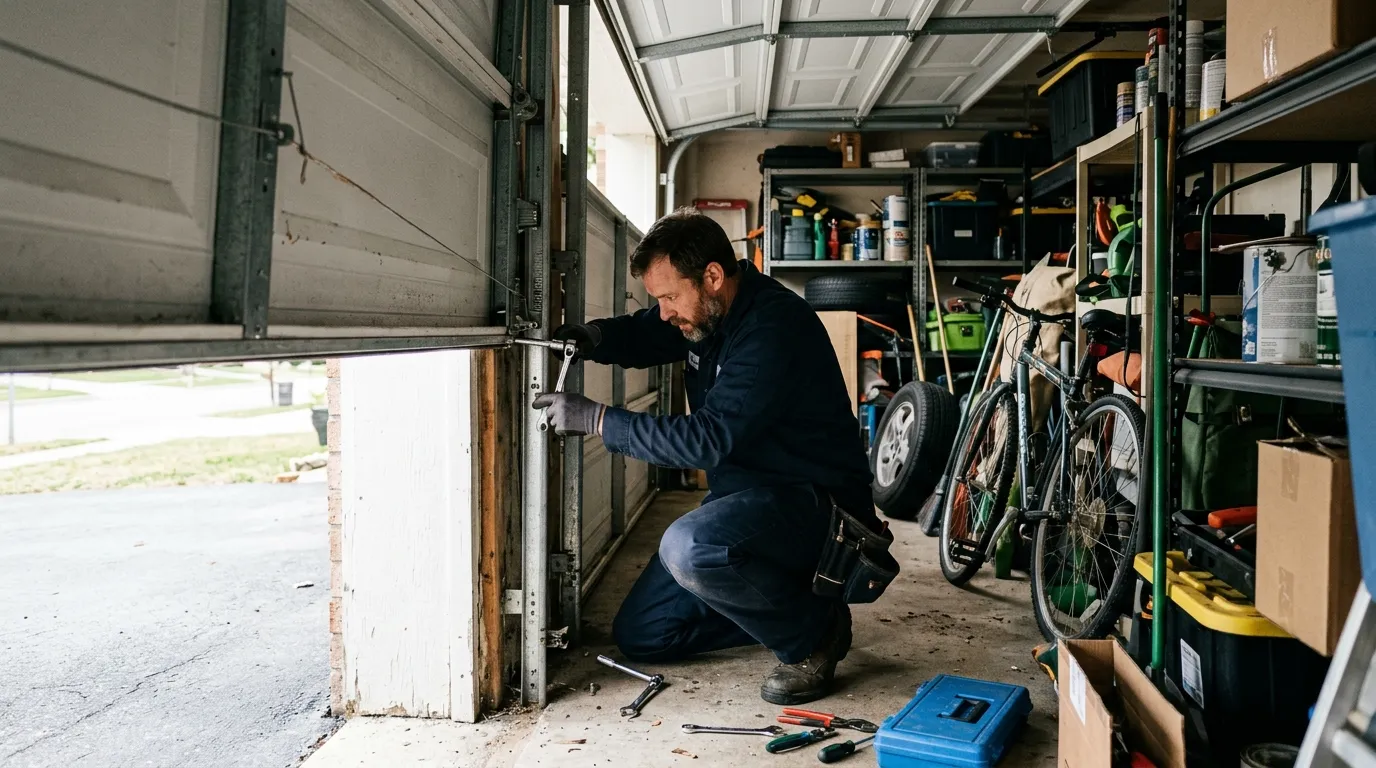
Because Silver Firs homes cluster around a 1997 build year, the springs, cables, and rollers on a lot of these doors are original or close to it - and torsion springs are typically rated for a set number of cycles, which for a door installed in the late 90s means many are due or overdue. The climate here is cold-moderate, so we're not dealing with the extreme heat cycling that ages rubber seals and lubricant faster, but winter damp still stiffens hardware and swells wood trim around the opening. One honest note: if your opener is original to a 1997-2000 build, replacement parts for that specific model are often harder to source than for the door itself, and at that age a full opener swap usually costs less than chasing down a matching circuit board. We'll tell you straight which way makes sense once we've looked at the unit.