The Houses Here
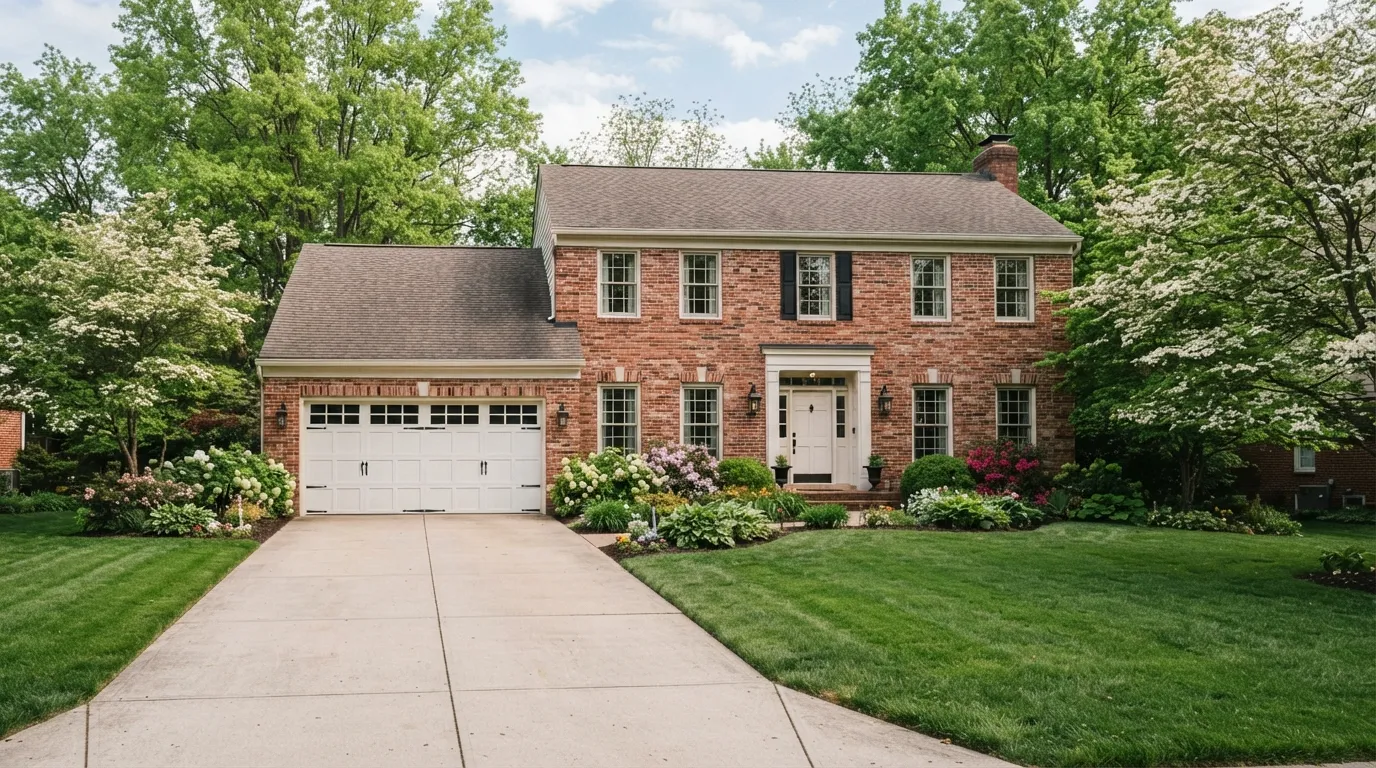
Snohomish has about 4,426 households, and the median household income runs $84,688 - noticeably below the $106,164 median across the broader service area. That difference shows up in how people approach garage door work here: more owners want a repair that gets another few years out of existing hardware rather than a full replacement, and that's a reasonable call on a door that's mechanically sound but showing its age.
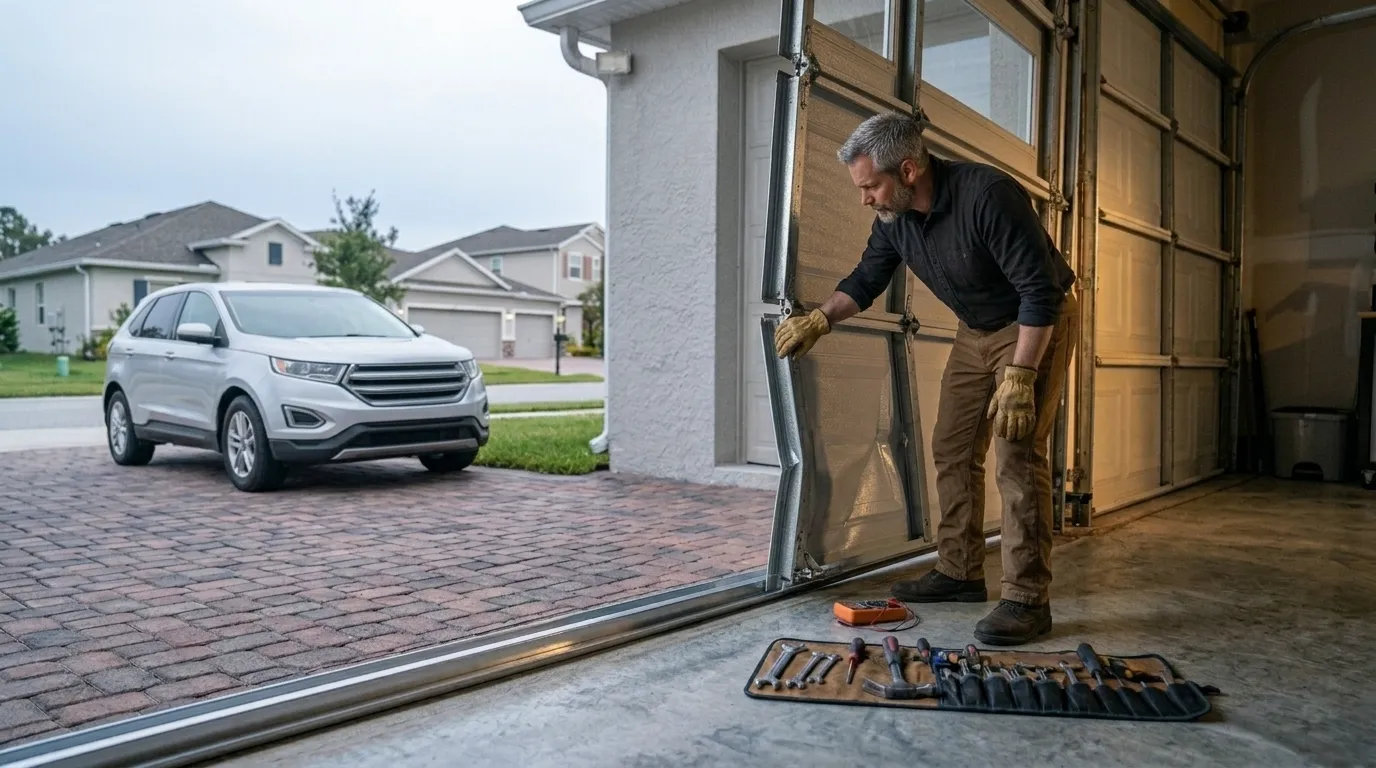
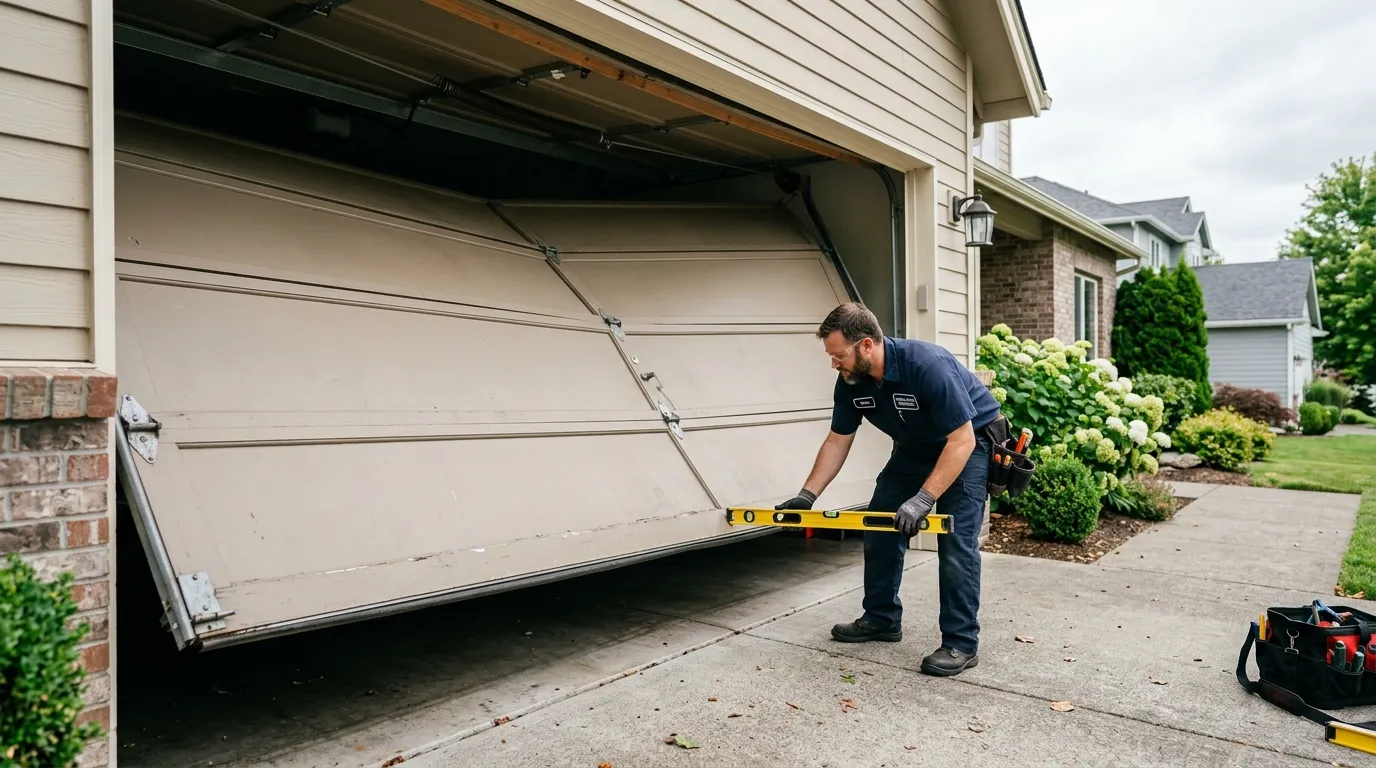
We're honest about where that line sits. A worn roller or a frayed cable on a 1975-era door is a straightforward fix. A door with a bent track, a cracked panel, and an opener that's already failed once is a different conversation - at that point, patching it usually costs more over two years than replacing it once.
What the Housing Means for Your Door
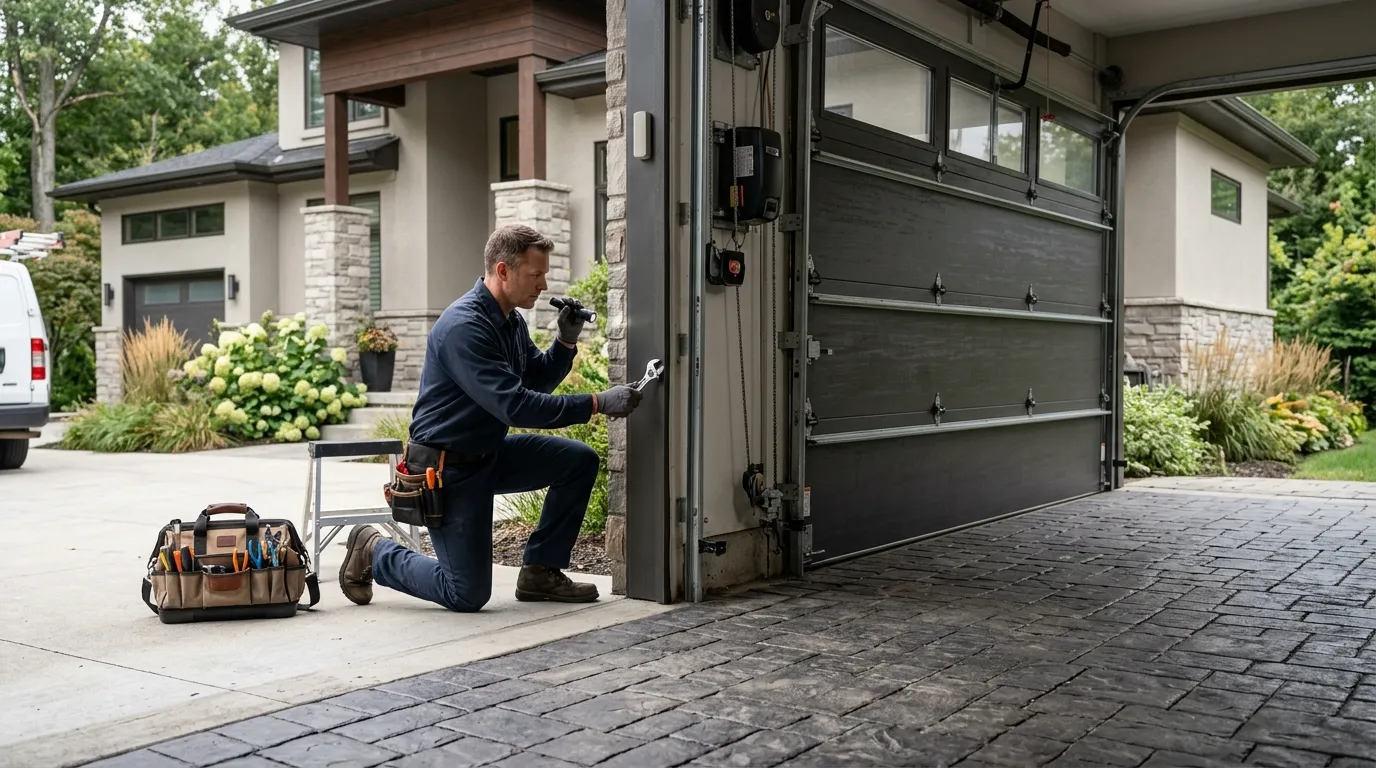
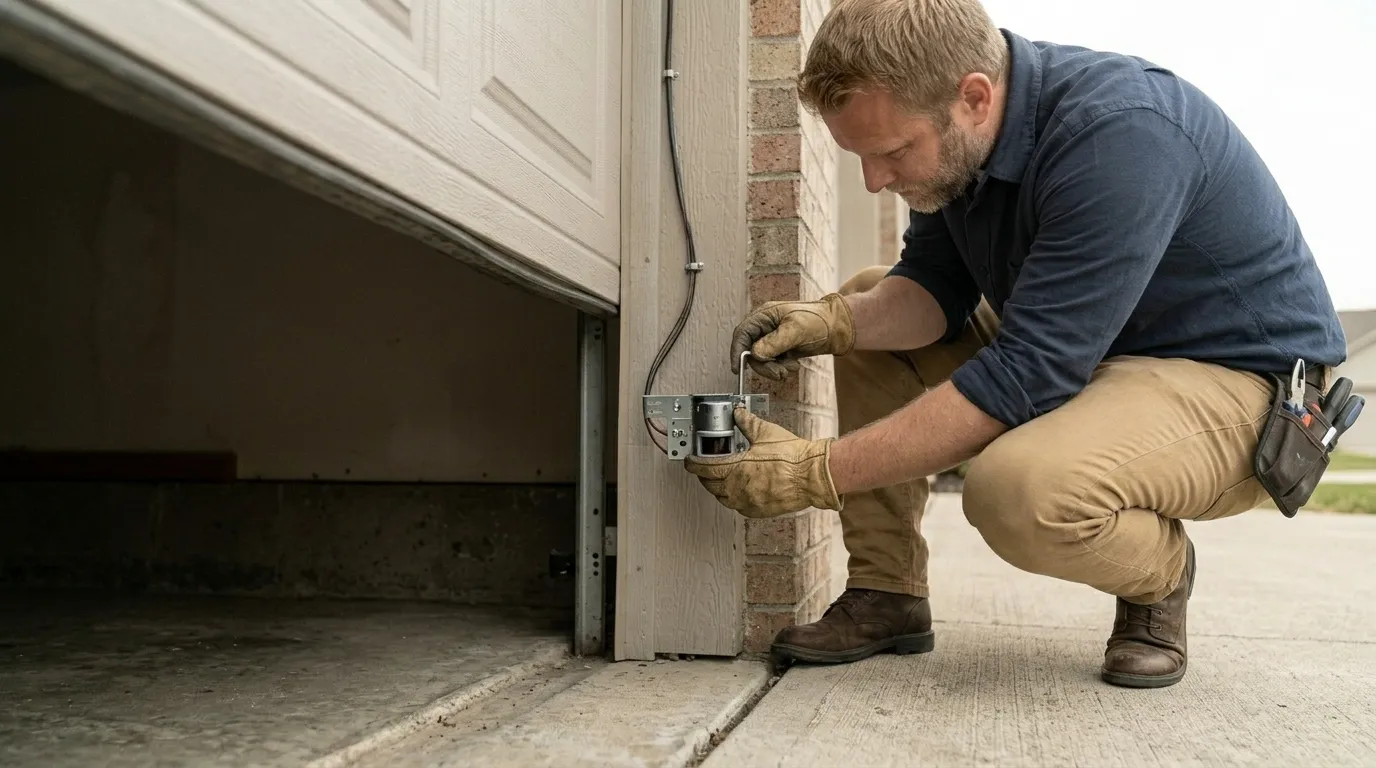
A door built around the mid-70s typically means one of a few things when we get a call: extension springs instead of torsion, steel tracks that have narrowed or rusted at the roller channel, or an opener that predates photo-eye safety sensors entirely (which, depending on your setup, may need addressing on its own). None of this is exotic work, but it's not what a newer-construction door needs, and a tech who only knows current hardware can misdiagnose it.
We also don't stock every obsolete part on the truck for a door this old - some replacement panels or specific spring sizes from that era have longer lead times than parts for anything built after 2000. We'll tell you upfront if that's the case rather than guess at an install date on the spot.