The Houses Here
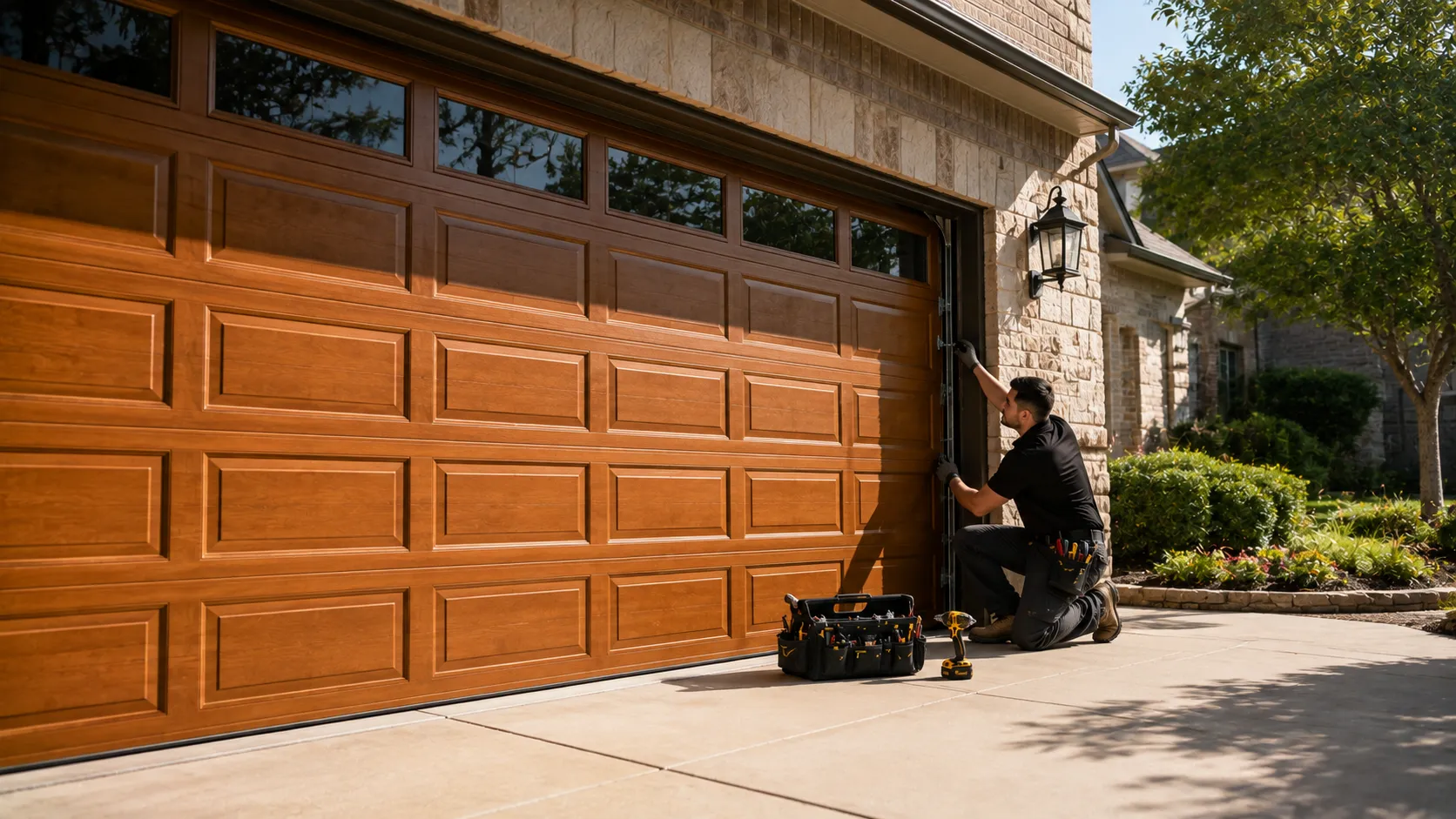
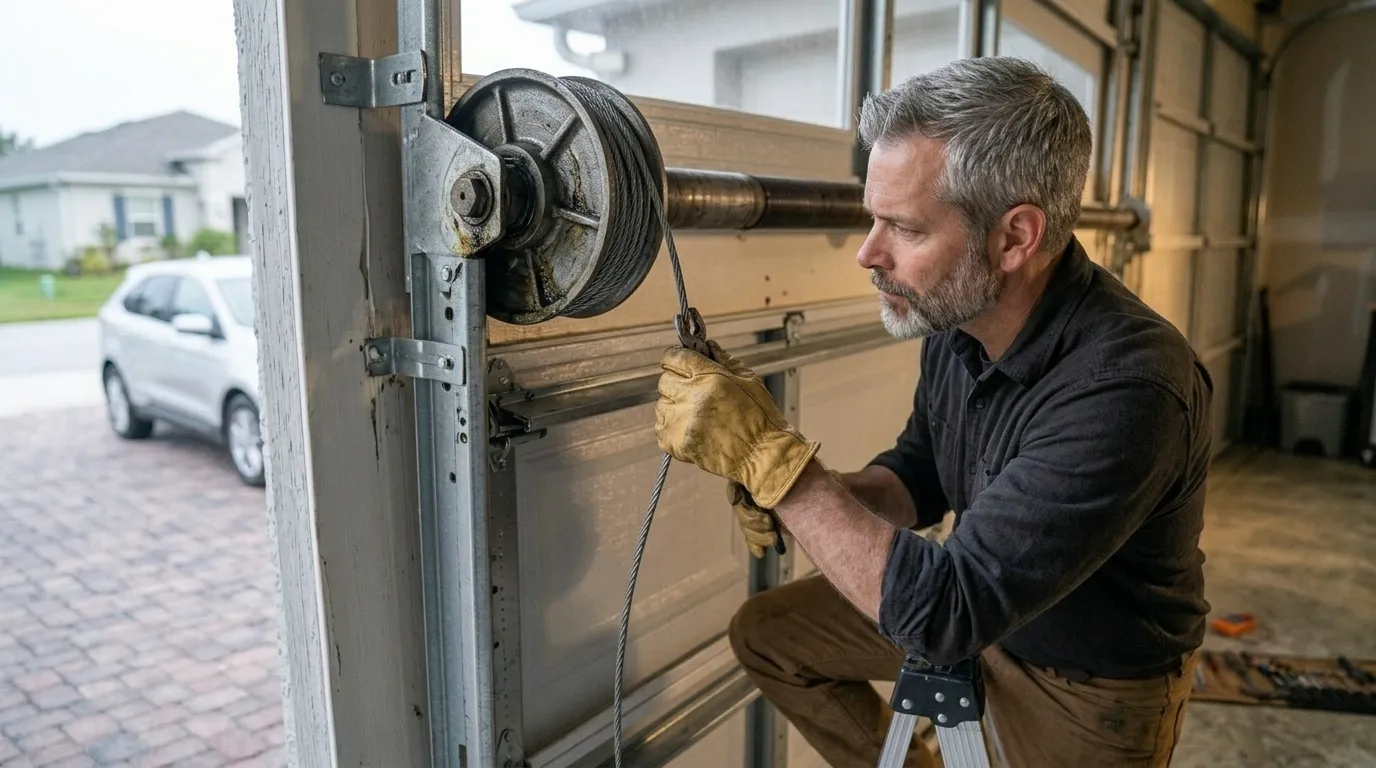
With roughly 2,991 households in Stanwood, this isn't a sprawling market, but it's a consistent one - late-90s construction dominates rather than a mix of eras. Median household income here is $87,477, noticeably below the $106,164 median across the wider service area. That gap shows up in how people approach repairs: fewer full door replacements on a whim, more requests to fix the spring or opener and keep the panels. It's a reasonable call in most cases. A steel door from 1999 in a cold climate has held up fine structurally if it's been painted and the bottom seal replaced now and then. What tends to fail first isn't the door skin, it's the moving parts - springs, cables, rollers - which is normal wear for a door approaching 25 years, not a sign the whole unit needs replacing.
What the Housing Means for Your Door
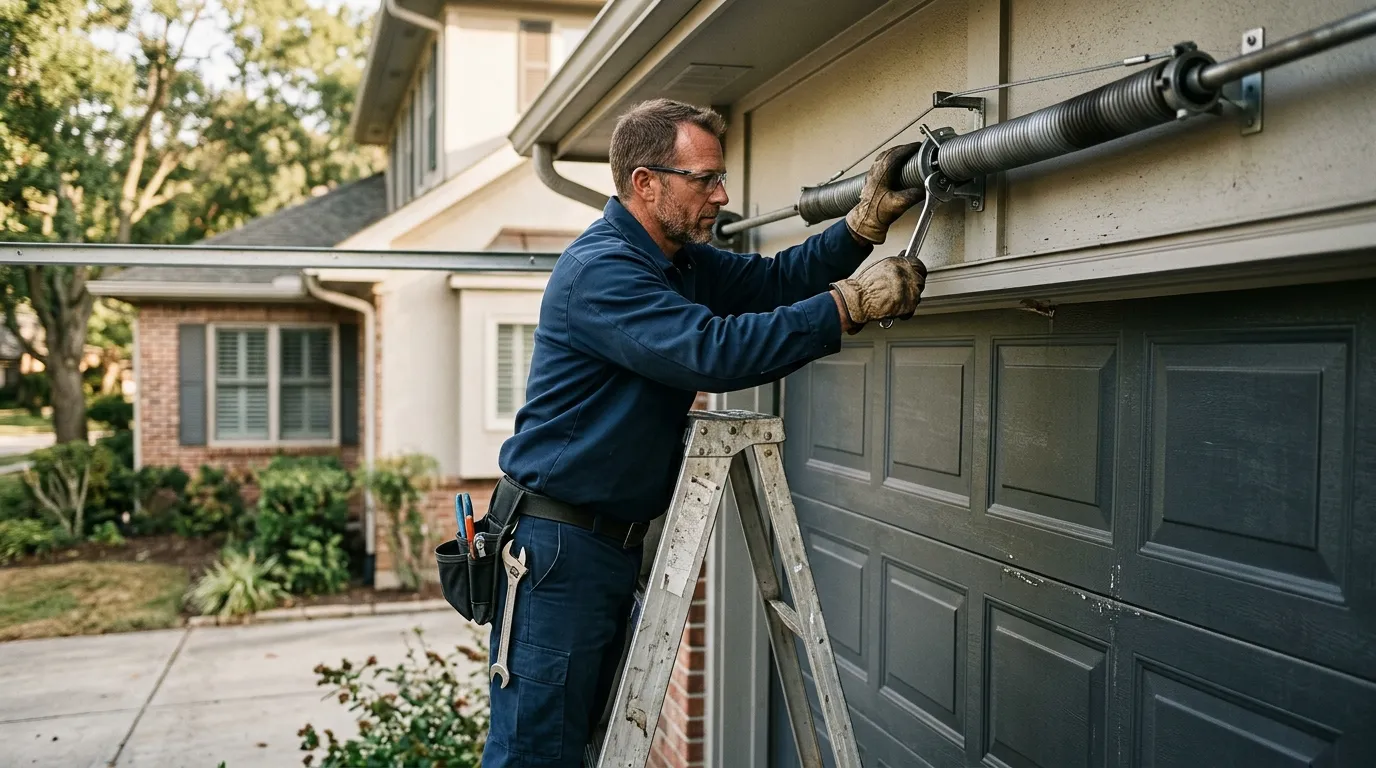
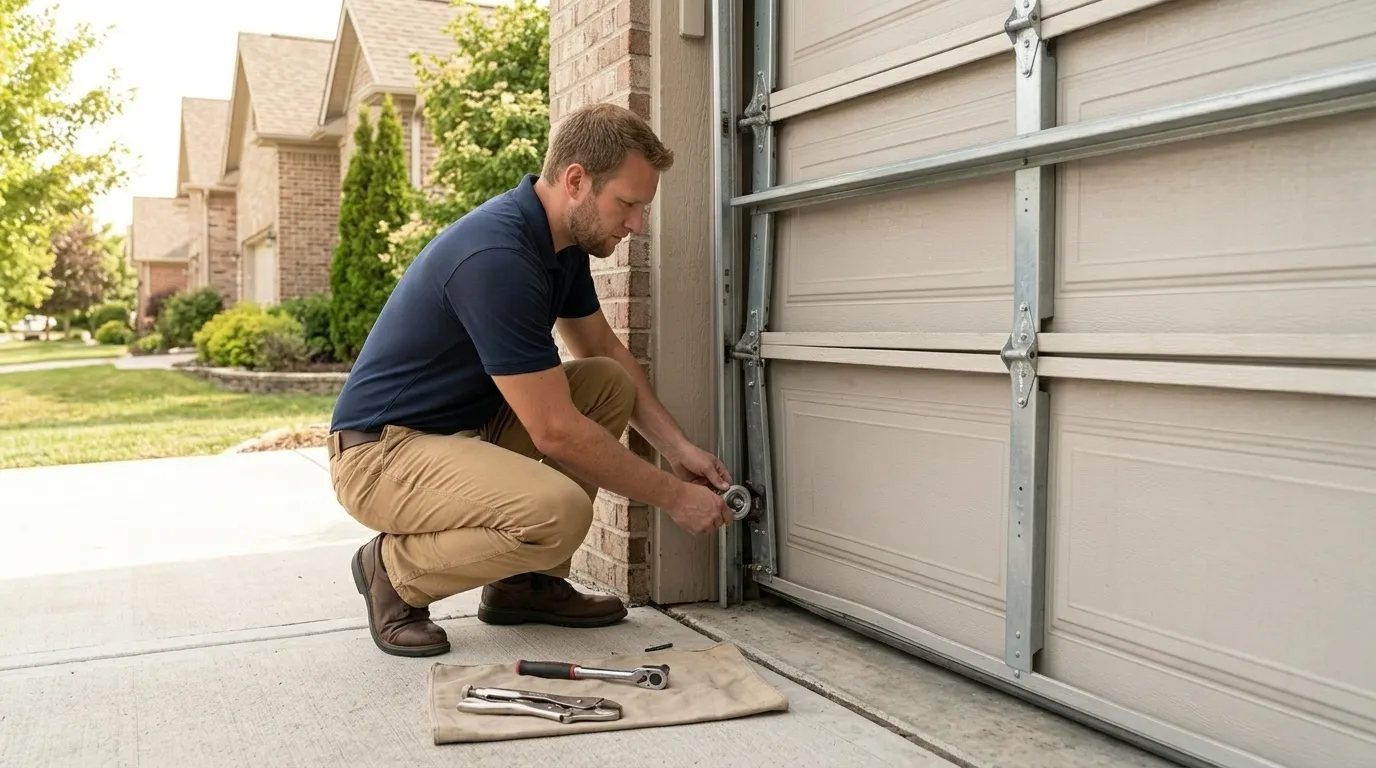
Because Stanwood's housing stock clusters tightly around 1999, we see a narrower band of common failures than in older, mixed-era neighborhoods. Torsion springs from that era are usually rated for the door weight but are now well past their cycle life - most torsion springs are good for 10,000 or so cycles, and a 25-year-old spring on a daily-use door is often near or past that mark whether or not it's shown obvious wear. Openers from the same period are chain or belt drive units nearing the end of their circuit board life, and replacement boards for some of those models are getting harder to source. That's an honest limitation: if your opener is original to a 1999 build, repair may still work, but if the board's already failed once, we'll tell you straight when replacement is the better use of your money instead of chasing parts.