The Houses Here
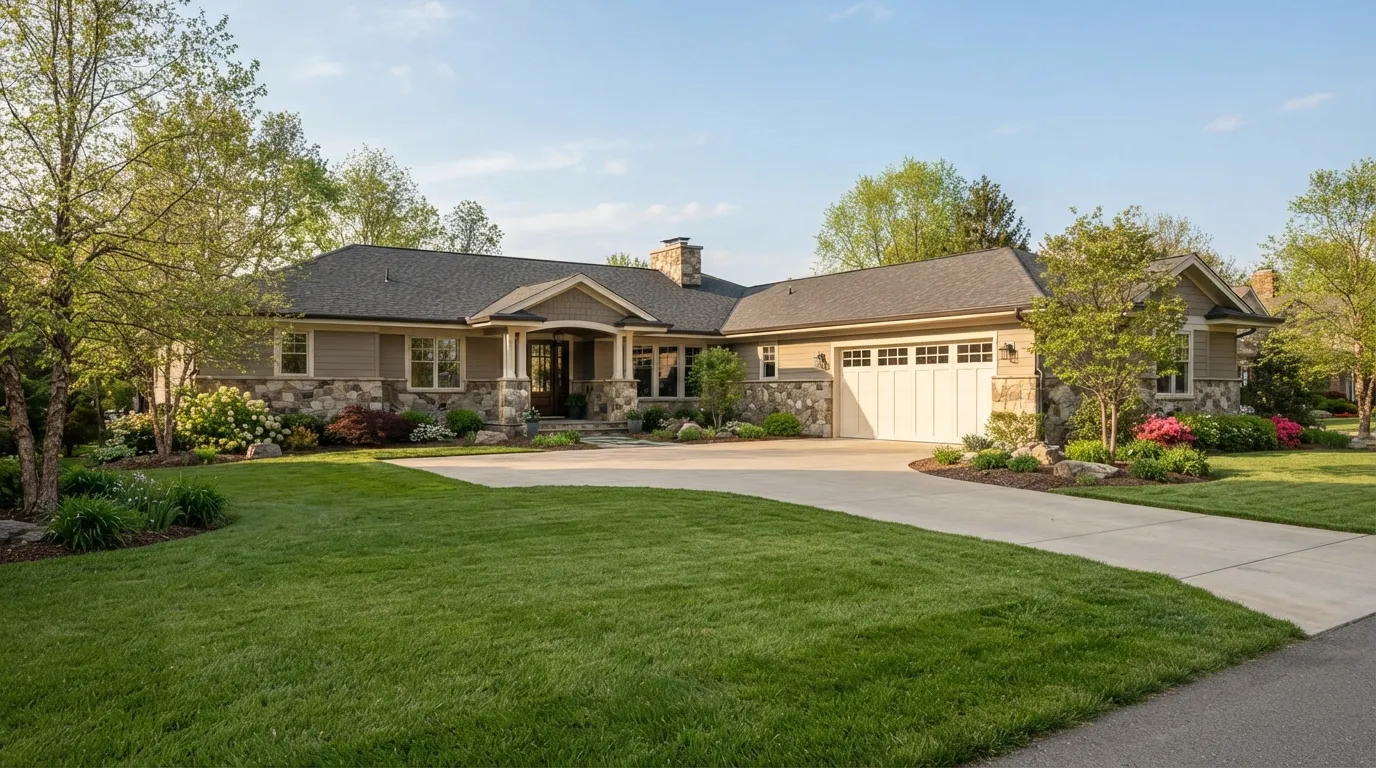
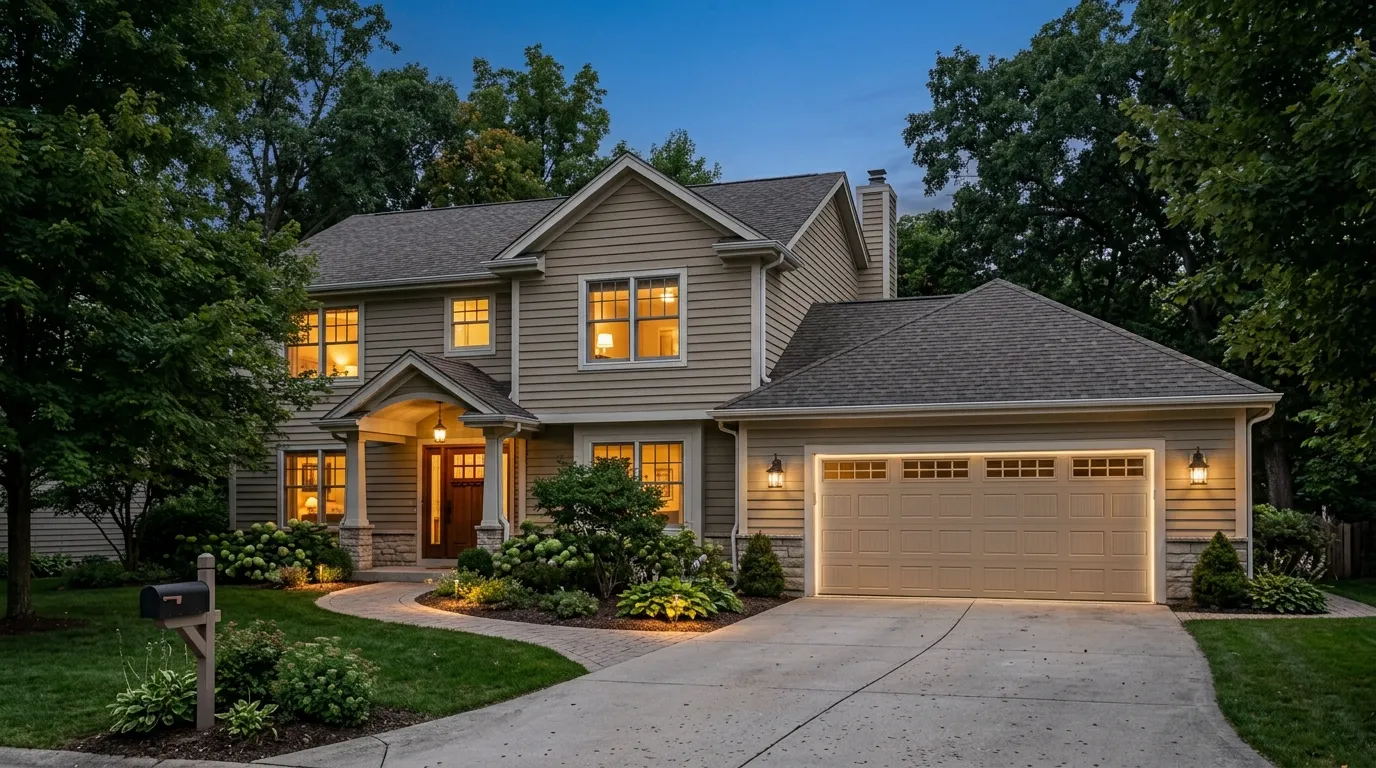
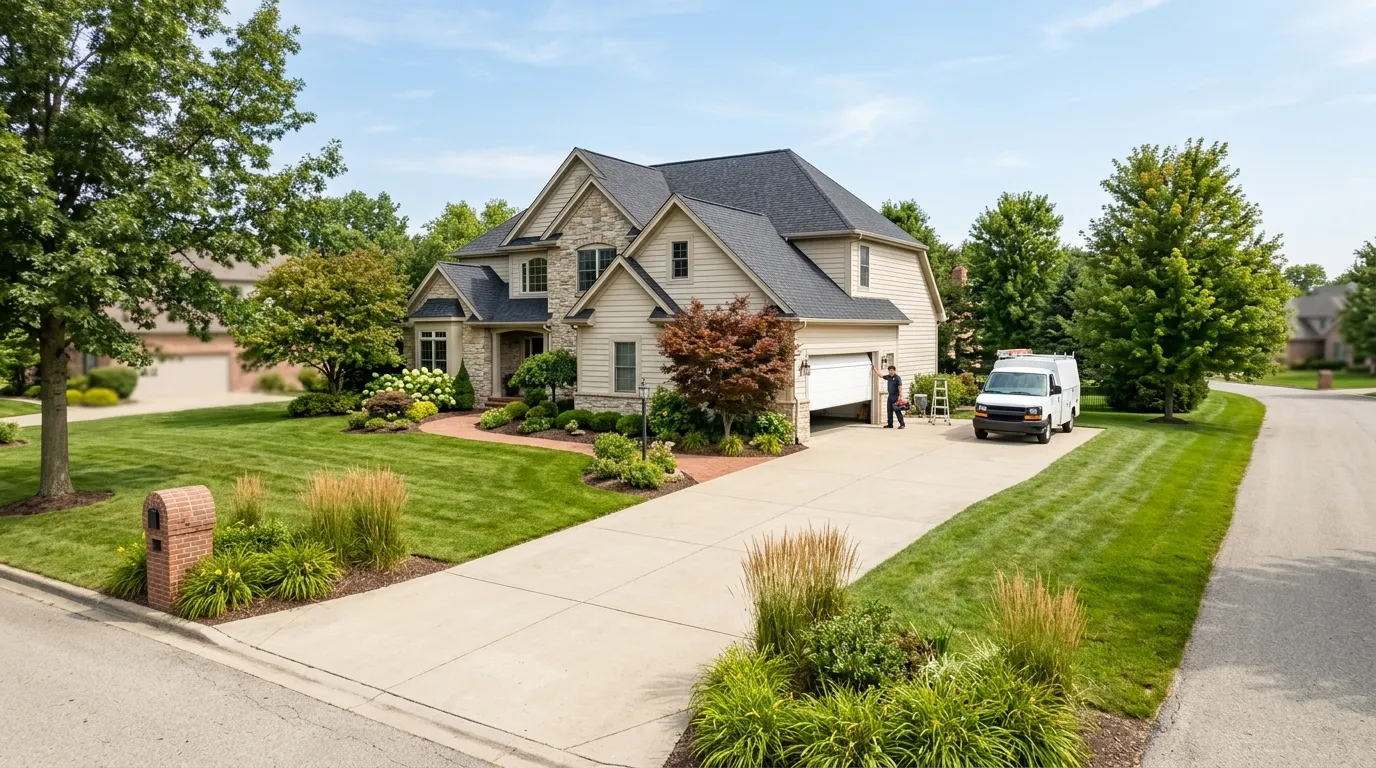
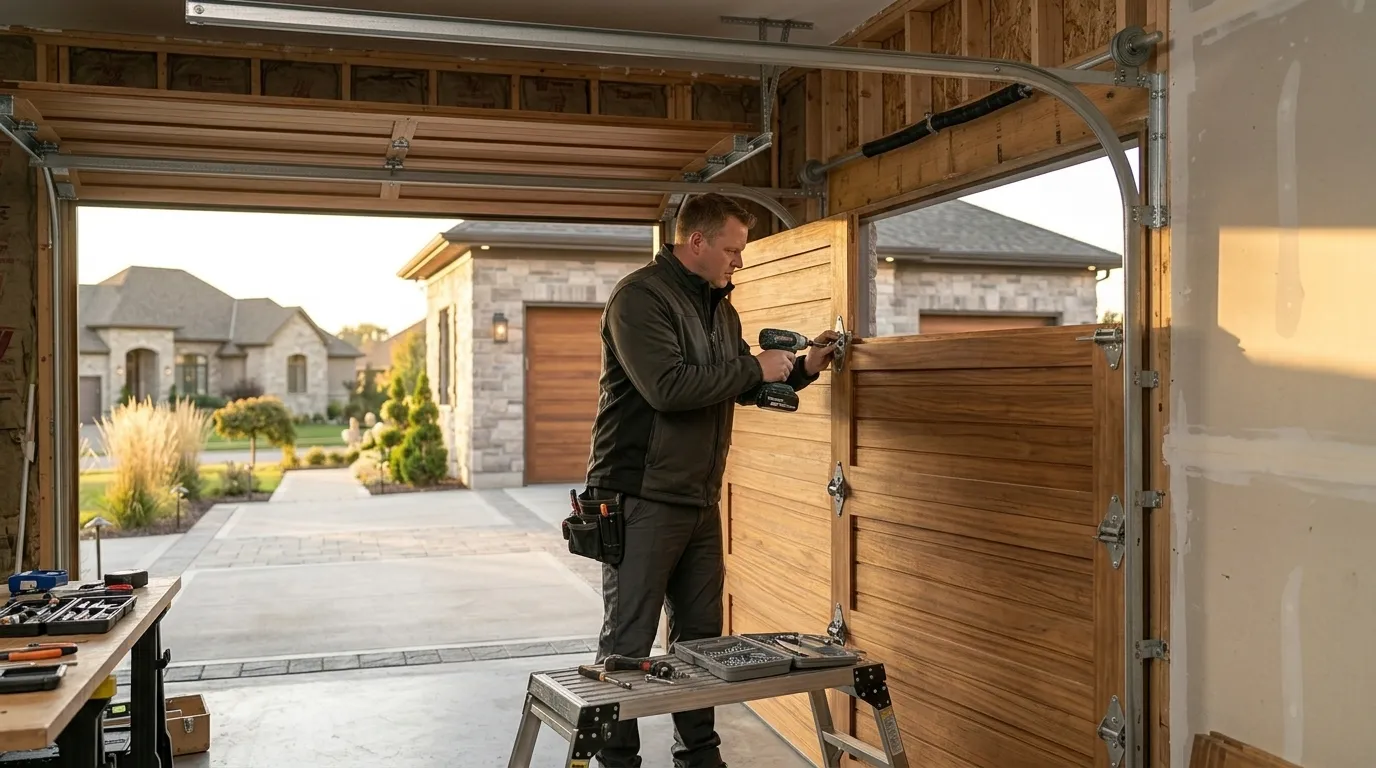
Warm Beach has around 1,214 households, which makes it one of the smaller pockets in our coverage area rather than a dense subdivision grid. Median household income here runs $96,413, a bit below the $106,164 median across the wider service area we cover out of Marysville. That gap matters less for door style than you'd think - most owner-occupied houses built in this window went up with standard two-car garages and steel doors, not custom wood carriage doors, regardless of income level. What the smaller household count does mean is that call volume out here is lighter and more spread out than in denser neighborhoods closer to Marysville, so when we do get a call it's usually a single job, not a run of near-identical fixes on the same block. The building stock is consistent enough that we can generally guess the era of hardware before we even open the panel: 1980s and 90s torsion setups, factory rollers that have long since worn past their nylon coating, and openers that are on their second or third motor.
What the Housing Means for Your Door
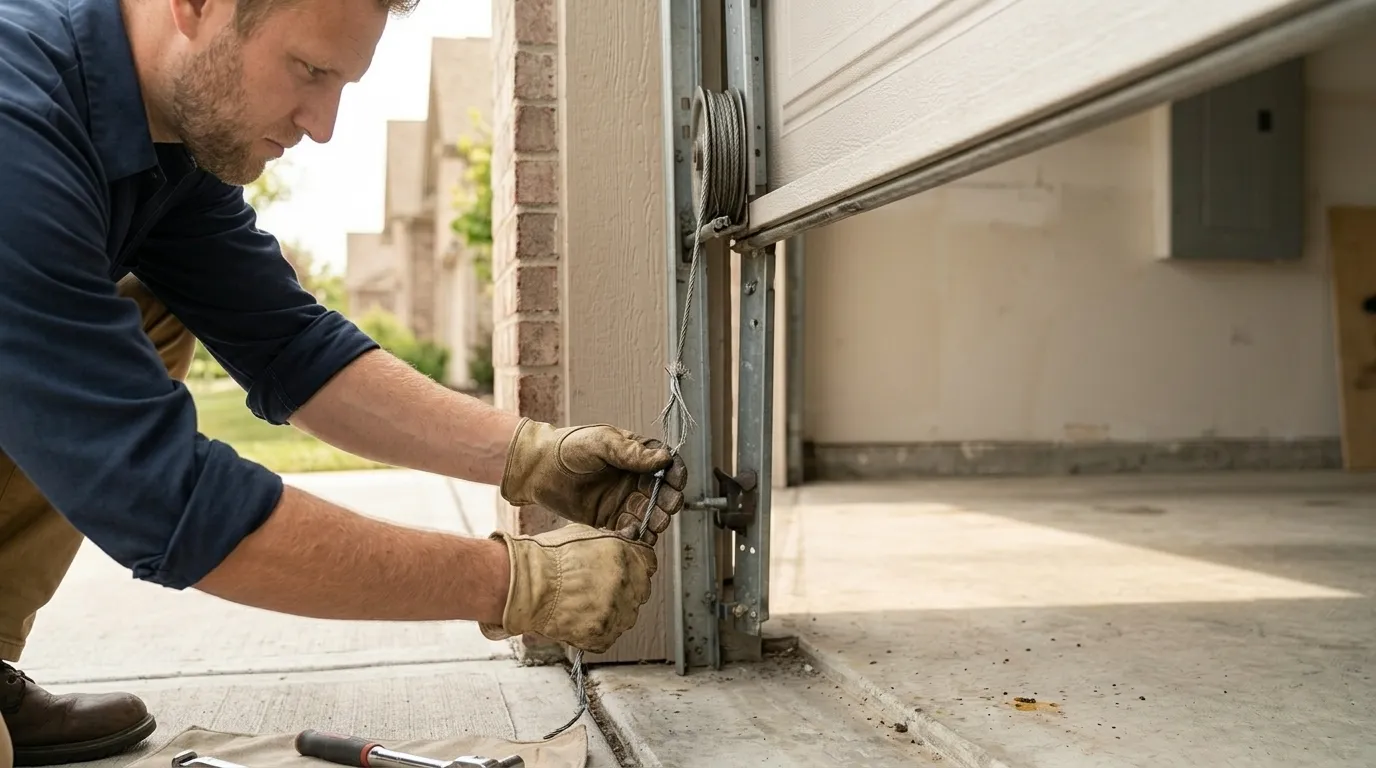
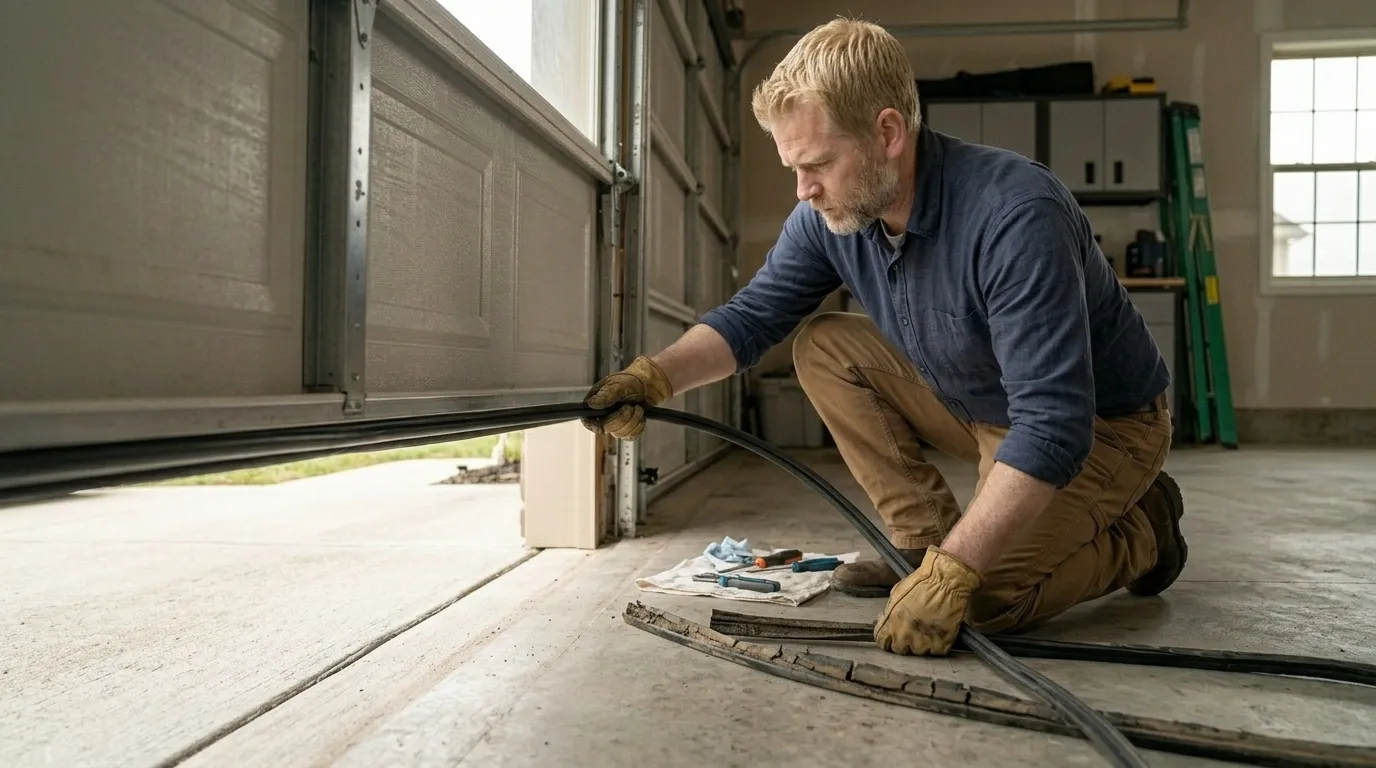
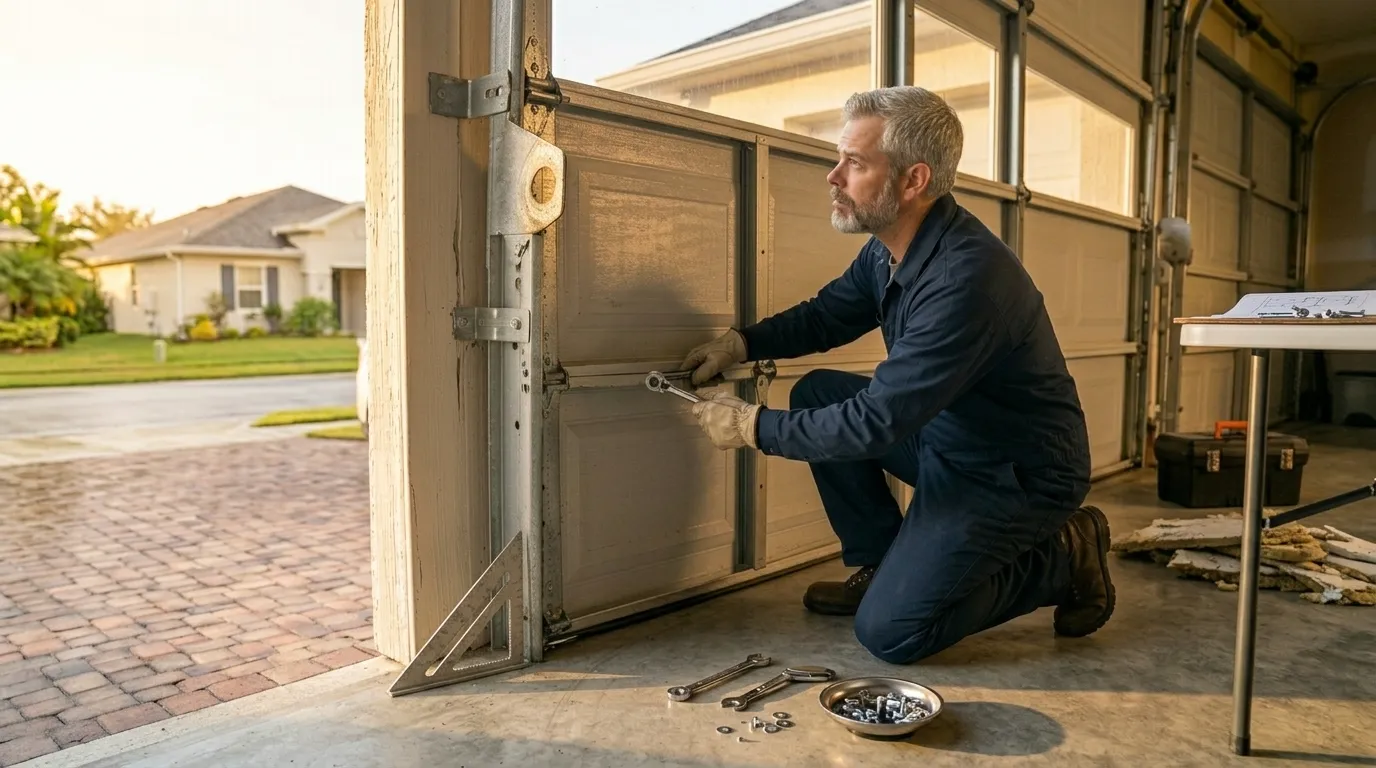
A house built in 1991 is old enough that the original spring has almost certainly been replaced at least once, but new enough that parts for it are still on the shelf - which is the good news. The bad news is that this era of door often used lighter-gauge steel and single-layer panels without the insulation you'd see in anything built after the mid-2000s, so on cold mornings the door itself doesn't do much to slow heat loss from the garage. The service area sits in a cold, moderate climate band, and repeated freeze and thaw on an aging torsion spring's coil - especially one that's been re-tensioned by hand over the years instead of replaced properly - is a common reason springs snap in winter rather than summer. Openers from this build era are also frequently the chain-drive style installed as an upgrade sometime after the house was built rather than at construction, which means the mounting hardware in the ceiling isn't always original either. We don't rebuild every worn part on a 30-year-old door - past a certain point, especially with a cracked panel or a track that's been bent and straightened more than once, replacement costs less over time than another round of patch repairs.