The Houses Here
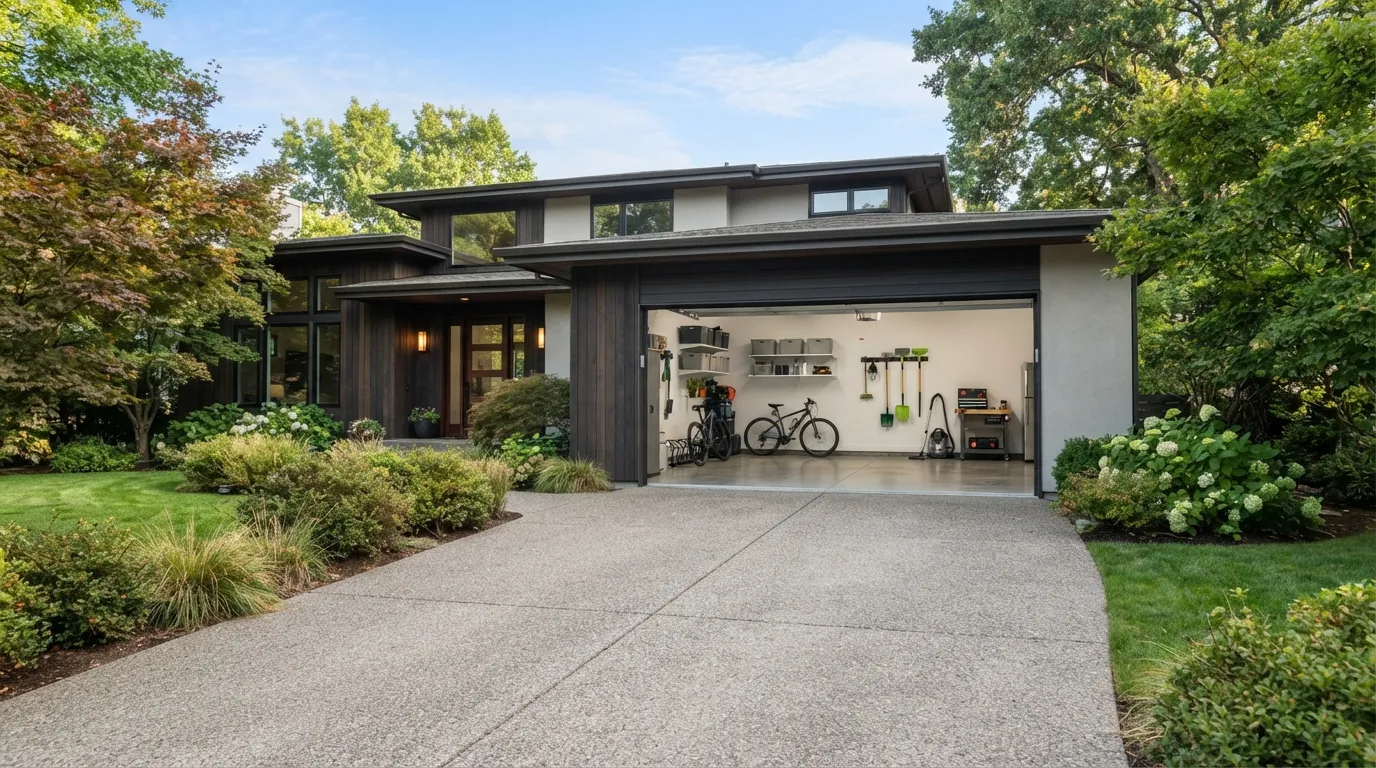
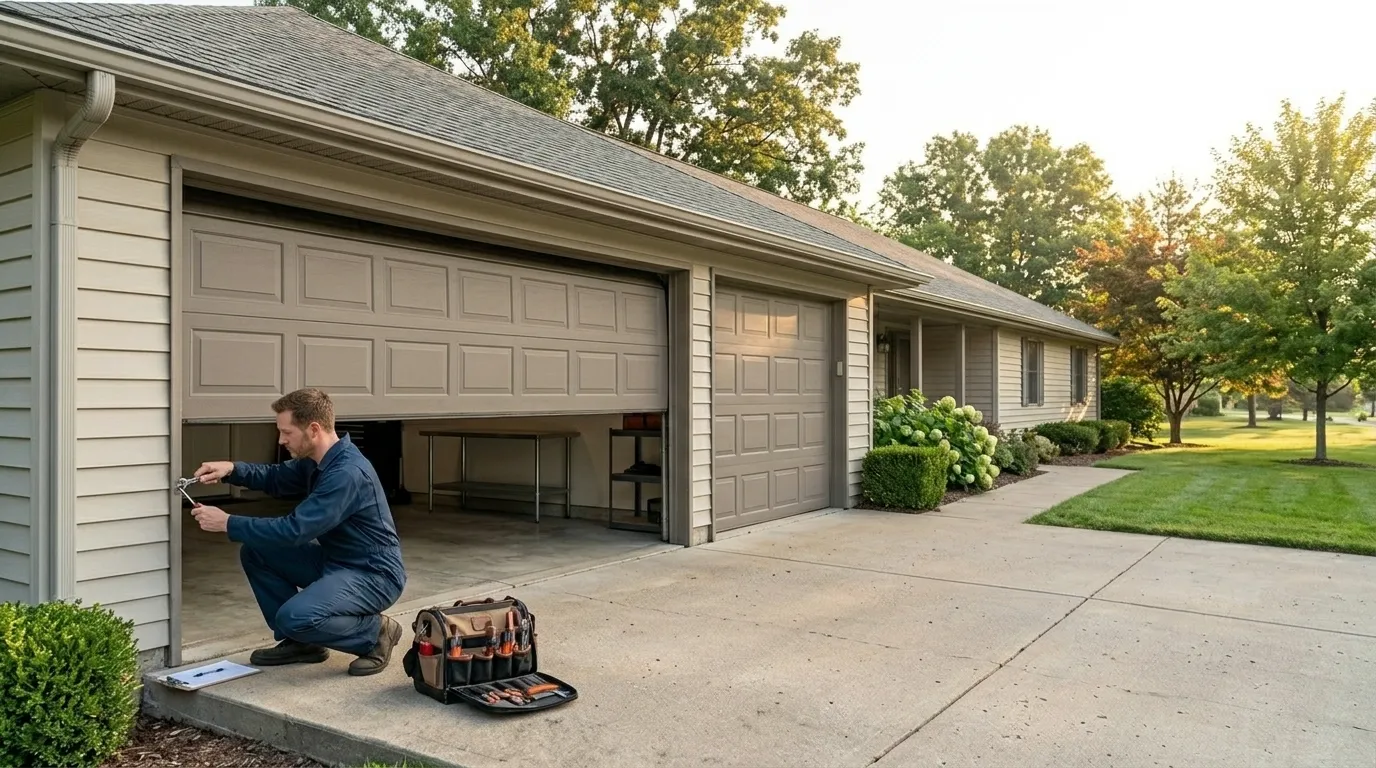
With around 2,130 households in Woods Creek, this isn't a dense subdivision built out in one construction push - it's smaller and more spread than the tract-style development you'd find closer to town. Household income here runs higher than the wider service area average, at $145,773, which usually tracks with more homes that have had at least one upgrade cycle: a replacement door, an added insulation package, a newer opener swapped in when the original chain drive finally gave out.
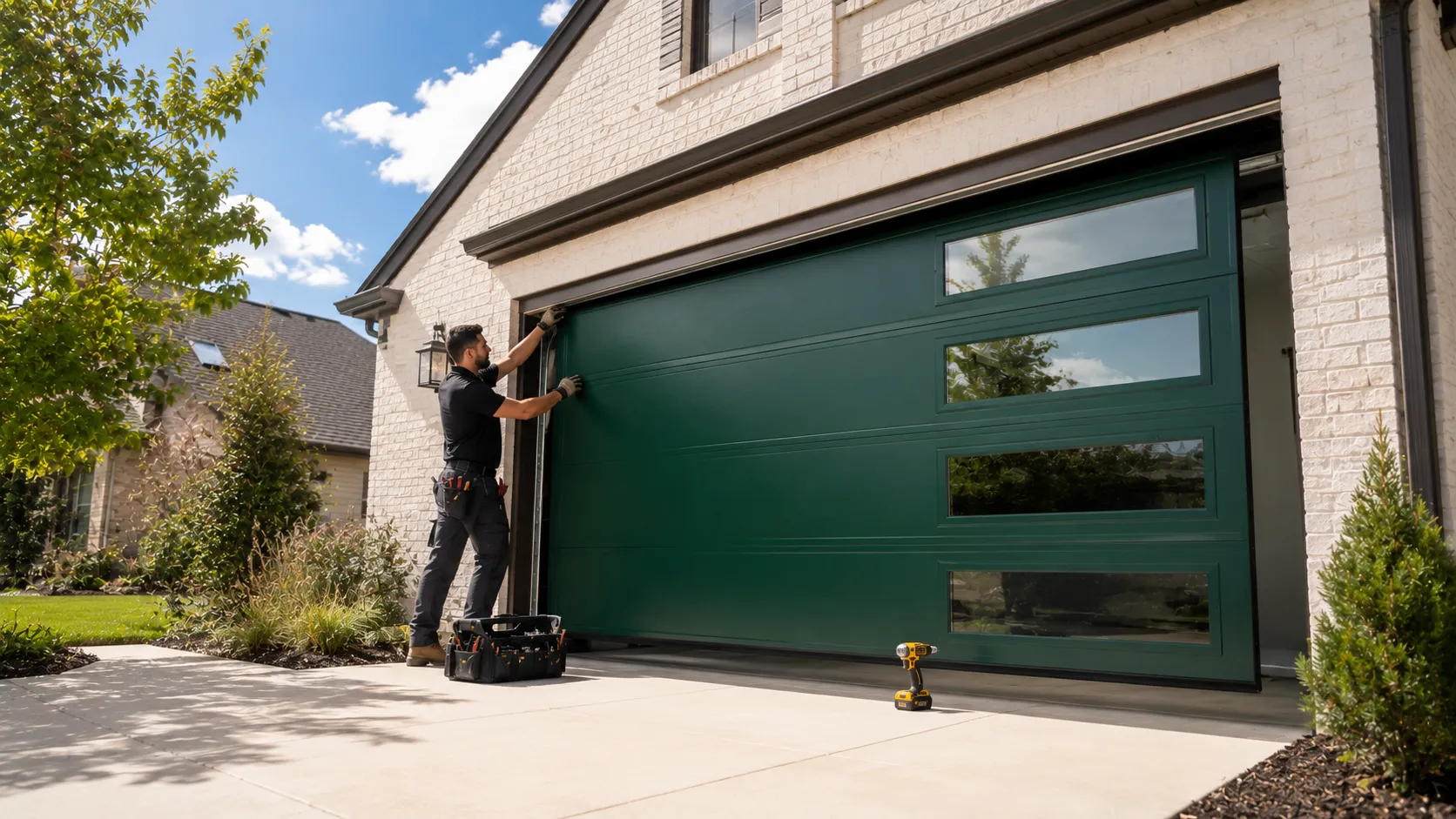
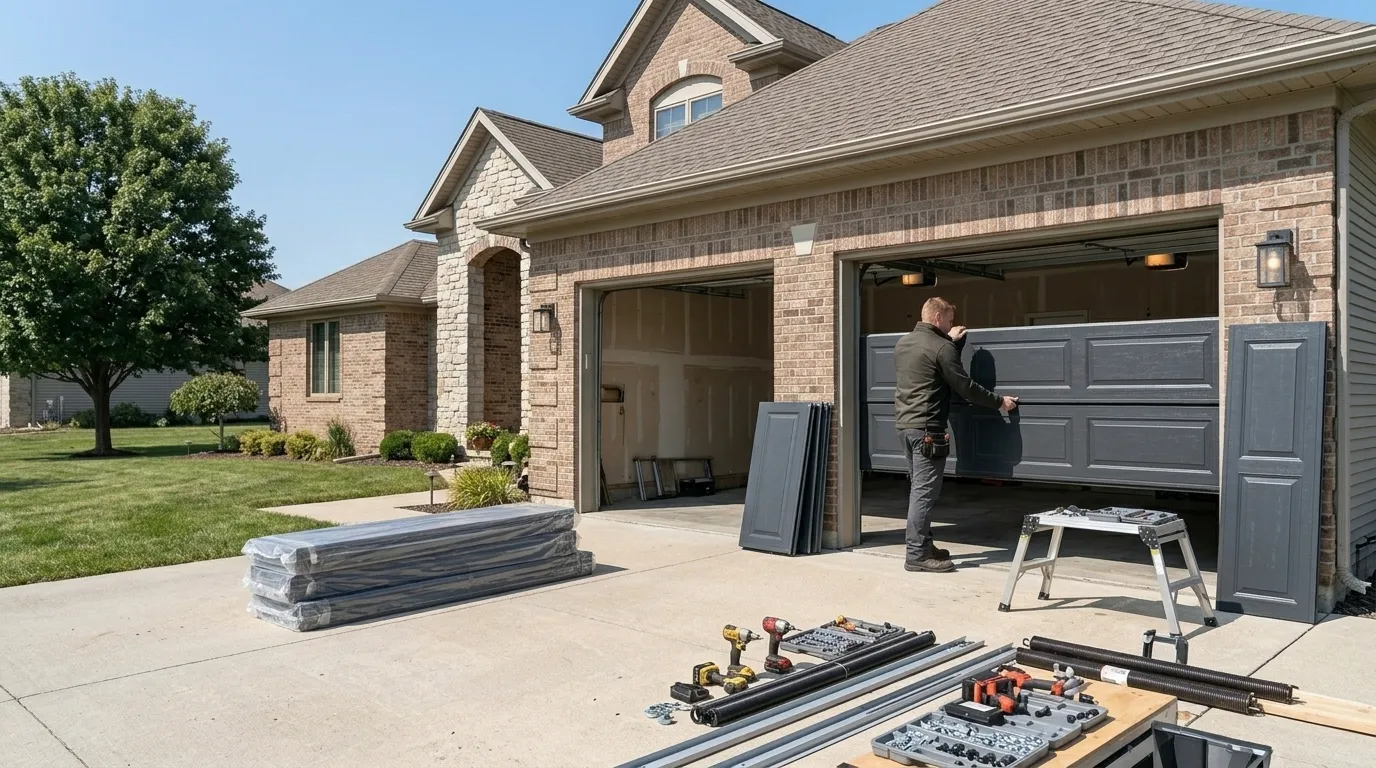
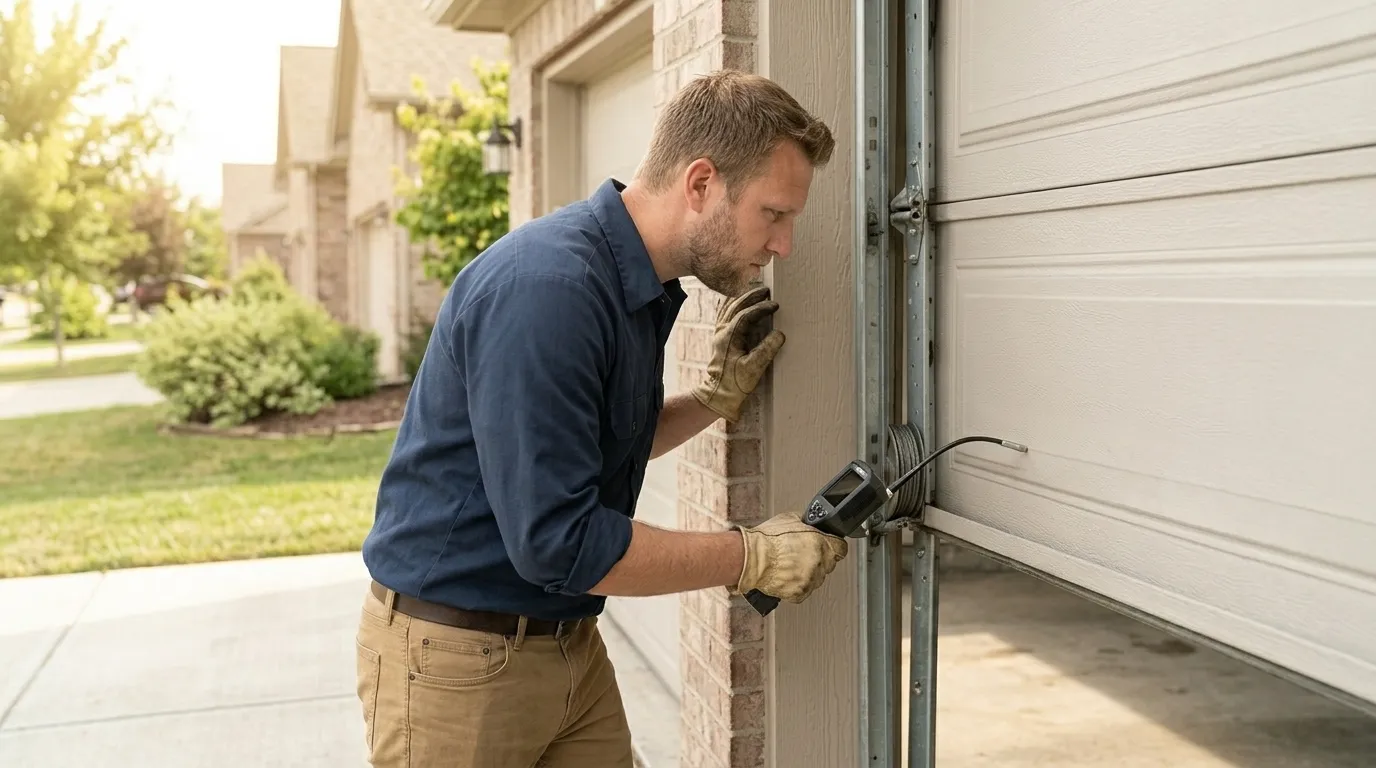
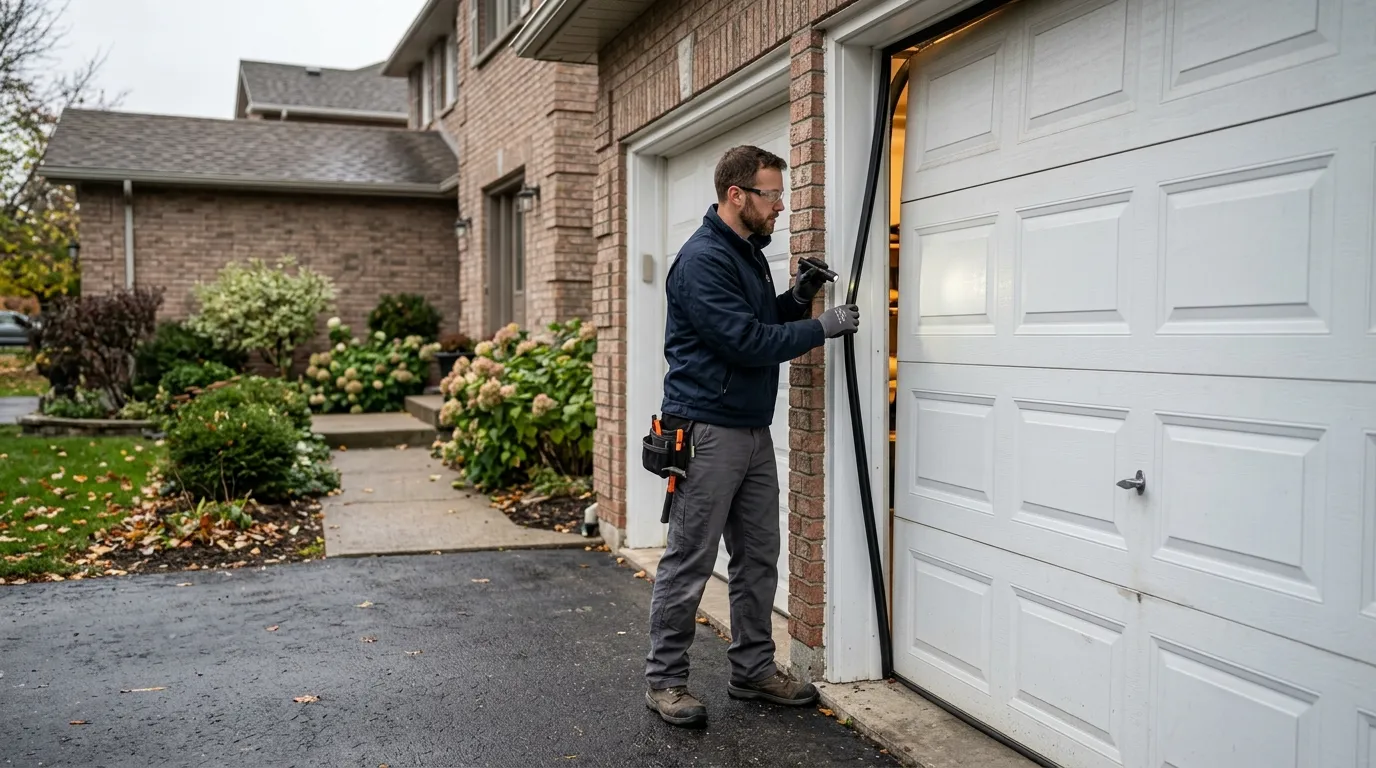
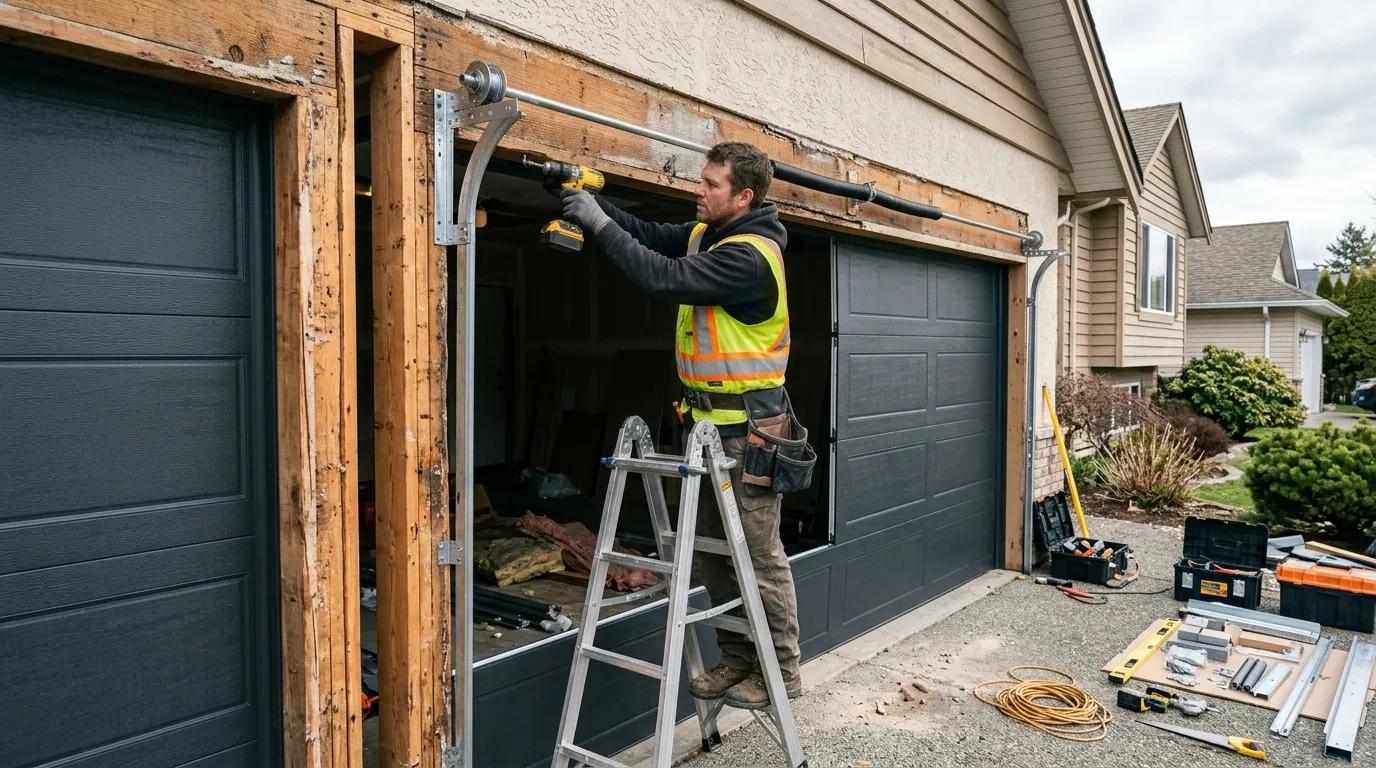
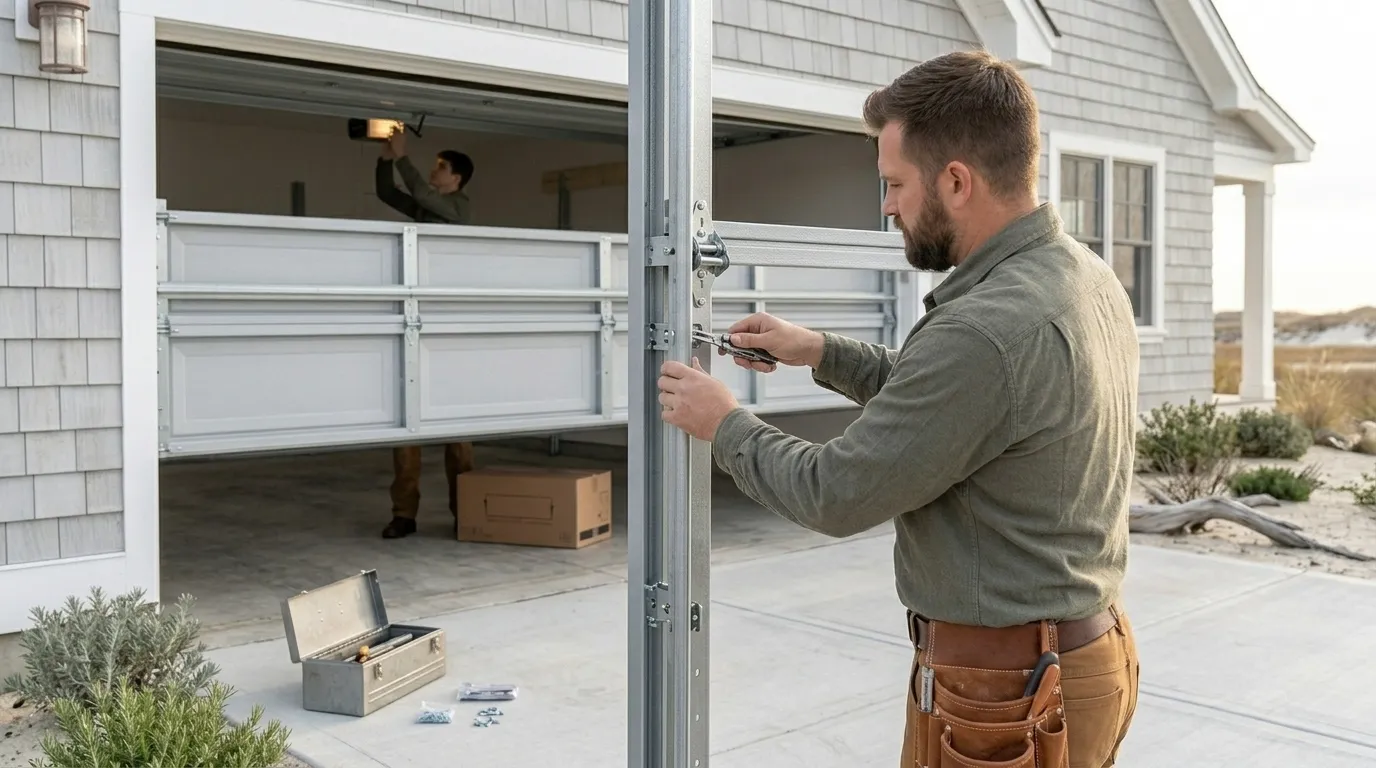
What that means in practice is we see fewer houses out here still running a totally untouched original door-and-opener setup from the build year. More often it's a door that's been replaced once, sometimes with hardware that doesn't quite match what a 1988-era garage was built to take - wider panels on old track, or a heavier insulated door hung on springs sized for the lighter original. Those mismatches don't always show up as an obvious problem. They show up as a door that's slower to open, an opener that strains, or a spring that wears out faster than it should. It's not something you can diagnose from the driveway; it takes actually pulling the door and checking what's underneath the trim.
What the Housing Means for Your Door
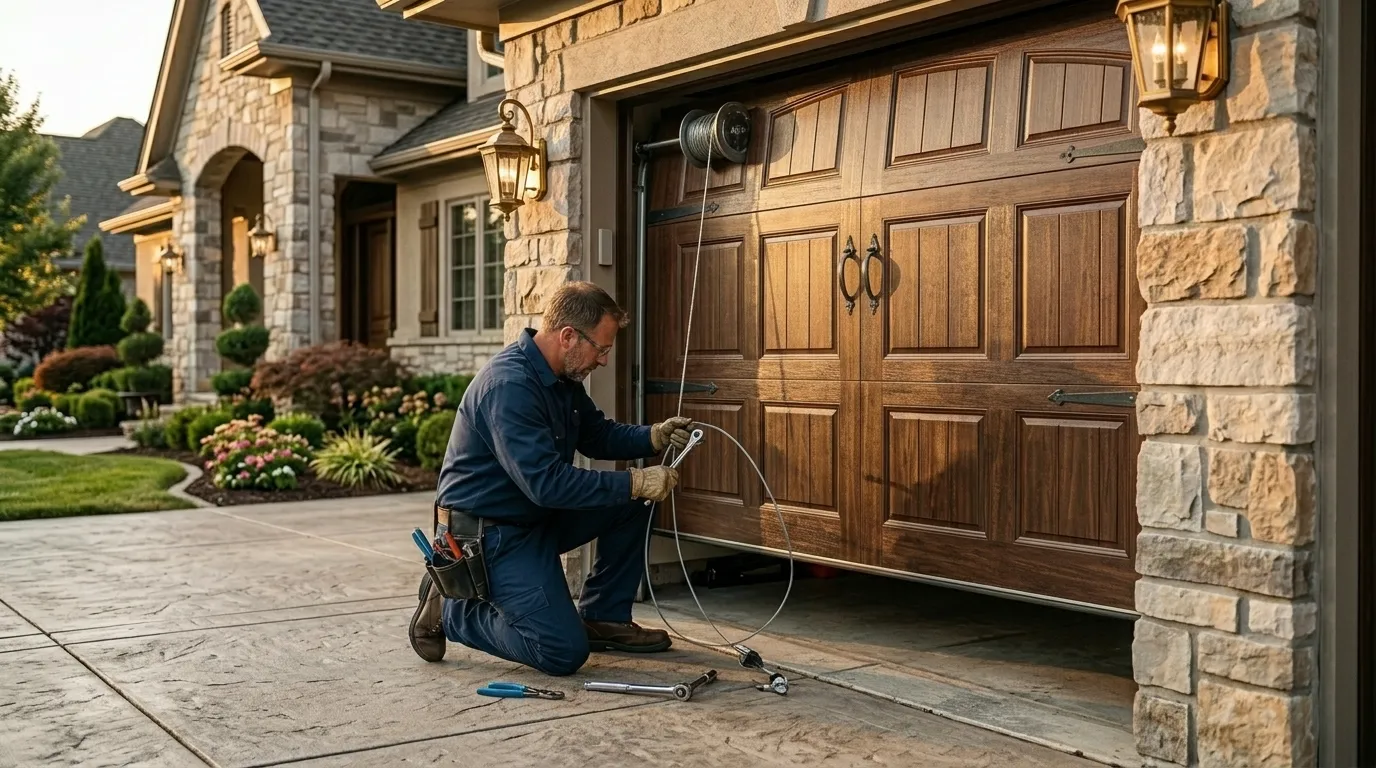
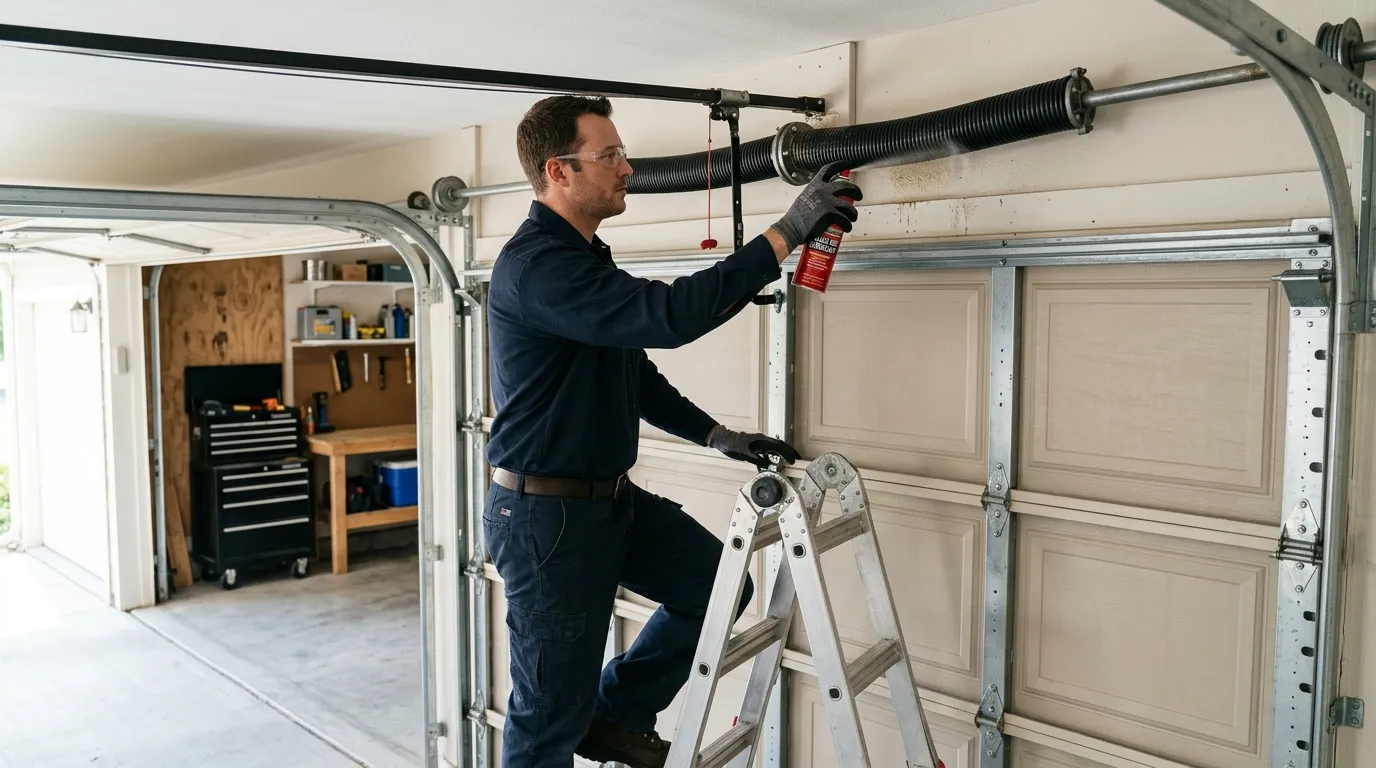
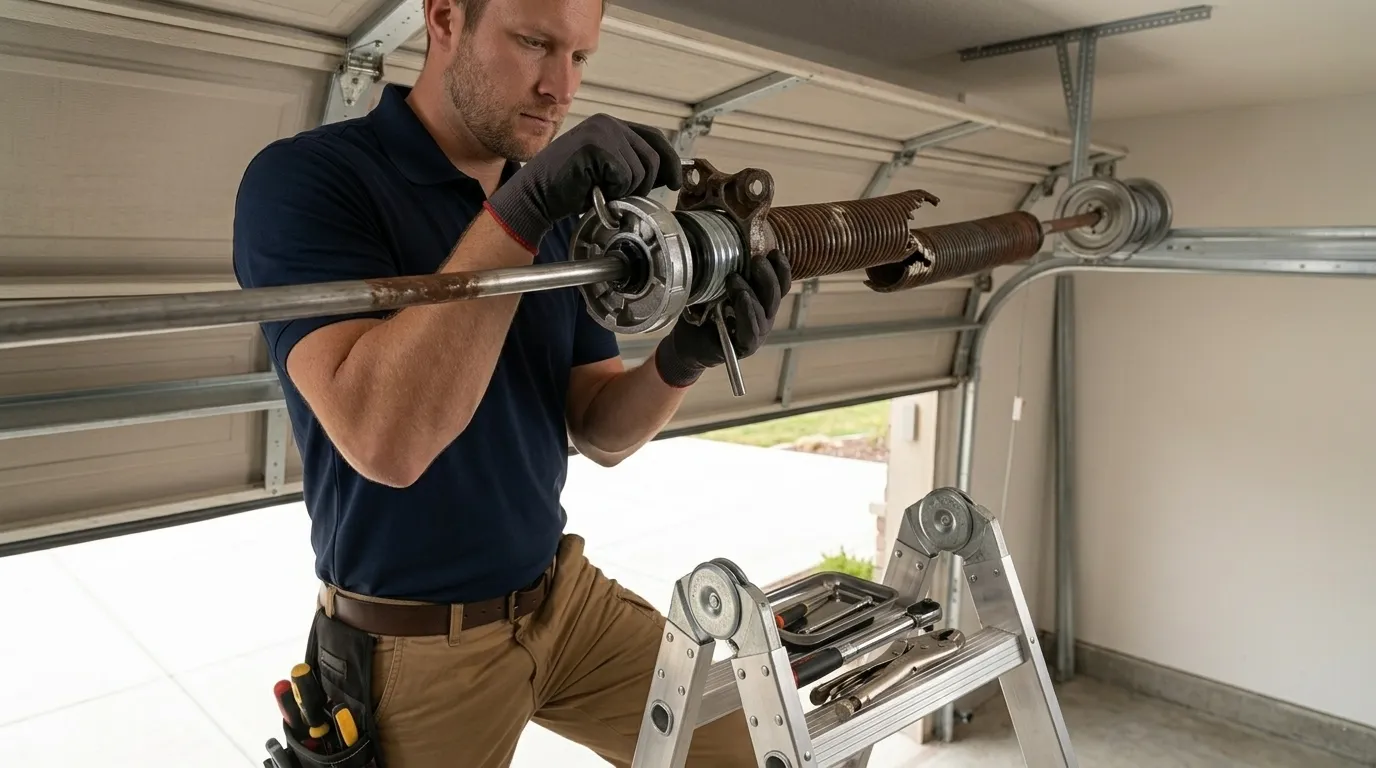
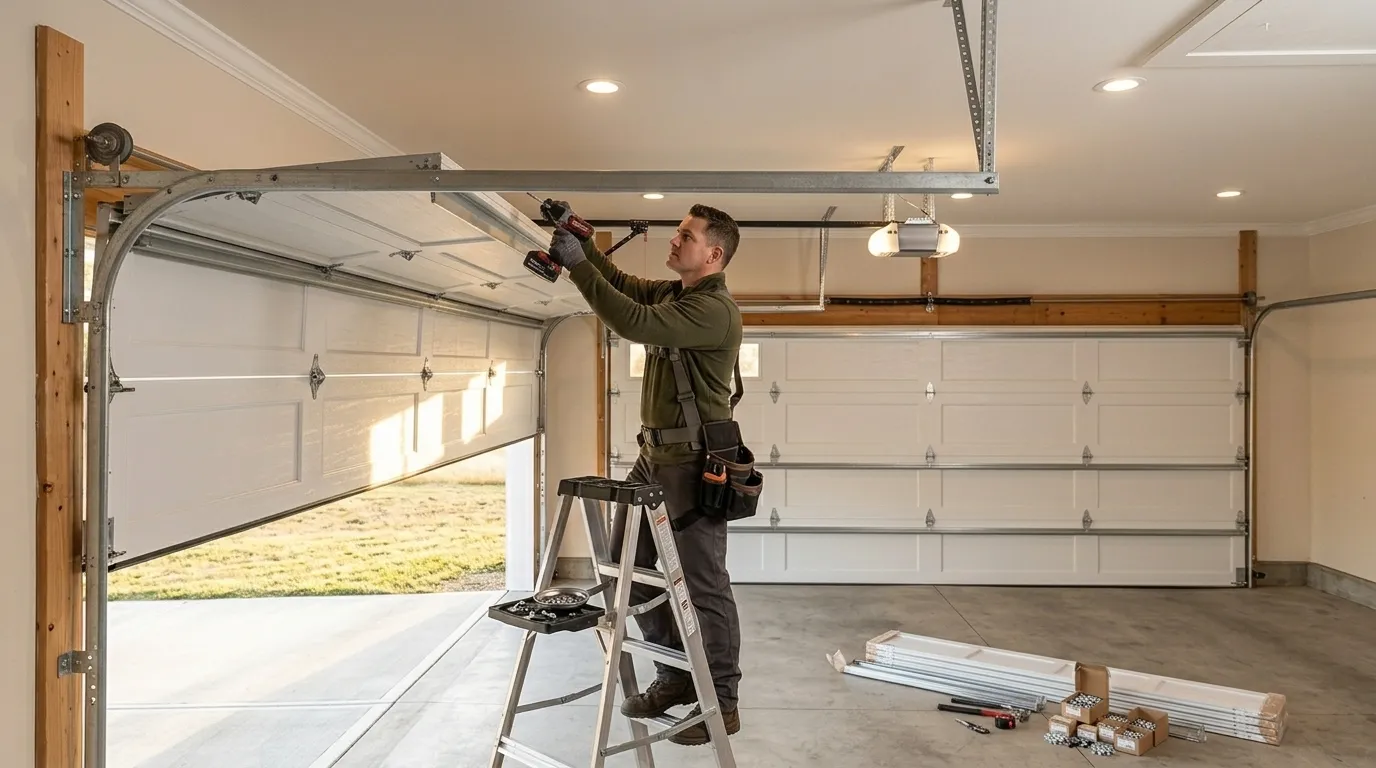
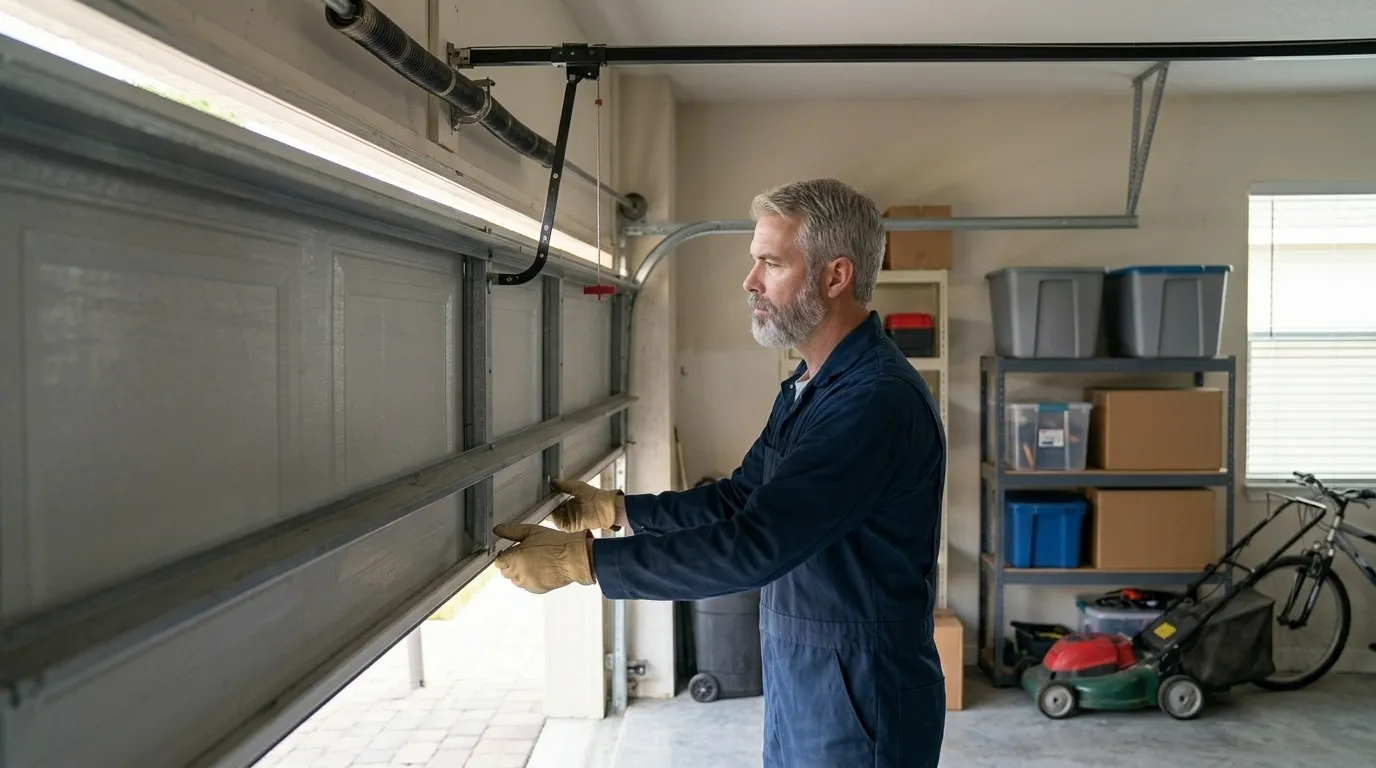
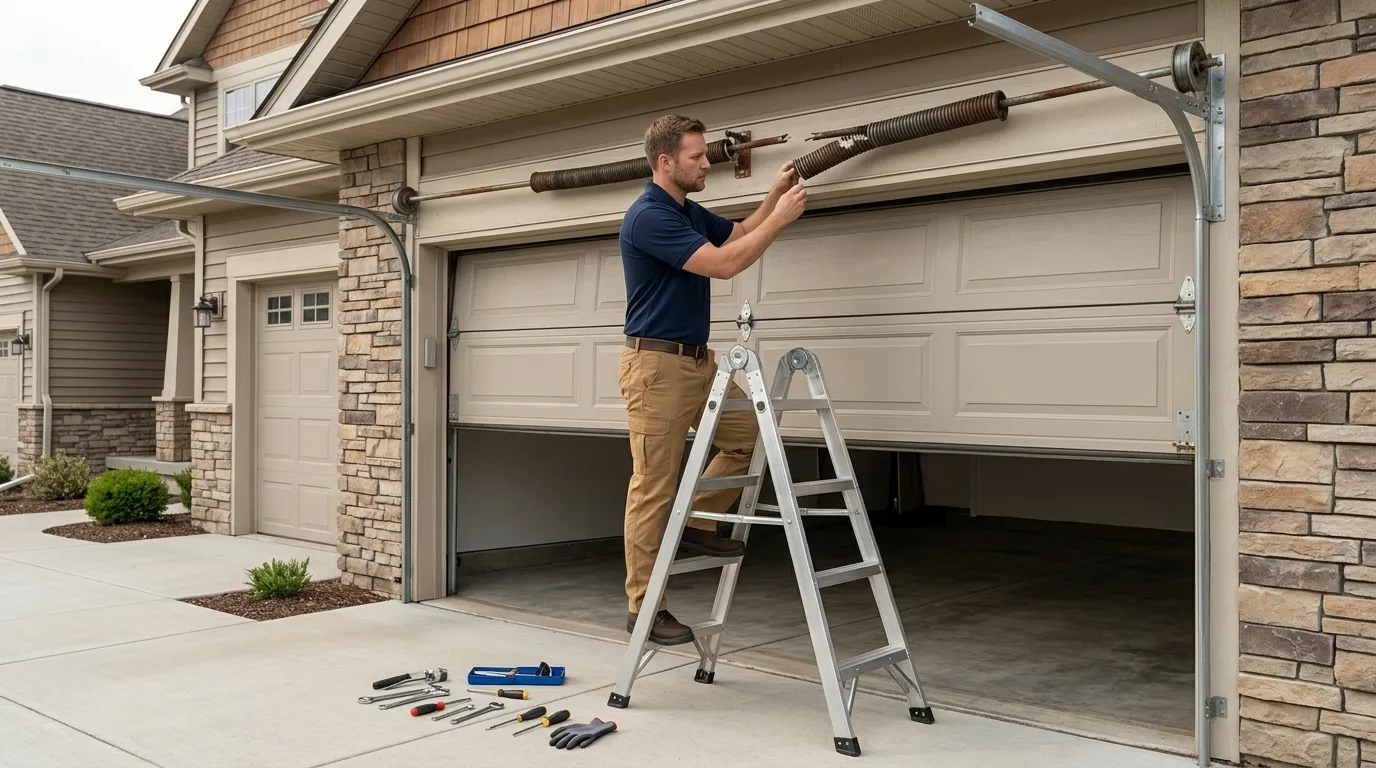
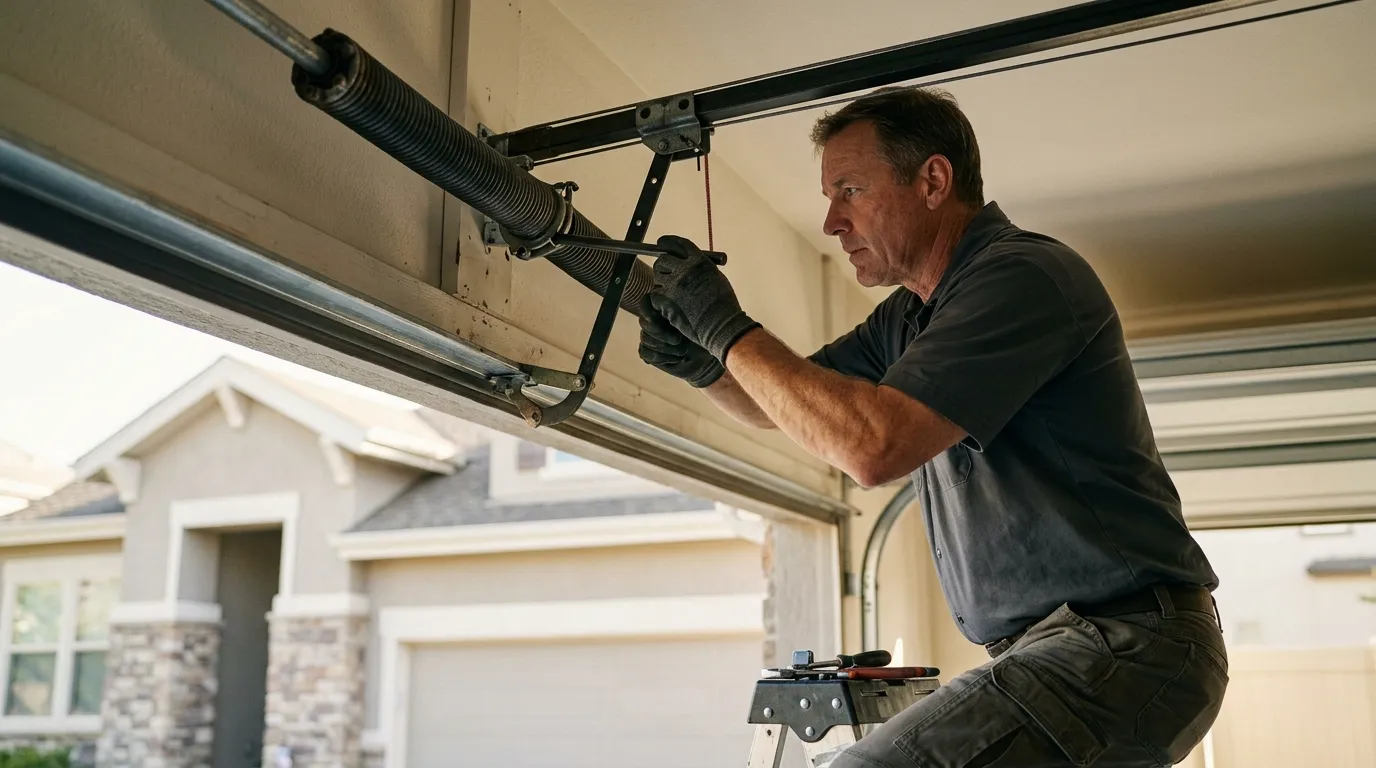
A garage built around 1988 in this region almost always went up with a torsion spring system on a steel sectional door - extension springs on horizontal track were mostly a decade or two earlier, so if your house matches the local median, you're dealing with torsion hardware, and the failure points are predictable: the spring itself, the center bearing plate, or the original lift cable that's never been swapped.
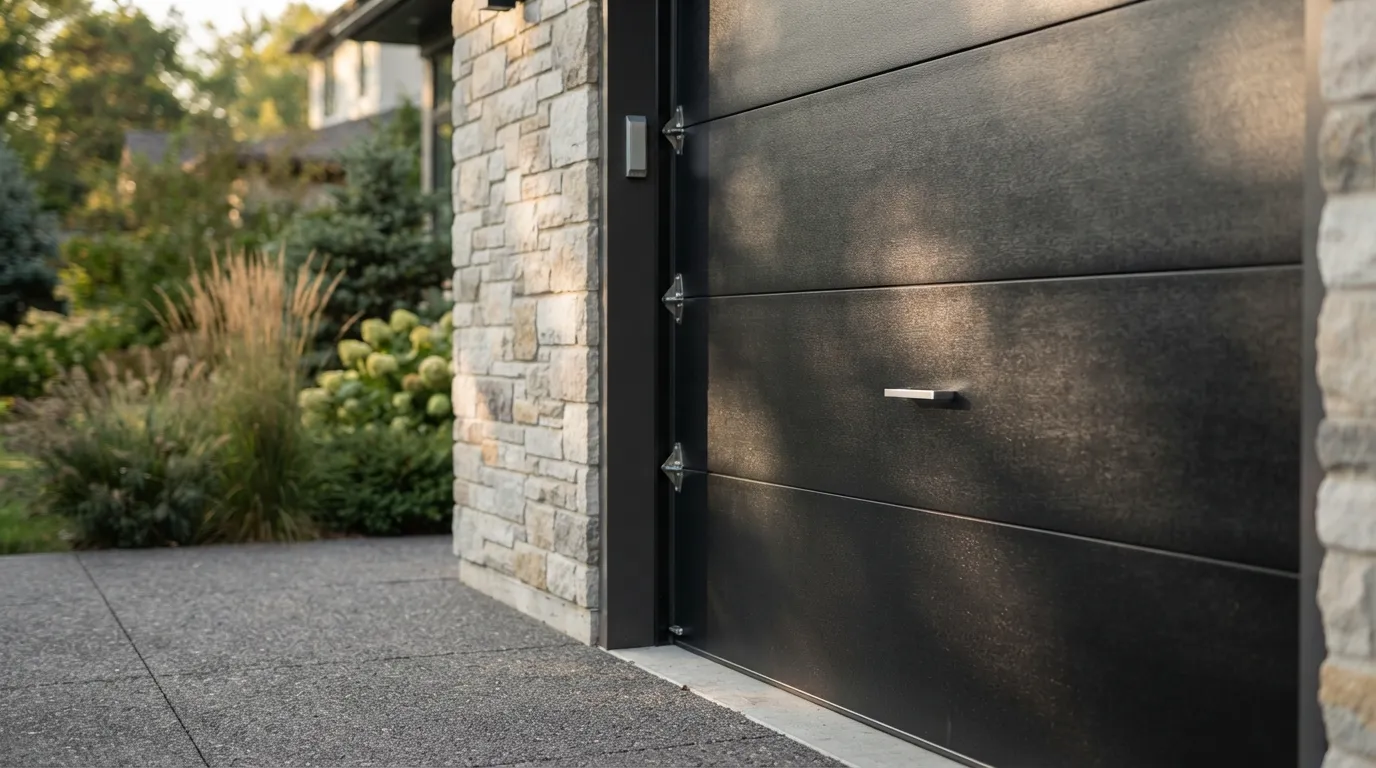
The area sits in a cold-moderate climate band, which is a factor in insulation, not in dramatic weather failures. It means panels can flex more in a hard cold spell than a warm-climate door would, and it means a non-insulated original door from the late 80s is doing noticeably less work than anything built in the last ten years. That's not an emergency - it's a comfort and energy cost, and it's worth knowing before you decide whether to repair an aging door or replace it outright.
One honest limit here: if a door's spring, cable, and opener are all original to a house built in the late 80s, we'll tell you straight when repair is throwing money at something replacement will solve better. We're not going to keep patching a door that's done.